Peru Reservations
TRUSTED SITE
Paracas
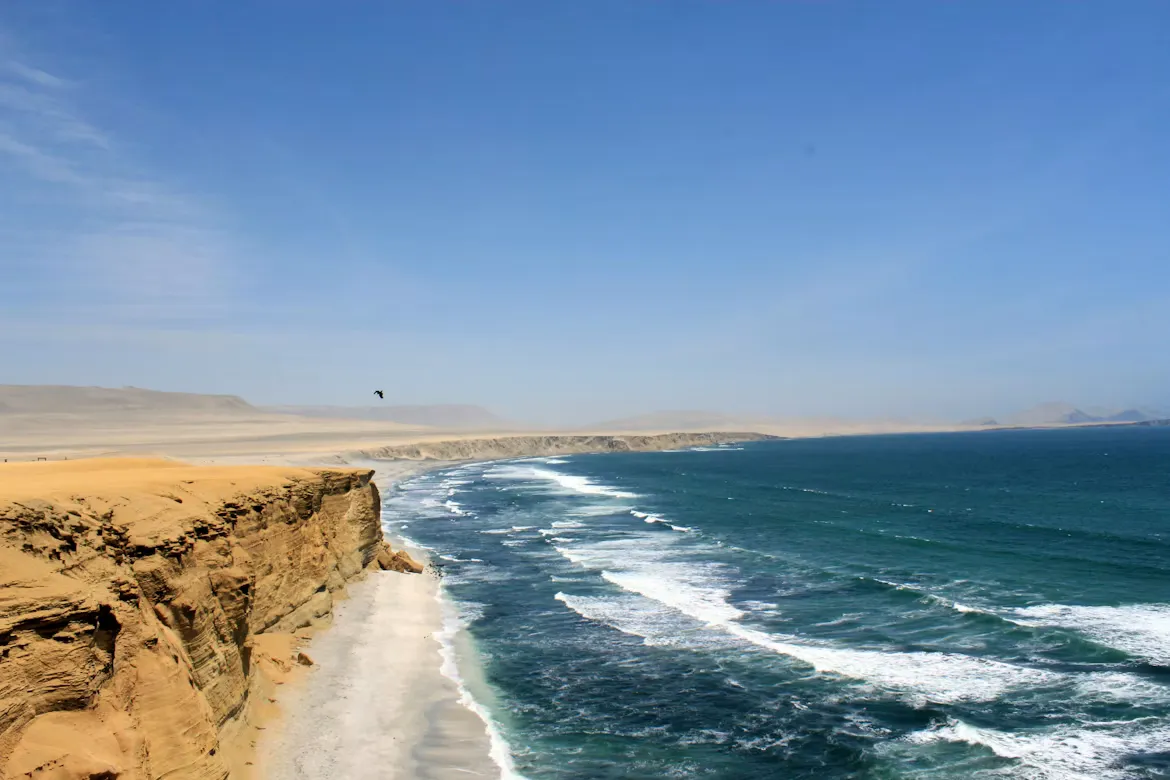
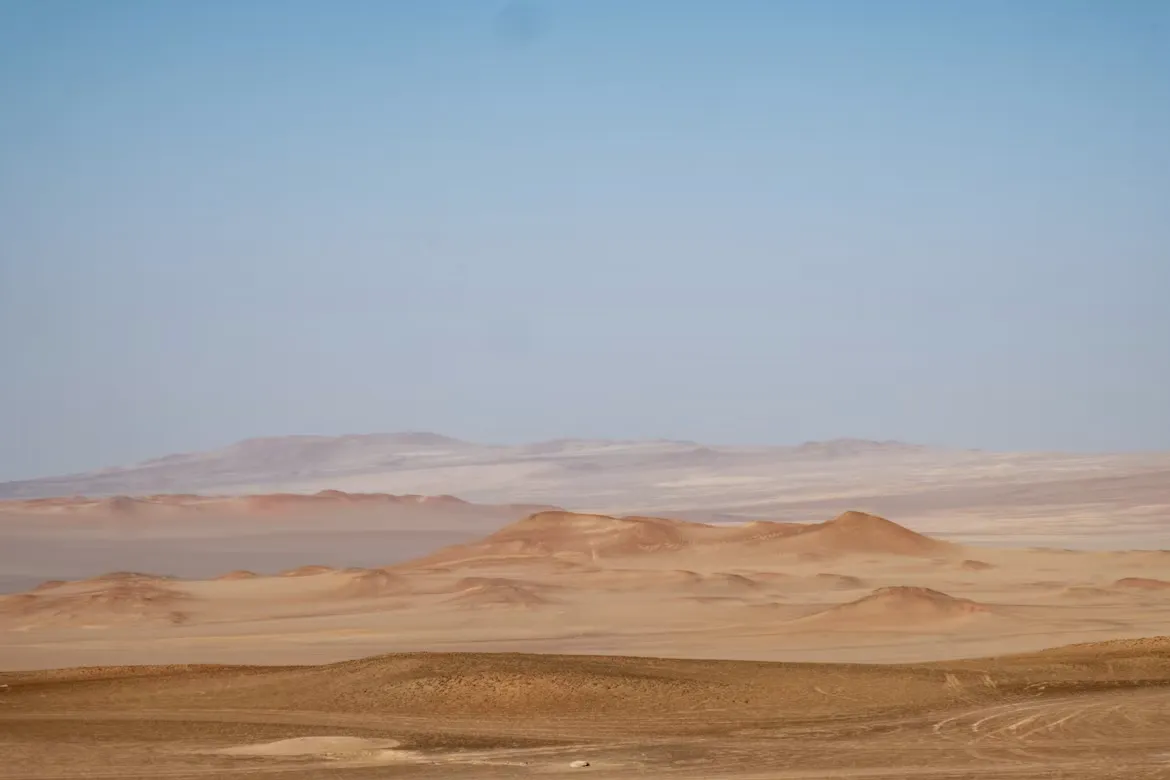
Paracas National Reserve

Paracas — Peru's Coastal Desert Jewel

Where the Pacific meets red-sand desert: Ballestas Islands wildlife, flamingo lagoons, and the Paracas National Reserve

LocationIca Region, 3.5 hrs south of Lima
ClimateDry & sunny (18–25°C), windy afternoons
AccessBus from Lima (3.5 hrs) or day trip
ReserveParacas National Reserve (335,000 ha)
WildlifeSea lions, penguins, condors, flamingos
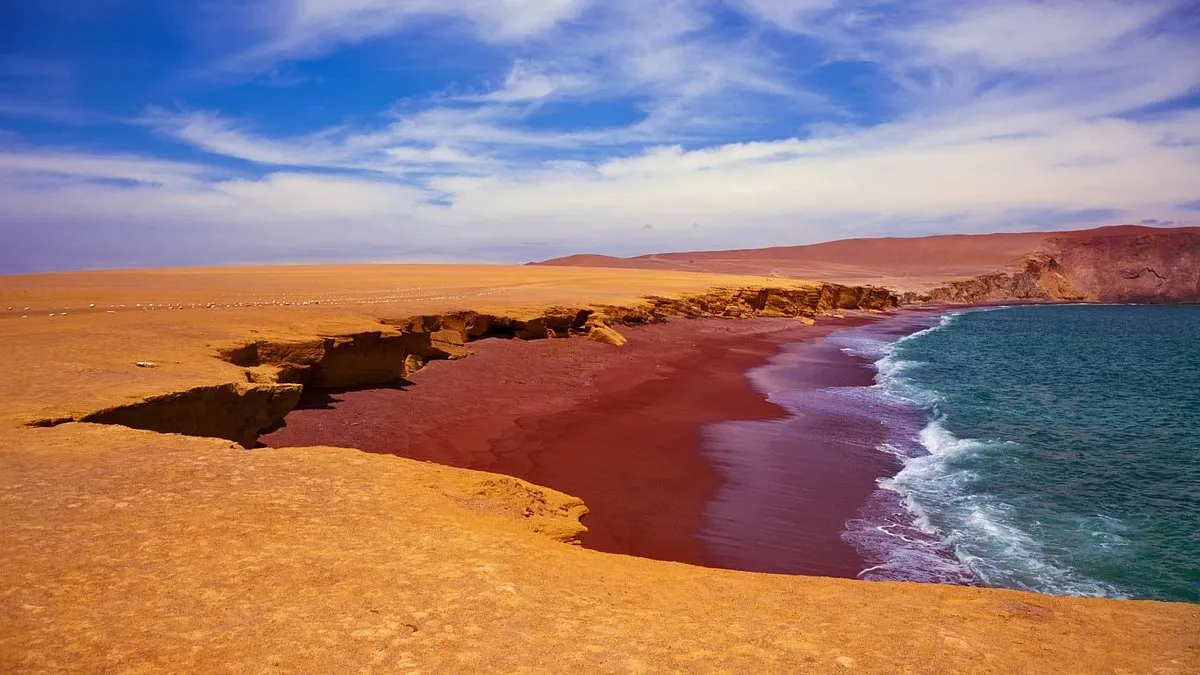
BeachRed sand beaches, wild Pacific coast

Welcome to Paracas

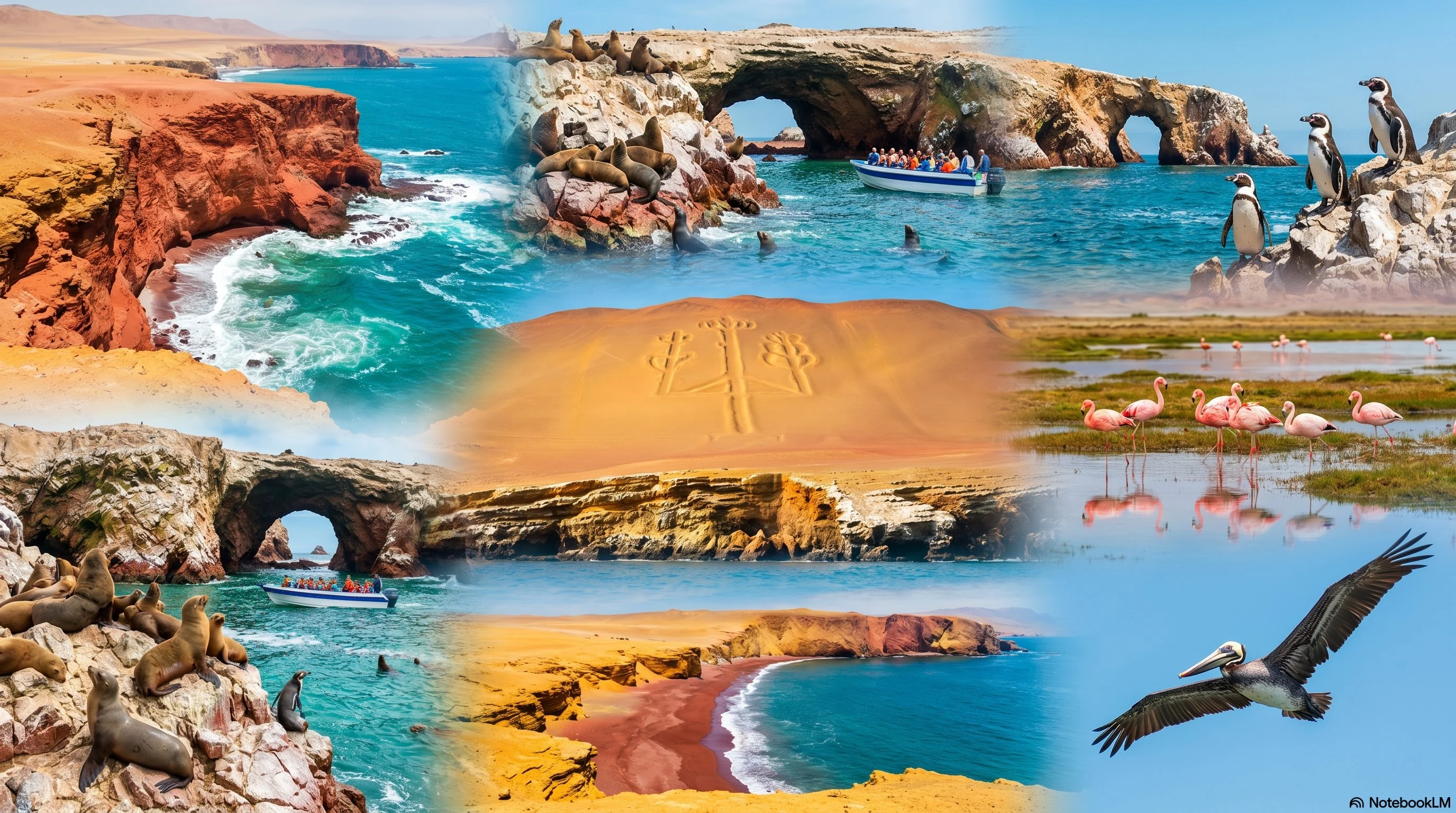
Paracas is a small coastal town 3.5 hours south of Lima, set against one of Peru's most dramatic landscapes: rust-red desert meets the Pacific Ocean in a setting of extraordinary wildlife richness. The Paracas National Reserve protects 335,000 hectares of ocean and desert, home to sea lions, Humboldt penguins, flamingos, and the Ballestas Islands — a cluster of rocky islets often called the 'Poor Man's Galápagos' for their staggering concentration of wildlife.

Welcome to Paracas

History

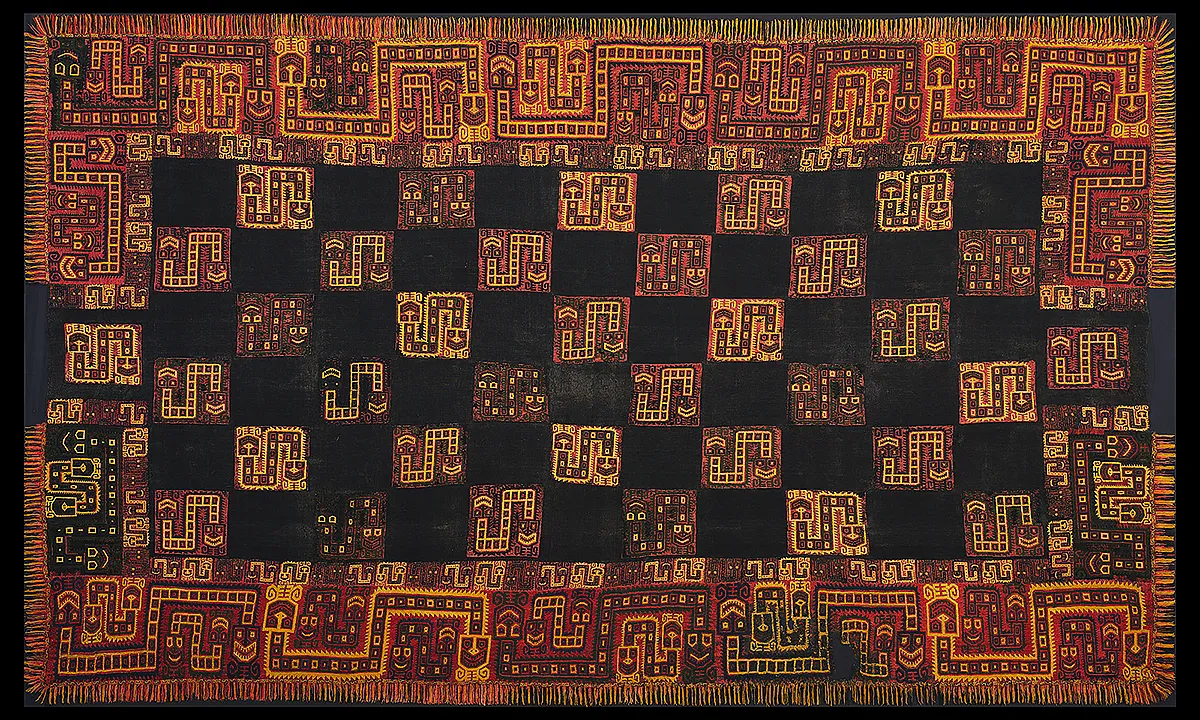
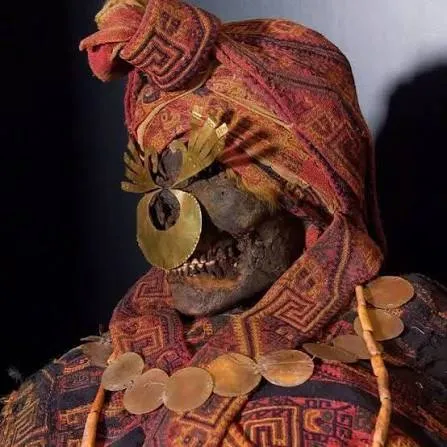
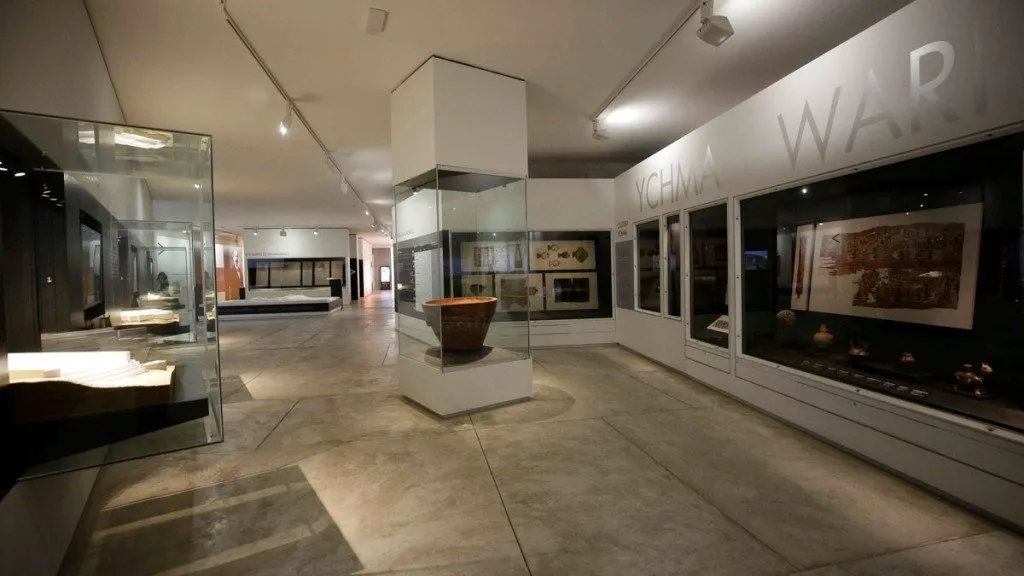
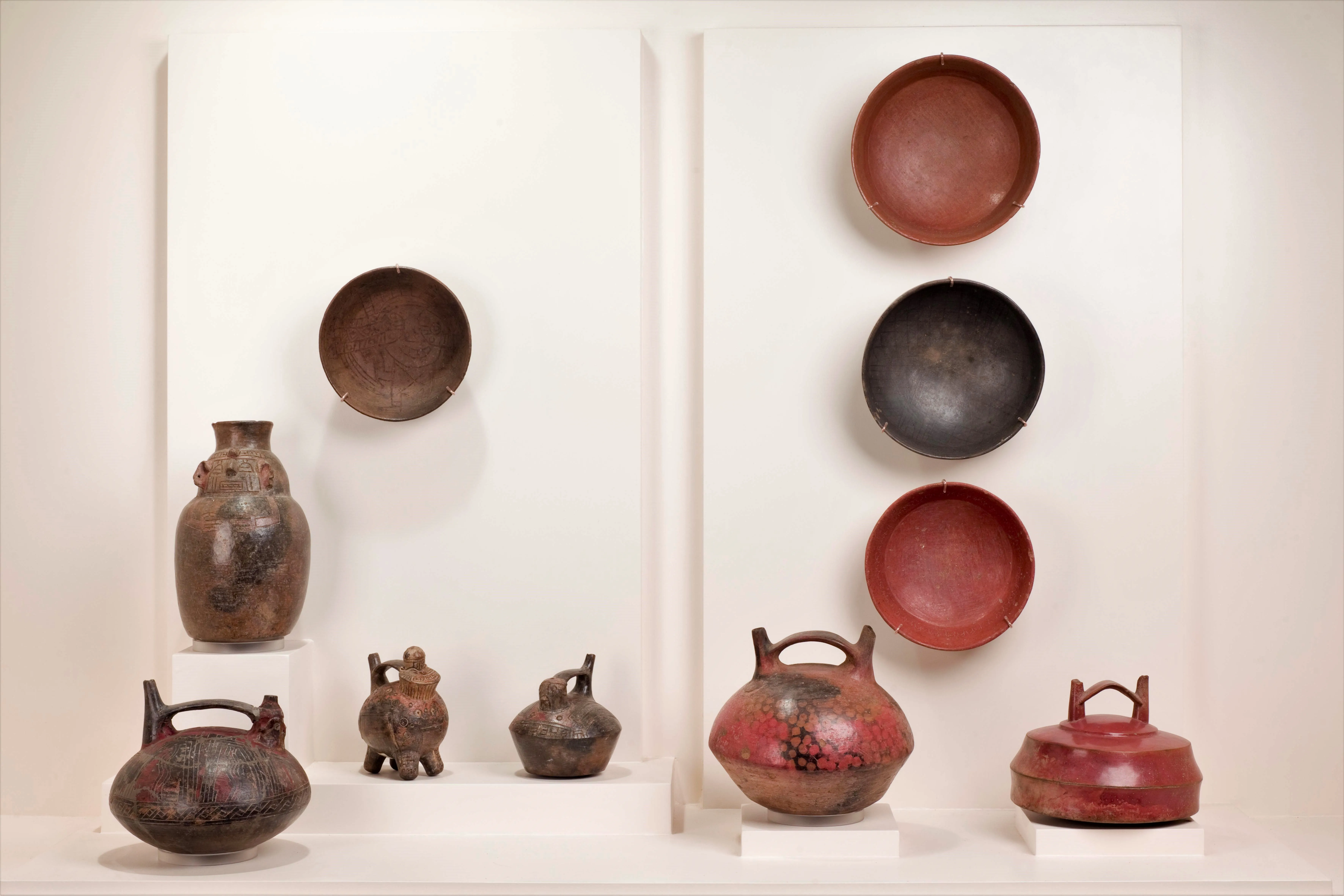
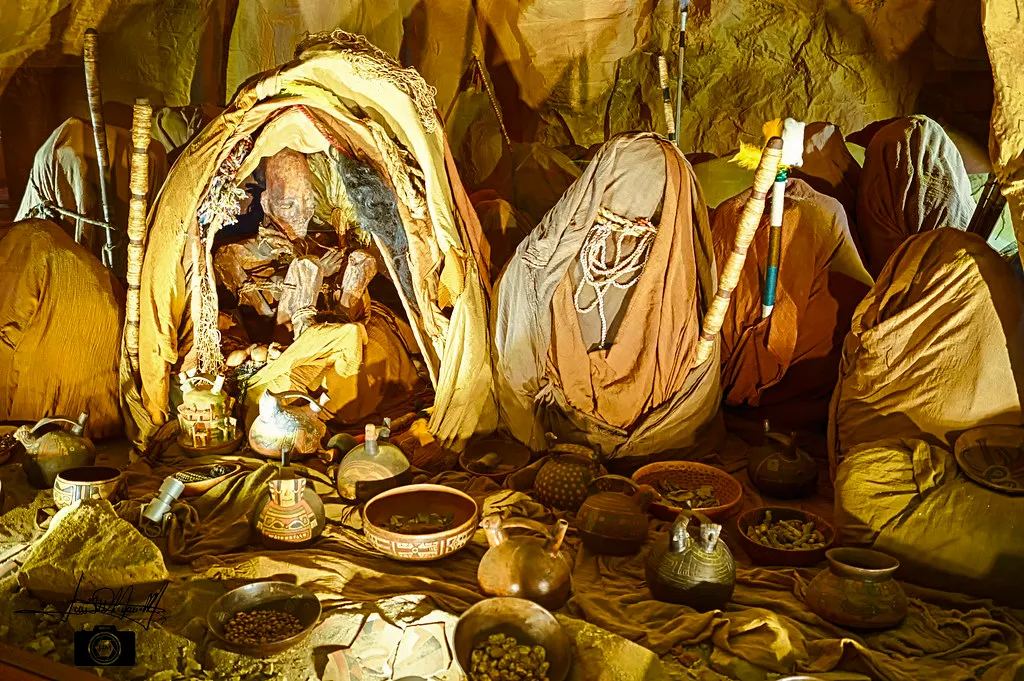
The Paracas Peninsula was home to one of Peru's most remarkable pre-Inca civilizations — the Paracas culture (700 BC–200 AD). The Paracas are most famous for their extraordinary funerary textiles, considered among the finest ever produced in the ancient world. These mummy bundles, wrapped in elaborate woven mantles of vibrant colors and intricate geometric patterns, were discovered in 1925 by archaeologist Julio C. Tello and are now displayed in Lima's National Museum and Larco Museum.

The Paracas culture was succeeded by the Nazca civilization (100 BC–800 AD), who created the famous Nazca Lines further inland. The Nazca and Paracas shared trade routes and cultural traditions along this coastal desert strip.

The modern town of Paracas was established in the 1950s and grew as a fishing village. Today it is primarily a tourism hub, with the Paracas National Reserve established in 1975 to protect the peninsula's exceptional biodiversity.

History

Geography

The Paracas Peninsula juts dramatically into the Pacific Ocean, creating a sheltered bay on its northern side and dramatic exposed cliffs on the south. The name 'Paracas' comes from the Quechua 'para-ako' meaning 'sand falling like rain' — a reference to the powerful afternoon winds that whip sand across the desert.

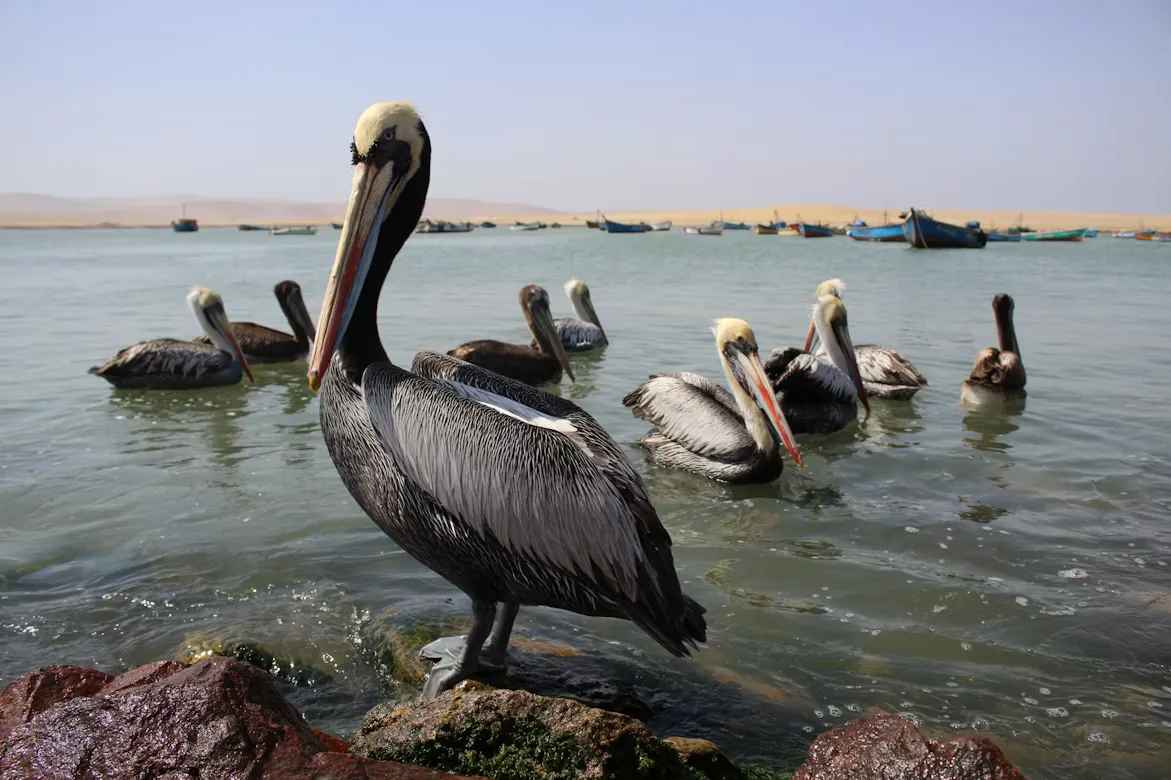
The cold Humboldt Current that runs along Peru's coast brings nutrient-rich upwelling that supports an extraordinary abundance of marine life. This upwelling is the reason for the Ballestas Islands' spectacular wildlife — sea lions, boobies, pelicans, and Humboldt penguins all depend on these productive cold waters.

Geography

Wildlife

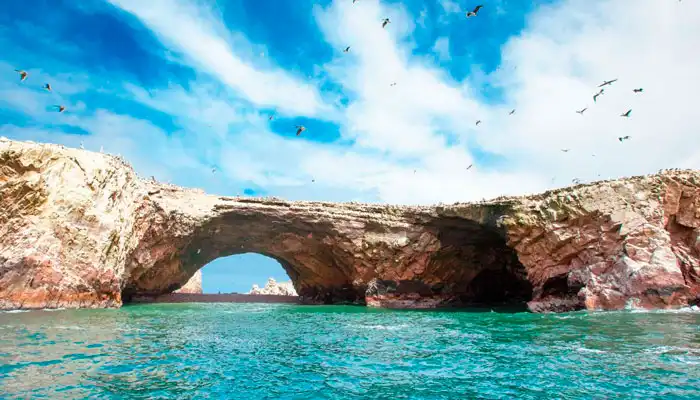
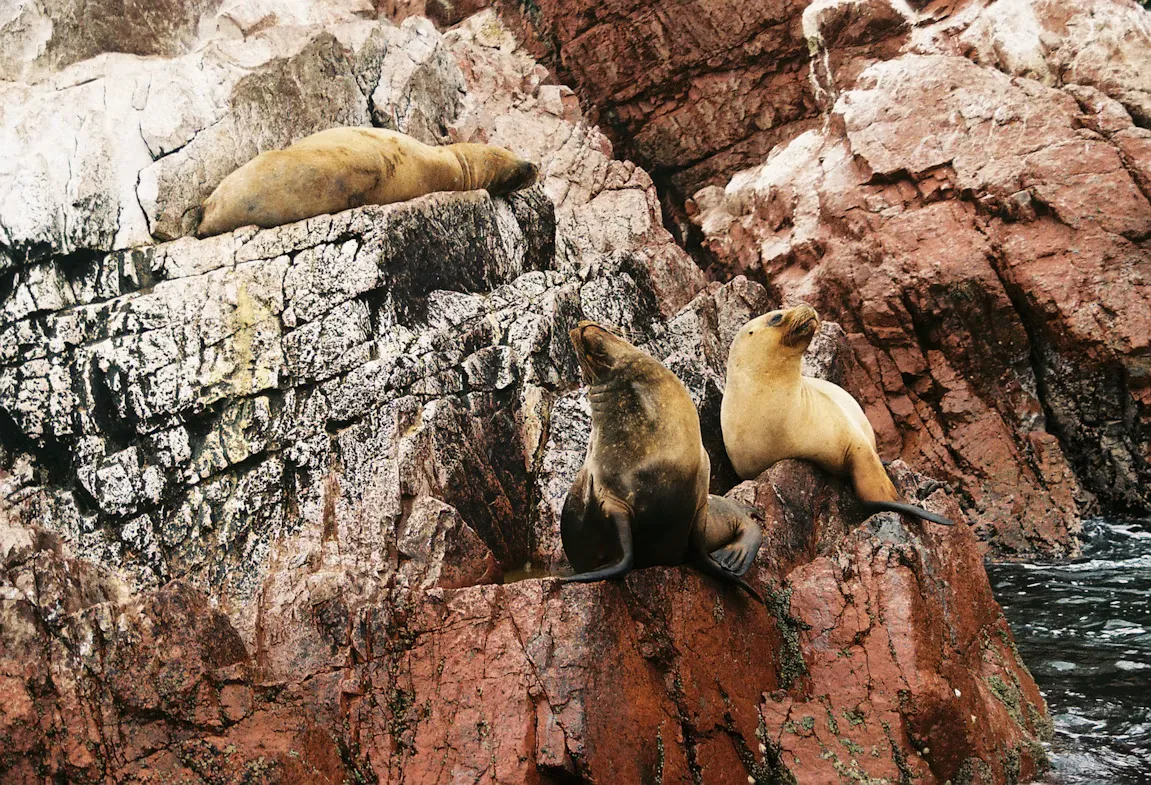
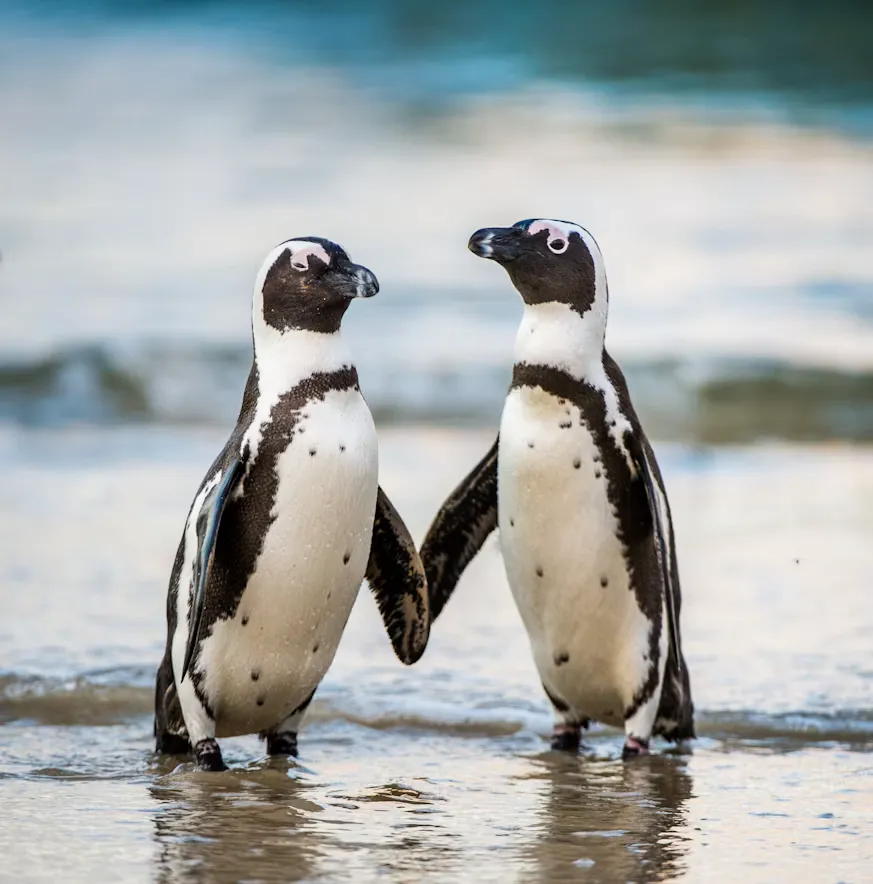
The Ballestas Islands are home to over 150 species of birds and one of Peru's largest sea lion colonies. Humboldt penguins nest in rock crevices on the islands alongside Inca terns, red-legged cormorants, blue-footed boobies, and Peruvian pelicans. Condors are regularly spotted soaring over the coastal cliffs of the national reserve.

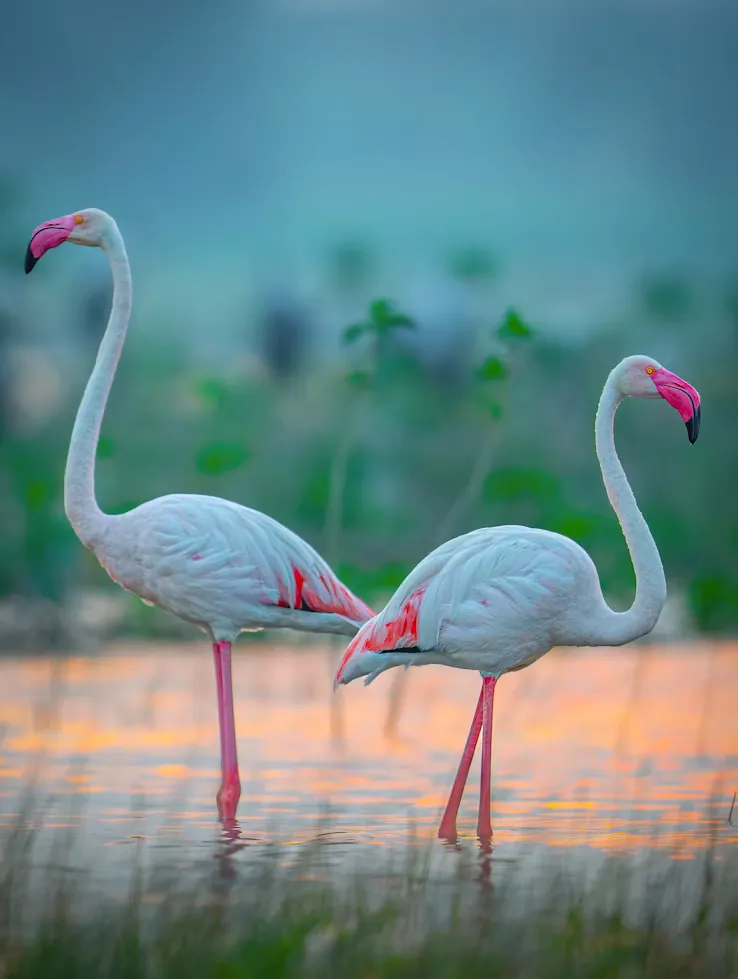
The bay of Paracas is seasonally visited by Chilean flamingos, who feed in the shallow lagoons inside the reserve. Bottlenose dolphins and sea otters are also seen in the bay. The Humboldt Current's productive cold waters support an extraordinary food chain — anchovies in massive schools attract sea lions, seabirds, and whale migrations.

Wildlife

Top Attractions

Top Attractions

Ballestas Islands

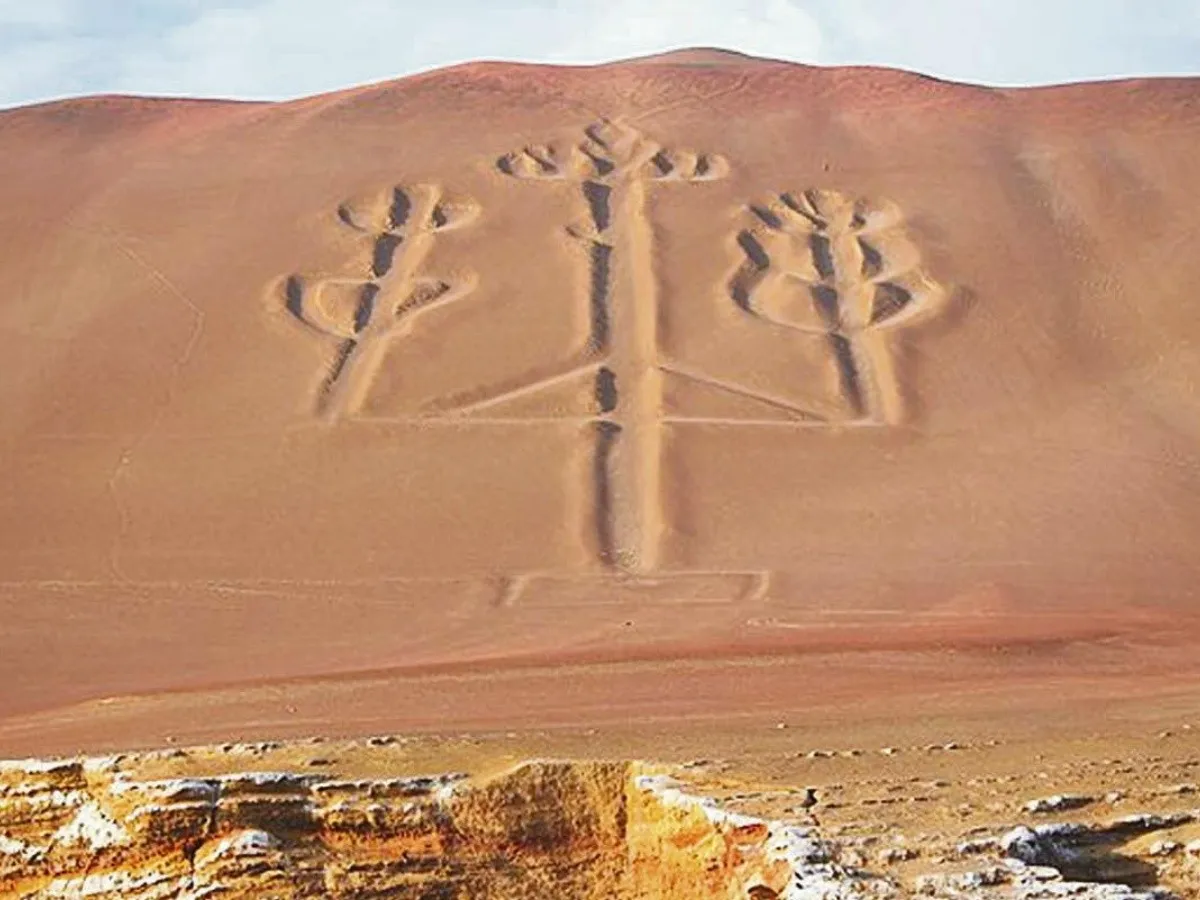
Rocky wildlife islands with sea lions, Humboldt penguins, boobies, pelicans, and the mysterious 'El Candelabro' geoglyph.

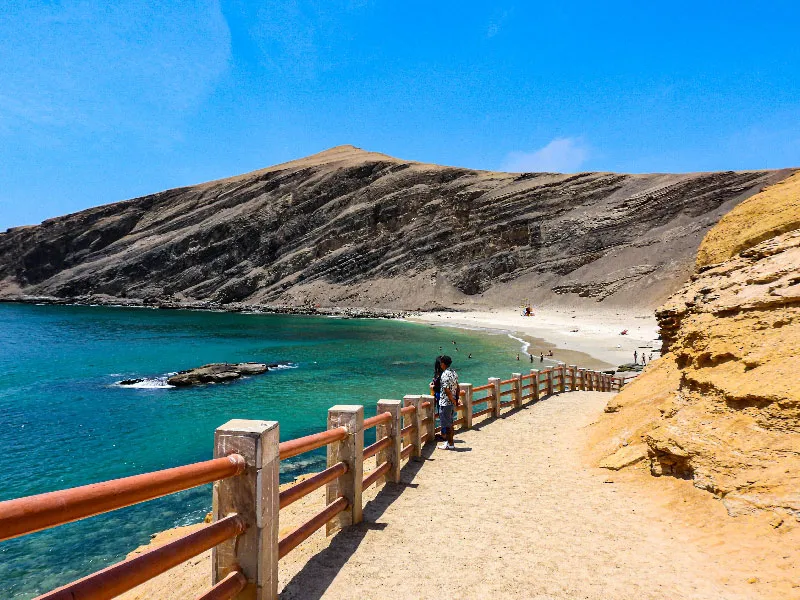
Paracas National Reserve

335,000 ha of desert and ocean protecting flamingo lagoons, red sand beaches, and condors soaring over cliffs.

El Candelabro

A massive 180m geoglyph carved into a hillside above the bay — related to the Nazca Lines and visible from the sea.

Red Sand Beaches

Playa Roja (Red Beach) — a unique crimson volcanic sand beach inside the national reserve.

Flamingo Lagoon

Seasonal flamingo populations gather in the lagoons inside the reserve — stunning pink against the desert.

Paracas Culture Museum

Small but significant museum in the town with Paracas culture artifacts and textiles.

Culture

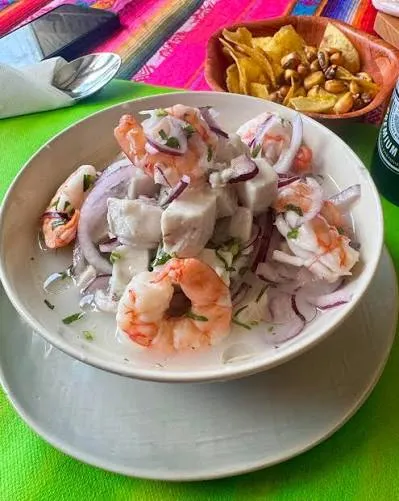
Modern Paracas is a small, tourism-focused town with a lively fishing heritage. The town's waterfront (malecón) is lined with seafood restaurants serving the freshest catch — ceviche, tiradito, and leche de tigre are staples of any lunch here.

The ancient Paracas culture's textile tradition is among the most sophisticated in the pre-Columbian world. The Paracas mantle (manto) — large burial cloths decorated with intricate embroidered figures of shamans, mythological beings, and natural forms — are masterworks of ancient fiber art, created from alpaca and vicuña wool dyed in vibrant colors.

Culture

Traditions

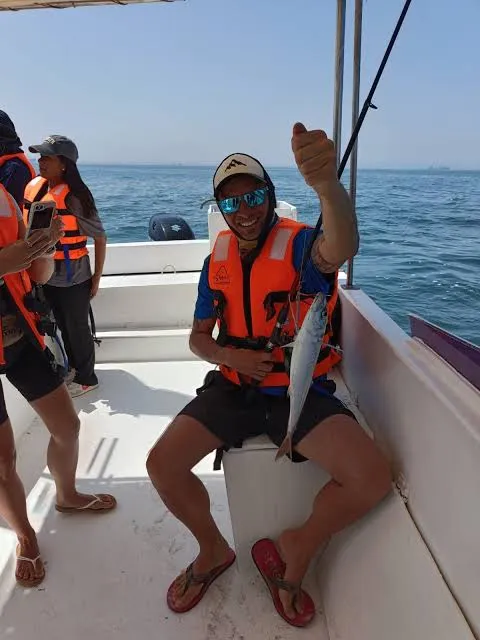
Fishing is the cultural and economic backbone of Paracas. Local fishermen (pescadores) set out before dawn on small boats to harvest anchovies, scallops, and diverse seafood from the productive Humboldt Current waters. The fishing calendar and its rhythms continue to shape life in the town.

The ancient Paracas funerary tradition reveals a sophisticated belief system in which the deceased were bundled with their finest possessions and wrapped in layers of exquisite textiles for the afterlife. These 'mummy bundles' have been found in remarkable condition in the desert's dry caves and cemeteries.

Traditions

Activities

Activities

Ballestas Islands Boat Tour

2-hour morning speedboat tour around the wildlife islands — sea lions, penguins, and El Candelabro.

National Reserve Tour

Half or full-day 4x4 tour through red desert, Playa Roja, flamingo lagoons, and coastal cliffs.

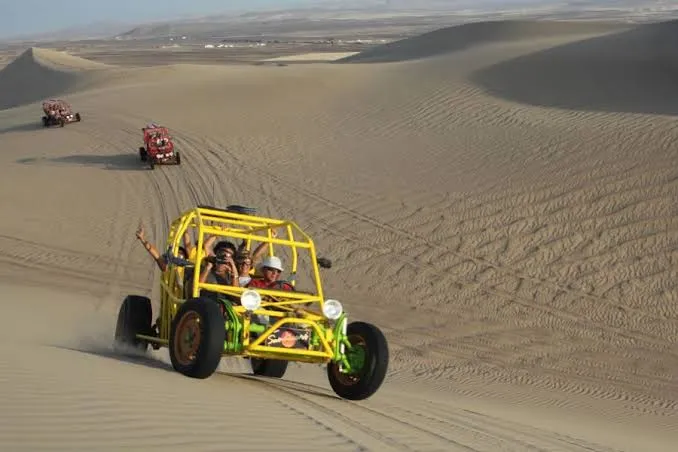
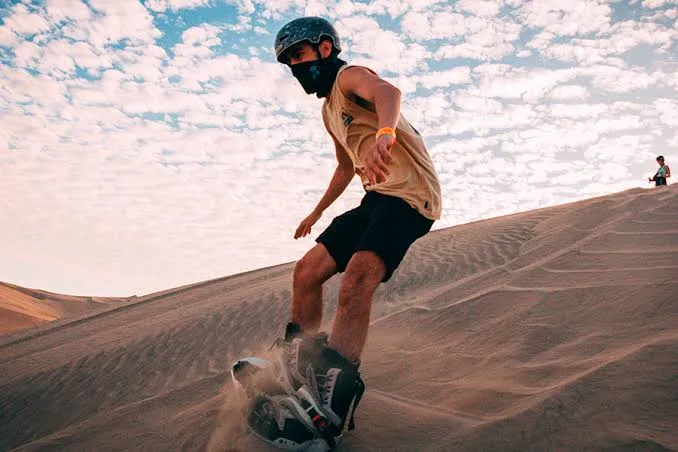
Sandboarding in Huacachina

Easy day trip 30km inland to the sand dune oasis of Huacachina — combine both destinations!

Kayaking

Sea kayak along the reserve coastline — get close to wildlife and dramatic sea caves.

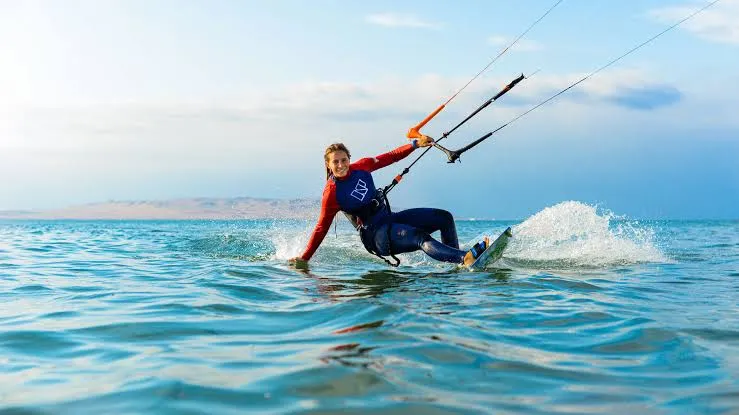
Kitesurfing

The afternoon Paracas winds are perfect for kitesurfing and windsurfing in the bay.

Seafood Lunch

Feast on the freshest ceviche and tiradito at the waterfront restaurants of Paracas town.

Food & Cuisine

Paracas is a seafood paradise. With the Humboldt Current delivering extraordinary marine abundance right to its shores, the town's waterfront restaurants serve some of the freshest seafood in Peru.

Food & Cuisine

Ceviche de Conchas Negras

Black clam ceviche — prized for their intense briny flavor and deep purple color.

Choritos a la Chalaca

Mussels topped with tomato, onion, lime, and chili — a classic Peruvian coastal appetizer.

Tiradito

Japanese-influenced raw fish sliced thin and dressed with spicy leche de tigre — Lima's cousin of sashimi.

Pisco Sour

Peru's national cocktail made from Ica pisco (the famous grape-growing region nearby).

Chupe de Camarones del Mar

Hearty shrimp chowder with potato, egg, and chili — a warming cure after a windy Paracas morning.

Travel Info

Getting There

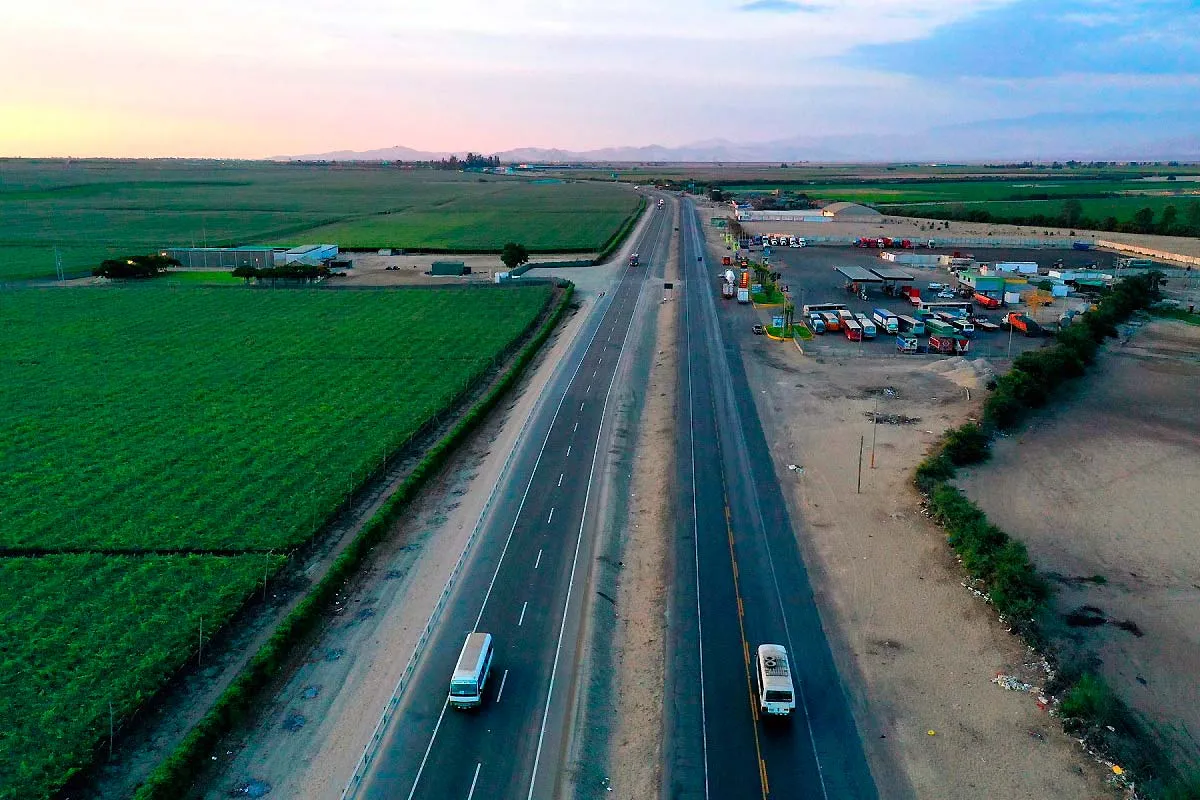
  • Bus from Lima: 3.5 hours south on the Pan-American Highway (Cruz del Sur, Oltursa)
  • Get off in Pisco town, then taxi 20 minutes to Paracas
  • Private transfer from Lima available (~4 hours)
  • Common to combine with Huacachina (45 min further south) and Nazca

Tours from Paracas

  • Ballestas Islands: Book morning tours (8-10am) for best wildlife activity
  • National Reserve: Half-day (am) or full-day tours available with guide
  • Nazca Lines flyover: 2-hour drive south to Nazca airport, 30-min flight over the Lines
  • Huacachina: 45-min drive east — combine for a great south Peru circuit

Practical Tips

  • The afternoon Paracas wind ('wind of sand and rain') can be very strong — plan morning activities
  • Sun protection is essential — desert sun is intense
  • Entrance fee to the national reserve: ~15 soles
  • Book Ballestas Islands tour the evening before for morning departure

Best Time to Visit

  • Year-round destination — the desert climate is reliably sunny
  • December–March: Warmest weather, good for beach time
  • June–August: More wind, but wildlife (penguins, flamingos) most abundant
  • Early morning is best for wildlife (before the afternoon winds pick up)

Book Your Adventure

Ready to explore Paracas?

Our local experts will design the perfect trip for you. Private tours, bilingual guides, and unique experiences.

Browse All ToursMore Destinations
Chat with a Local Peru Travel Expert