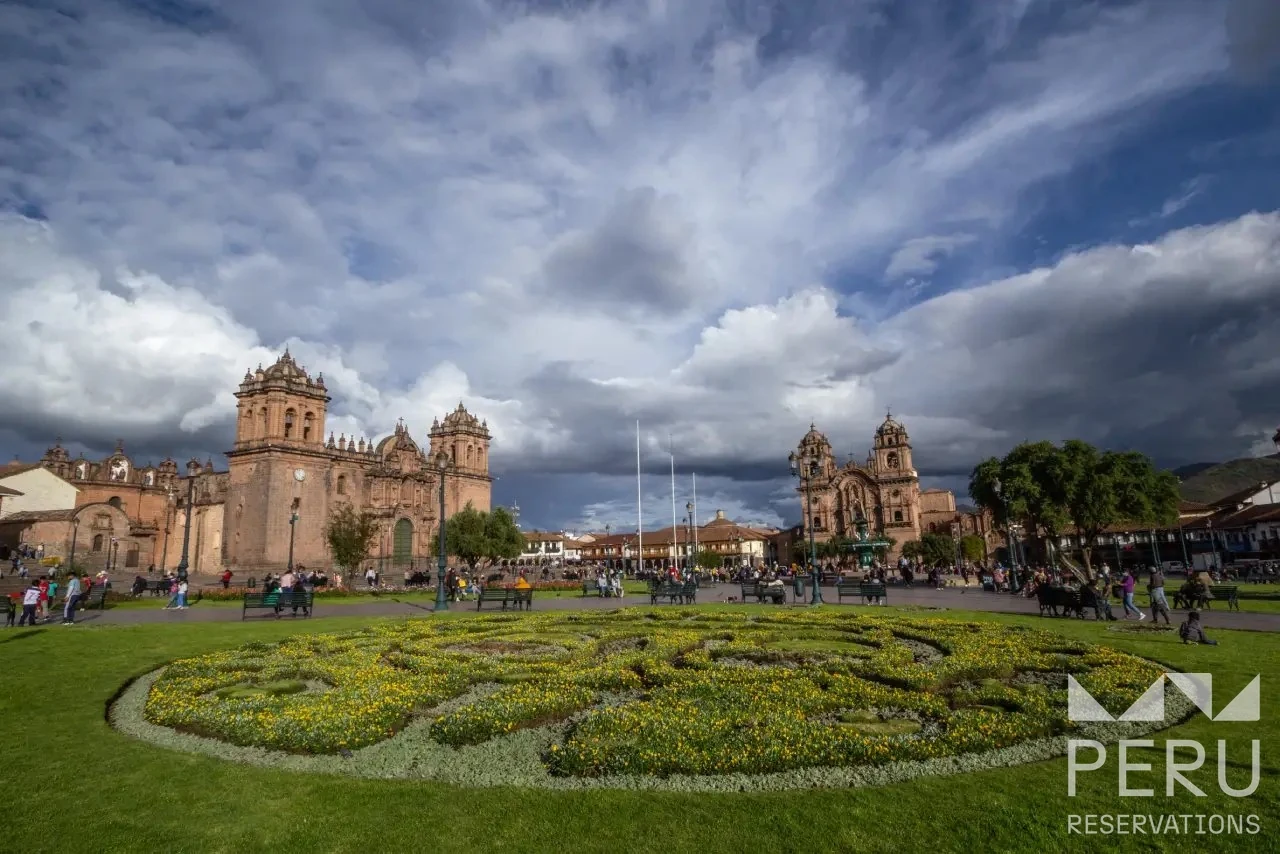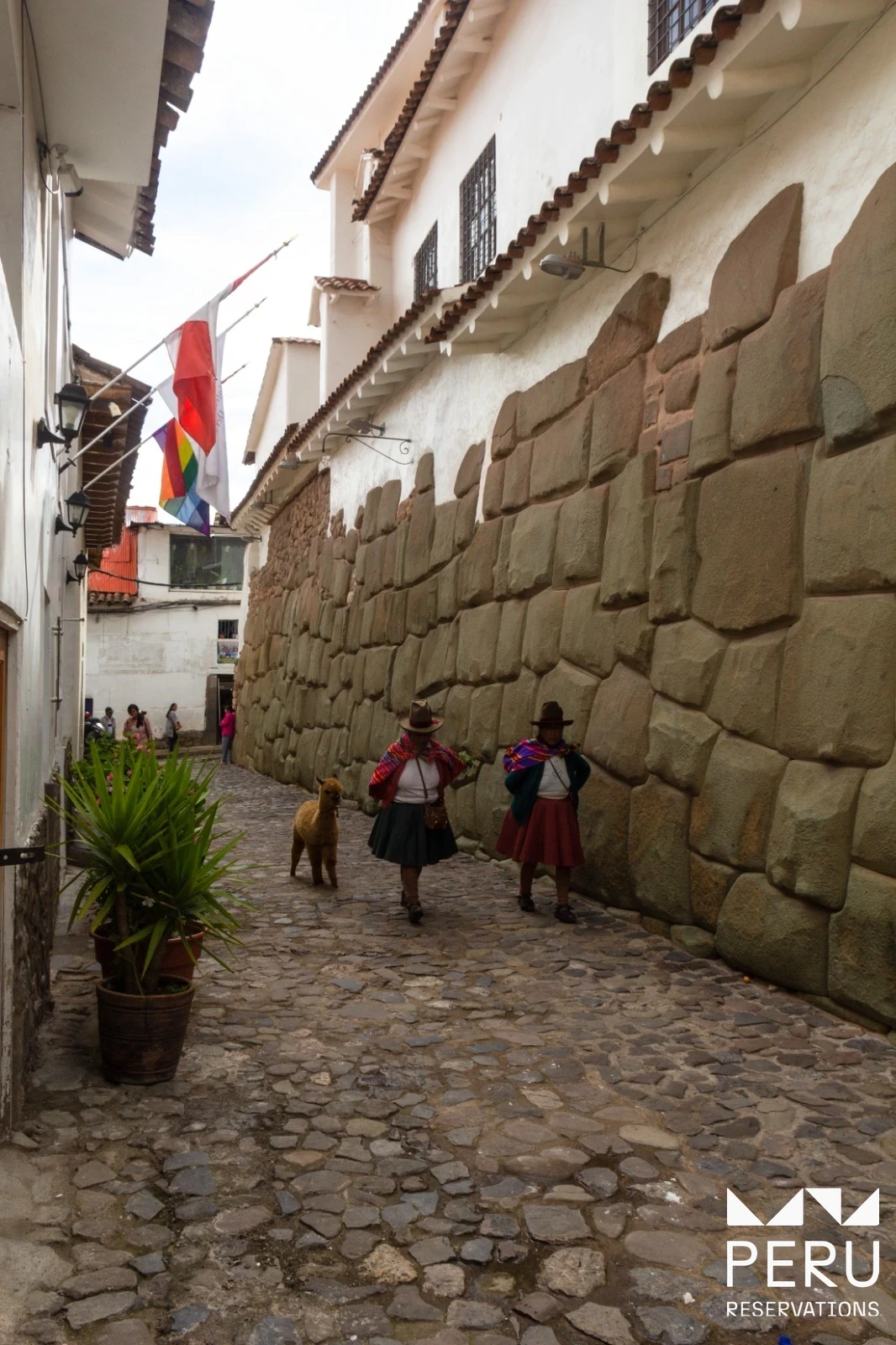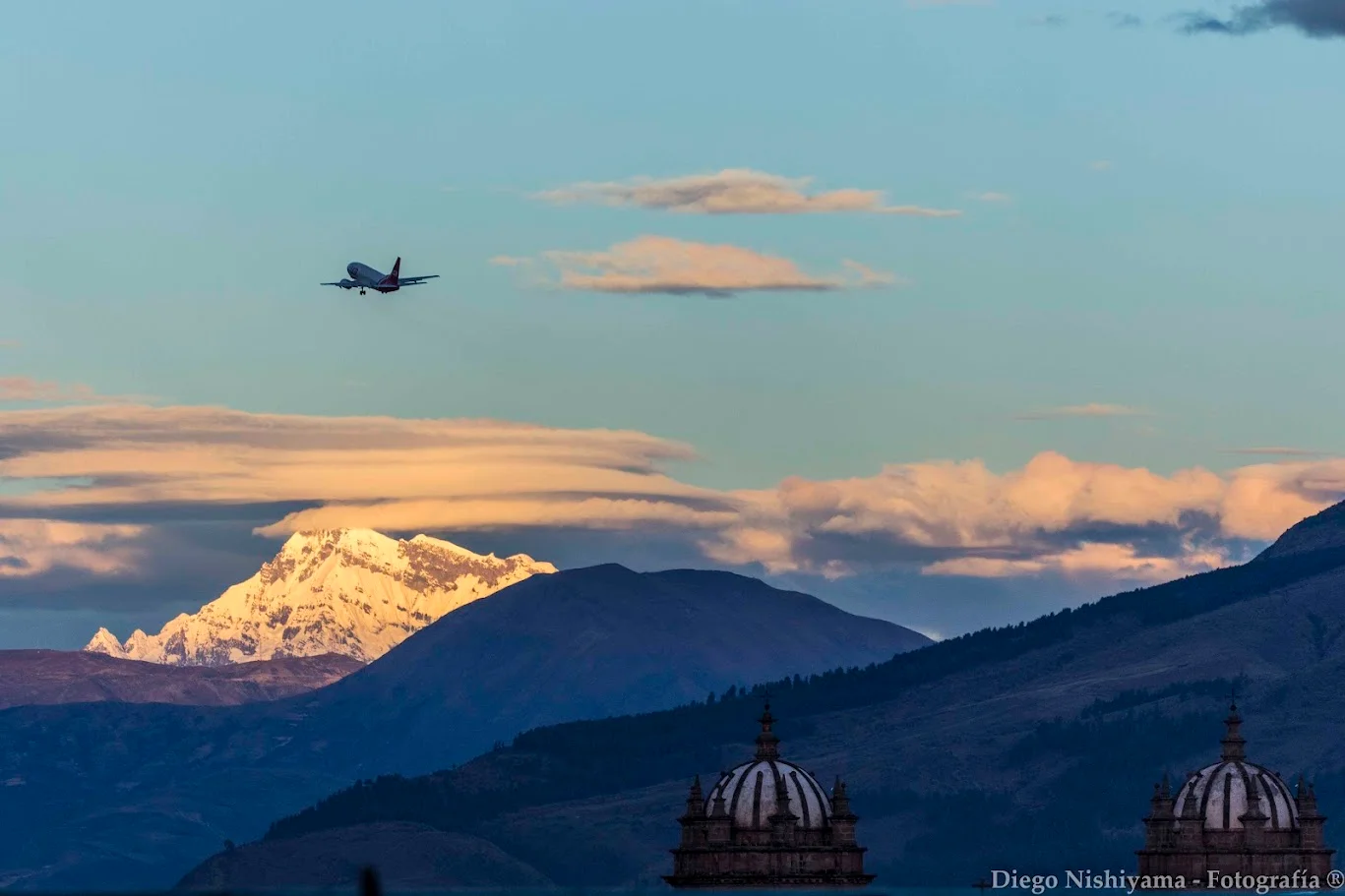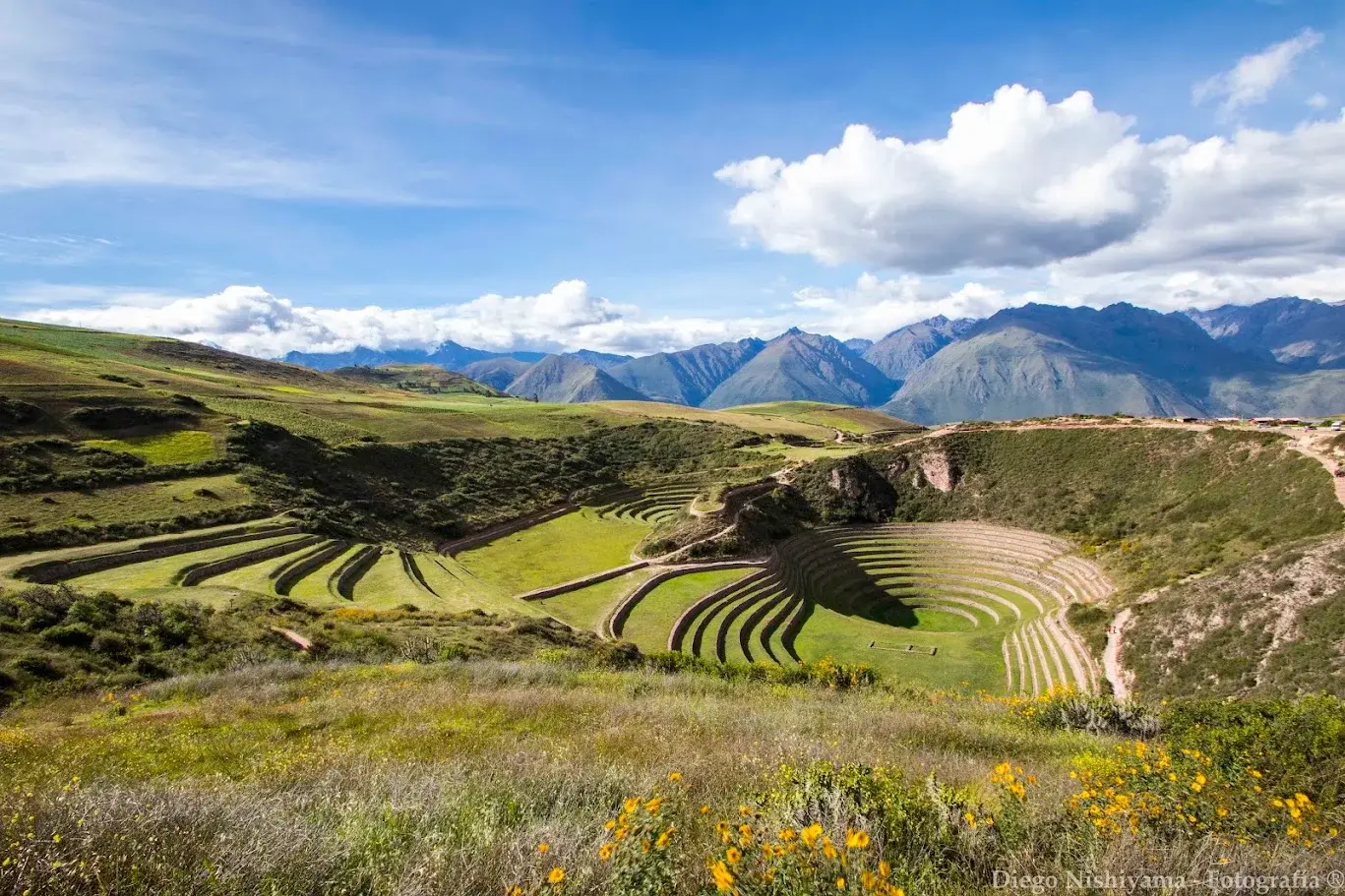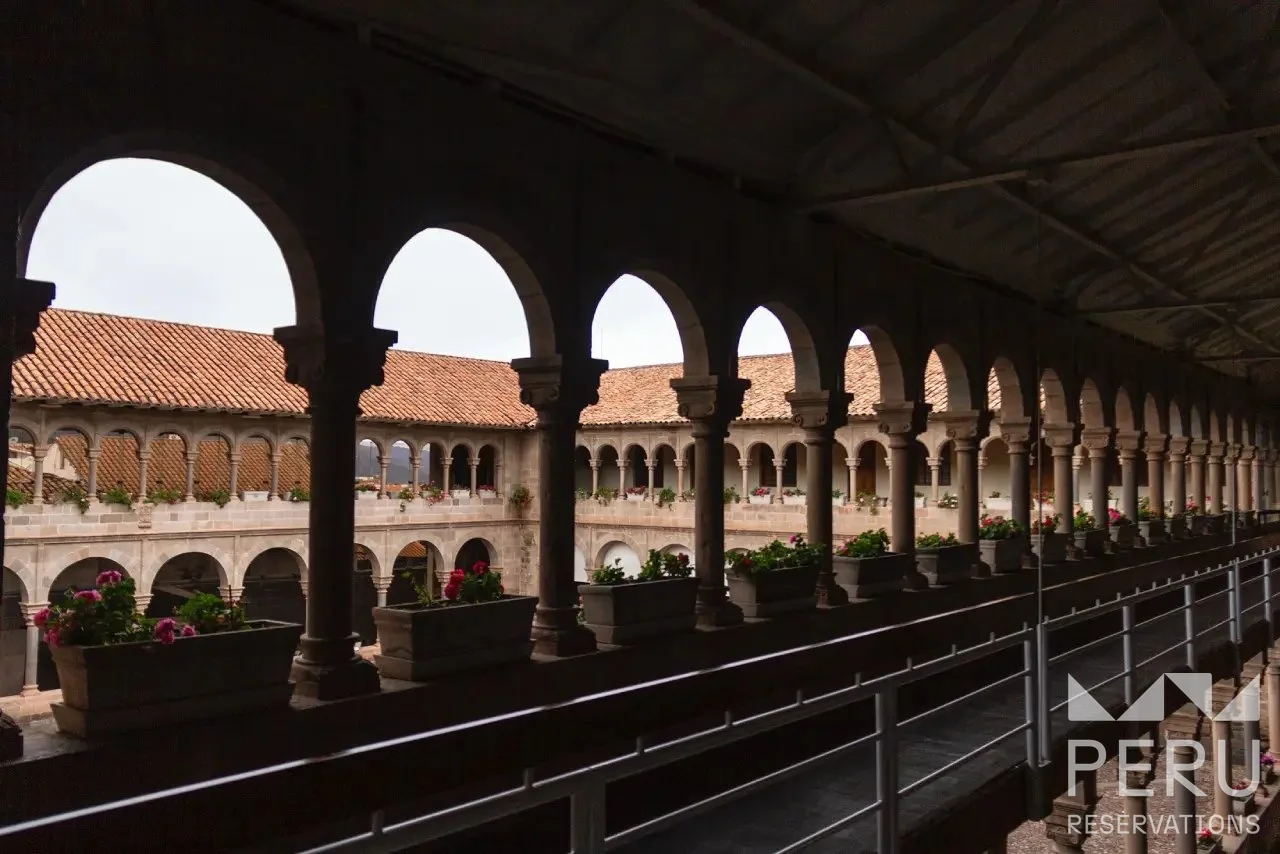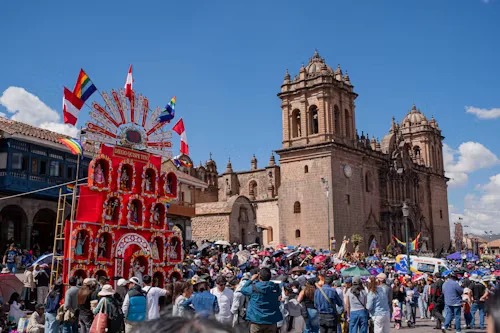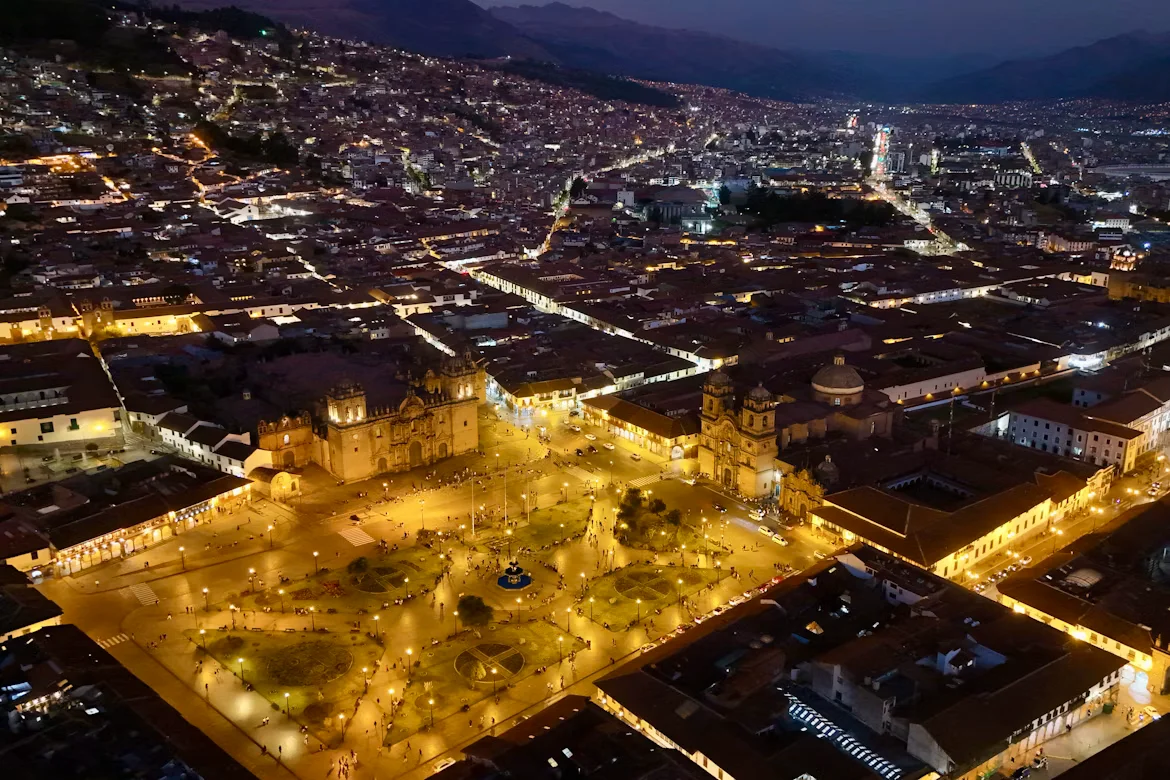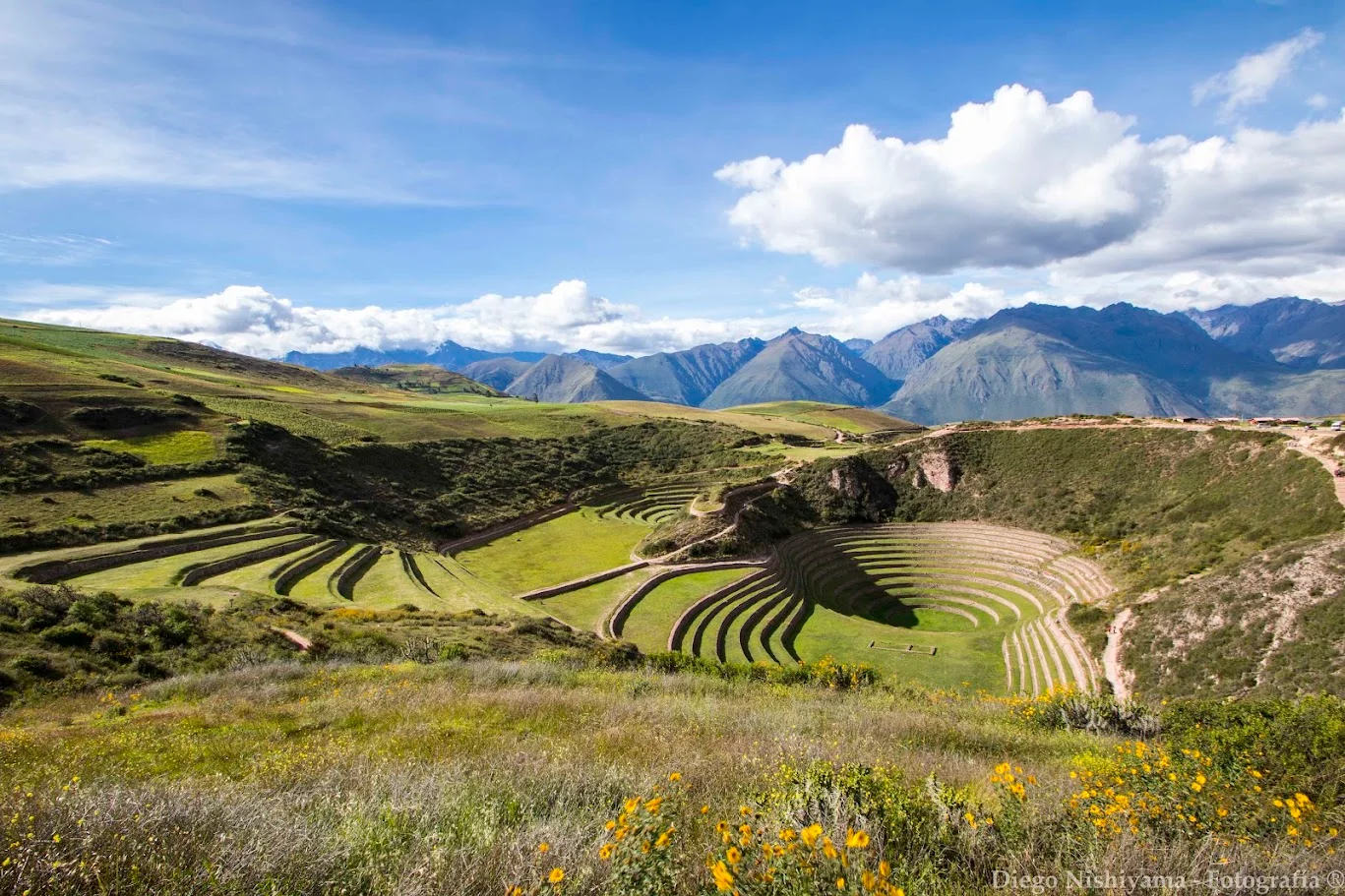
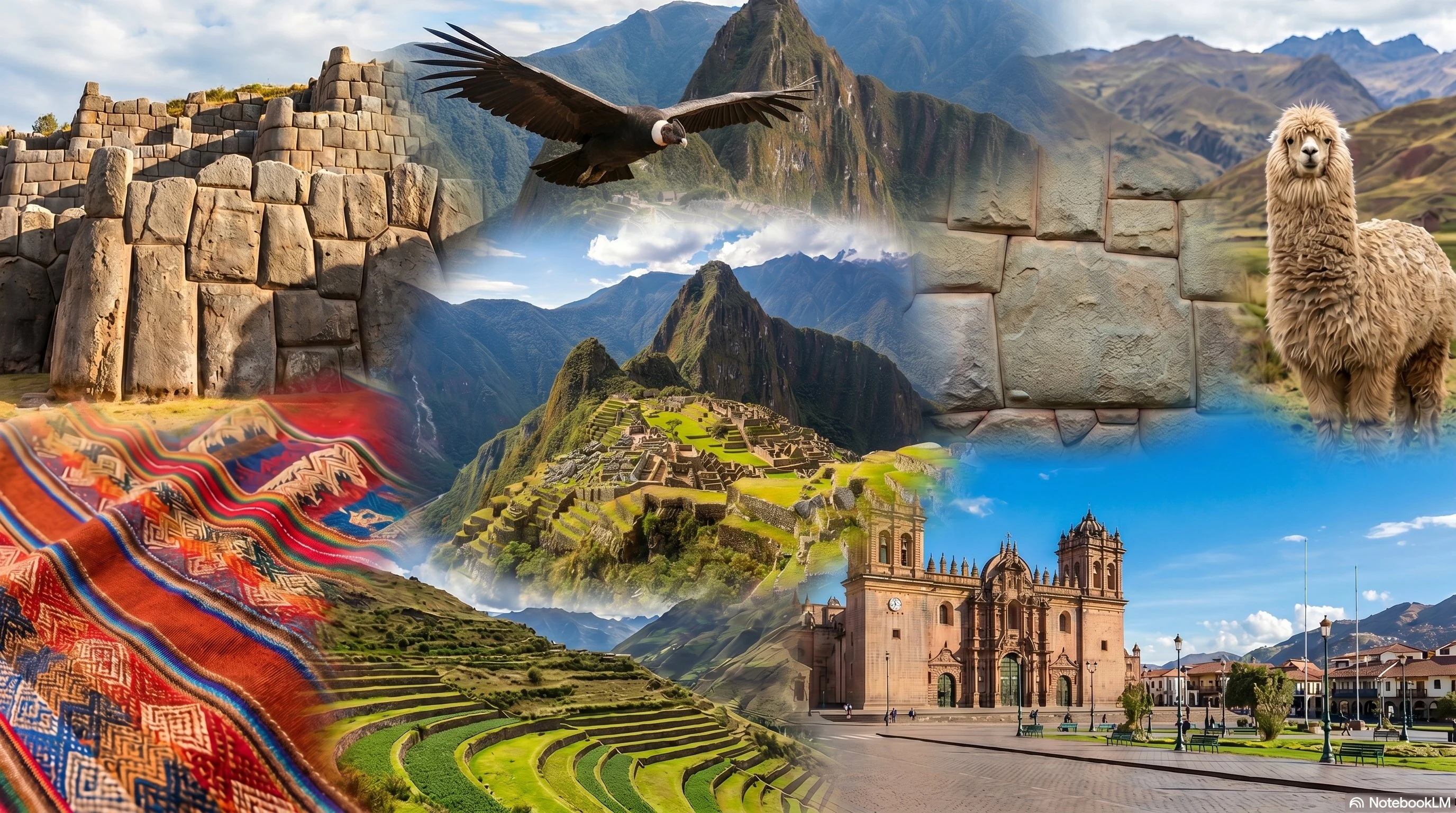
Cusco, perched at 3,400 meters in the high Peruvian Andes, was the glorious imperial capital of Tawantinsuyu, the largest pre-Columbian empire in the Americas. Today, it remains a living open-air museum where ancient Inca stone foundations seamlessly support elegant Spanish colonial churches and baroque palaces.
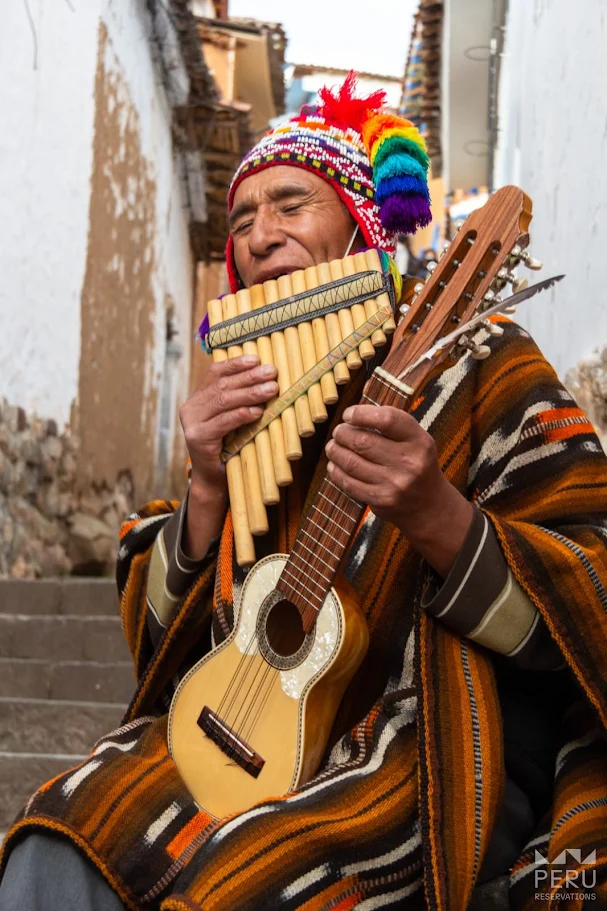
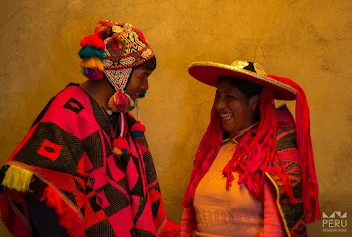
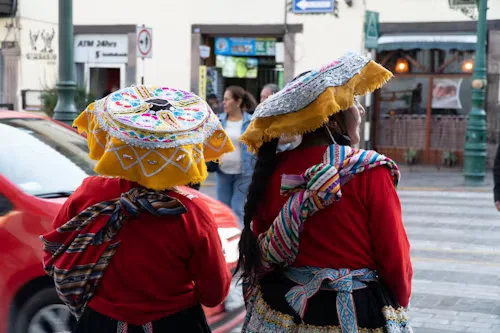
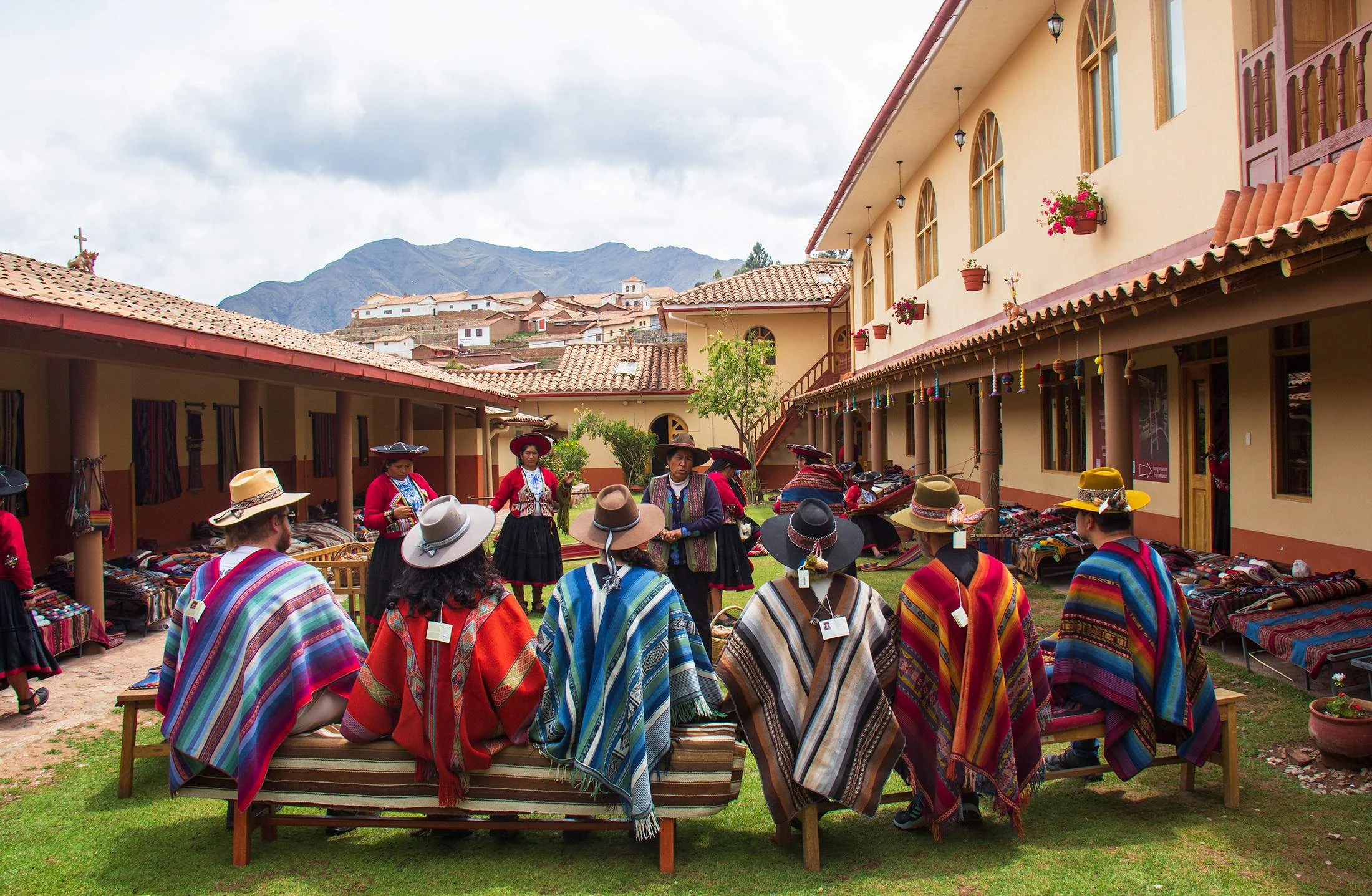
Walking through Cusco's historic streets reveals a vibrant fusion of living traditions, where native Quechua is spoken alongside Spanish in bustling open markets like San Pedro. Ancestral weaving, sacred mountain rituals, and vibrant Andean festivals continue to thrive in daily urban life amidst colonial plazas.
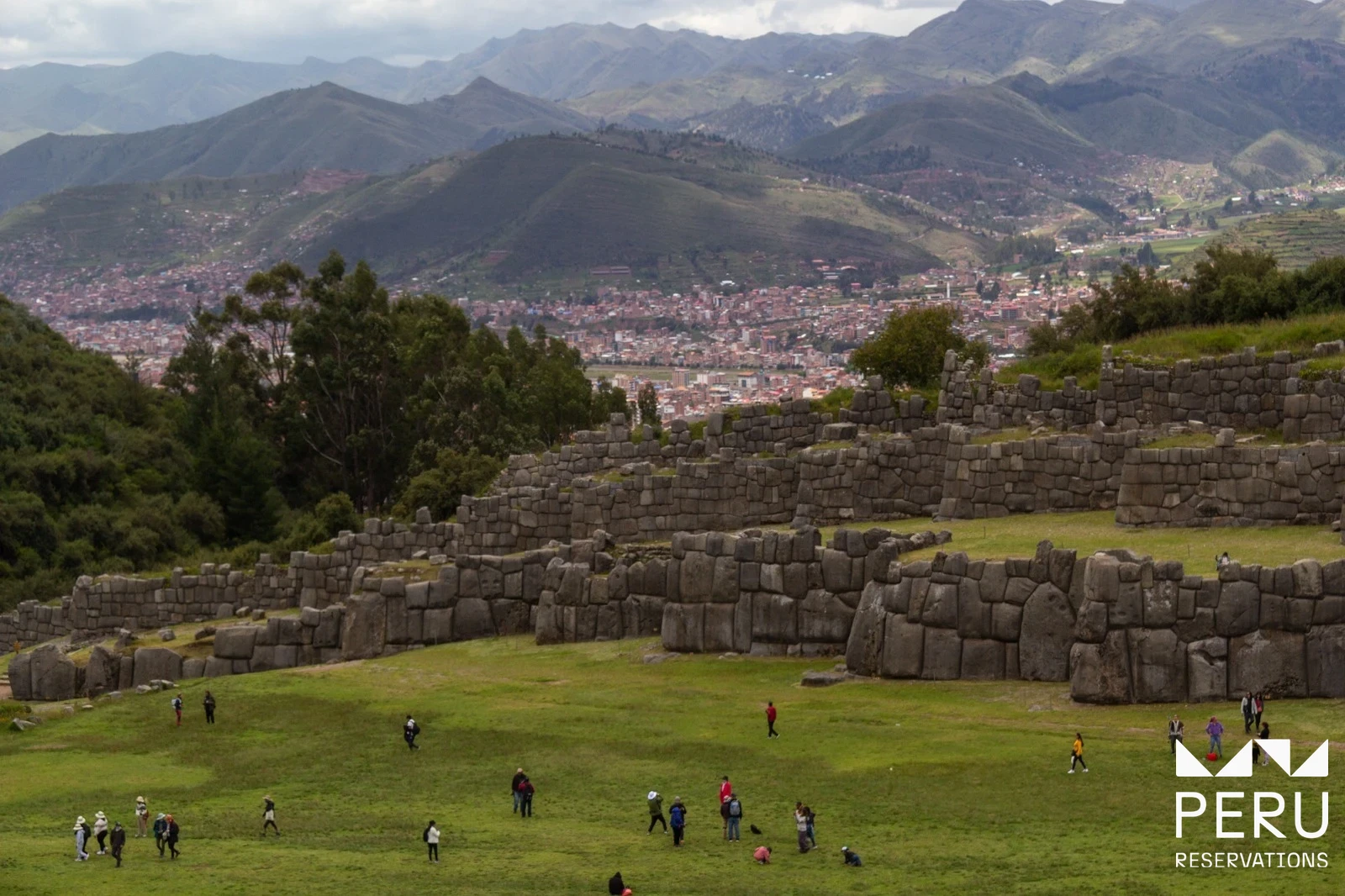
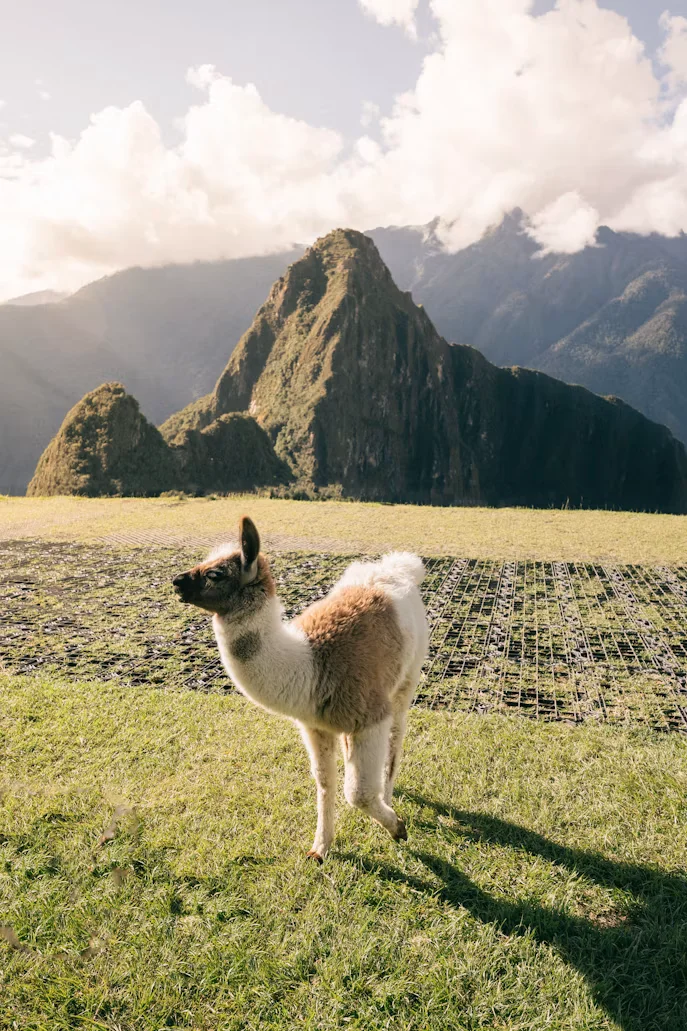
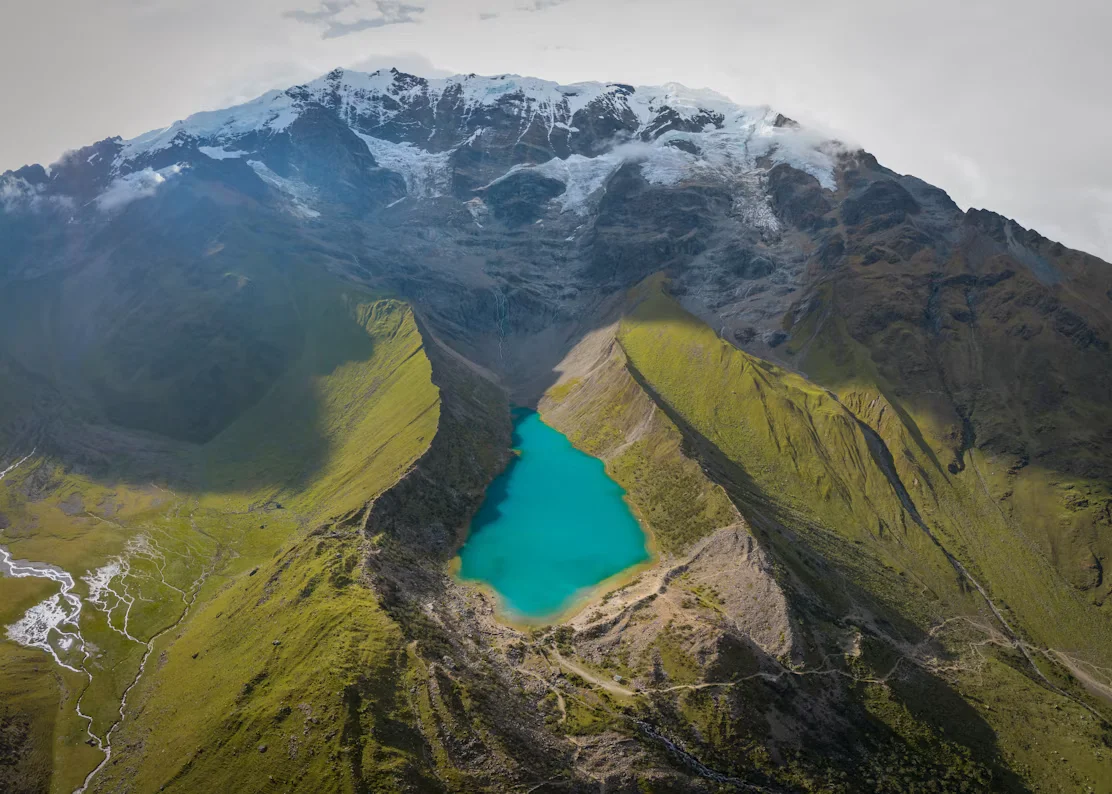
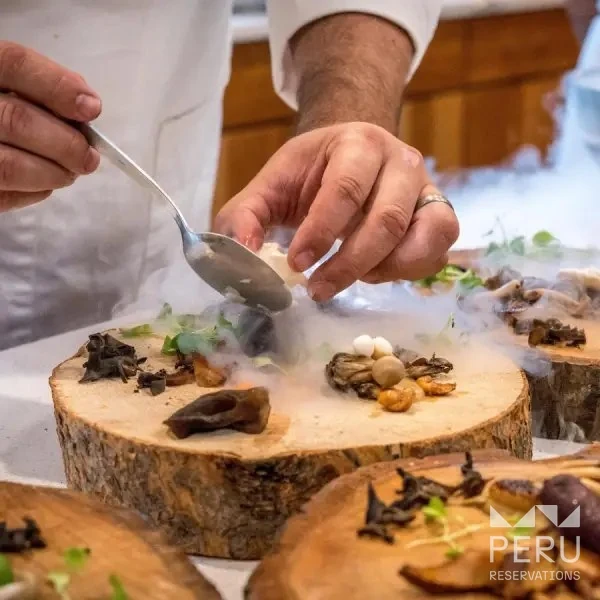
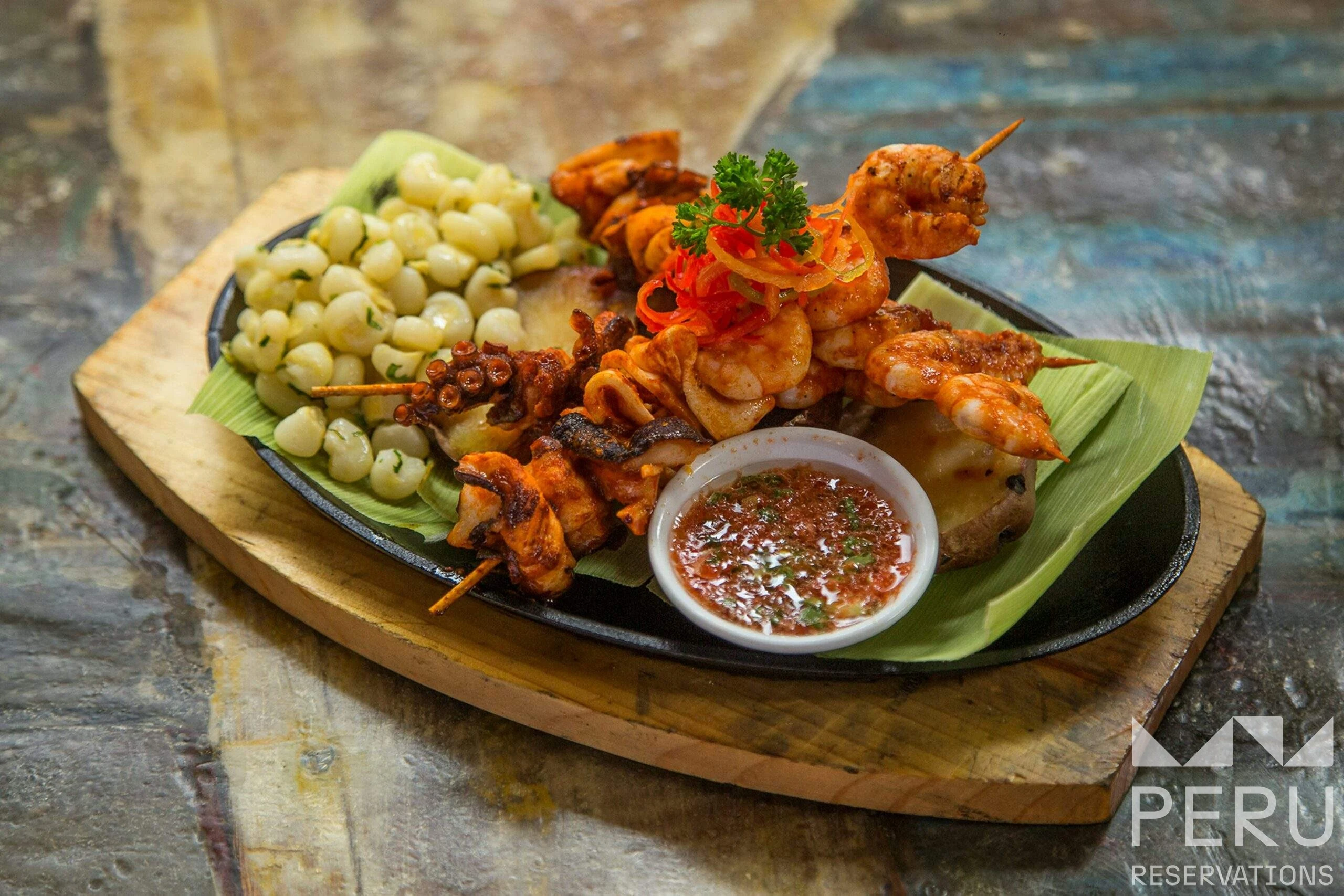
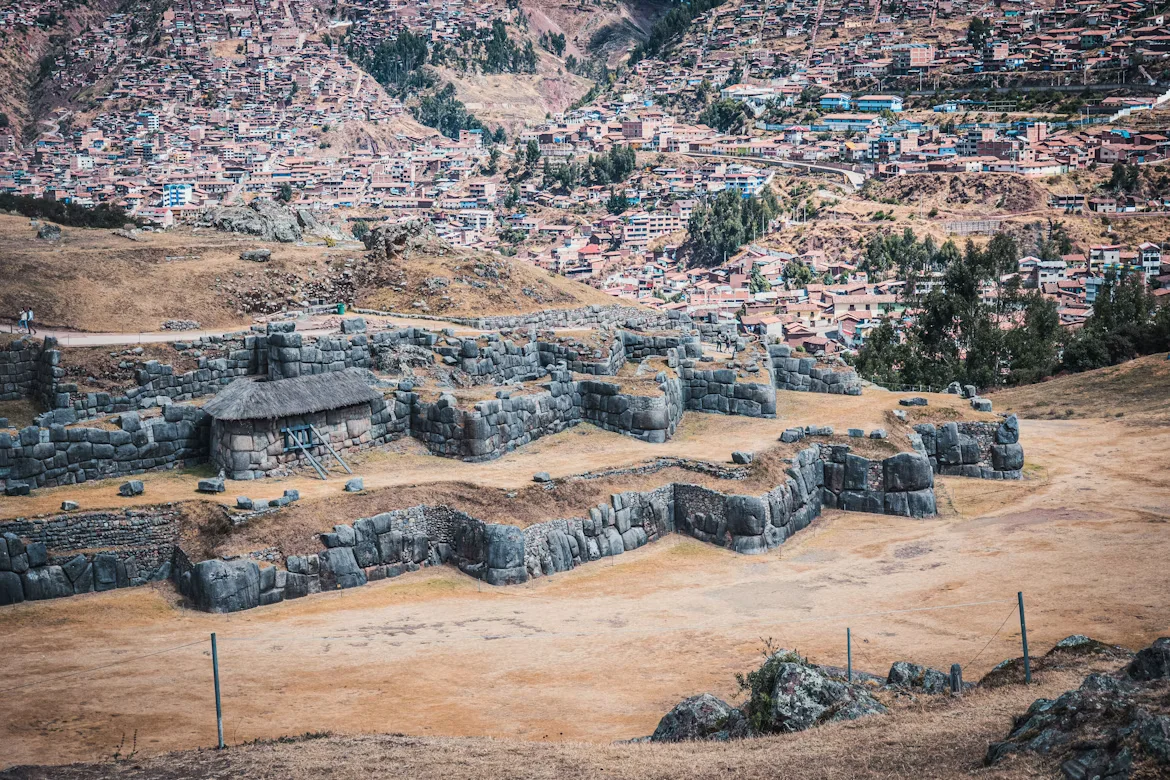
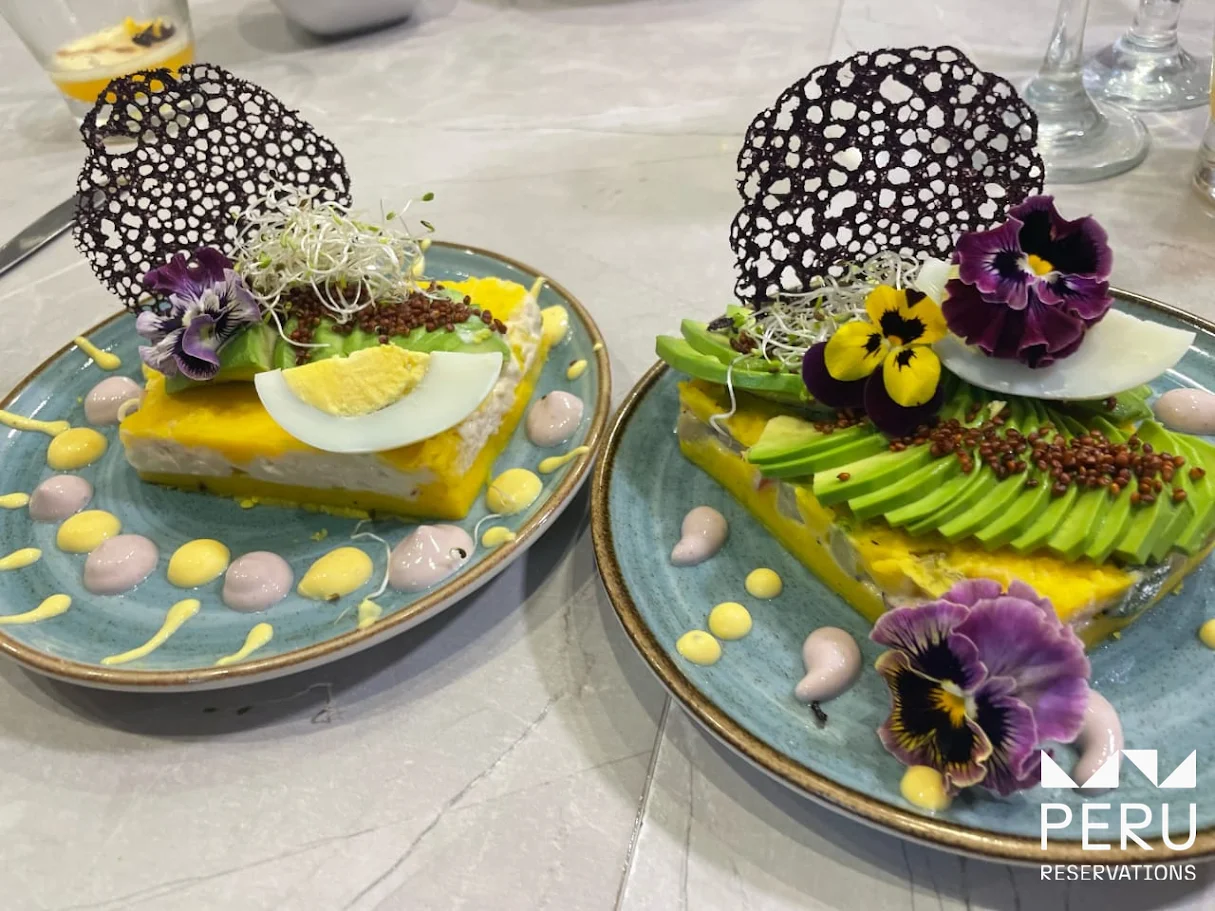
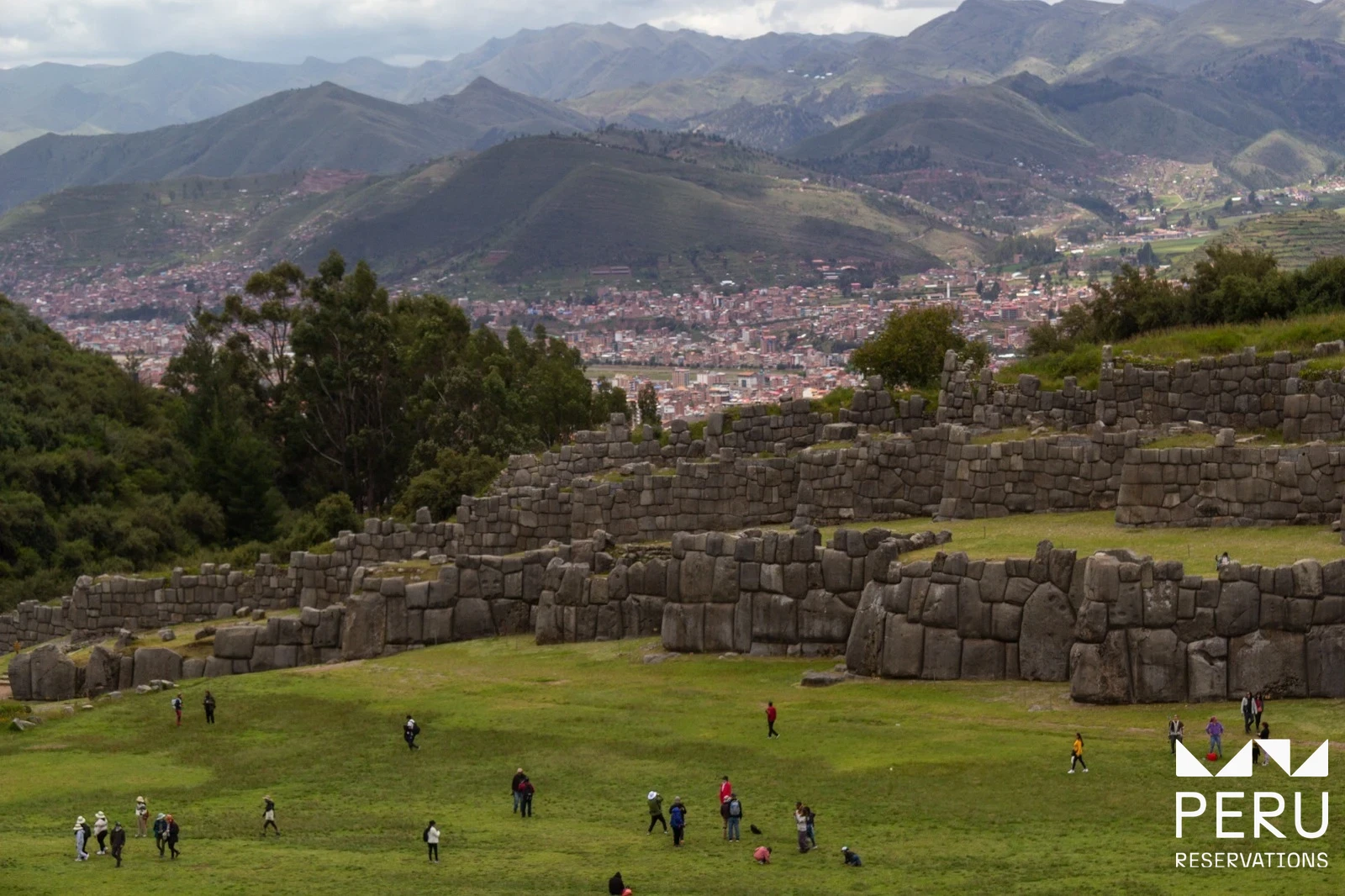
As the primary historical gateway to Machu Picchu and the Sacred Valley of the Incas, Cusco invites explorers to acclimatize while discovering monumental fortresses like Sacsayhuamán. Its cobblestone alleys, artisan quarters, and world-class regional gastronomy make it South America's premier cultural destination.