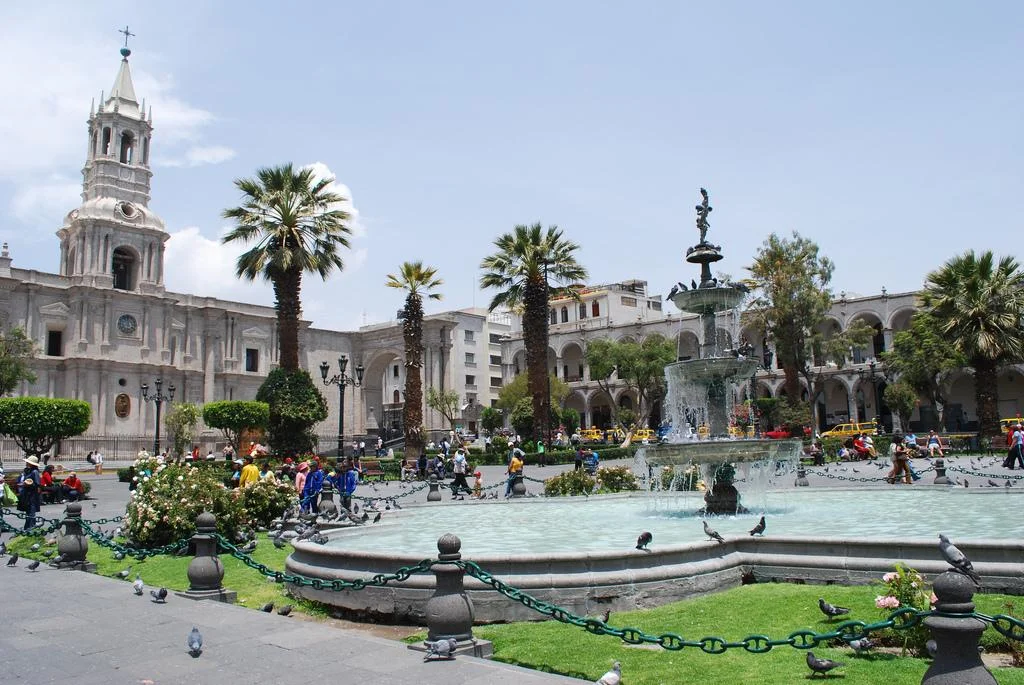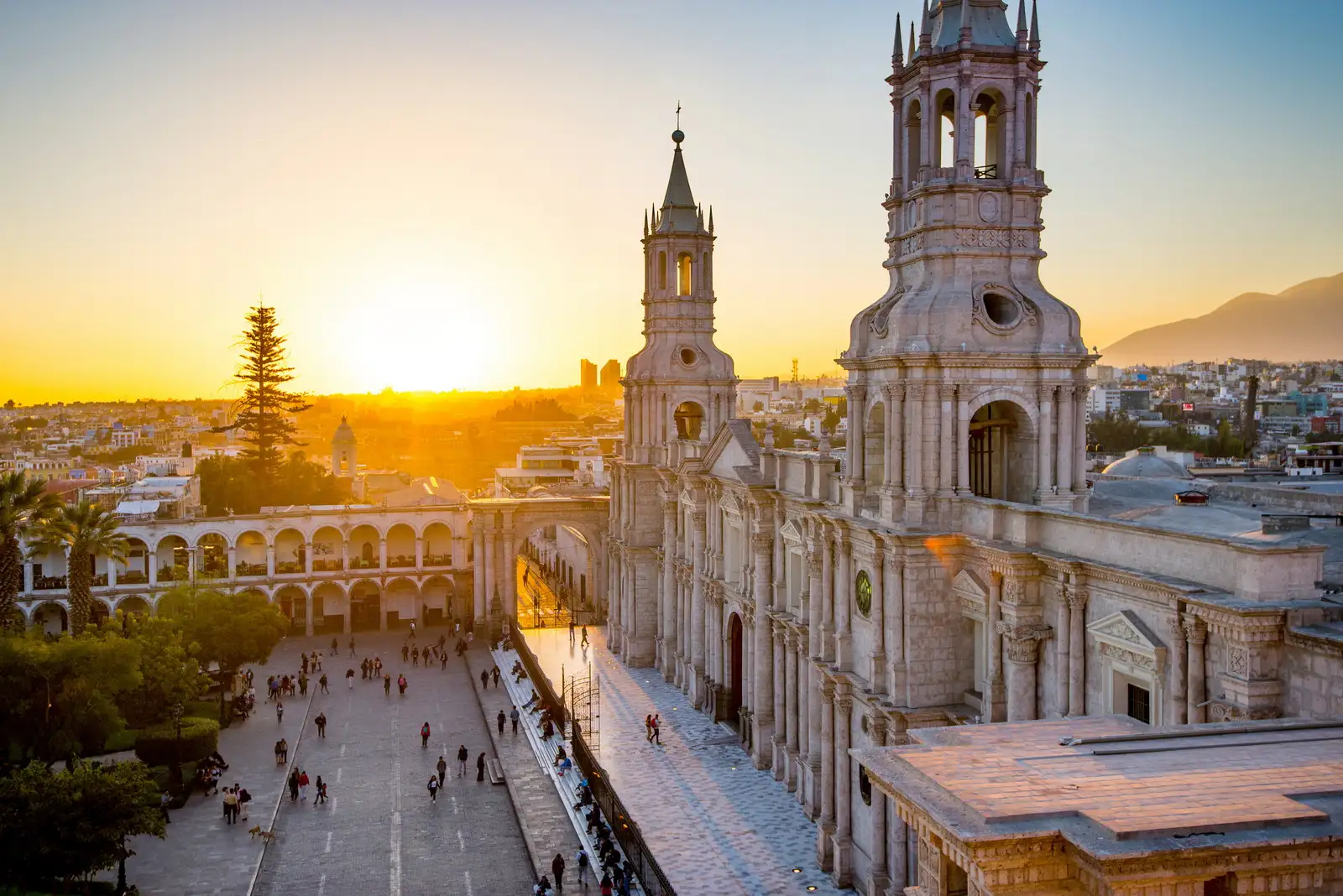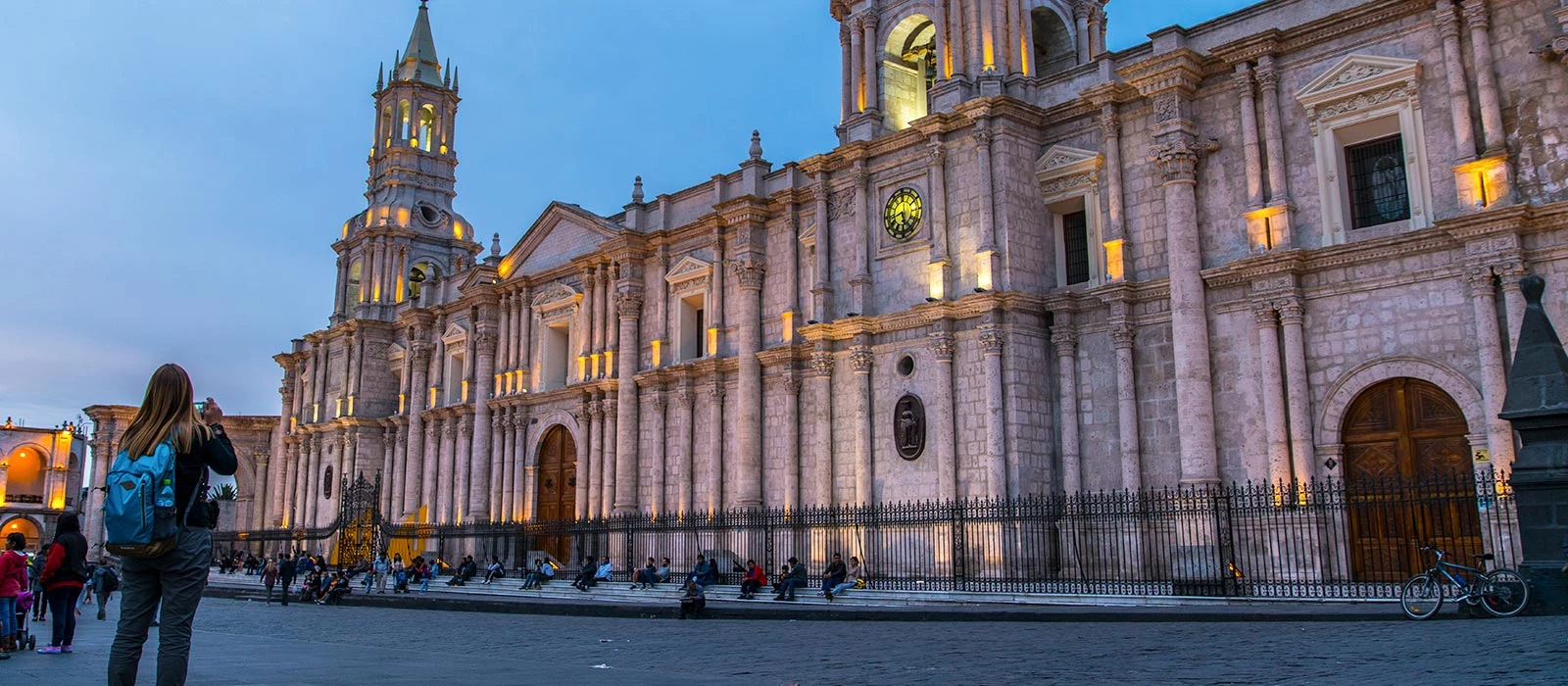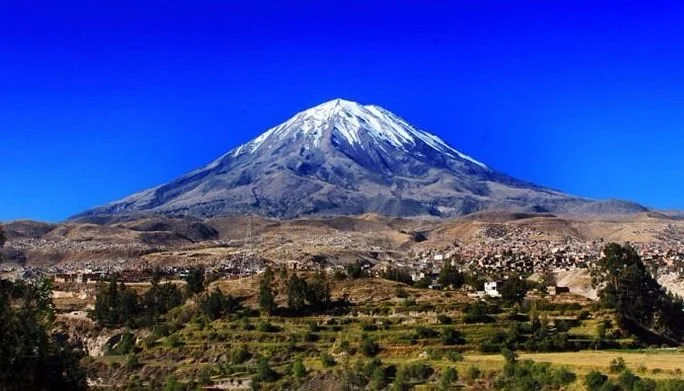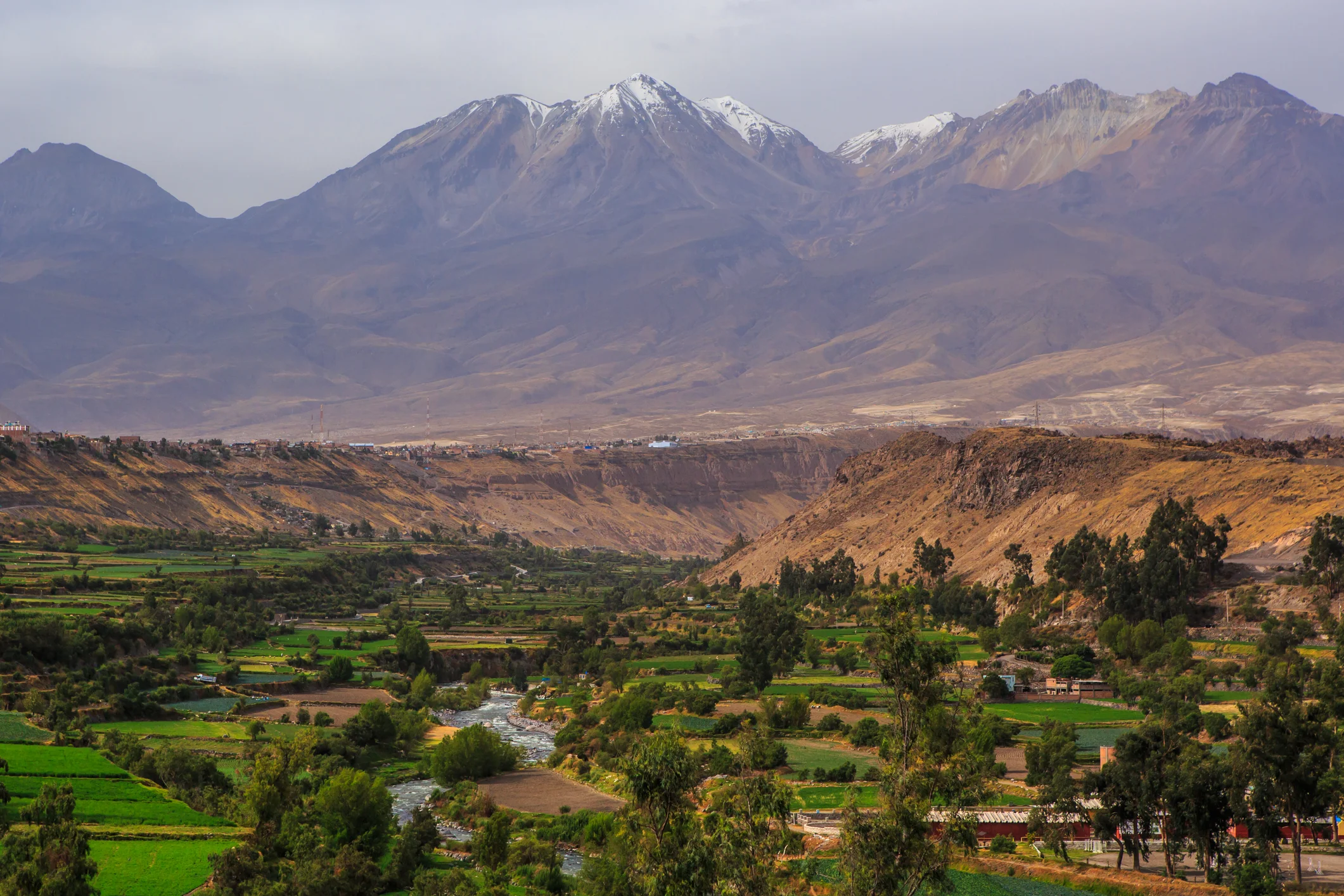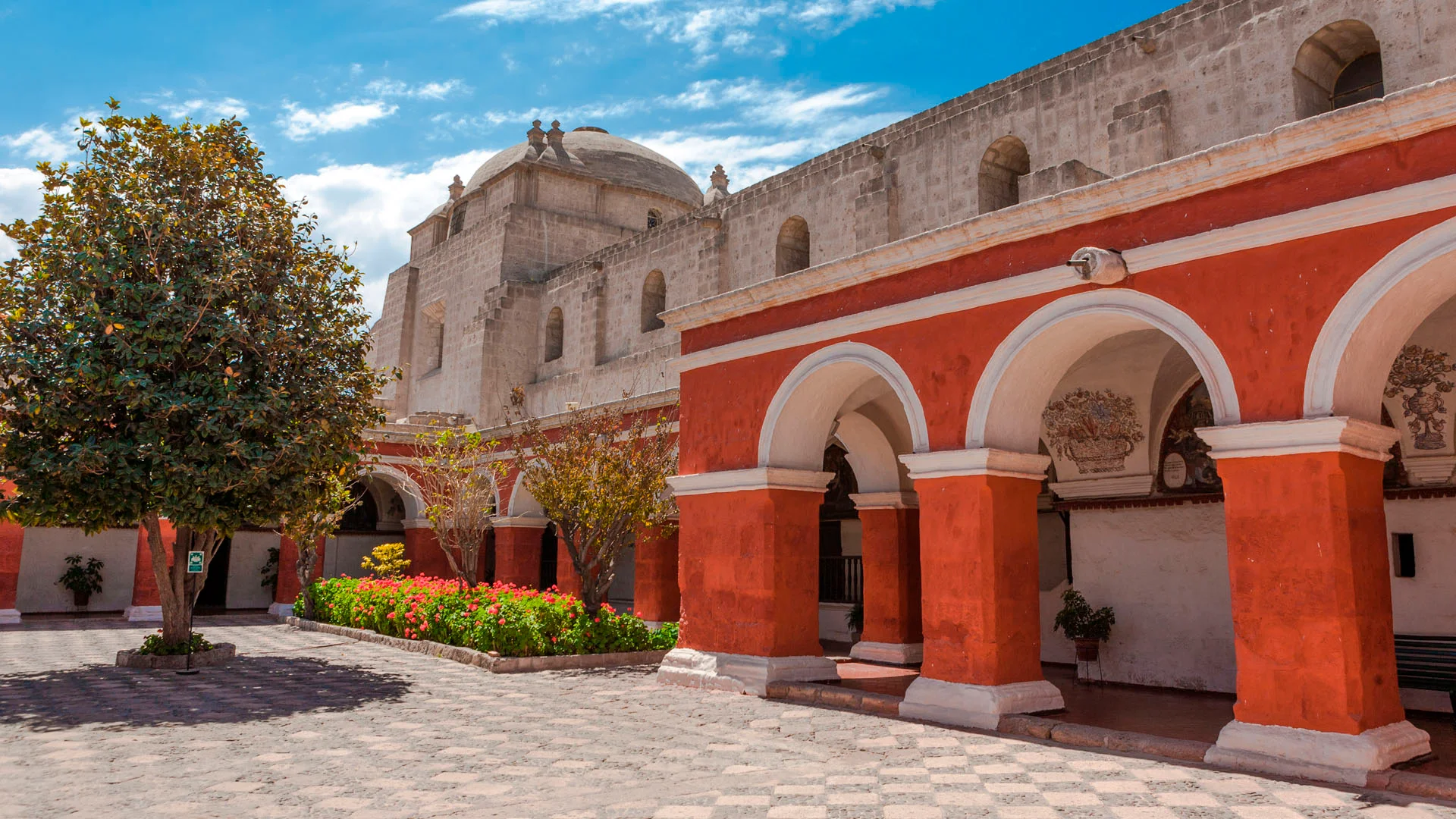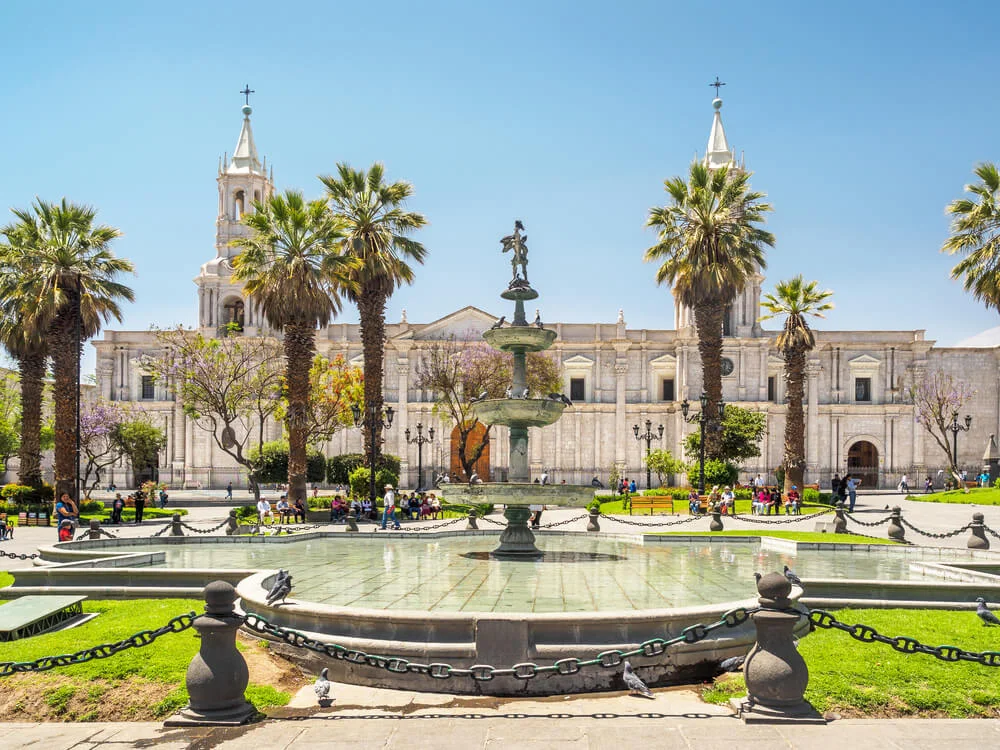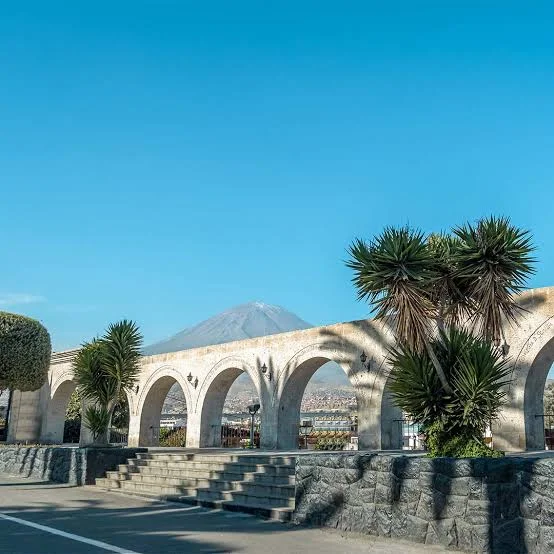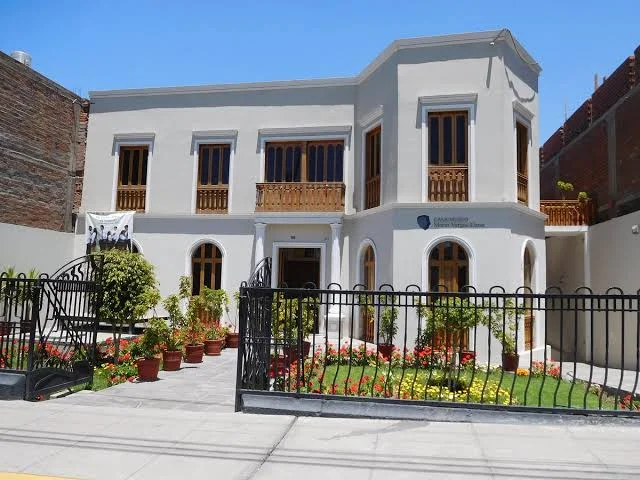

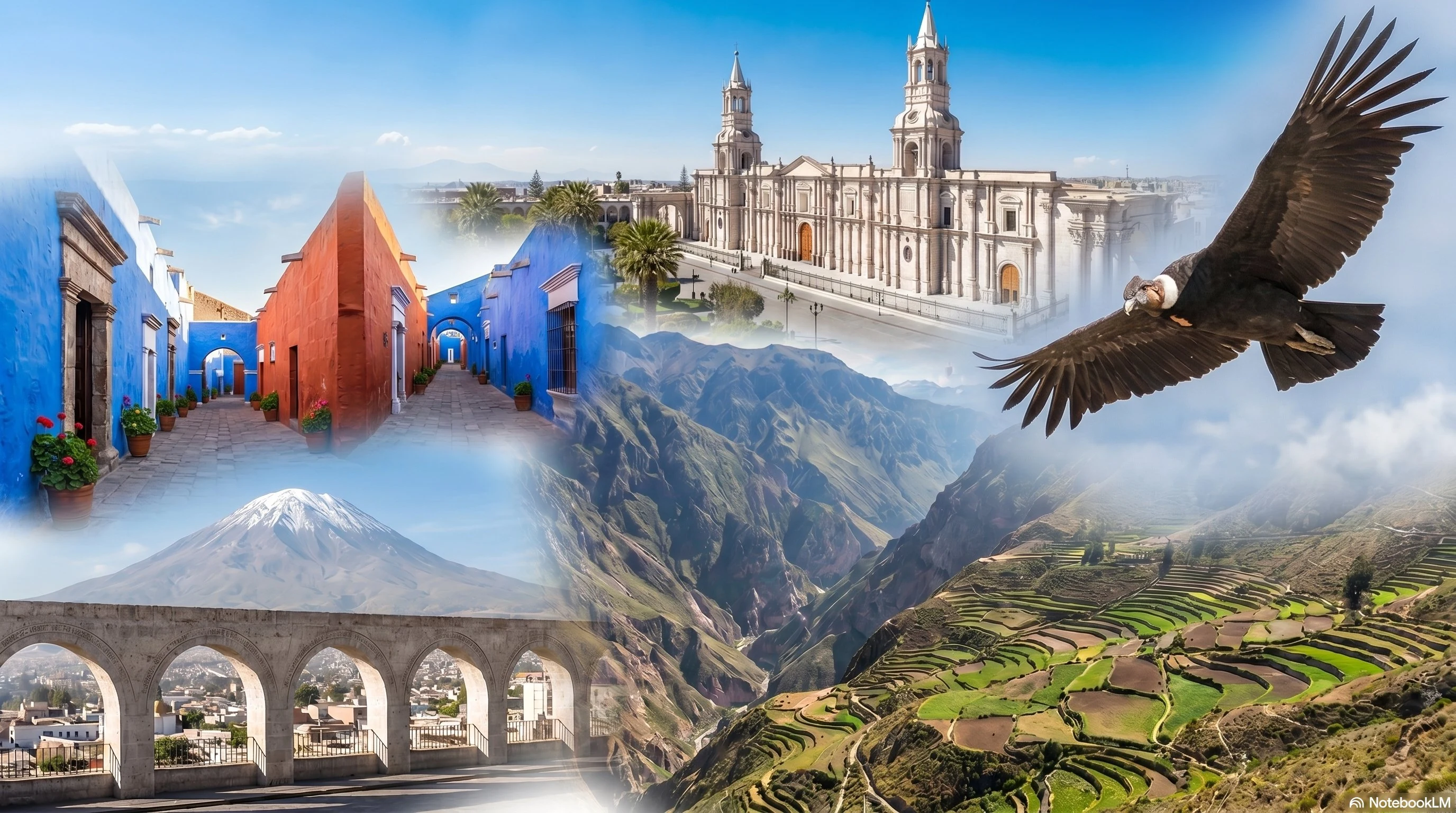
Arequipa, Peru's second-largest city, is situated at 2,335 meters above sea level in a fertile valley framed by three majestic volcanic peaks: El Misti, Chachani, and Pichu Pichu. Celebrated as the 'White City' for its historical architecture built from white volcanic sillar stone, it was declared a UNESCO World Heritage Site in 2000.
The city's vibrant historical core offers an exquisite blend of Spanish colonial elegance and native Andean artistry. Sun-drenched plazas, ancient arcades, and baroque monastical complexes reflect a unique architectural identity illuminated by over 300 days of annual sunshine, creating a warm and welcoming high-desert climate.
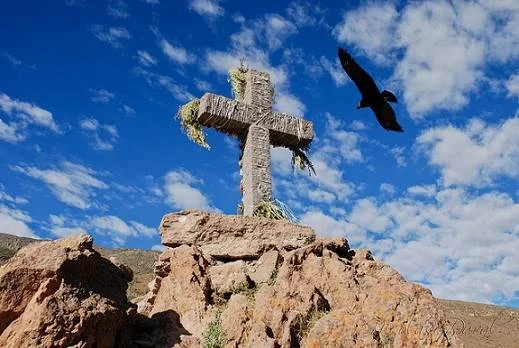
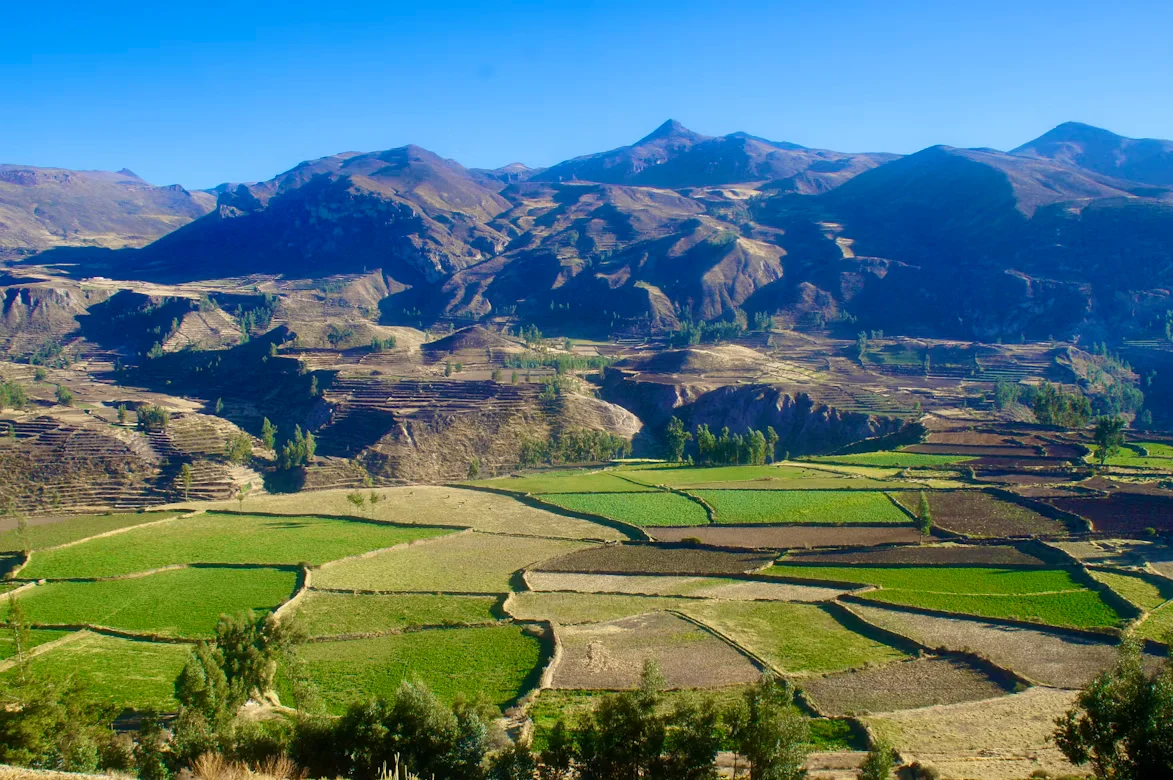
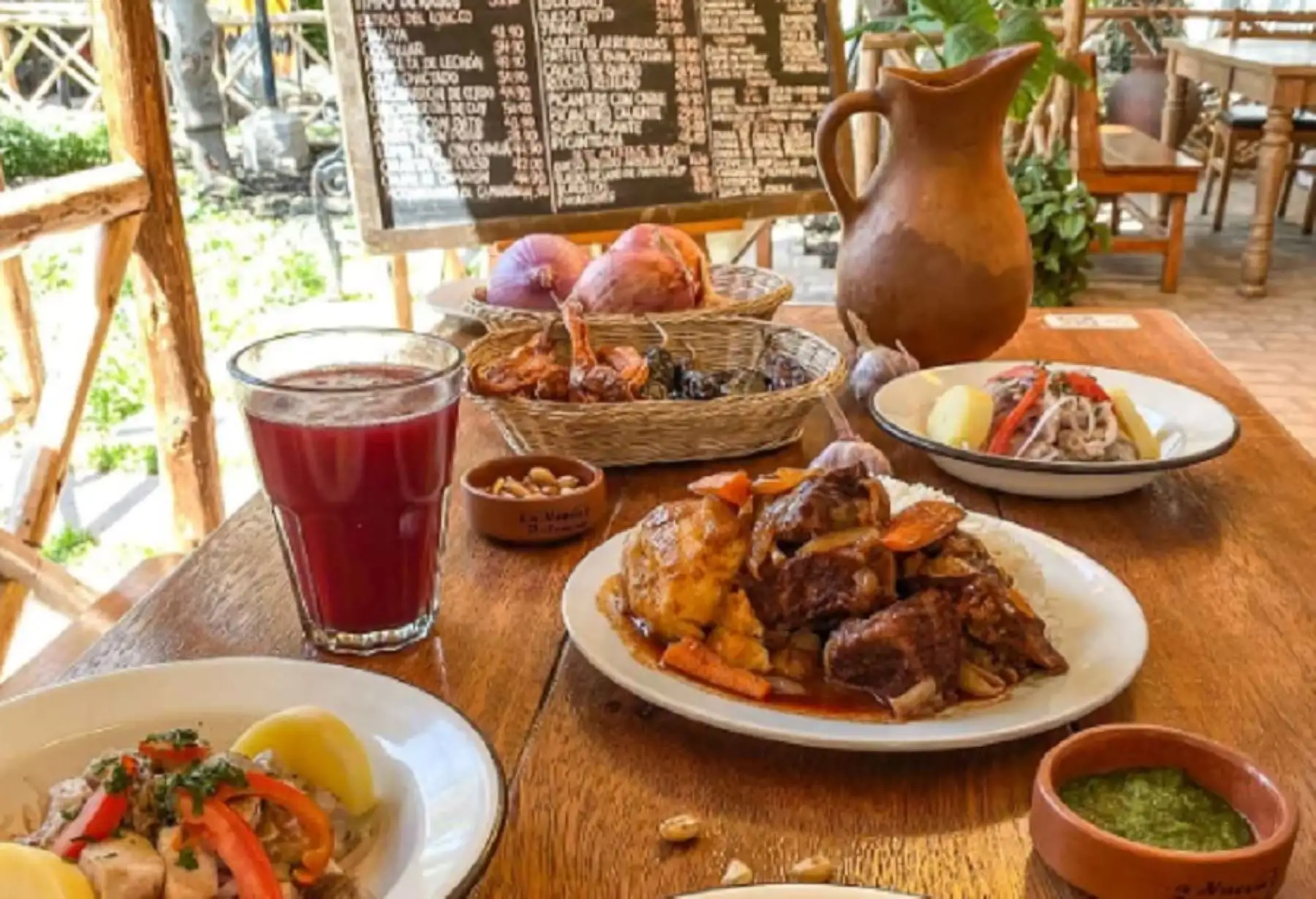
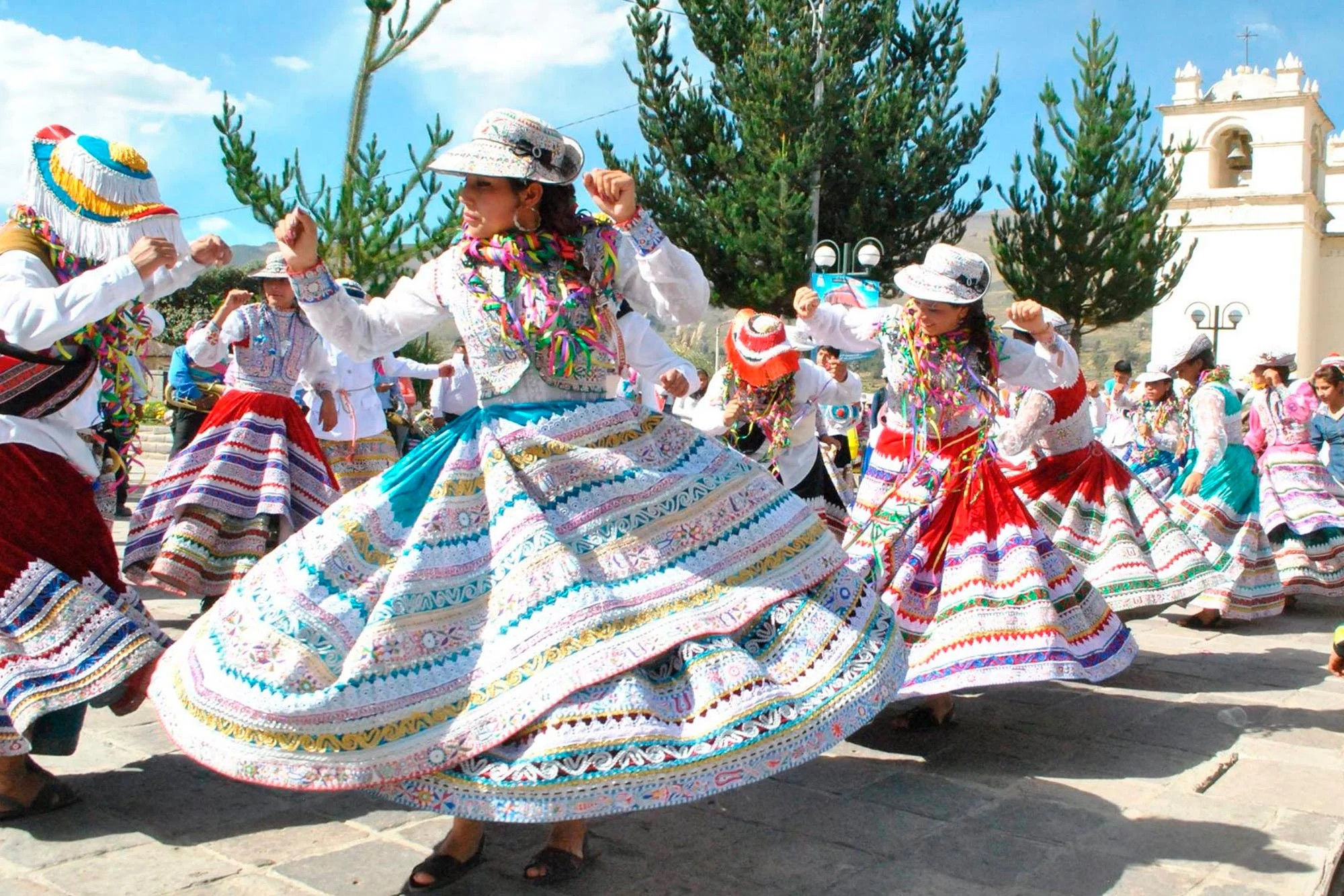
Beyond its urban charm, Arequipa serves as the principal gateway to the Colca Canyon, one of the deepest river canyons on Earth and the world's premier sanctuary for watching Andean condors soar. Its legendary regional gastronomy and proud cultural identity make it an indispensable stop on any Peruvian journey.