Peru Reservations
TRUSTED SITE
Amazon
World's Most Biodiverse Rainforest

The Peruvian Amazon — Heart of the Rainforest

Where pink dolphins swim alongside jungle lodges, macaws paint the sky, and biodiversity has no equal

Main HubsPuerto Maldonado, Iquitos, Pucallpa
ClimateHot & humid, 24–32°C year-round
AccessFlights from Lima/Cusco to Puerto Maldonado
ReserveTambopata, Manu National Park
Birds800+ species in Tambopata alone
RiversAmazon, Madre de Dios, Tambopata

Welcome to the Amazon

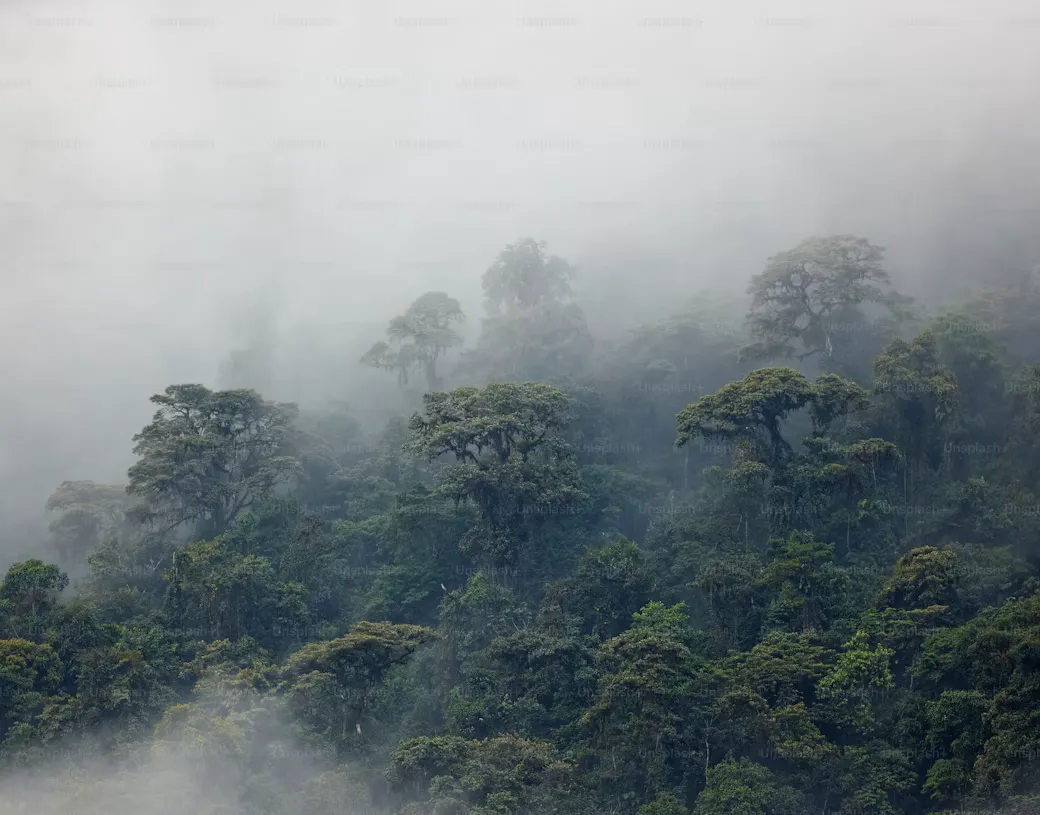
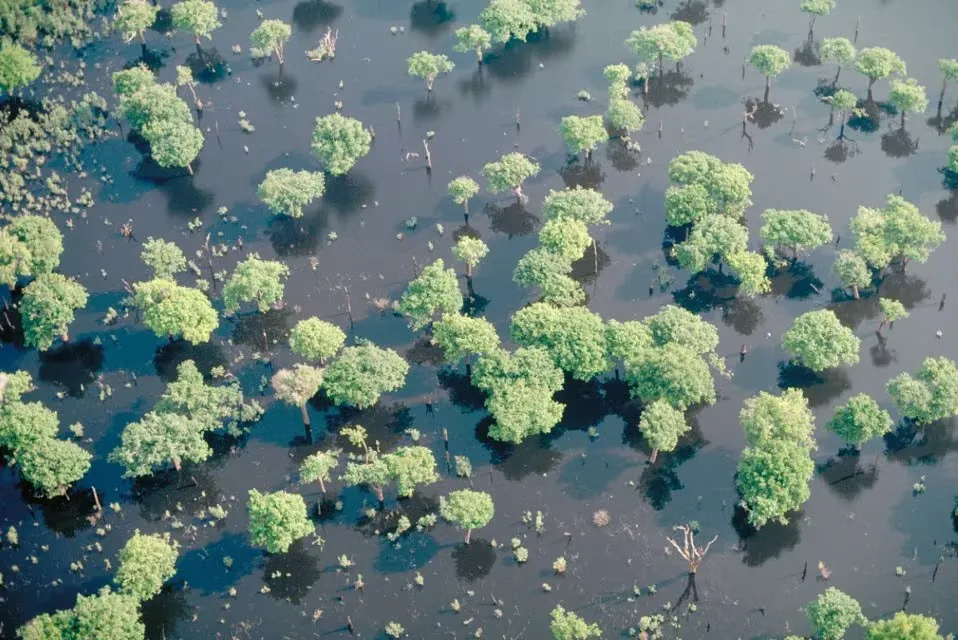
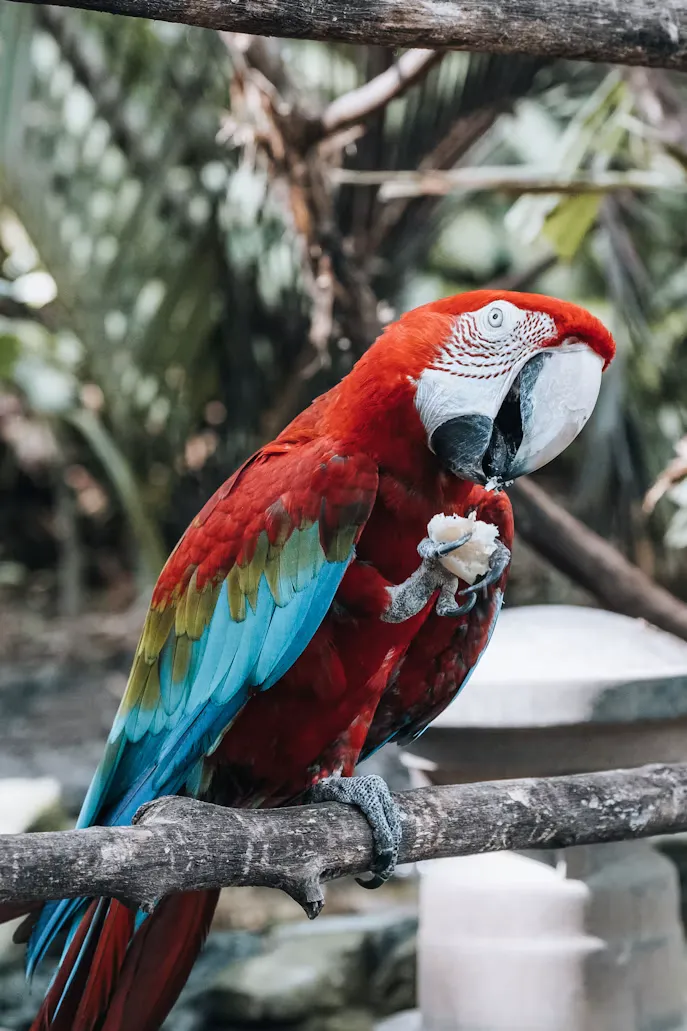
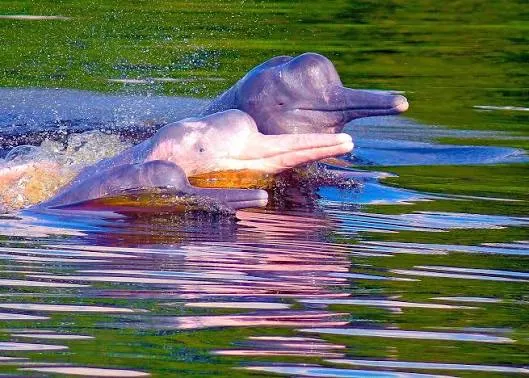
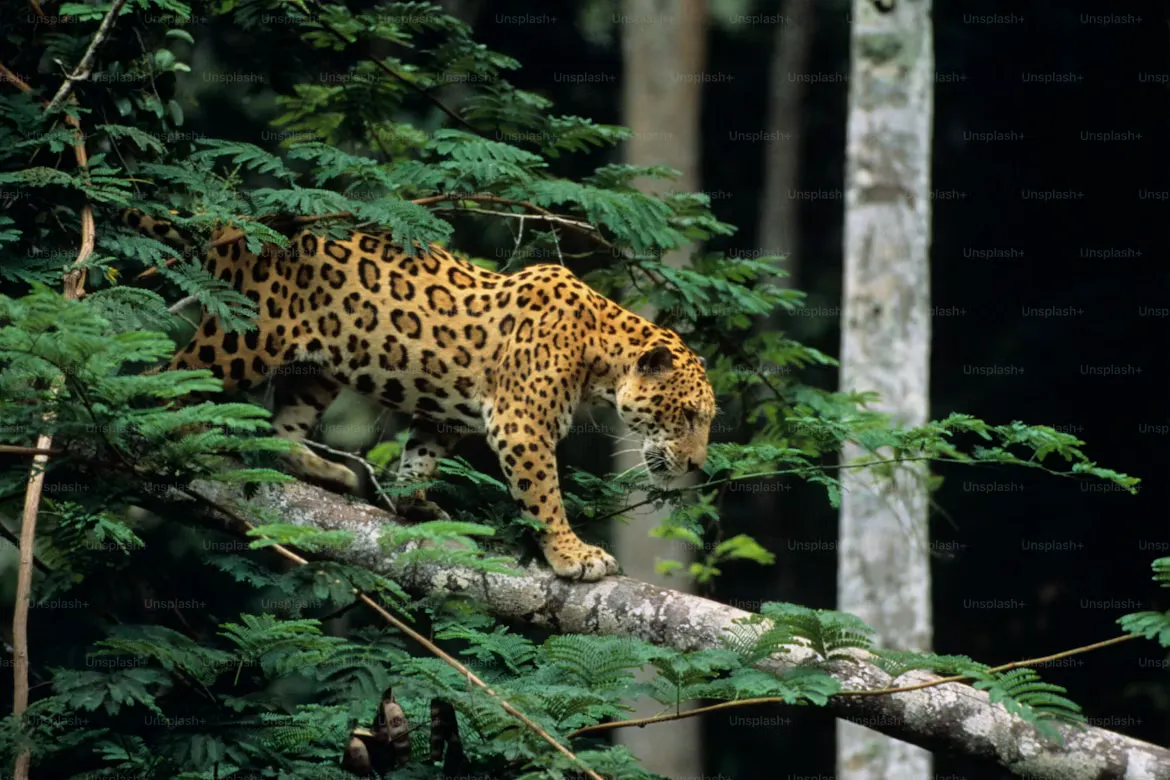
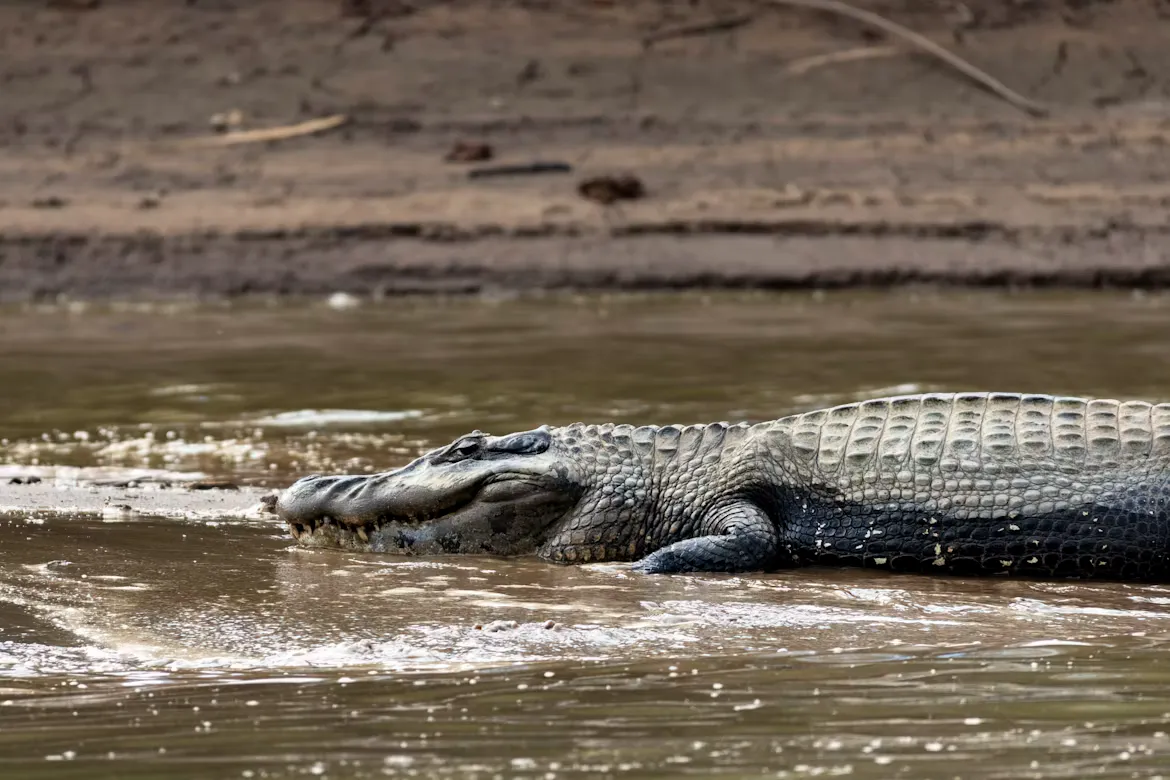
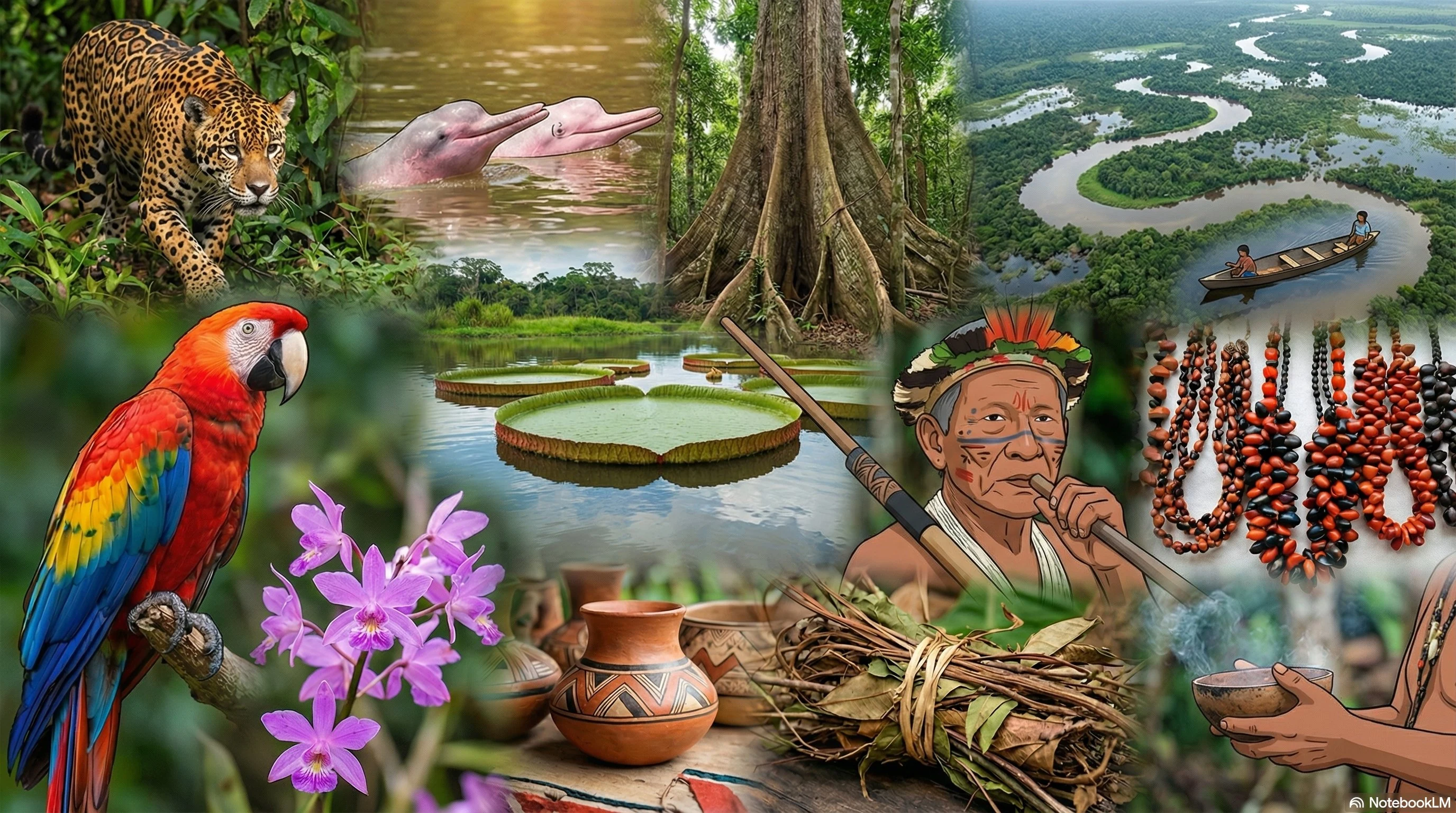
Peru contains 60% of the Amazon rainforest — one of Earth's most biodiverse ecosystems and the source of 20% of the world's freshwater. The Peruvian Amazon offers some of the most accessible and spectacular jungle experiences in South America, with primary rainforest still intact in protected areas like Manu National Park and Tambopata Reserve. Here you can see pink river dolphins, macaws, giant river otters, anacondas, caimans, and thousands of species of birds and insects.

Welcome to the Amazon

History

The Amazon has been home to human civilizations for at least 11,000 years. Archaeological evidence suggests that before European contact, the Amazon basin supported large, sophisticated societies with complex agriculture, extensive trade networks, and elaborate settlements. The 'terra preta' (dark earth) soils found throughout the Amazon are human-made — enriched by generations of indigenous people using charcoal, bone, and organic matter.

Spanish and Portuguese explorers first entered the Amazon in the 16th century. Francisco de Orellana's 1541-42 expedition was the first European navigation of the full length of the Amazon River. The rubber boom of the late 19th and early 20th centuries brought devastating exploitation to the Amazon, with indigenous populations decimated through forced labor and disease.

Today, Peru's Amazon is protected by a network of national parks and reserves, and numerous indigenous communities maintain their ancestral lands and traditional knowledge. Conservation organizations and ecotourism operators work to preserve the Amazon's extraordinary biodiversity.

History

Geography

The Peruvian Amazon encompasses the eastern two-thirds of the country and descends from the Andes through three distinct ecological zones: the high jungle (selva alta) between 400-1000m, the eyebrow of the jungle (ceja de selva) around 1000-3500m where cloud forests begin, and the low jungle (selva baja) below 400m where the flat Amazon basin begins.

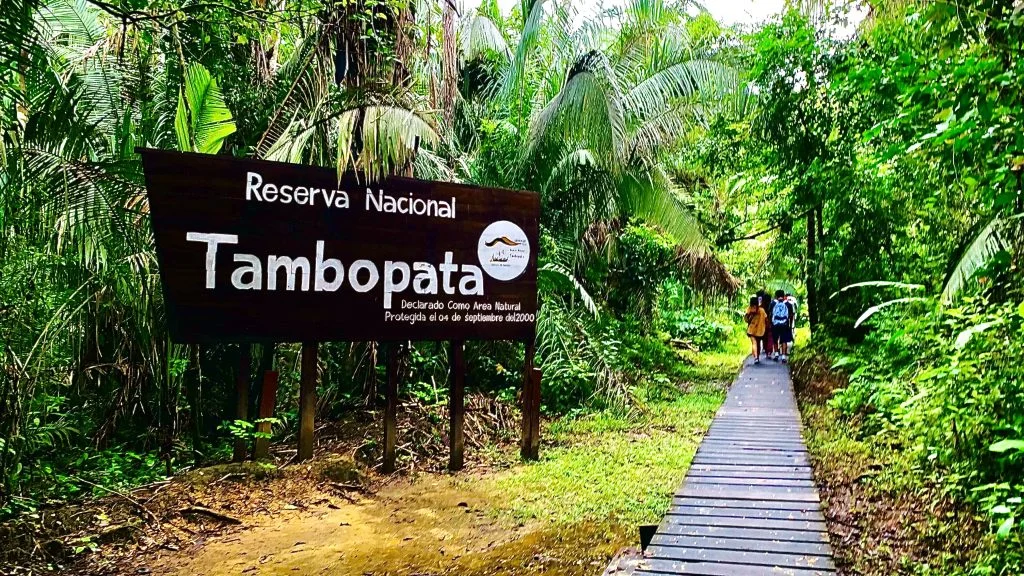
Tambopata National Reserve, near Puerto Maldonado, is one of the most biodiverse spots on the planet, with over 600 bird species, 1,200 butterfly species, 180 fish species, and countless mammals, reptiles, and plants. The Madre de Dios River winds through the reserve, providing access to jungle lodges and research stations.

Geography

Wildlife

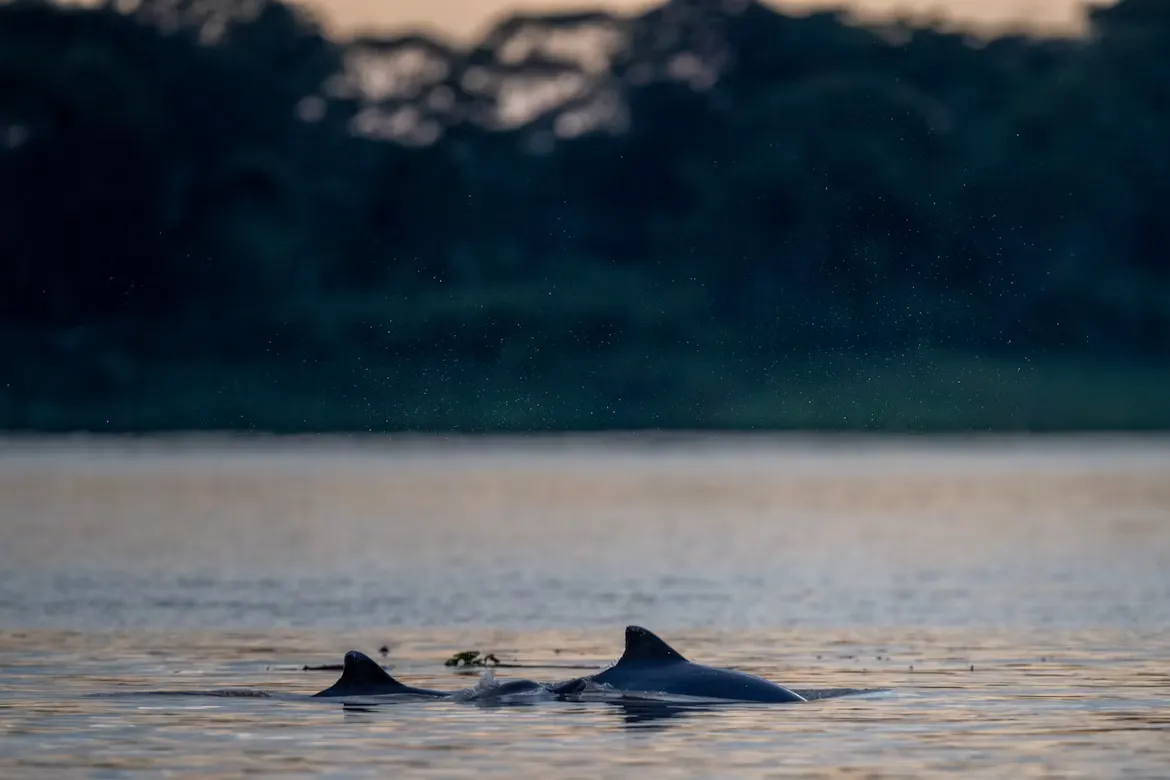
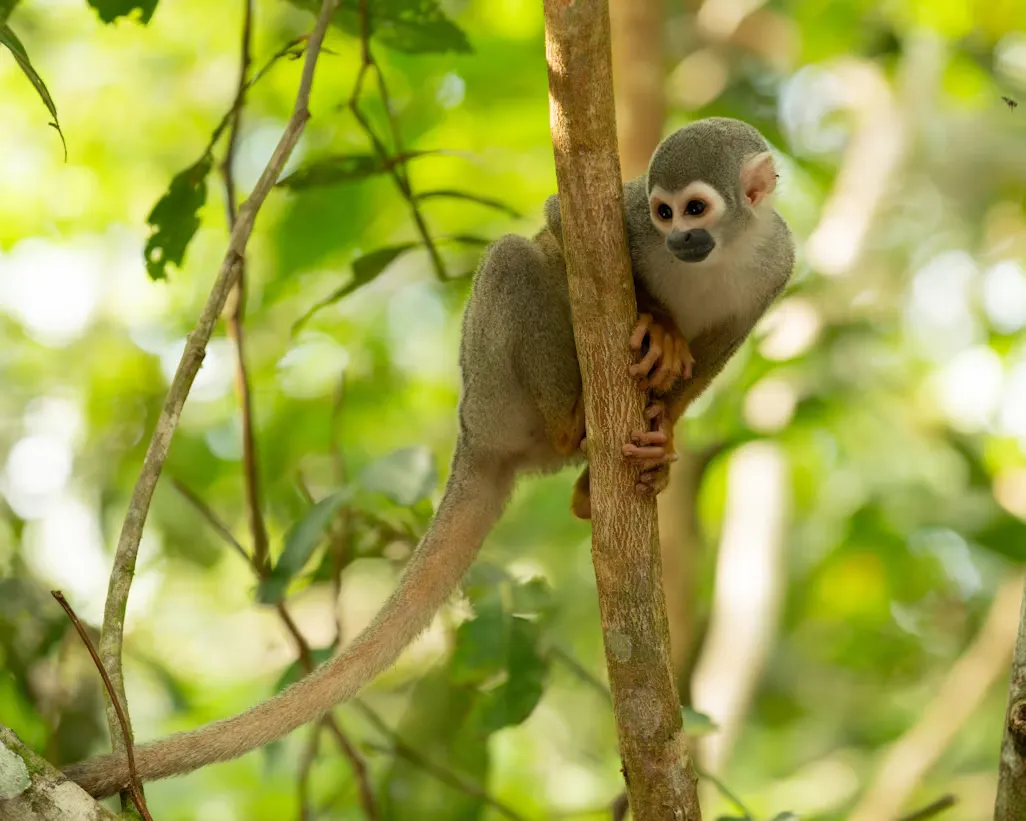
The Peruvian Amazon hosts an extraordinary array of wildlife. Tambopata alone has recorded more bird species than the entire continental United States. Giant otters, jaguars, tapirs, peccaries, and over a dozen species of monkeys inhabit the forests. The rivers teem with arapaima (giant freshwater fish), electric eels, piranhas, and the beloved pink river dolphins.

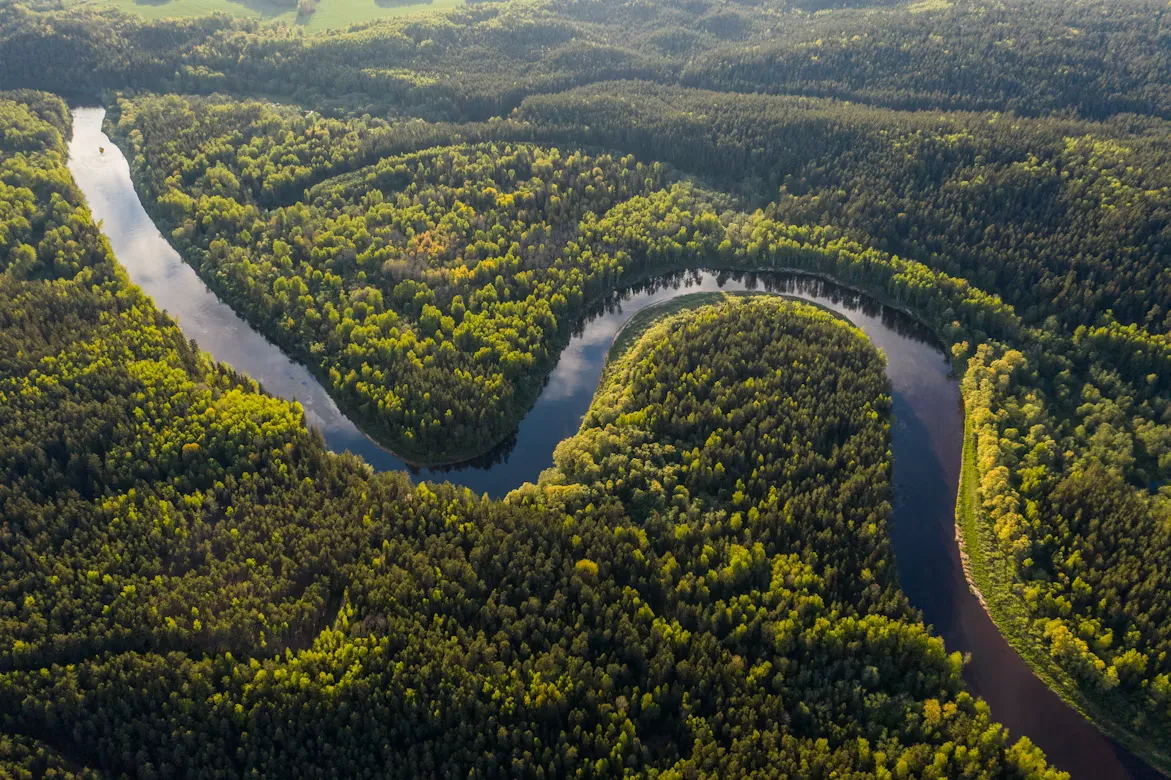
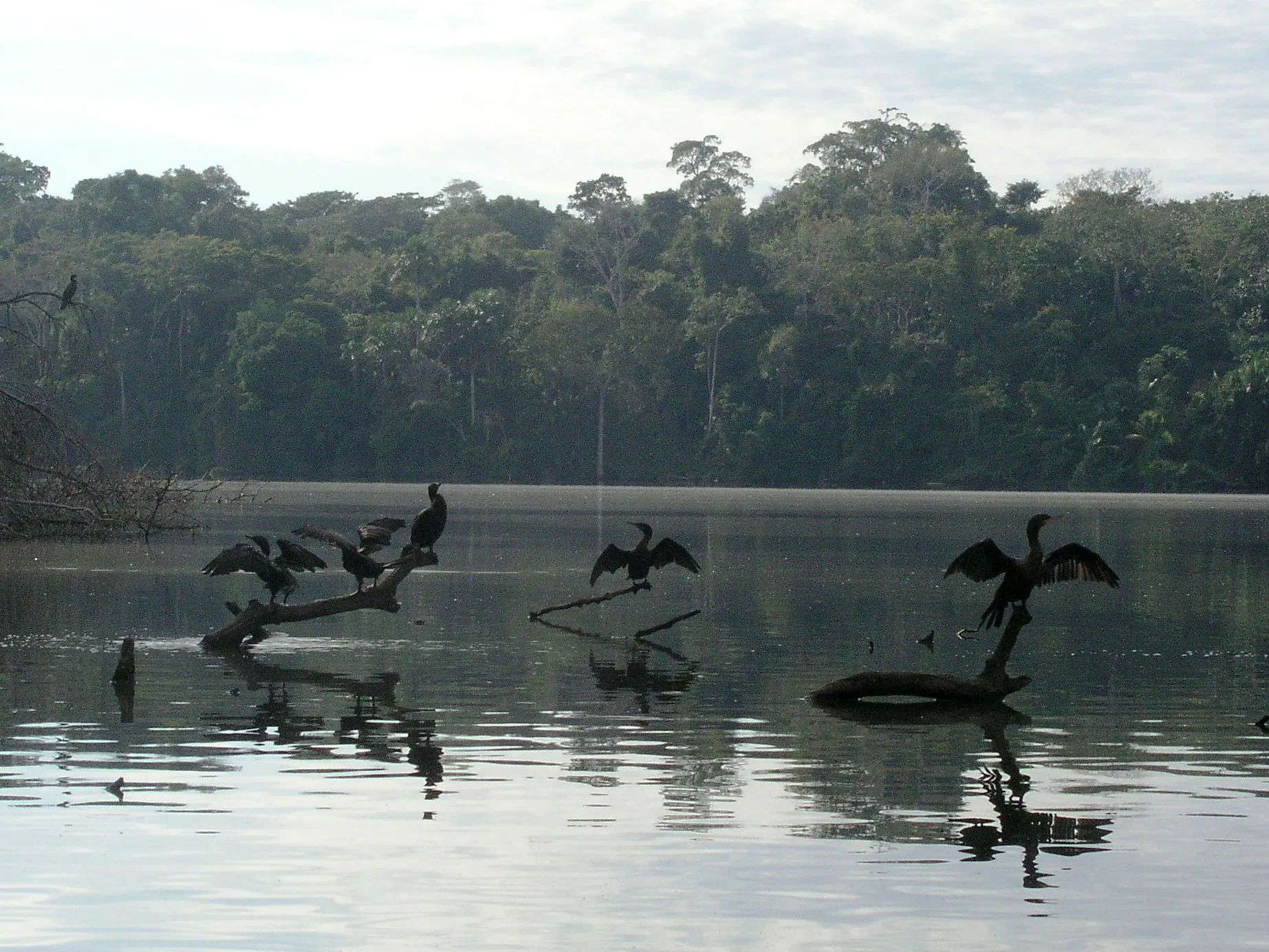
Nocturnal wildlife walks reveal caimans, tree frogs, tarantulas, and insects that defy imagination. Oxbow lakes — remnants of old river meanders — are particularly rich wildlife habitats, supporting fishing birds, giant otters, and caimans. The best wildlife viewing is typically in the early morning and at dusk.

Wildlife

Top Attractions

Top Attractions

Tambopata Reserve

One of the world's most biodiverse areas — jungle lodges, oxbow lakes, macaw clay licks, and river wildlife.

Manu National Park

UNESCO Biosphere Reserve — the most biodiverse national park on Earth, with virgin primary rainforest.

Macaw Clay Lick (Colpa)

Witness hundreds of macaws and parrots descending to clay riverbanks at dawn — a breathtaking spectacle.

Pink River Dolphins

The Amazon's magical pink river dolphins (botos) are regularly spotted in oxbow lakes and river bends.

Piranha Fishing

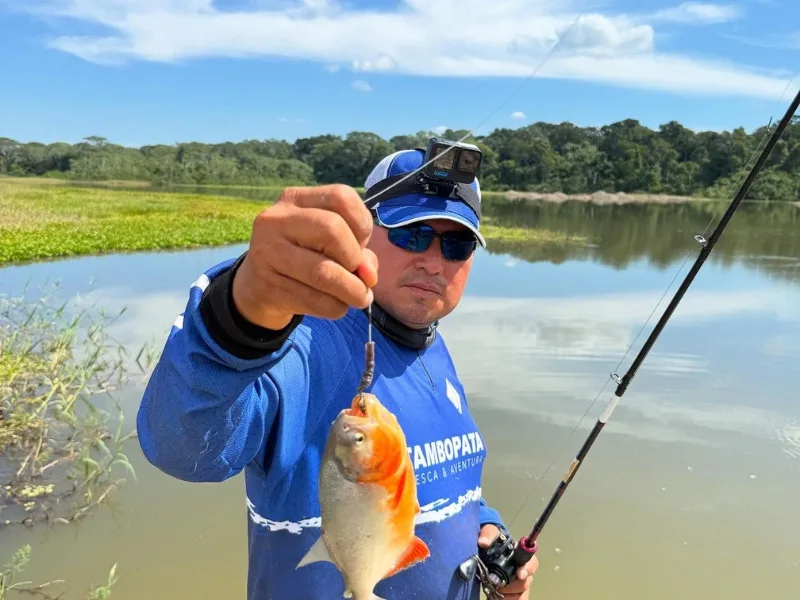
Traditional piranha fishing from wooden canoes in jungle rivers — safe and thrilling with a guide.

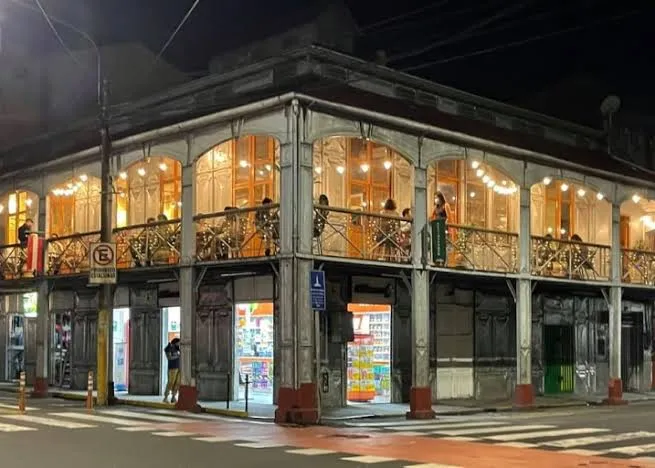
Iquitos

The world's largest city accessible only by boat or plane — an Amazon city with colonial rubber-boom architecture.

Culture

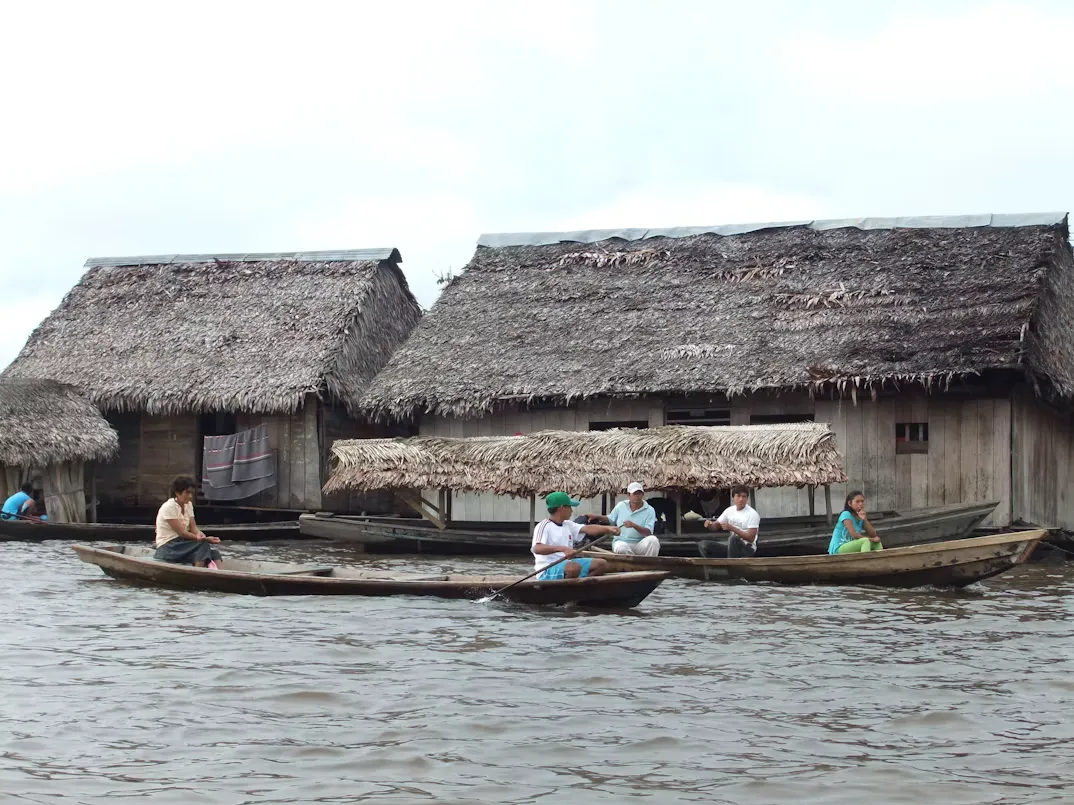
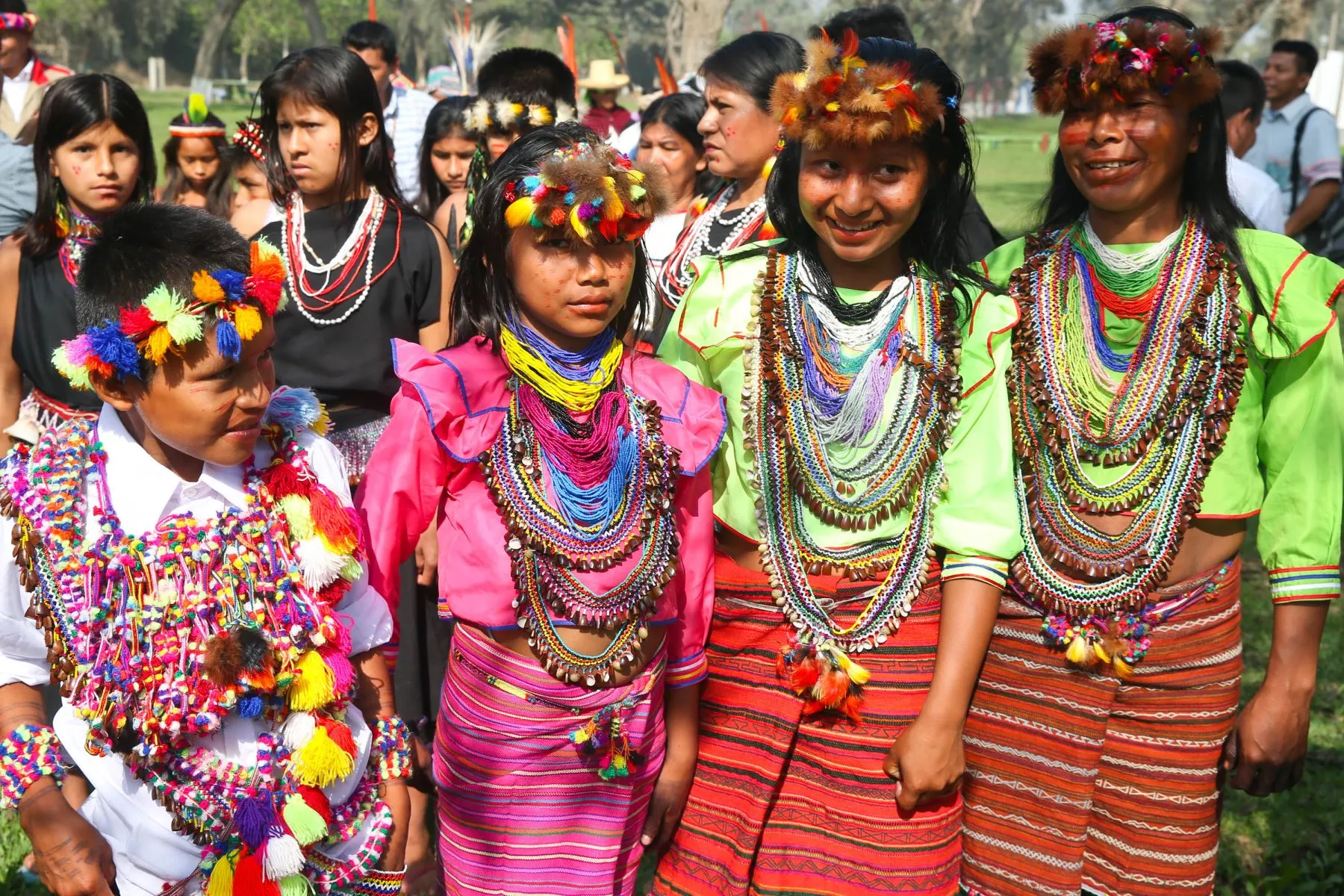
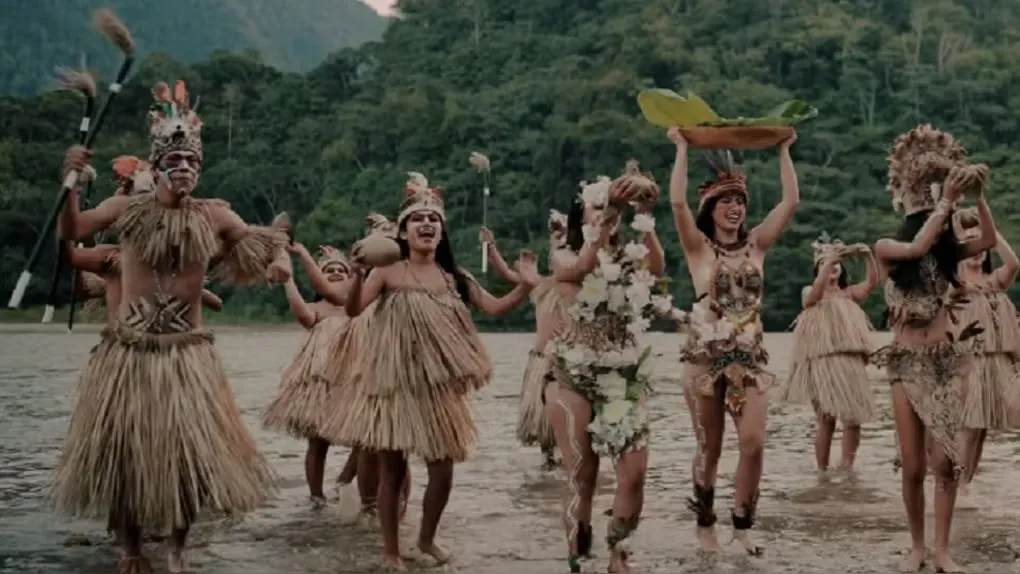
Peru's Amazon is home to dozens of indigenous peoples, many maintaining traditional lifestyles largely unchanged for generations. Communities such as the Ese Eja, Shipibo-Conibo, Yagua, and Bora welcome respectful visitors and share their knowledge of medicinal plants, hunting, fishing, and forest navigation.

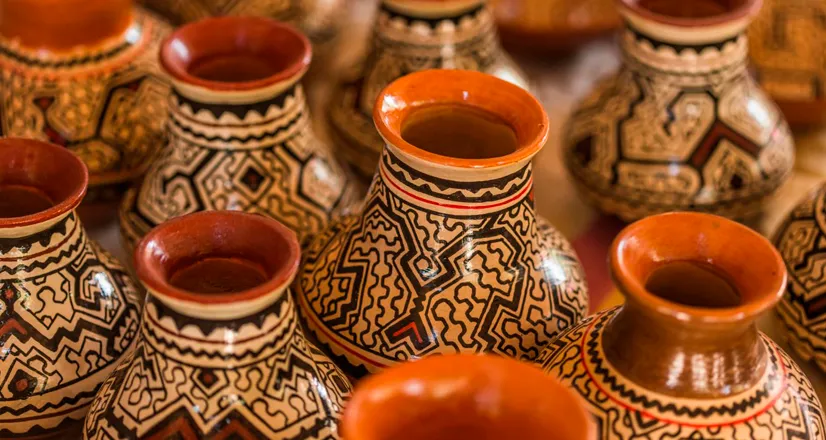
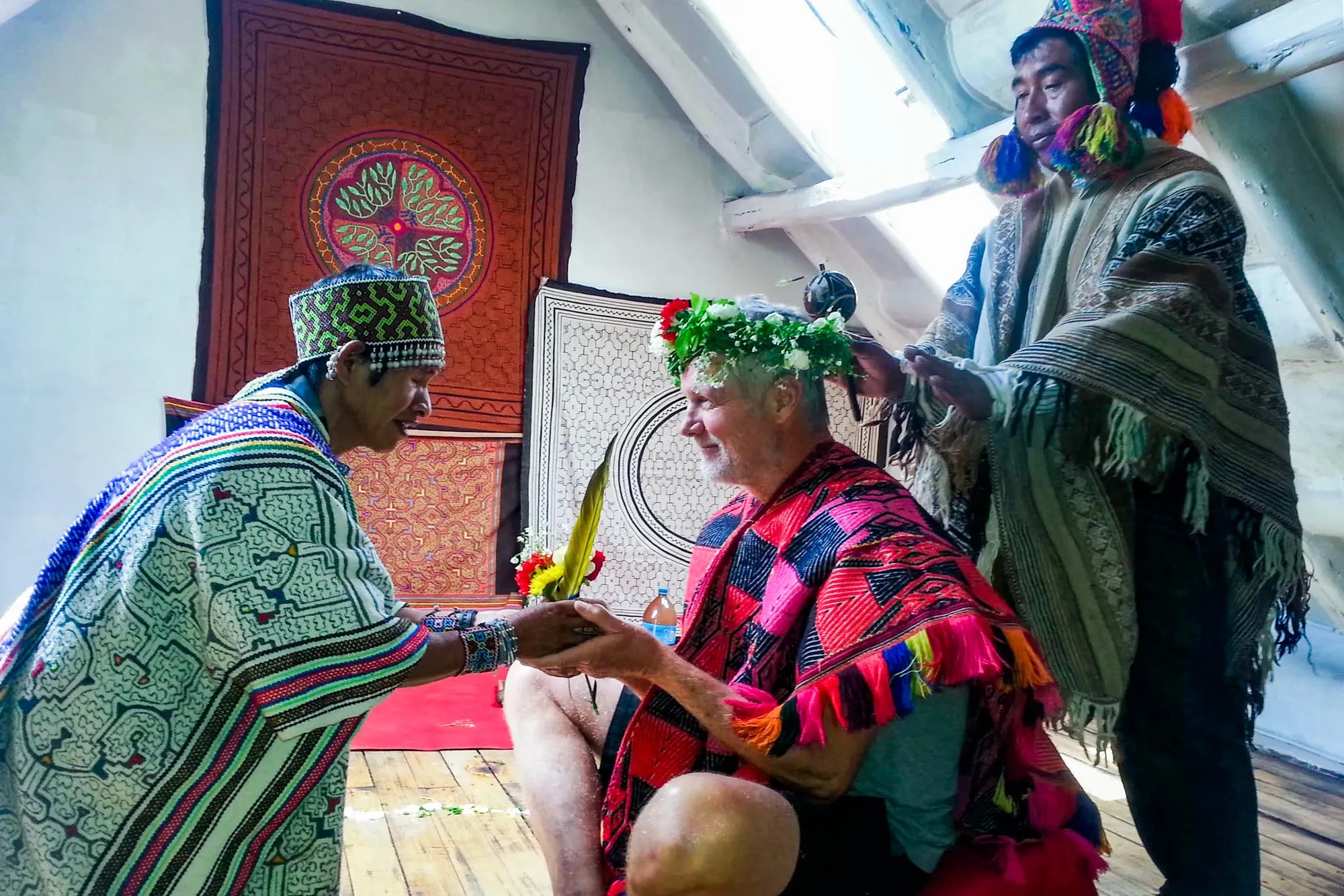
The Shipibo-Conibo are particularly famous for their intricate geometric textiles and ceramics, which encode complex cosmological and spiritual meanings. Their ayahuasca healing ceremonies have attracted researchers and spiritual seekers from around the world.

Culture

Traditions

Traditional indigenous knowledge of the Amazon's medicinal plants is one of humanity's great treasures. Shamans (curanderos) in communities throughout the Peruvian Amazon maintain sophisticated healing systems using hundreds of plant species, including the well-known ayahuasca — a visionary brew used for spiritual healing and guidance.

Fishing traditions are central to Amazonian life. Communities depend on the river's seasonal rhythms — the flood season (December-May) brings fish to flooded forests where they are easily caught; the dry season (June-November) concentrates fish in rivers and lakes. Traditional fishing with hand nets, bows and arrows, and fish traps is still practiced alongside modern methods.

Traditions

Activities

Activities

Jungle Lodge Stay

Stay 2-5 nights at a lodge deep in primary rainforest with guided wildlife walks, canoe trips, and night safaris.

Canopy Walk

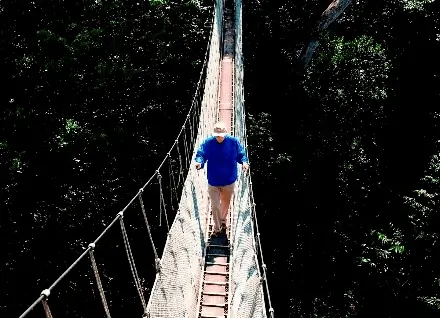
Walk suspension bridges and platforms high in the rainforest canopy for a bird's eye view of the jungle.

Night Safari

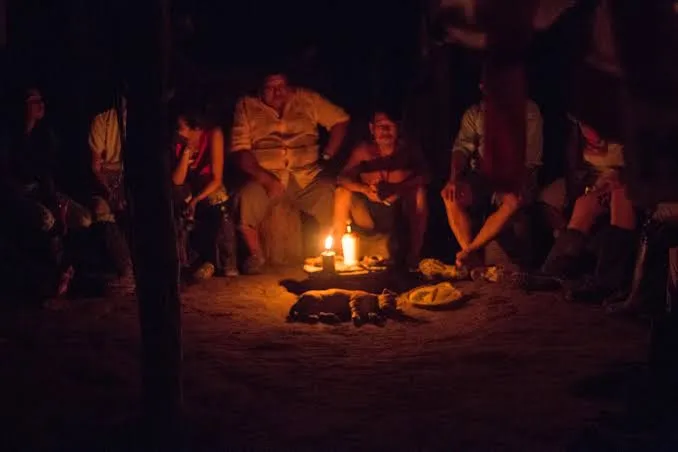
Guided canoe or walking tour at night to spot caimans, tree frogs, and nocturnal wildlife.

Oxbow Lake Excursion

Paddle a canoe to an oxbow lake to spot giant otters, caimans, and fishing birds.

Community Visit

Cultural exchange with indigenous communities — see traditional crafts, medicine, and river life.

Macaw Clay Lick

Early morning boat trip to watch hundreds of macaws descend to mineral-rich clay riverbanks.

Food & Cuisine

Amazonian cuisine is built around the extraordinary variety of freshwater fish, tropical fruits, and jungle ingredients unavailable anywhere else. The food is fresh, aromatic, and deeply tied to the river and forest.

Food & Cuisine

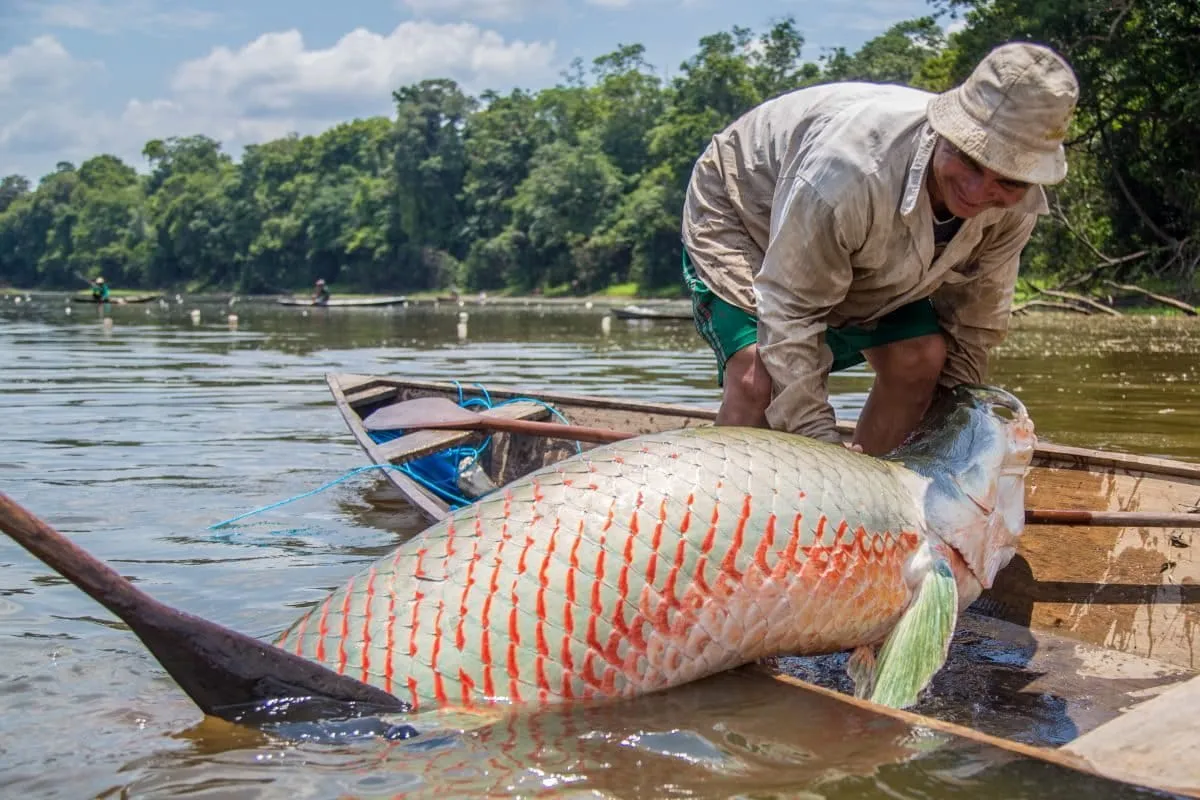
Paiche (Arapaima)

Giant Amazonian fish (one of the world's largest freshwater fish) grilled or stewed — delicate, meaty flavor.

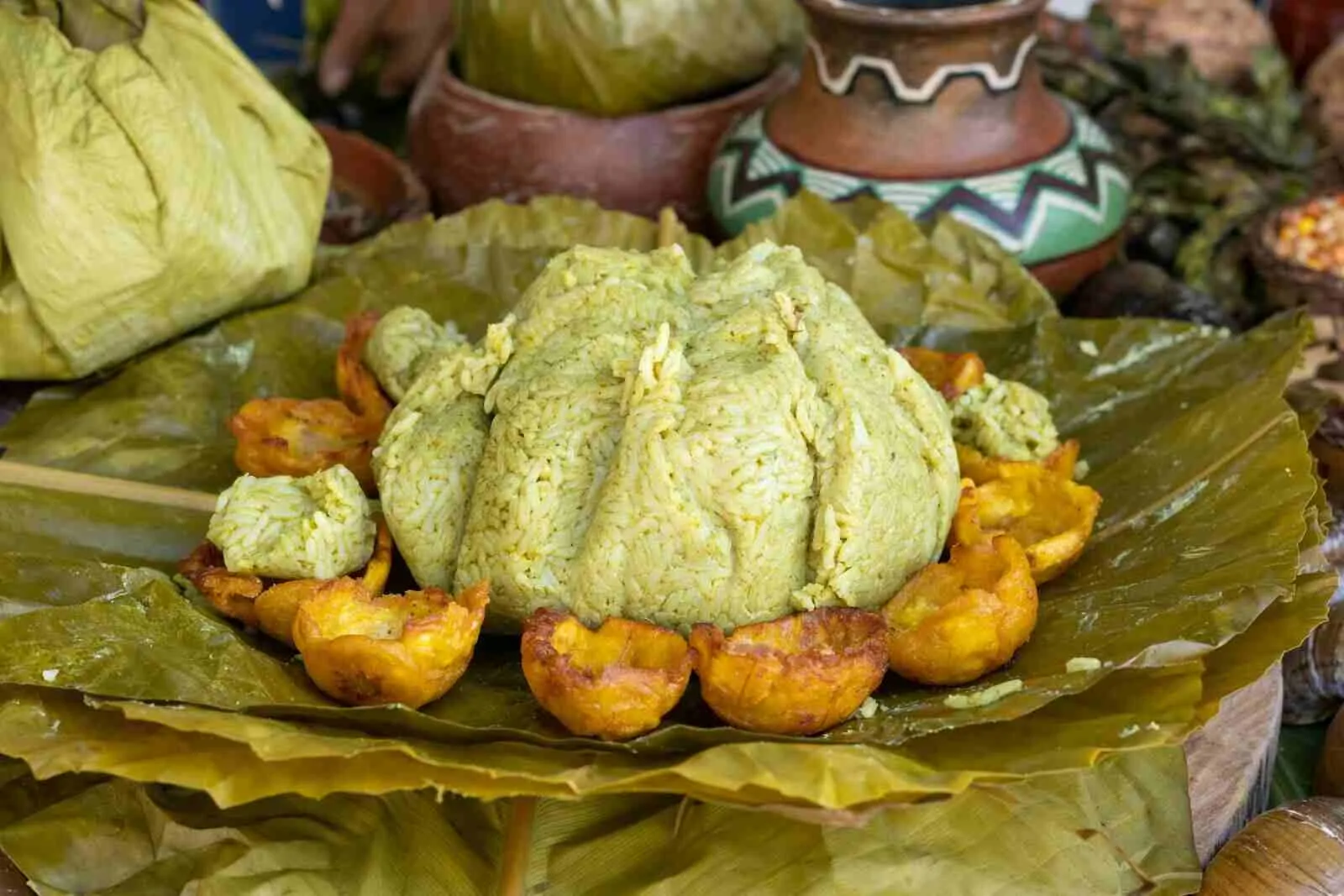
Juane

Rice, chicken, olives, and eggs wrapped in bijao leaves and boiled — the Amazon's festive dish.

Tacacho con Cecina

Roasted green plantain balls served with smoked pork cecina — a jungle staple.

Caldo de Carachama

Armored catfish soup — a rich, restorative broth claimed to cure hangovers and fatigue.

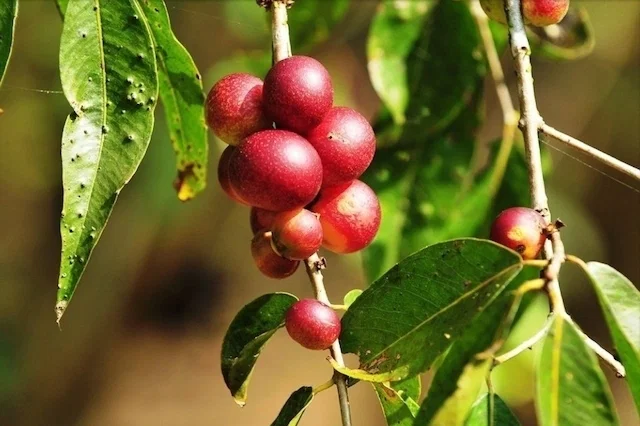
Aguaje Ice Cream

Creamy ice cream from the aguaje palm fruit — deep orange, tropical, and uniquely Amazonian.

Travel Info

Getting There

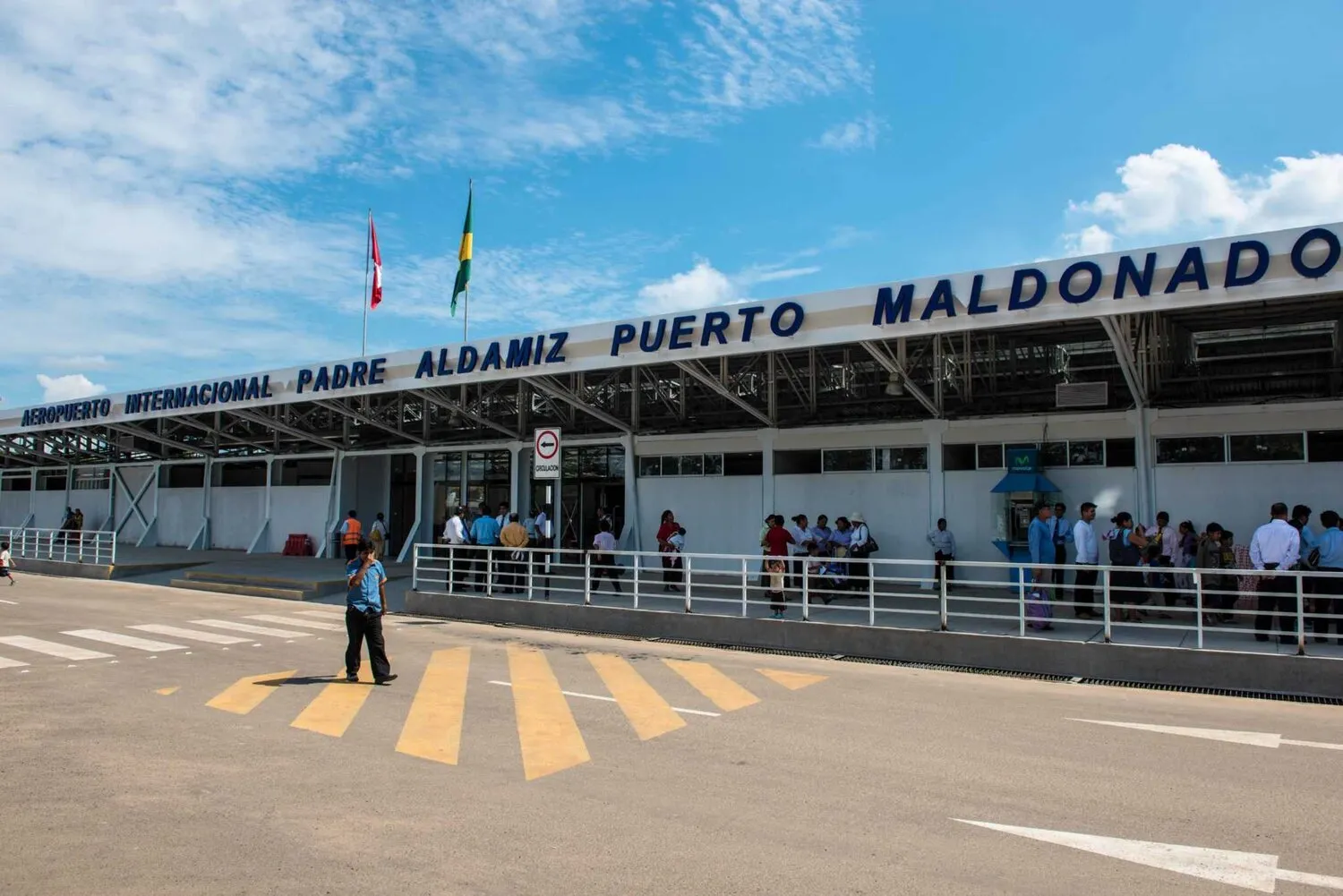
  • Puerto Maldonado: 30-min flight from Cusco or 1.5 hours from Lima (most popular Amazon entry)
  • Iquitos: Only accessible by air or boat — flights from Lima (~2 hours)
  • Manu: Accessible by road and river from Cusco (12-14 hours overland)

Health & Preparation

  • Yellow fever vaccination recommended (required for some reserves)
  • Malaria prophylaxis recommended for extended jungle stays — consult your doctor
  • Pack long-sleeve shirts, trousers, insect repellent (DEET 30%+), and sun protection
  • Waterproof bags are essential — humidity is extreme

Choosing a Lodge

  • Lodge quality varies enormously — research reviews carefully
  • A minimum of 3 nights is recommended for meaningful wildlife encounters
  • Closer to Puerto Maldonado = easier access but less wild; deeper = more wildlife
  • All-inclusive packages typically cover transfers, meals, and guided activities

Best Time to Visit

  • Dry season: June–November (easier walking, more wildlife concentrated at water sources)
  • Rainy season: December–May (lush vegetation, some flooded trails, excellent birding)
  • April–May: Amazon is full and beautiful with high water levels
  • July–October: Clearest skies and best conditions for bird photography

Book Your Adventure

Ready to explore Amazon?

Our local experts will design the perfect trip for you. Private tours, bilingual guides, and unique experiences.

Browse All ToursMore Destinations
Chat with a Local Peru Travel Expert