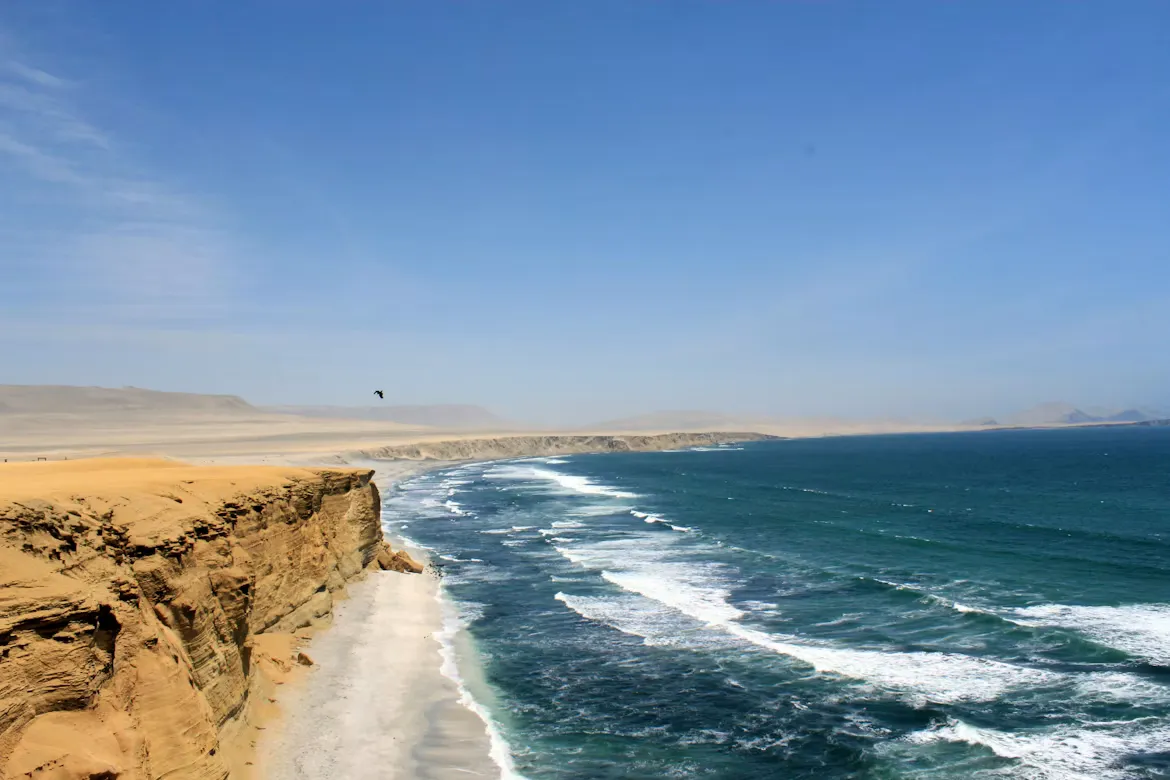
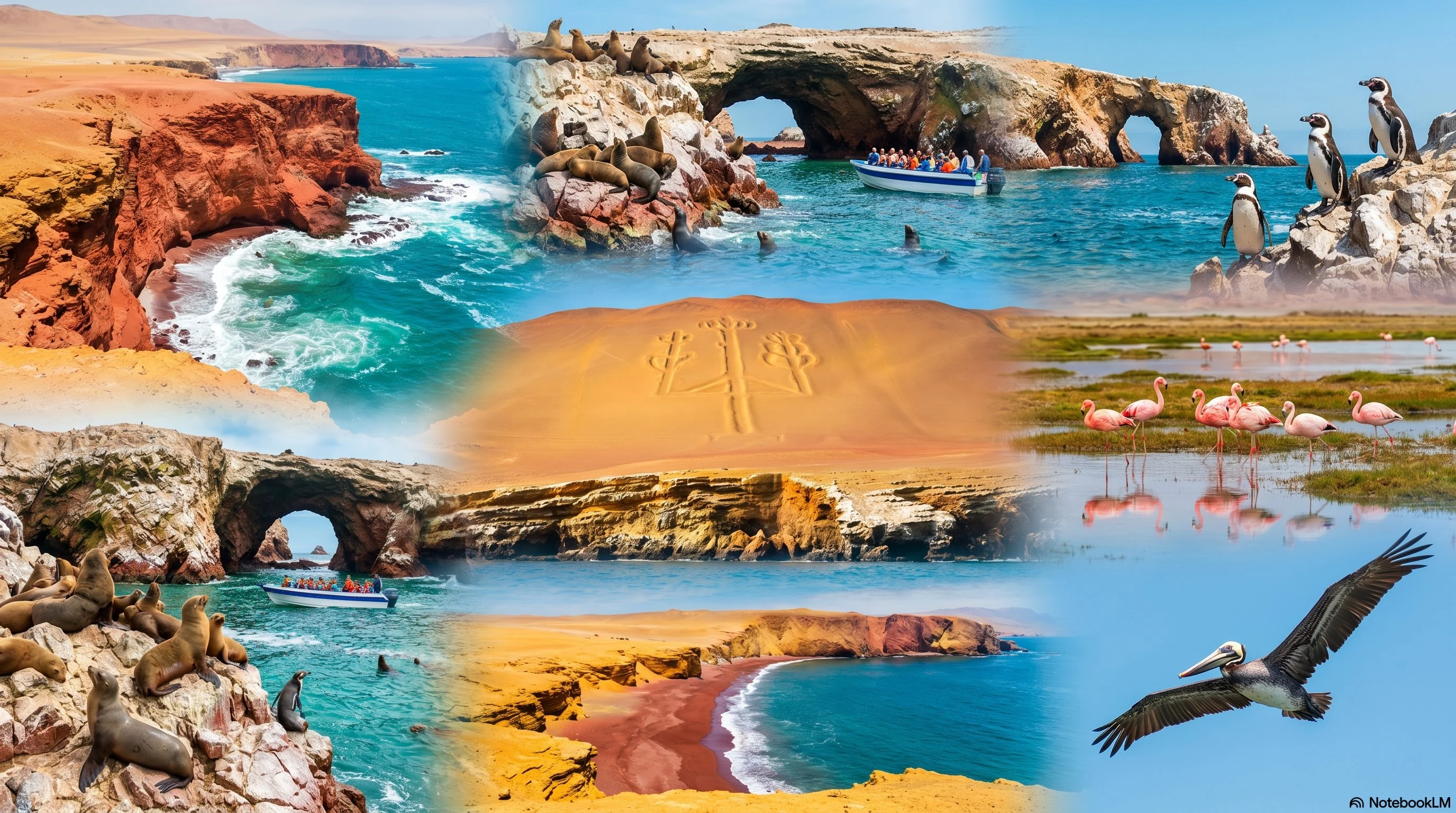
Paracas is Peru's premier coastal marine sanctuary, situated along the Pacific Ocean coastline just three and a half hours south of Lima. Renowned for its rich marine biodiversity, dramatic coastal desert landscapes, and ancient pre-Inca history, it offers a captivating retreat along the Peruvian coast.
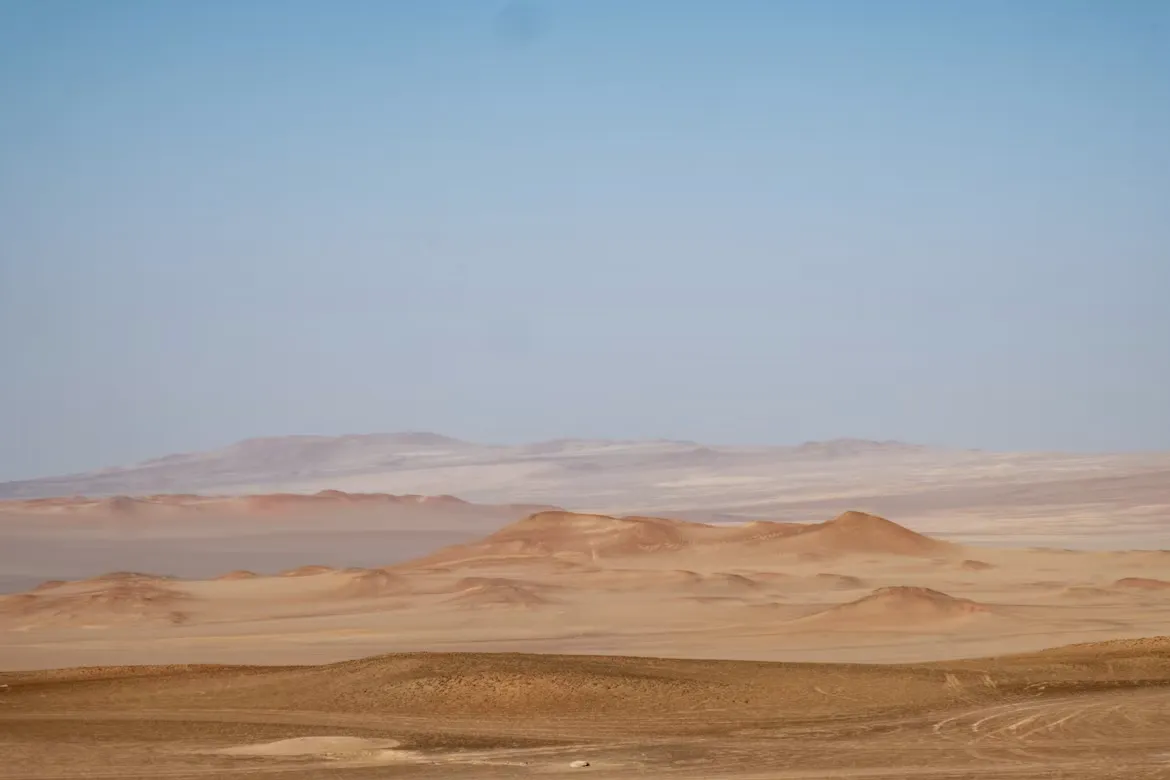
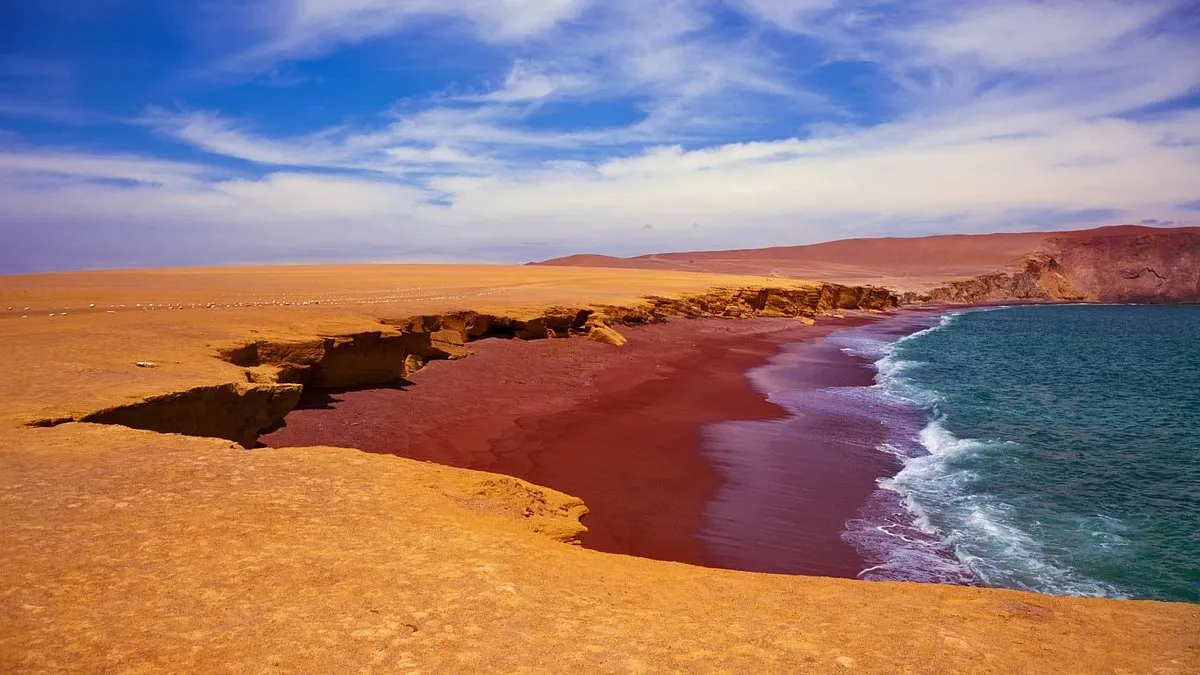
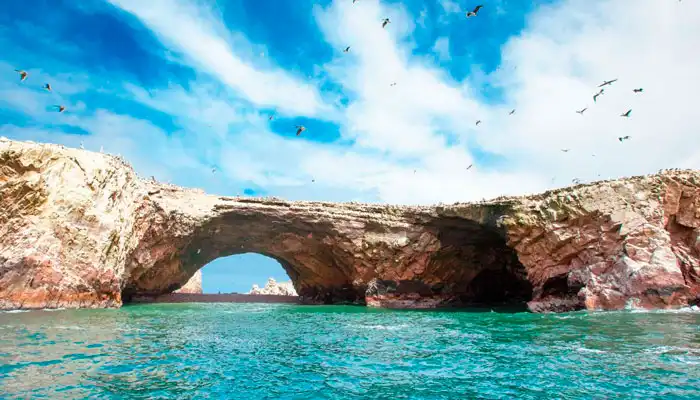
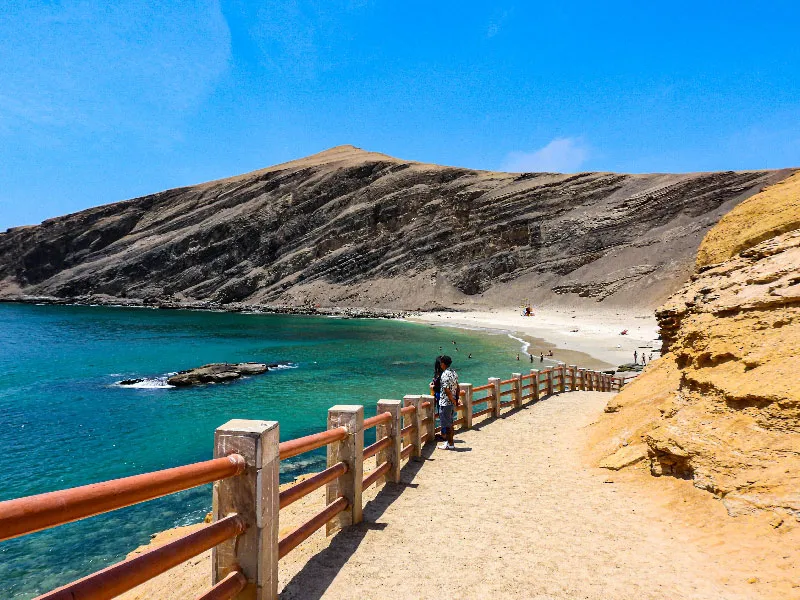
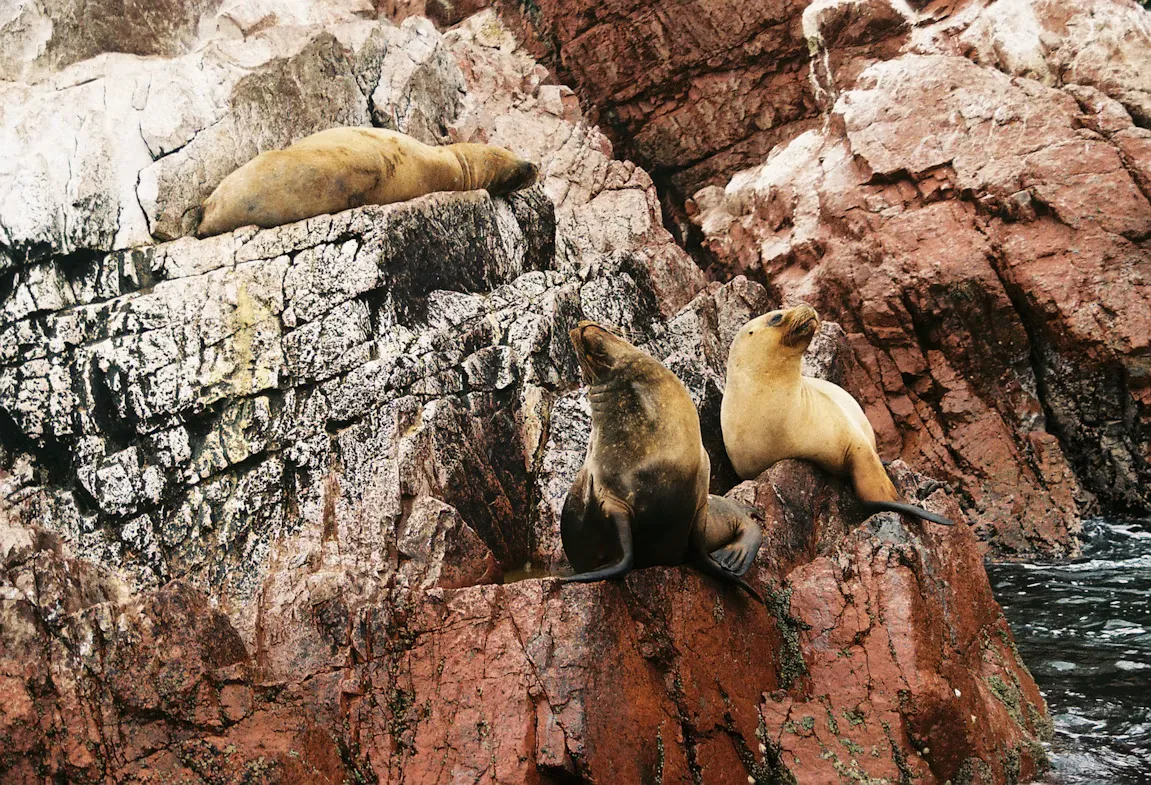
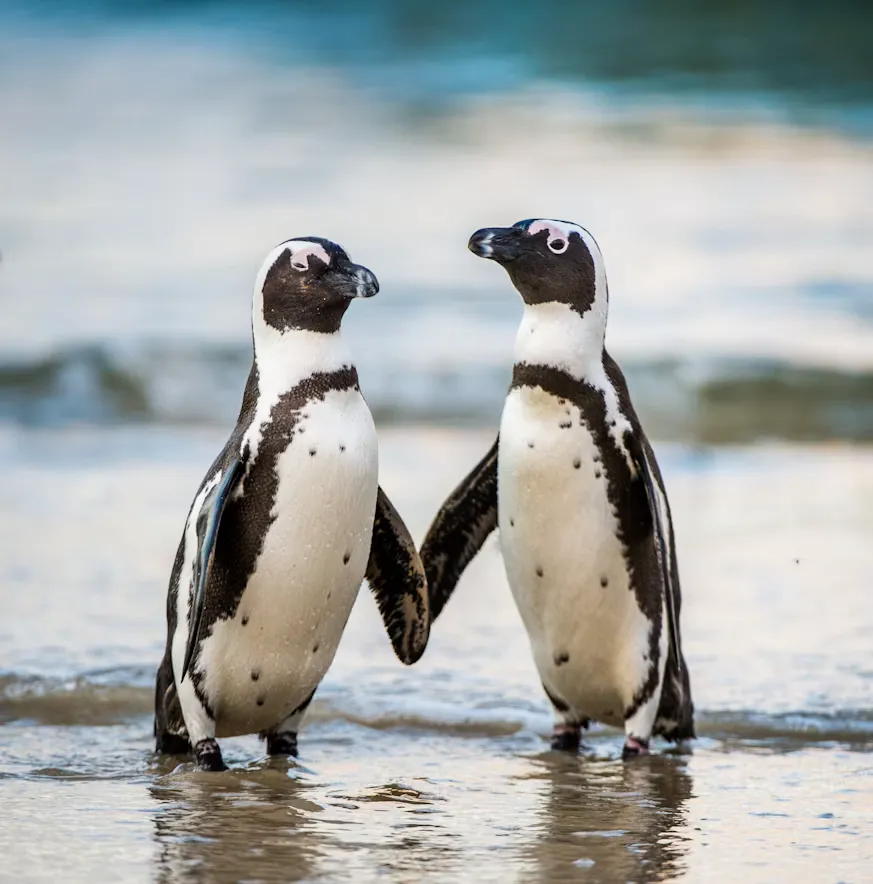
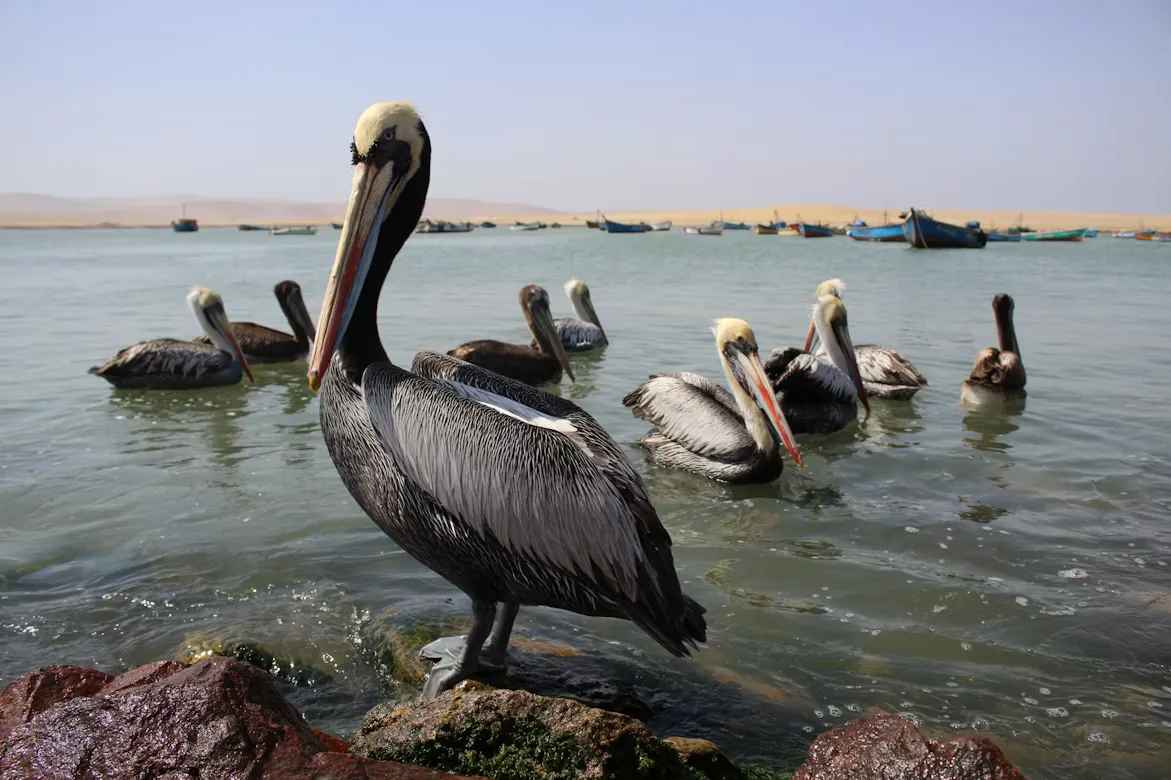
The region is world-famous for the Ballestas Islands, often dubbed Peru's mini-Galapagos, where boat tours encounter thousands of sea lions, Humboldt penguins, and nesting seabirds. Adjacent lies the Paracas National Reserve, protecting 335,000 hectares of desert cliffs, crimson beaches, and turquoise bays.
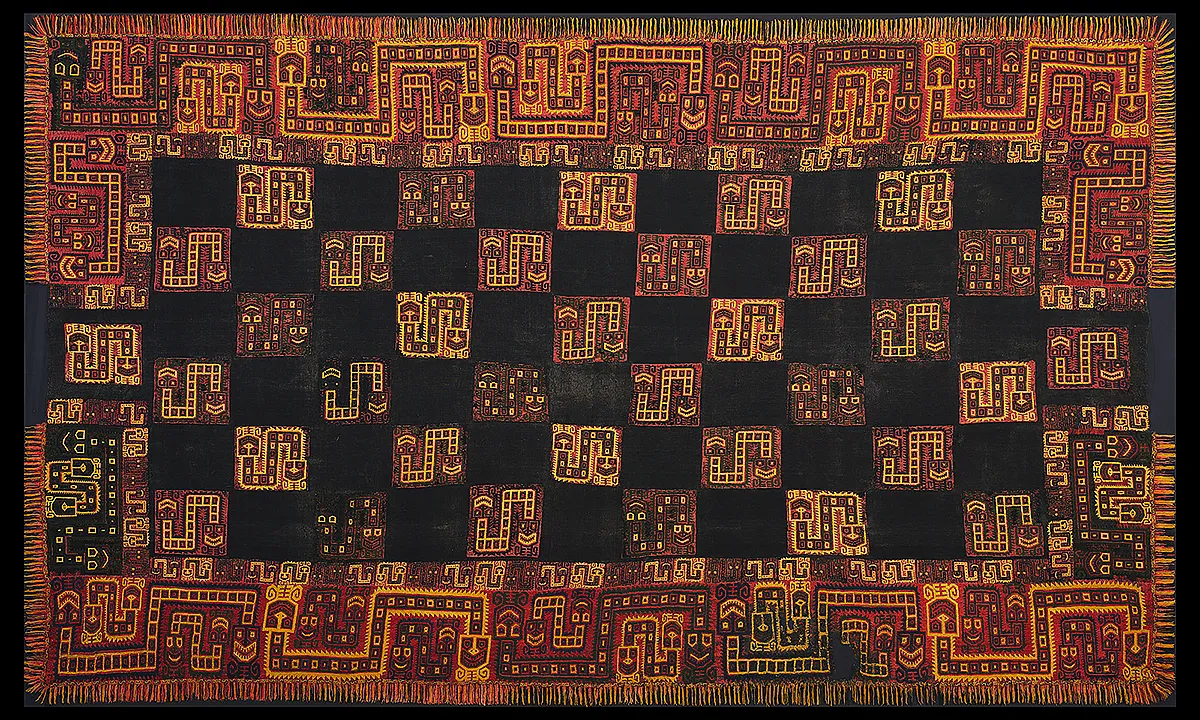
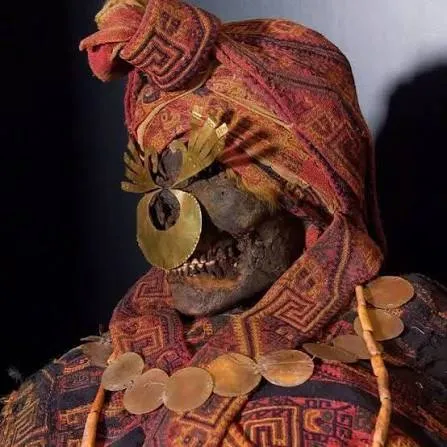
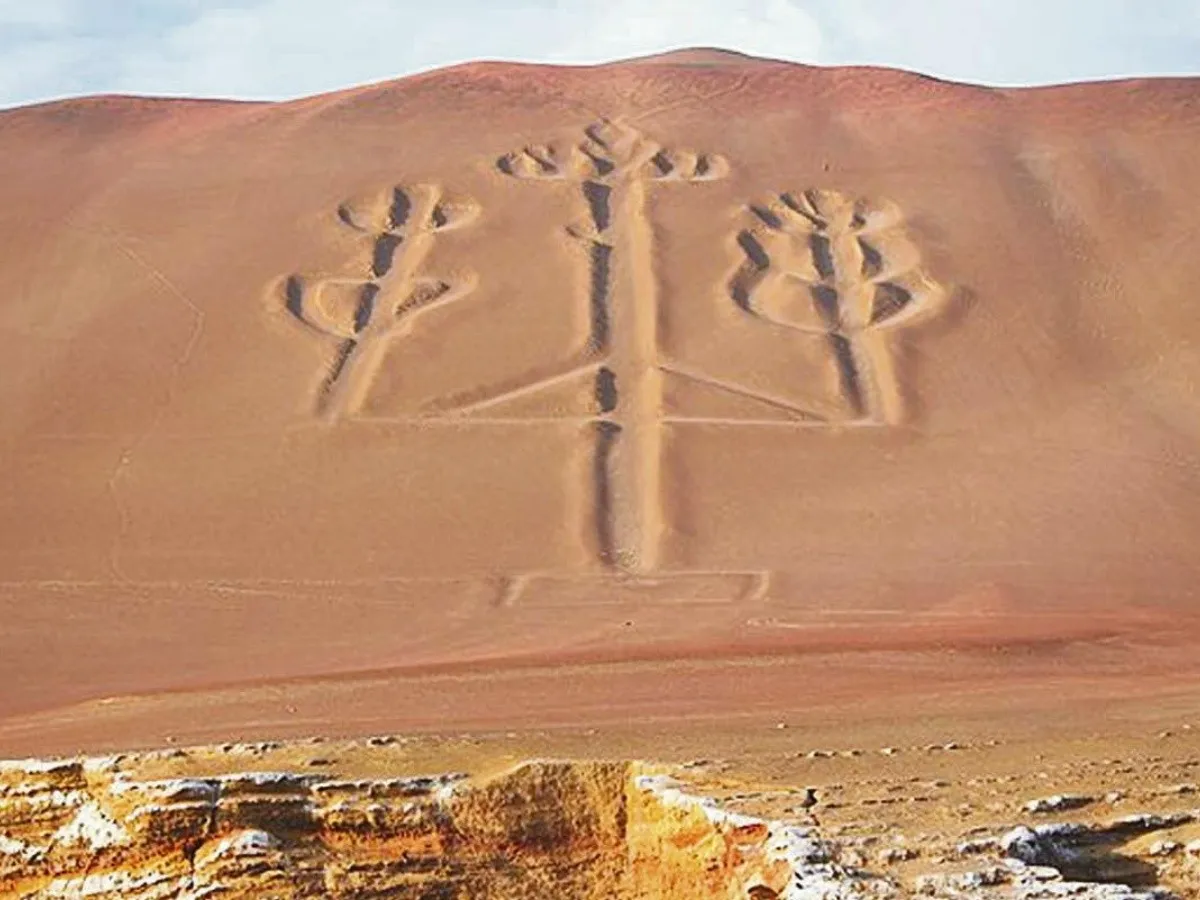
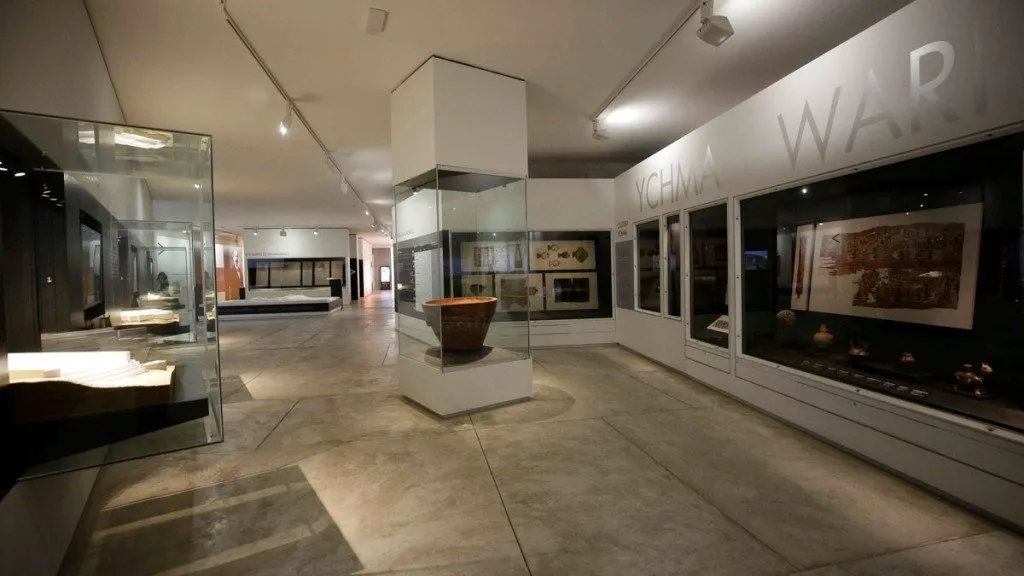
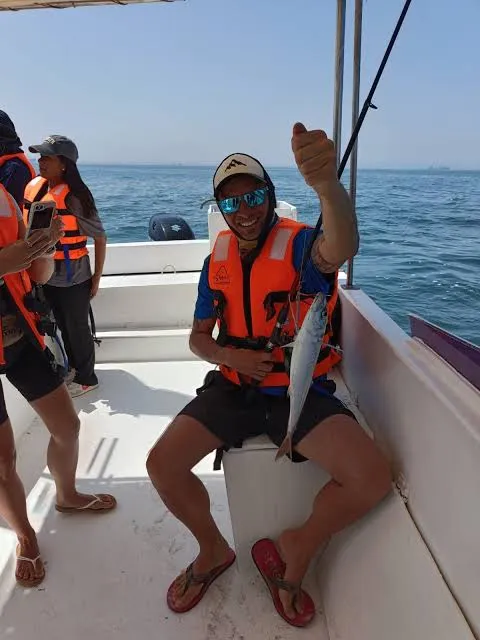
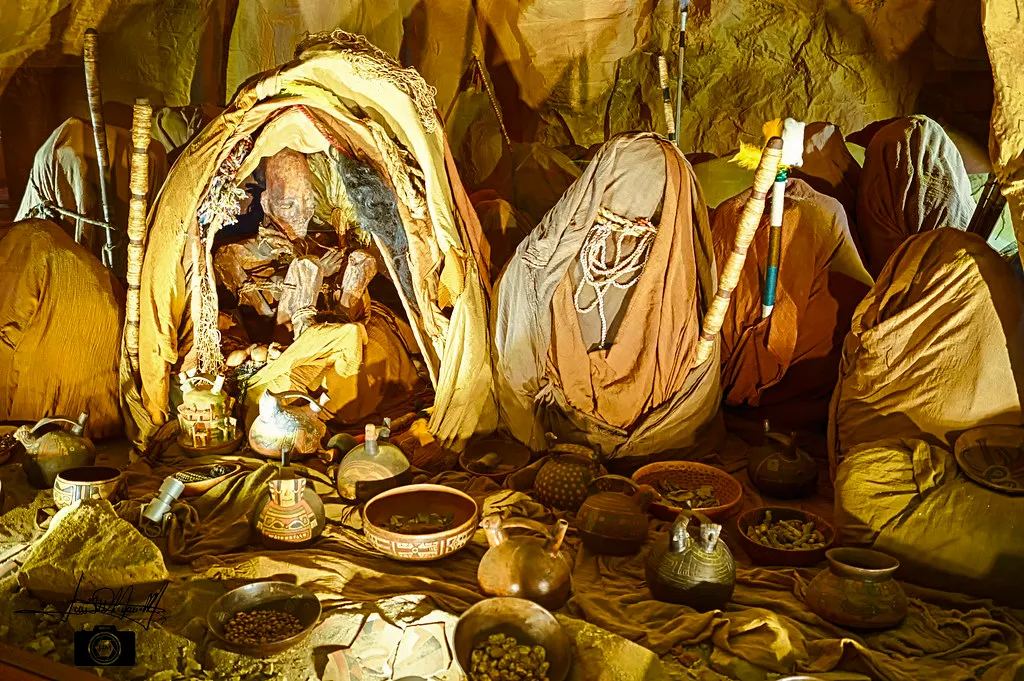
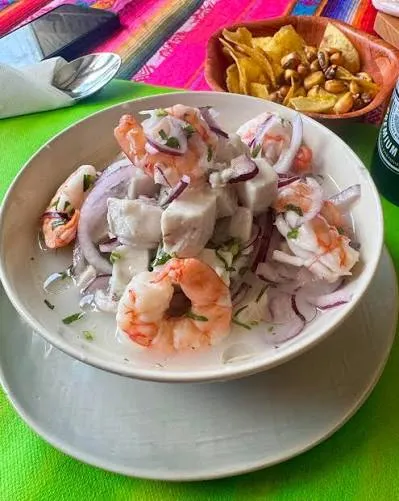
Beyond its natural wonders, Paracas holds great archaeological significance as the home of the ancient Paracas culture (700 BC, 200 AD), creators of the world's most intricate pre-Columbian textiles. Visitors enjoy fresh Pacific seafood, luxury beach resorts, and high-adrenaline desert adventure sports.