Peru Reservations
Colca Canyon
World's Deepest Valley Sanctuary

Colca Canyon: Realm of the Andean Condor

Journey into one of the deepest canyons on Earth, featuring soaring condors, pre-Inca terraced valleys, and geothermal hot springs

LocationArequipa Region, Caylloma Province
Altitude3,635 meters (11,925 feet) sea level
ClimateHighland dry (Days 18°C / Nights 2°C)
Access3.5-hour paved drive from Arequipa city
LanguageOfficial Spanish, Quechua, and Cabana
CurrencyPeruvian Sol (Official code PEN)

Welcome to Colca Canyon

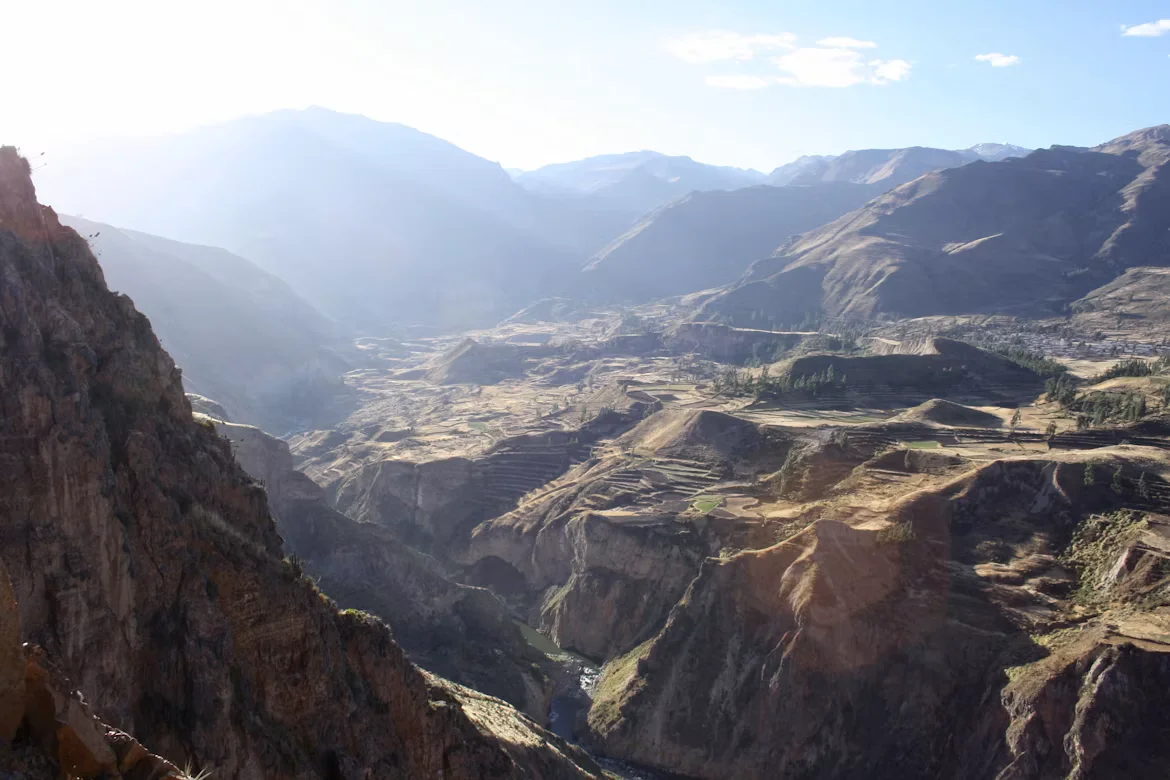
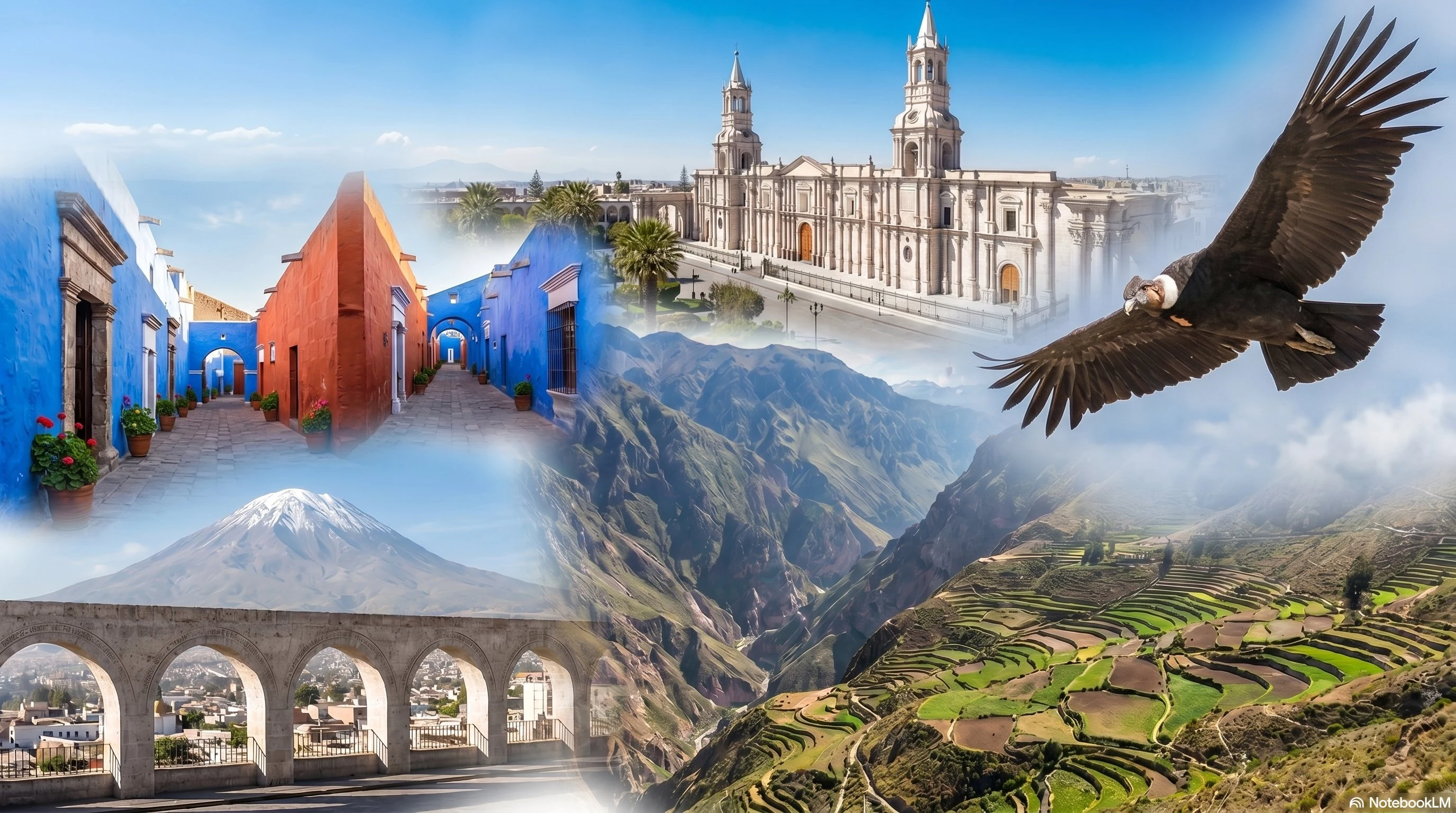
The Colca Canyon (Cañón del Colca) is one of South America's most breathtaking geological wonders, located in the high Andes of southern Peru just three and a half hours from Arequipa. Reaching depths of over 3,400 meters, it stands as one of the deepest river canyons on Earth, more than double the depth of the Grand Canyon.

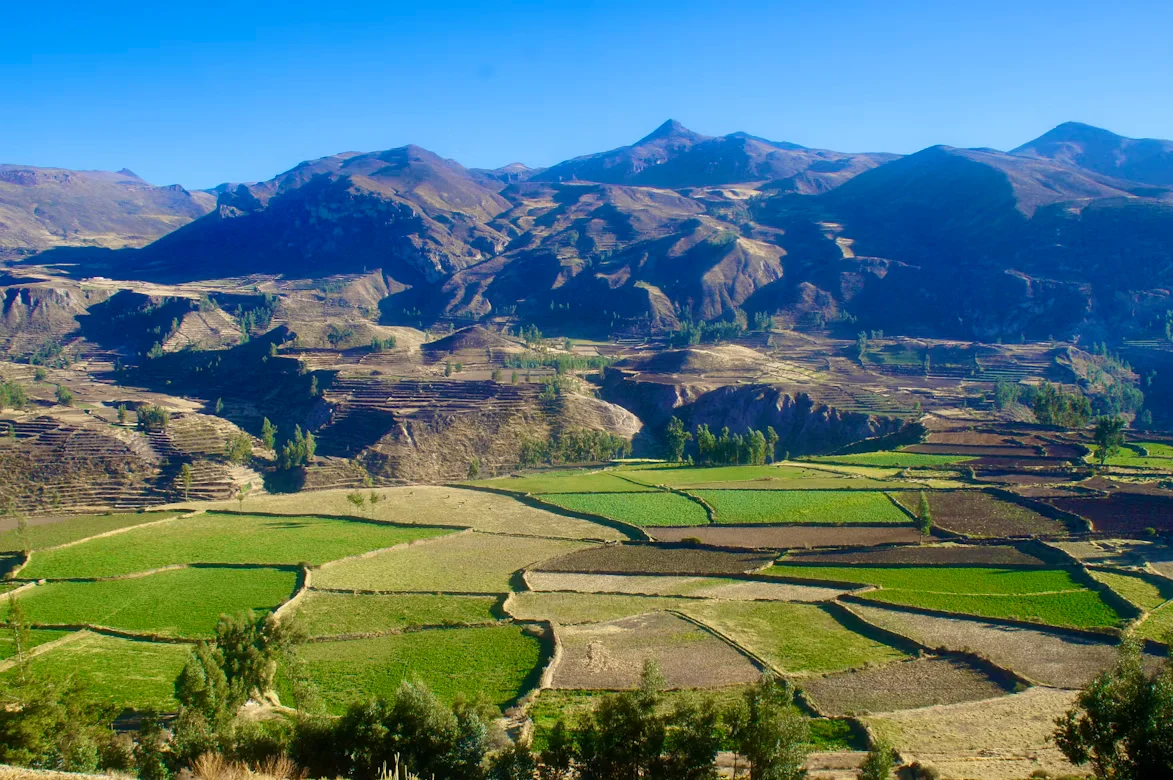
Carved over millions of geological epochs by the rushing Colca River, the valley features thousands of ancient pre-Inca agricultural terraces constructed by the Collagua and Cabana cultures. These sprawling terraced fields remain actively farmed today, cascading dramatically down canyon walls in a vibrant tapestry of green.

Colca is internationally famous as the world's premier sanctuary for watching giant Andean condors soar gracefully on warm morning thermal currents. With natural geothermal hot springs, high-altitude trekking trails, and traditional native villages, it offers an unforgettable high-mountain travel experience in Peru.
Pre-Inca Collagua Cultures and Agricultural Terraces

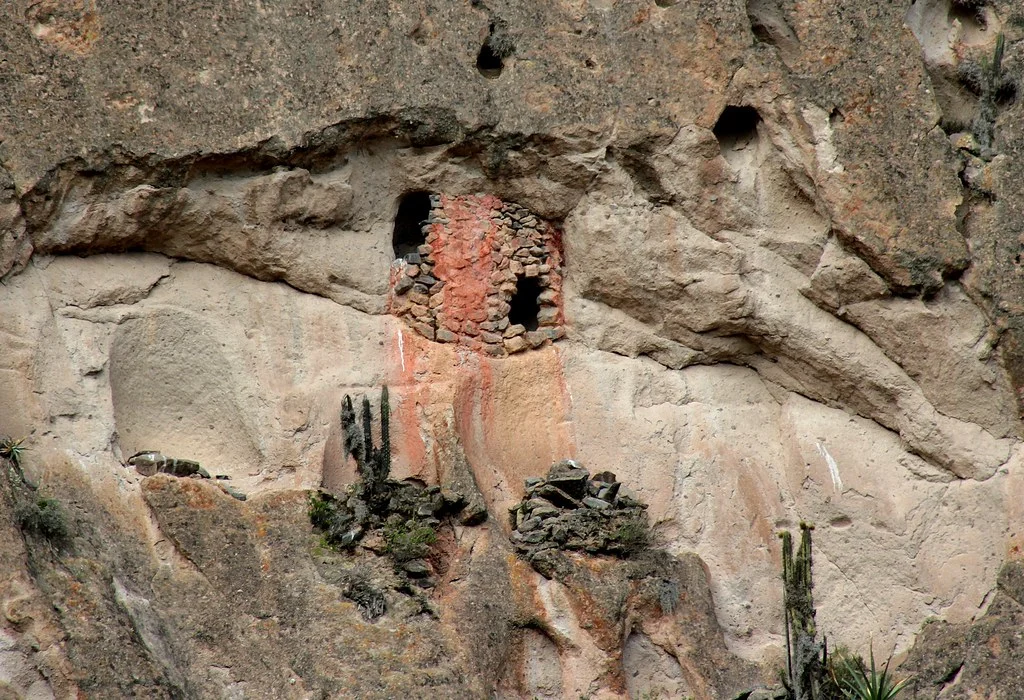
Human history in the Colca Valley dates back over two thousand years, shaped by the pre-Inca Collagua and Cabana ethnic groups. These master agriculturalists engineered vast terraced irrigation systems and carved storage granaries into canyon cliffs, transforming harsh mountain slopes into fertile farm basins.

The Incas incorporated the valley into Tawantinsuyu under Emperor Tupac Yupanqui around 1450 AD, intermarrying with Collagua nobility to secure peaceful integration. The Incas expanded existing terraced farming, built royal road networks, and established ceremonial sites along the canyon rim.

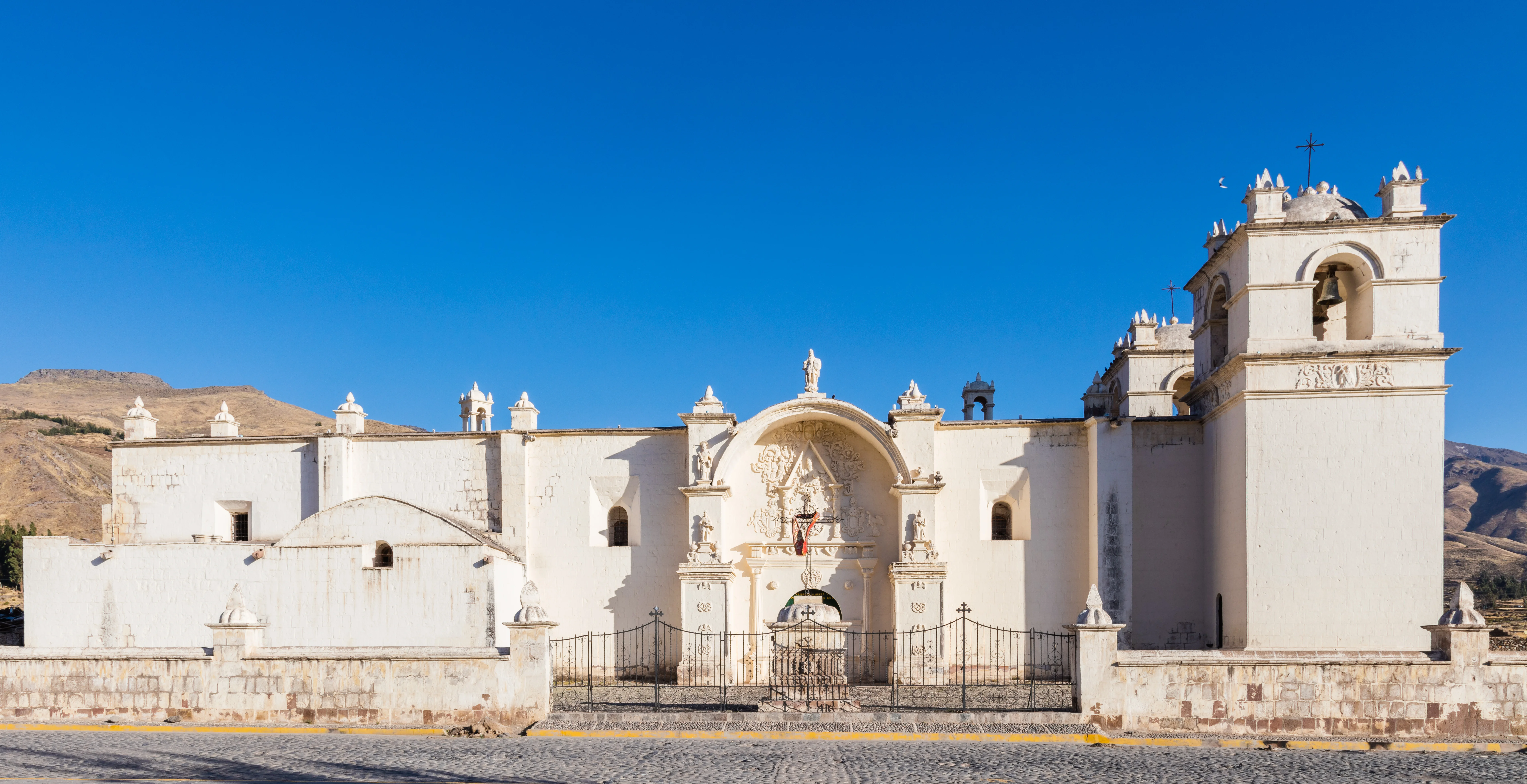
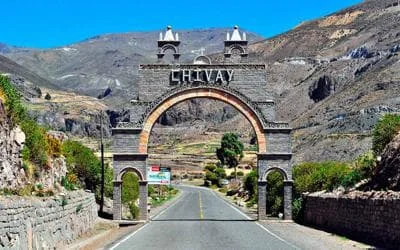
During Spanish colonial rule in the 1570s, Viceroy Francisco de Toledo forcibly consolidated indigenous populations into sixteen planned colonial towns (reducciones), including Chivay, Yanque, and Maca. Spanish alarifes built magnificent baroque churches that stand today as monuments of Andean colonial art.

High Andean Canyons and Volcanic Peaks

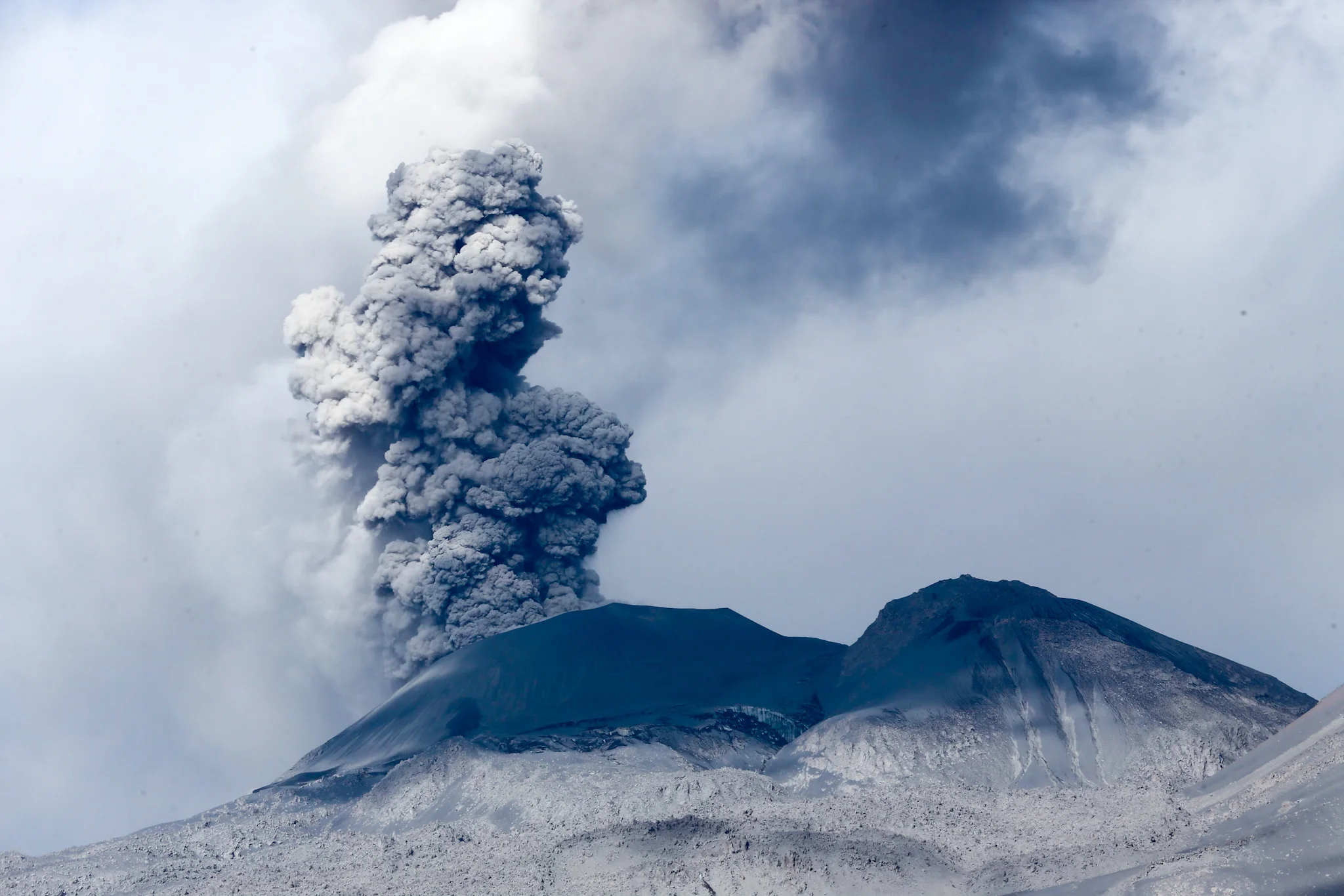
The Colca Canyon extends across seventy kilometers in the volcanic Andes of southern Peru, framed by towering snow-capped peaks like Mount Ampato (6,288m) and Mount Sabancaya (5,976m). The canyon reaches its maximum depth of 3,400 meters near the remote village of Huambo, creating spectacular cliff vistas.

Geologically active, the valley features numerous natural geothermal hot springs, fumaroles, and active volcanoes. Snowmelt from surrounding Andean peaks feeds the rushing Colca River, which flows westward through steep granite canyons before emptying into the Pacific Ocean as the Majes River.

The high-altitude climate features sunny dry days averaging 18°C and cold crisp nights dropping near freezing. The valley's dramatic topography creates microclimates ranging from high puna grasslands above 4,000 meters to lush tropical oases, such as Sangalle, nestled at the canyon floor.

Cruz del Cóndor Viewpoint and Thermal Springs

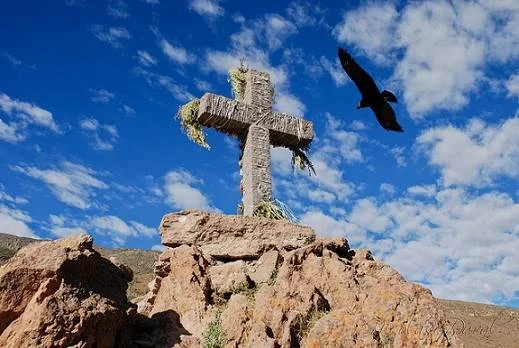
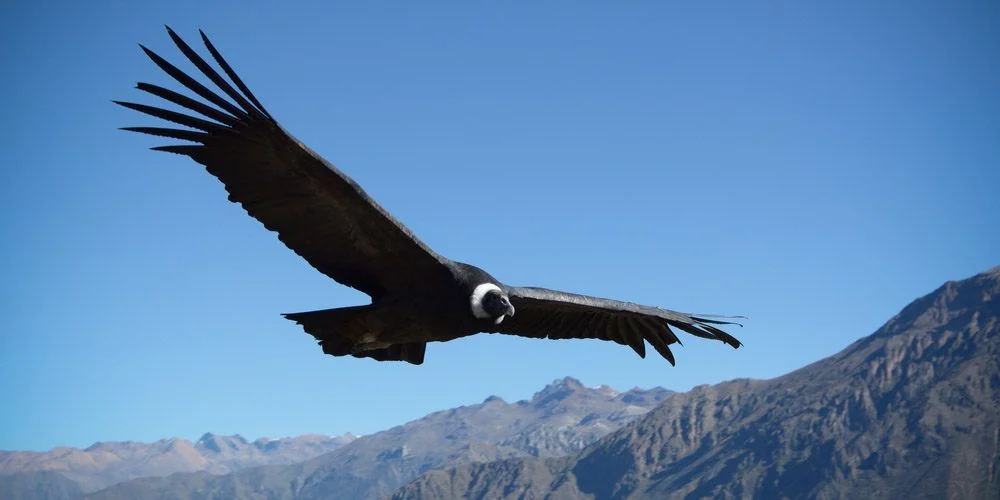
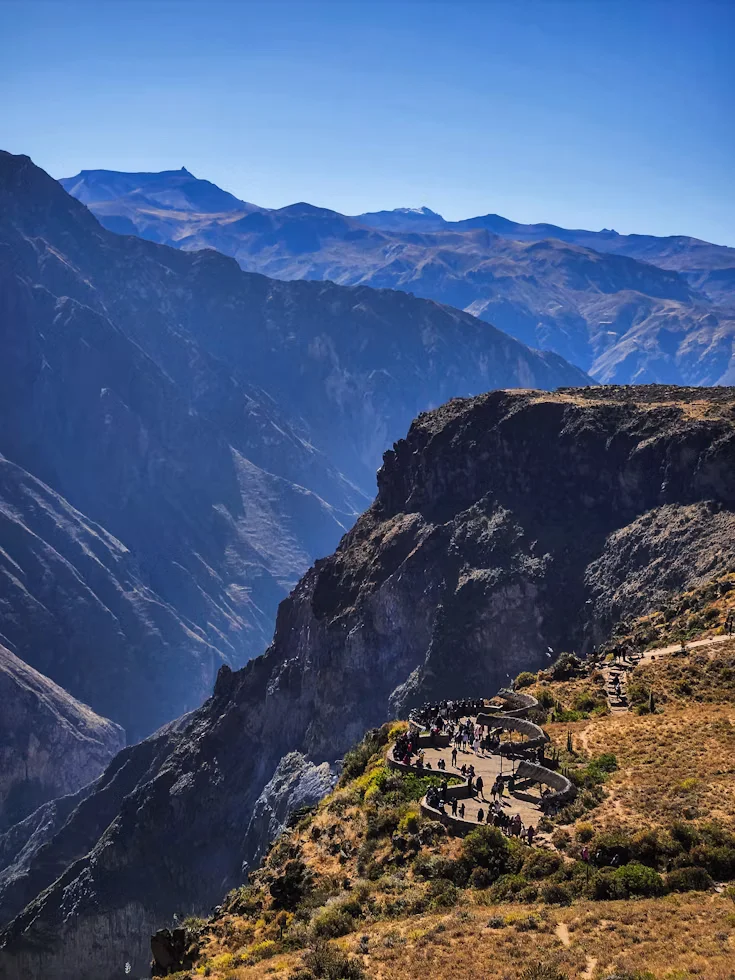
The iconic Cruz del Cóndor viewpoint serves as Colca's flagship attraction, offering a dramatic cliffside observation post where visitors watch giant Andean condors fly just meters away. Early morning thermals lift condors from canyon depths as the sun warms the vertical rock walls.

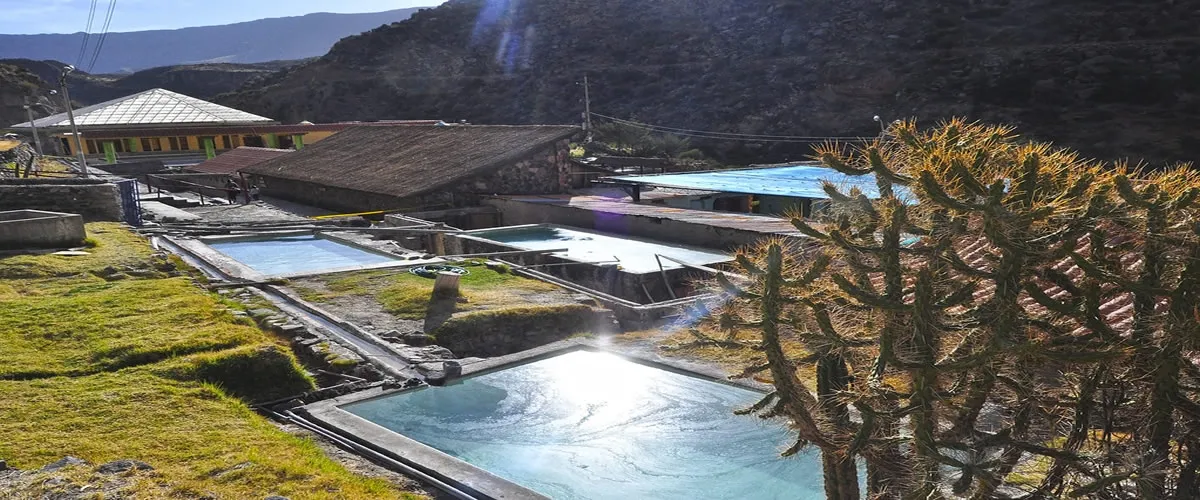
Chivay serves as the valley's central hub, famous for La Calera thermal hot springs, where mineral-rich geothermal pools provide soothing muscle relaxation after mountain hikes. Nearby Yanque features a picturesque colonial plaza, Baroque church, and daily performances of the traditional Wititi dance.

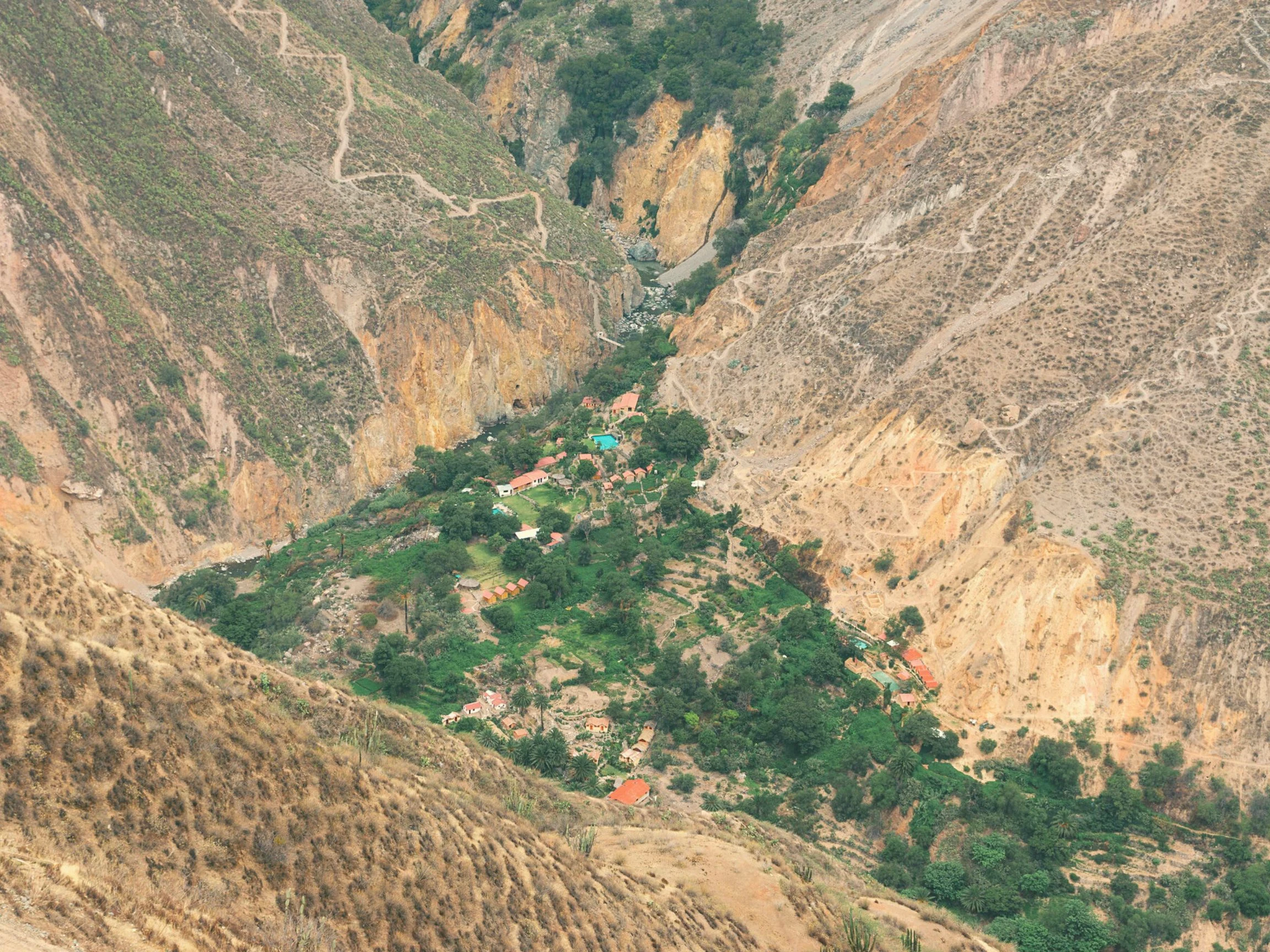
At the canyon bottom lies the tropical oasis of Sangalle, featuring turquoise swimming pools, palm trees, and bamboo eco-lodges surrounded by sheer rock cliffs. Pre-Inca cliffside burial tombs, such as Choquetico, showcase ancient mummy niches carved high into vertical granite walls.

Wititi Dance Artistry and Indigenous Textiles

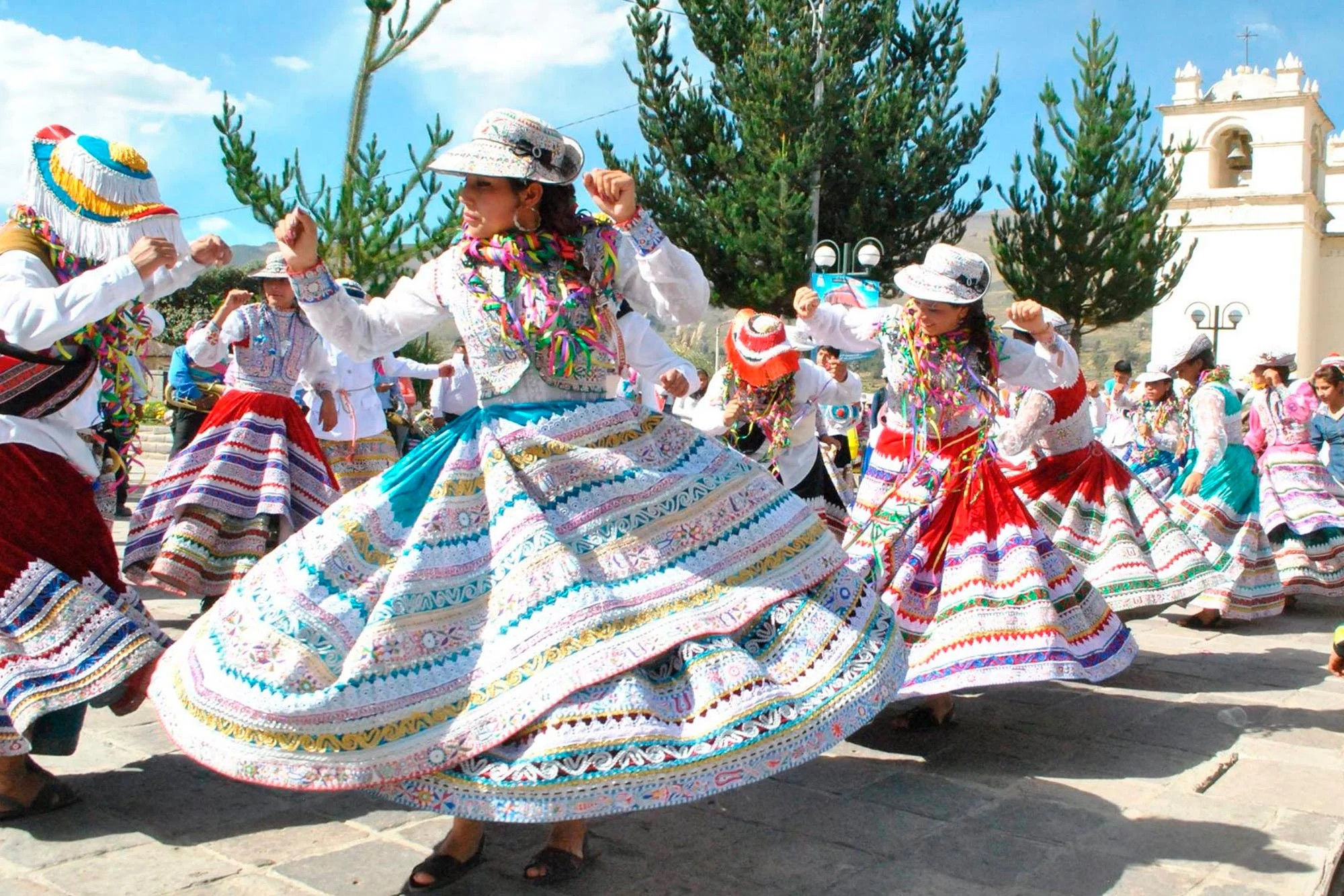
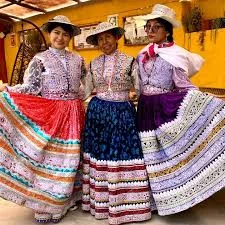
Cultural identity in Colca is defined by the living traditions of the Collagua and Cabana ethnic groups, who preserve native Quechua and Aymara dialects. Traditional women's attire features intricately embroidered vests, skirts, and distinctive hats that indicate ethnic lineage and village origin.

The Wititi dance represents Colca's premier cultural expression, inscribed on UNESCO's Representative List of Intangible Cultural Heritage. Performed during festive seasons, male dancers wear layered women's skirts and elaborate sequined hats in a joyful courtship ritual symbolizing love, defense, and fertility.

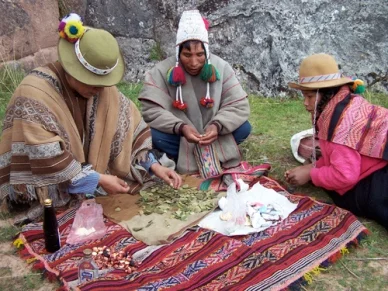
Spiritual life maintains a deep connection to Pachamama (Mother Earth) and the volcanic Apus. Seasonal agricultural festivals, water channel clearing rituals, and traditional Catholic saint celebrations feature vibrant street parades, traditional brass bands, and communal feasts across valley towns.

Canyon Rim Trekking, Condor Watching, and Thermal Baths

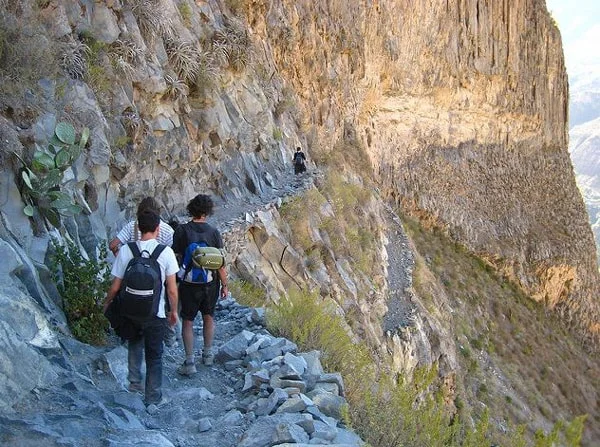
Colca is a world-class destination for high-altitude trekking and outdoor adventure. Popular multi-day trekking routes descend 1,200 vertical meters into the canyon, crossing footbridges over the Colca River to reach the green oasis of Sangalle before ascending steep switchback trails at sunrise.

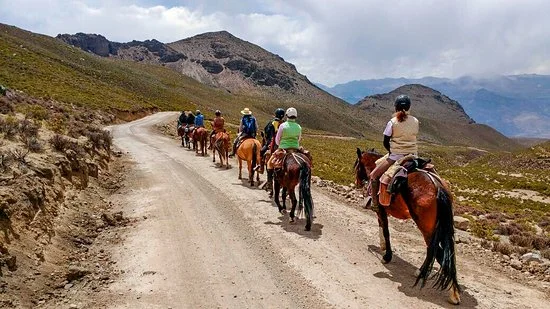
Morning condor-watching tours at Cruz del Cóndor provide incredible birdwatching and photography opportunities, while horseback riding tours on Peruvian Paso horses explore traditional agricultural villages, pre-Inca terraces, and geothermal vents along valley trails.

Travelers can enjoy relaxing thermal hot spring soaks at La Calera or Chacapi, mountain biking along scenic valley roads, ziplining across river gorges, and stargazing under clear Altiplano night skies. Photography enthusiasts will capture endless vistas of ancient terraced fields.

Highland Alpaca, Quinoa Soups, and Colca Flavors

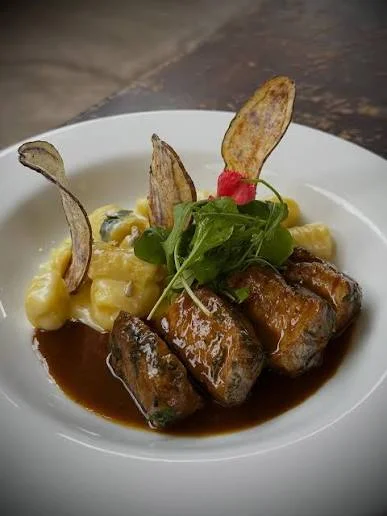
Local culinary specialties feature tender Alpaca tenderloin prepared grilled, in spicy pepper sauces, or slow-roasted. Fresh rainbow trout harvested from cold mountain streams is served pan-seared with native quinoa garlic rice, native butter beans, and fresh organic garden vegetables.

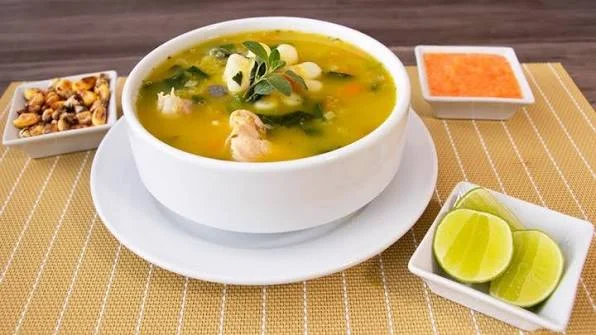
Hearty highland soups are essential for cool mountain evenings, featuring Sopa de Quinua, Chupe de Habas (fava bean soup), and Chairo, a thick broth prepared with dried potatoes (chuño), beef, and wild Andean herbs. Native corn, chuño, and fava beans accompany traditional entrees.

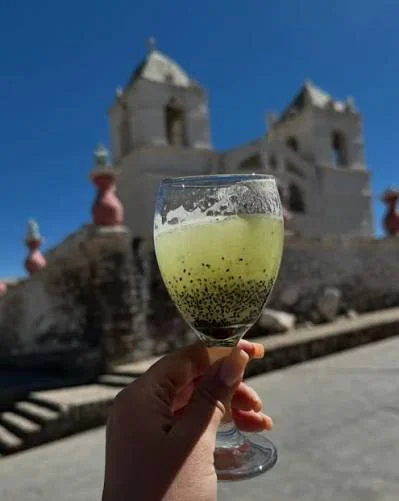
Regional beverages include comforting coca tea (mate de coca), wild mint muña tea, and Colca Sour, a unique local twist on the classic Pisco Sour crafted with native Sancayo cactus fruit. Dining in cozy rustic lodges with roaring fireplaces provides a memorable end to a day in the canyon.

Canyon Logistics, Altitude Tips, and Guide 2026

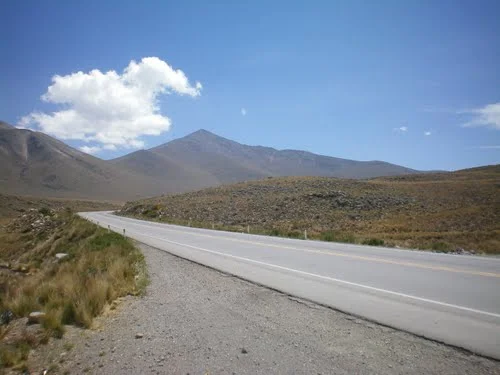
Located 160 kilometers from Arequipa city, Colca Canyon is easily reached via a scenic 3.5-hour drive across the Pampa Cañahuas Reserve (where wild vicuñas graze) and over Patapampa Pass (4,910m). Daily tourist buses and guided tours link Arequipa, Chivay, and Puno.

A Tourist Ticket (Boleto Turístico del Colca) is required for entry into the valley, which can be purchased at checkpoints entering Chivay. Staying overnight in Chivay or Yanque is strongly recommended to reach Cruz del Cóndor early in the morning when condor activity is highest.

With altitudes ranging from 3,600m in Chivay to 4,900m at high mountain passes, proper acclimatization is essential. Drinking plenty of water or coca tea, wearing layered warm clothing for freezing nights, applying strong sunblock, and carrying sturdy trekking shoes ensures a safe, rewarding visit.

Book Your Adventure

Ready to explore Colca Canyon?

Our local experts will design the perfect trip for you. Private tours, bilingual guides, and unique experiences.

Browse All ToursMore Destinations
Chat with a Local Peru Travel Expert