Peru Reservations
Sacred Valley
Sacred Inca Heartland

Sacred Valley of the Incas

The fertile heartland of the Inca Empire, featuring magnificent terraced citadels, salt mines, and living Quechua heritage

LocationCusco Region, Urubamba Province
Altitude2,870 meters (9,416 feet) sea level
ClimateMild and temperate (Days 22°C / Nights 10°C)
AirportAlejandro Velasco Astete (CUZ)
LanguageOfficial Spanish and native Quechua
CurrencyPeruvian Sol (Official code PEN)

Welcome to the Sacred Valley

The Sacred Valley of the Incas (Valle Sagrado de los Incas) winds along the fertile Urubamba River between Cusco and Machu Picchu. Sitting at a gentler elevation of 2,870 meters, this spectacular high-Andean corridor offers lush green landscapes, kinder oxygen levels, and an ideal setting for acclimatization.

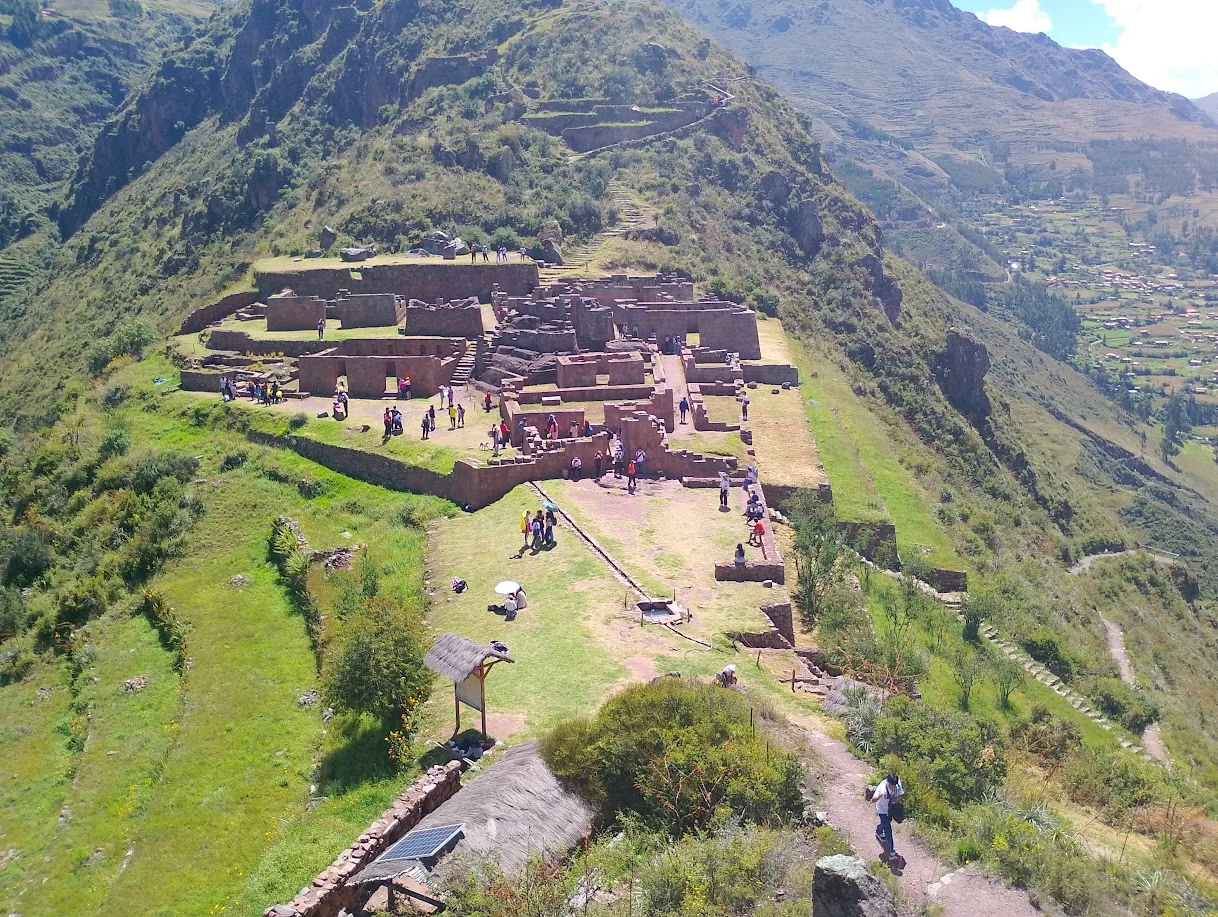
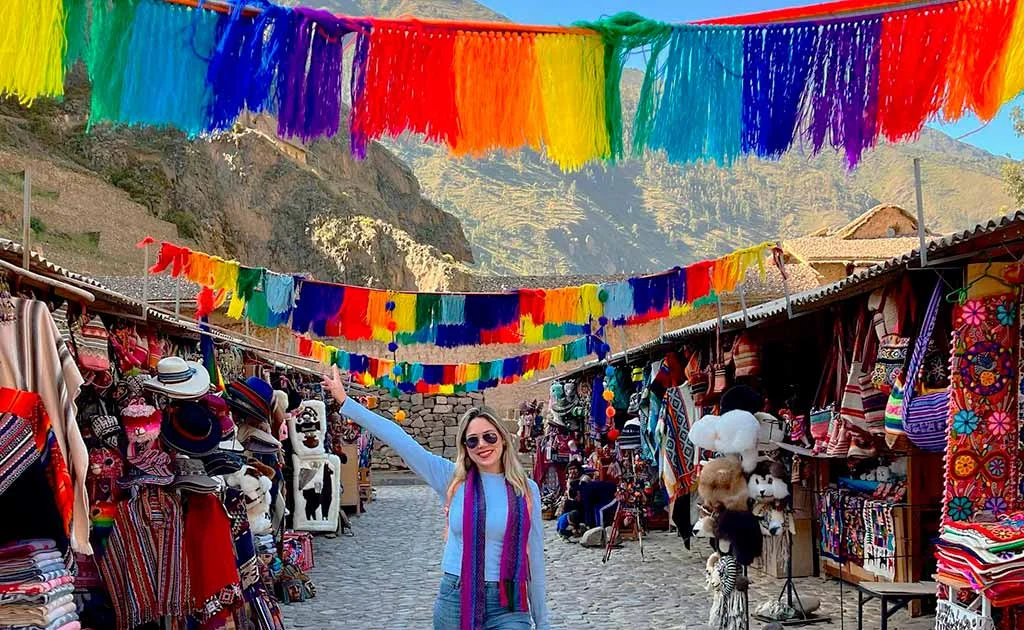
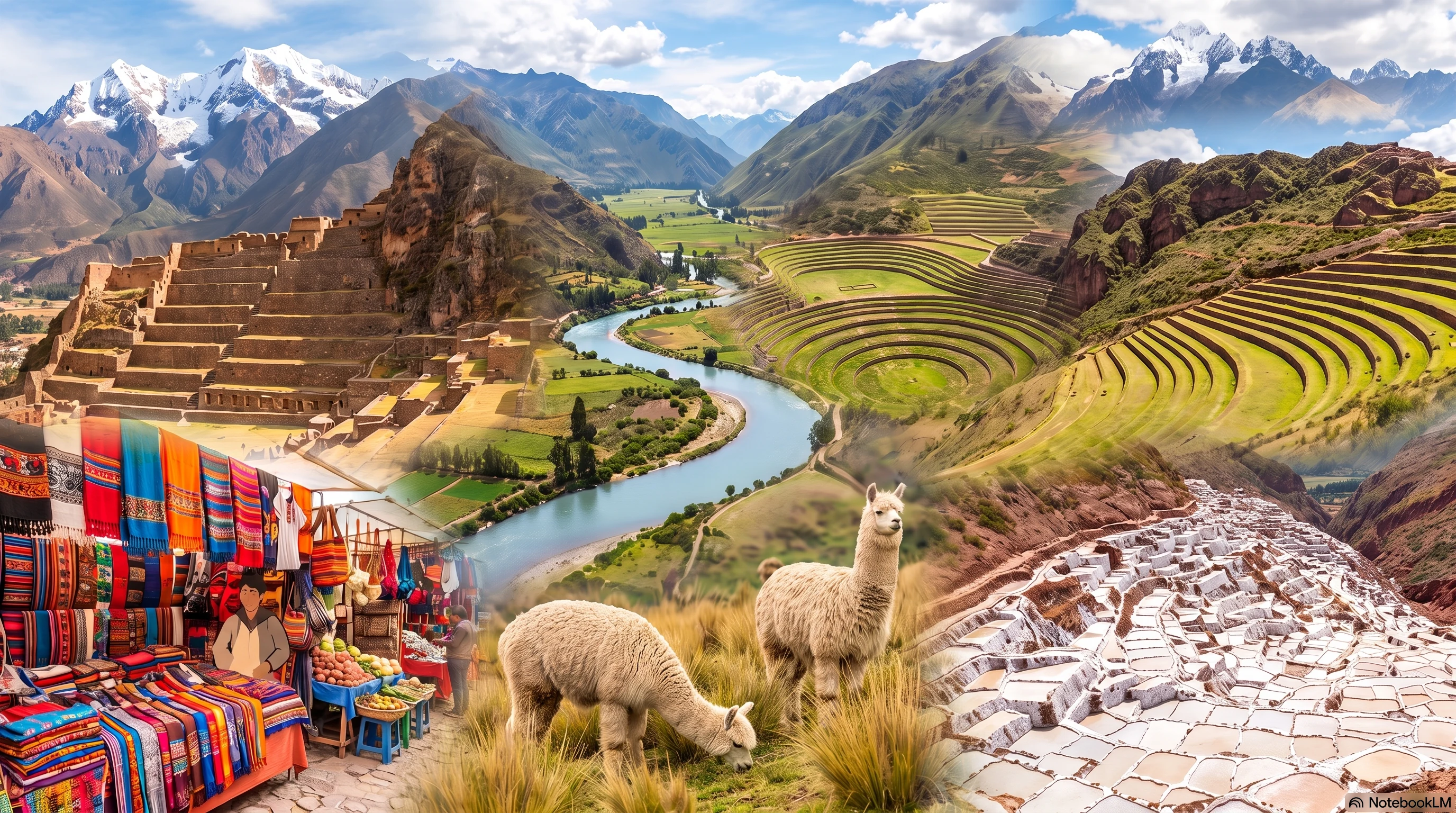
Flanked by dramatic snow-capped mountain ranges, the valley is dotted with monumental Inca citadels, colonial villages, and colorful indigenous artisan markets. Ancient agricultural centers like Pisac, Ollantaytambo, Chinchero, and Moray reveal the architectural mastery and farming genius of the Incas.

Today, the valley remains the agricultural and cultural heartland of Cusco's native Quechua communities. Travelers can explore sprawling terraced ruins, visit pre-Inca salt evaporation ponds at Maras, sample organic farm-to-table cuisine, and experience vibrant living traditions in an unforgettable setting.
Cradle of Inca Agricultural Mastery and Royal Estates

For the Inca Empire, the Sacred Valley was not merely a geographic feature, it was the agricultural backbone and spiritual cradle of their civilization. The fertile valley floor provided optimal conditions for cultivating giant maize and native potatoes at an elevation significantly milder than capital Cusco.

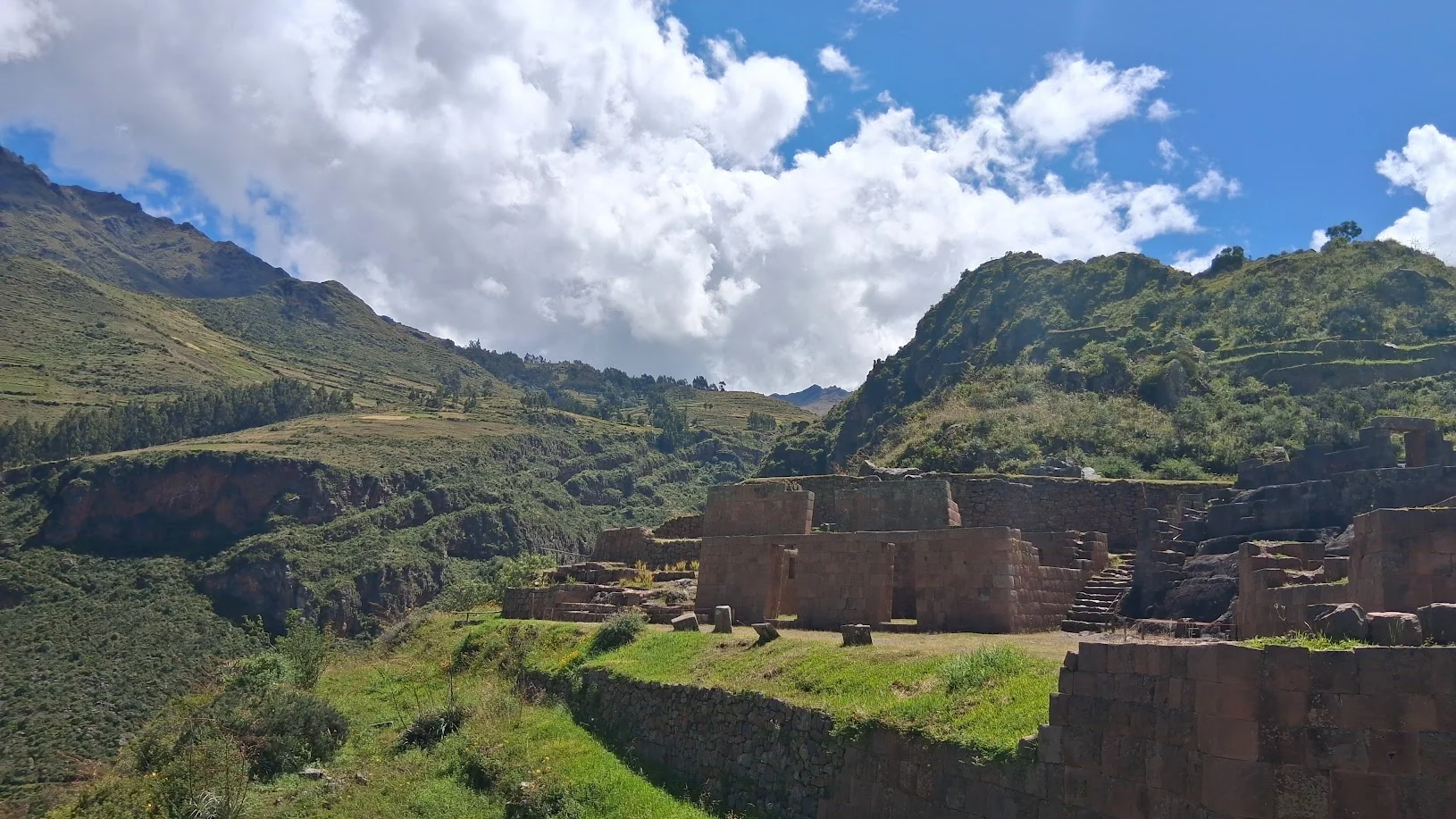
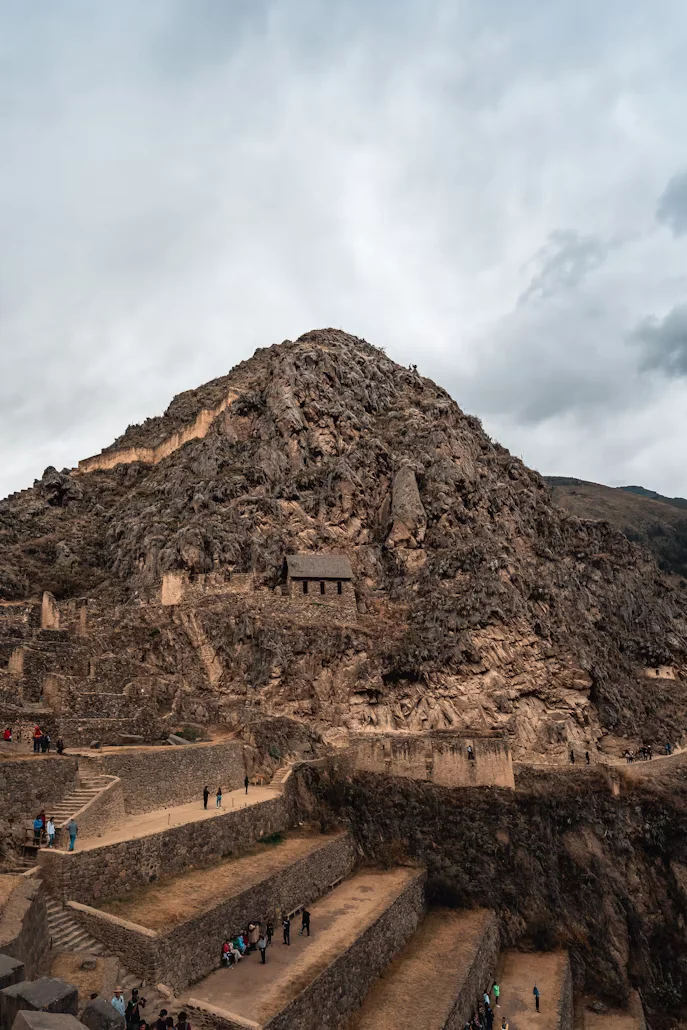
During the 15th century under Emperor Pachacuti and his royal lineage, the Incas transformed the valley into an architectural masterpiece. They constructed massive terraced agricultural complexes, royal palaces, defensive fortresses, and granaries (qollqas) that connected Cusco with the Antisuyu jungle province.

Following Spanish arrival in the 1530s, Ollantaytambo became the site of a famous Inca victory against Spanish forces led by Hernando Pizarro. Although colonial towns were built over ancient foundations, the valley's extraordinary Inca terraces and irrigation canals continue to function productively today.

Furious Urubamba River and Fertile Valleys

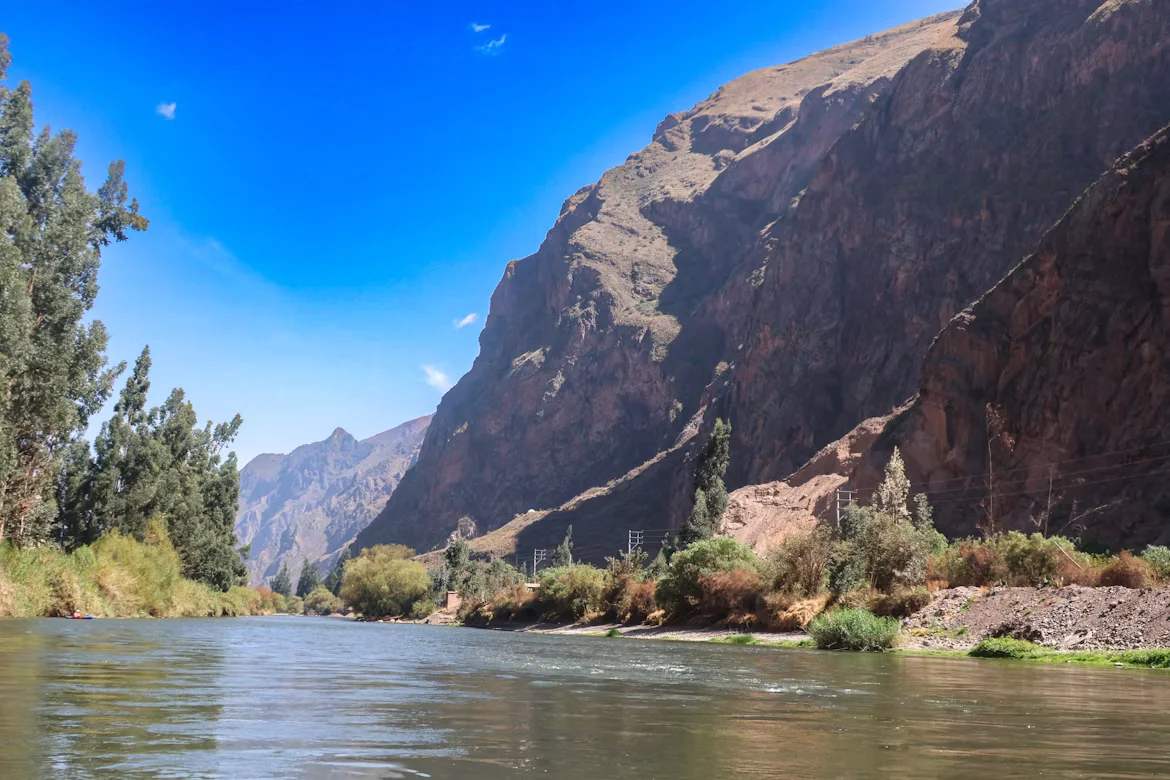
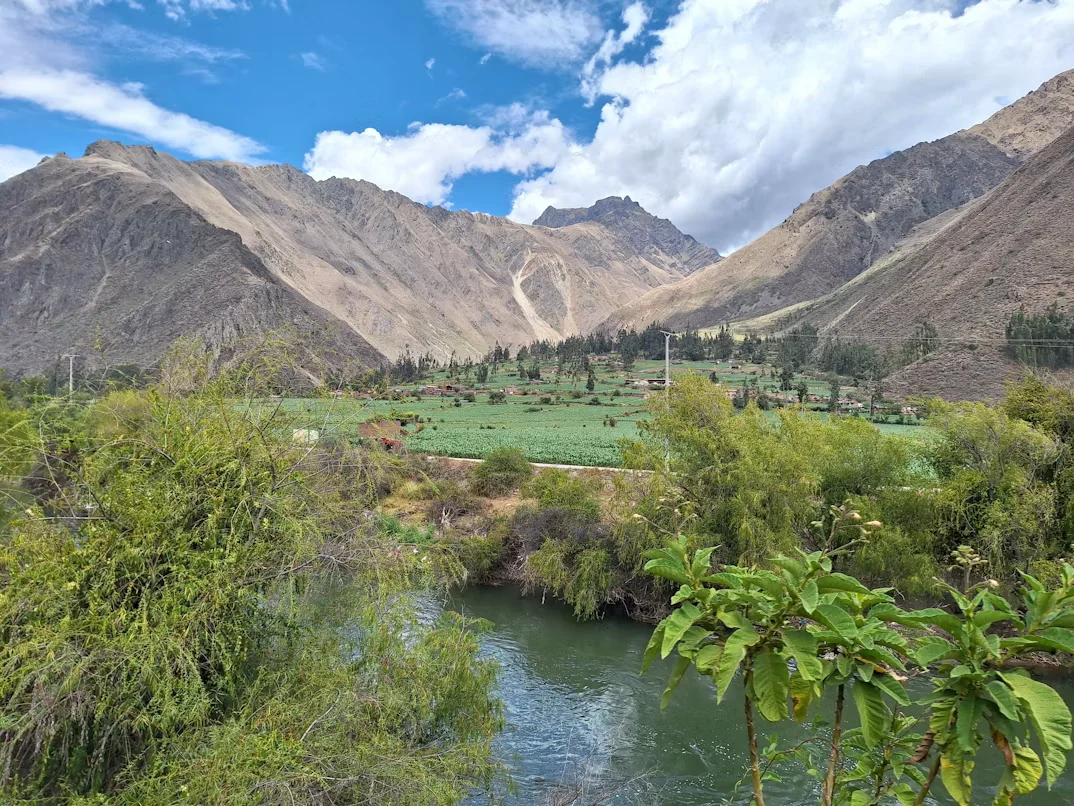
The Sacred Valley traces the winding course of the Urubamba River (known in Quechua as Willkamayu, or 'Sacred River') as it cuts through steep Andean canyon walls. The valley floor sits between 2,800 and 3,000 meters altitude, offering warmer temperatures and richer oxygen than nearby Cusco.

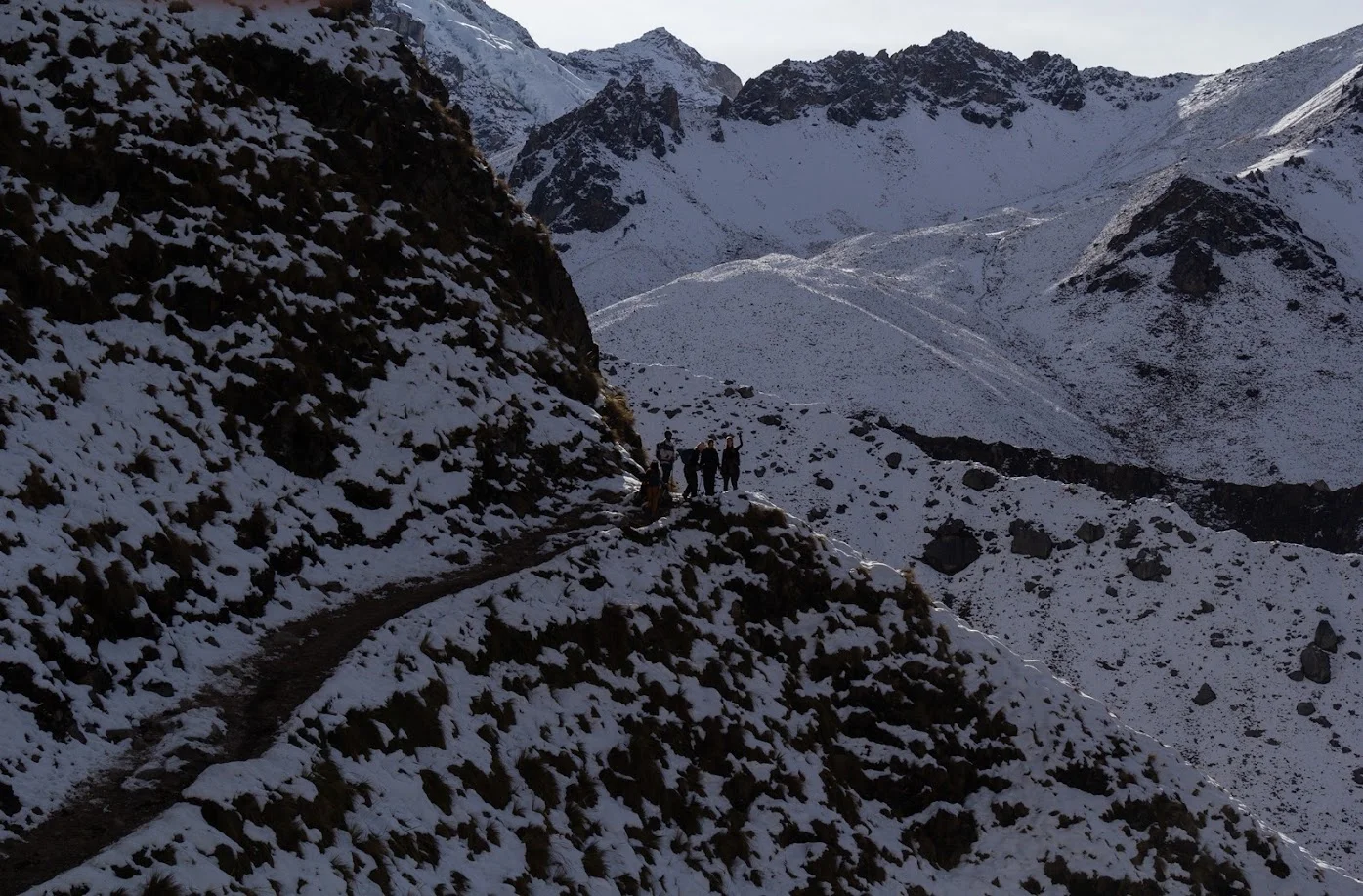
Towering snow-capped peaks exceeding 5,000 meters elevation, such as Mount Verónica and Chicón, form a breathtaking mountain backdrop above fertile valley fields. The unique geographic microclimate combines long hours of bright equatorial sunshine with abundant water supply from Andean glacial runoff.

This geography creates exceptional agricultural fertility, producing the world-renowned giant white corn of Urubamba alongside ancient grains. Lush eucalyptus groves, native molle trees, and vibrant wildflower fields carpet the valley floor, creating one of South America's most picturesque landscapes.

Pisac Terraces, Maras Salt Ponds, and Ollantaytambo

The Sacred Valley features extraordinary historical highlights, beginning with the hilltop Inca fortress and artisan market of Pisac. Downstream, Ollantaytambo stands as a living Inca town, boasting formidable stone terraces, royal temples, and original Inca street grids still inhabited by local families.

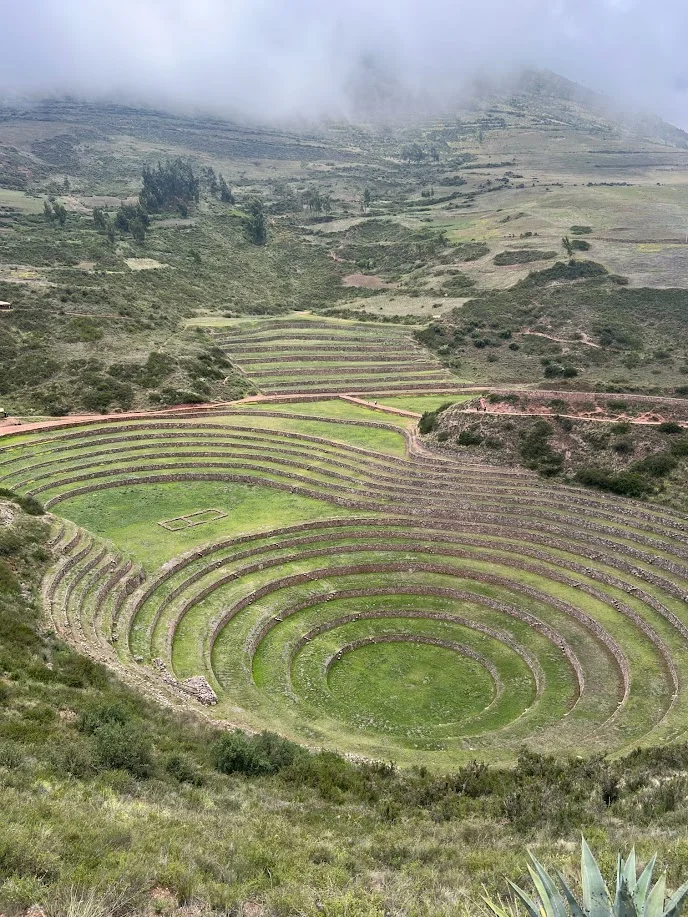
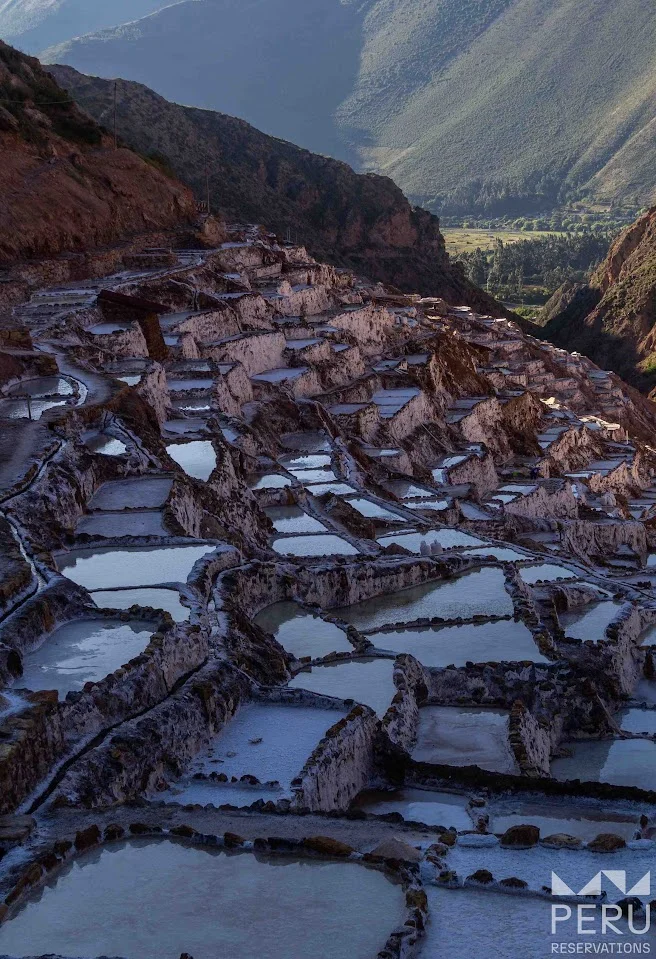
The agricultural terraces of Moray form a breathtaking spectacle of concentric circular amphitheaters designed as an ancient agricultural laboratory. A short distance away, the Maras Salt Mines showcase over 3,000 pink salt evaporation ponds cascading down a canyon, harvested manually since pre-Inca times.

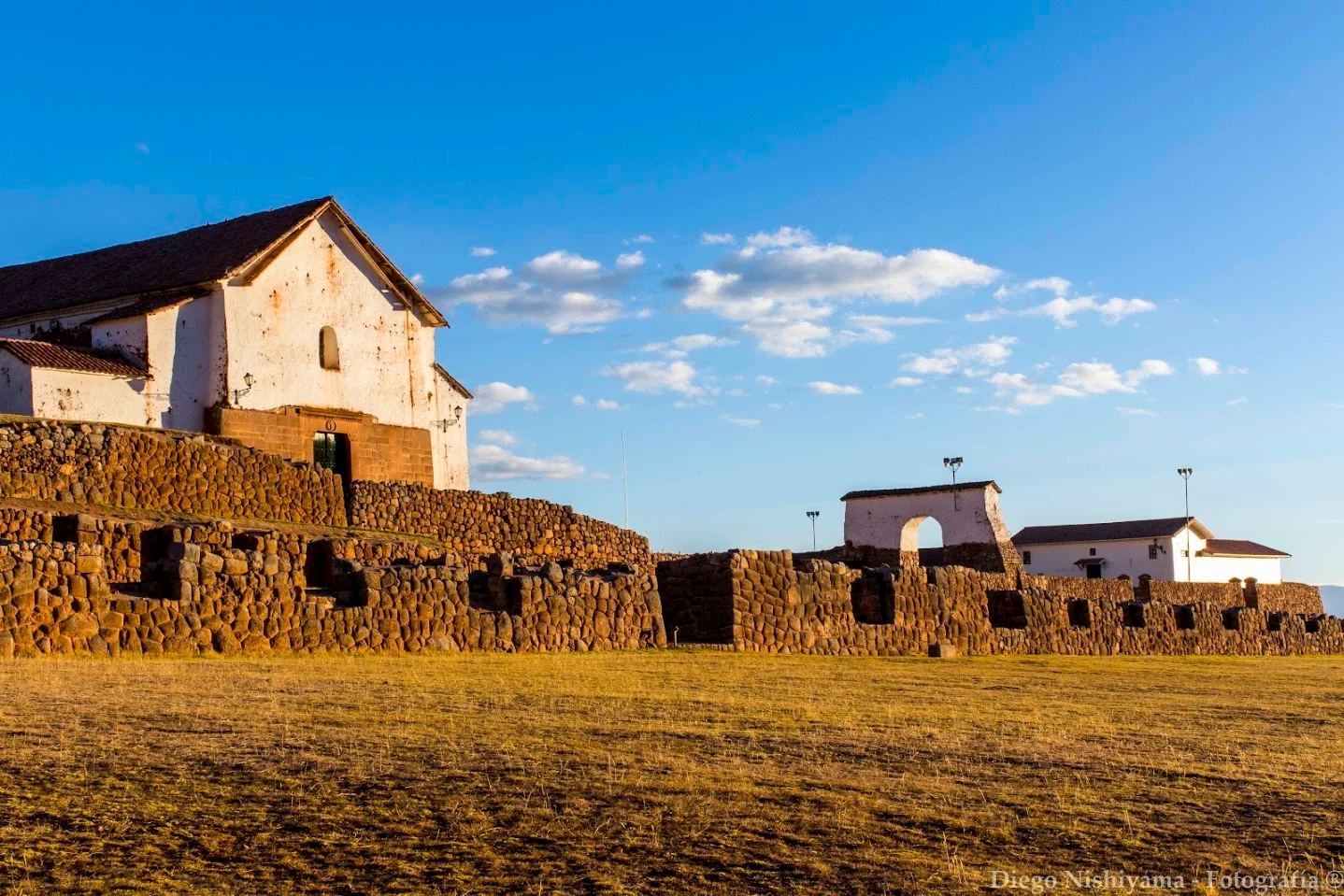
Chinchero offers a charming highland village featuring a colonial church built atop Inca palace foundations, surrounded by terraced fields and famous weaving cooperatives. Meanwhile, Urubamba provides luxury haciendas, organic farms, and easy access to outdoor river activities throughout the valley.

Andean Flora, Condors, and High Altitude Life

The dramatic elevation gradient of the Sacred Valley creates varied ecological niches supporting abundant high-Andean biodiversity. Lower valley zones feature fertile maize fields and flowering native plants, while higher mountain slopes transition into Andean scrublands, polylepis forests, and puna grasslands.

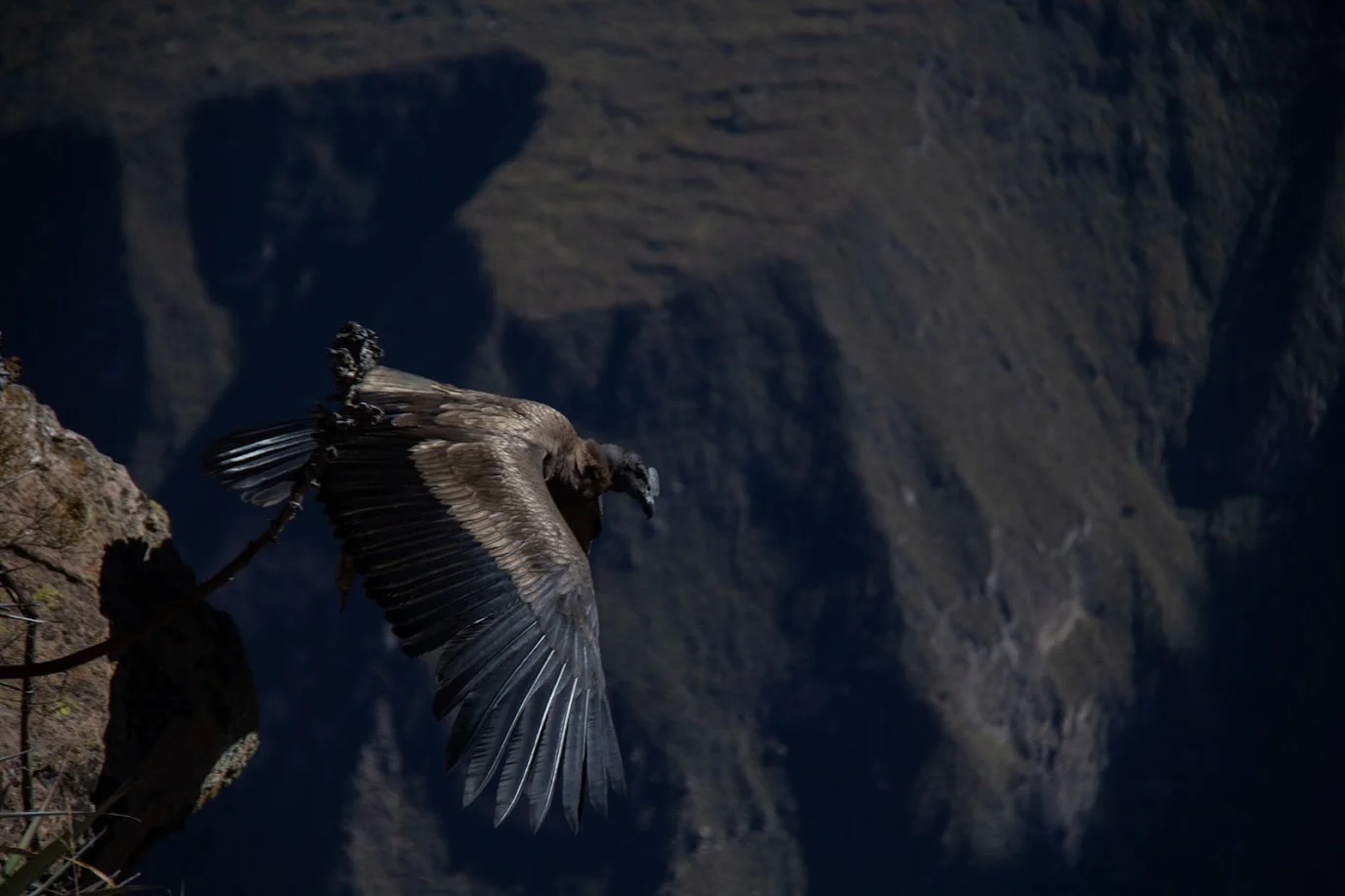
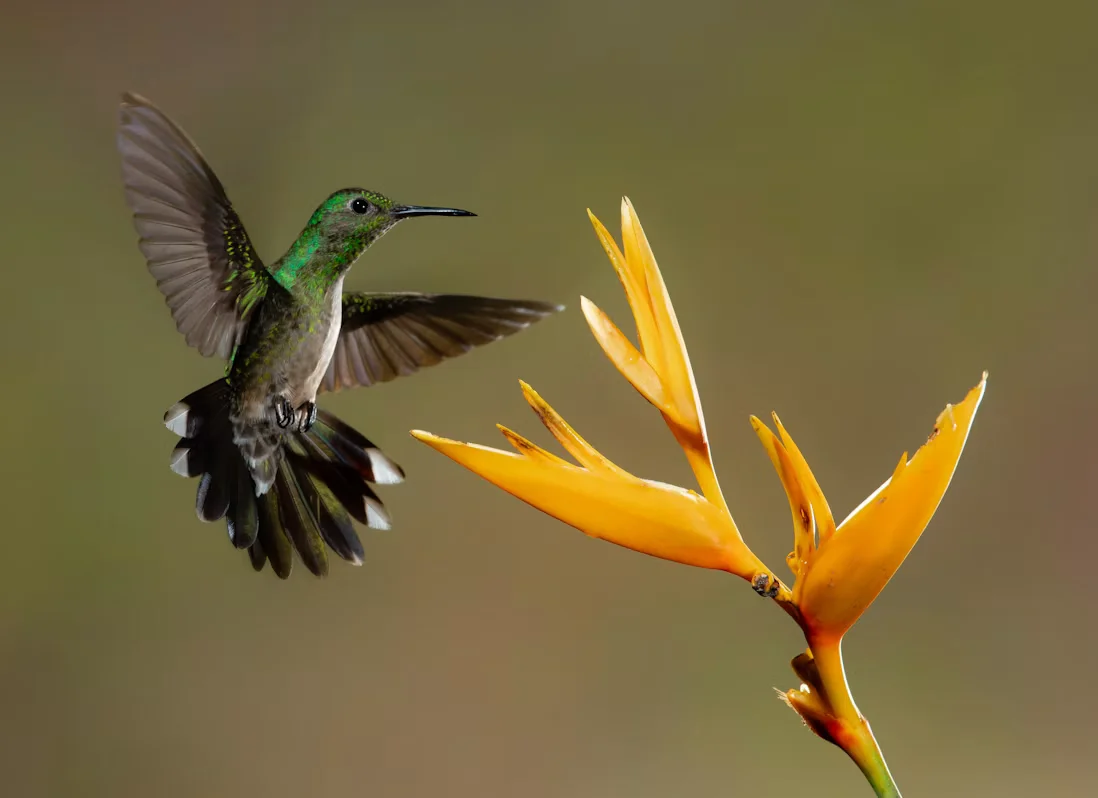
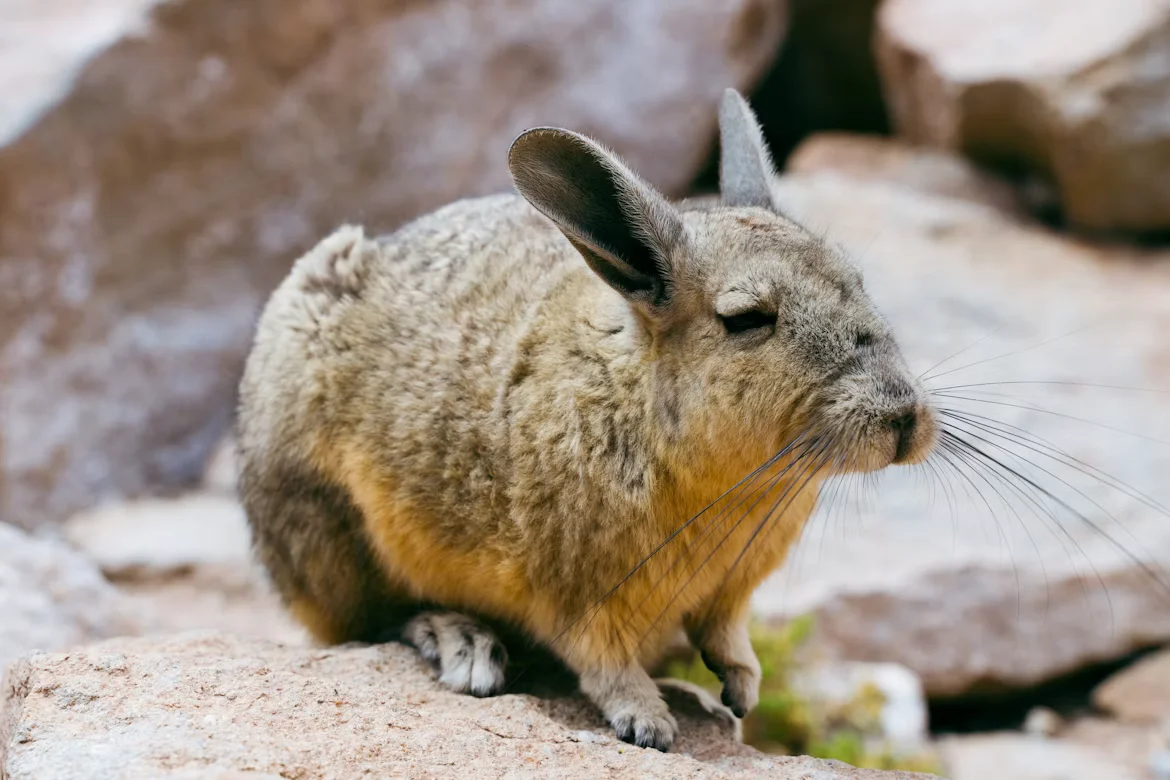
Majestic Andean condors (Vultur gryphus) soar gracefully along high canyon thermal currents, while colorful hummingbirds, including the Giant Hummingbird, feed among native cantuta flowers. High-altitude mammals like vizcachas (Andean chinchillas), deer, and foxes inhabit rocky cliffs near ancient ruins.

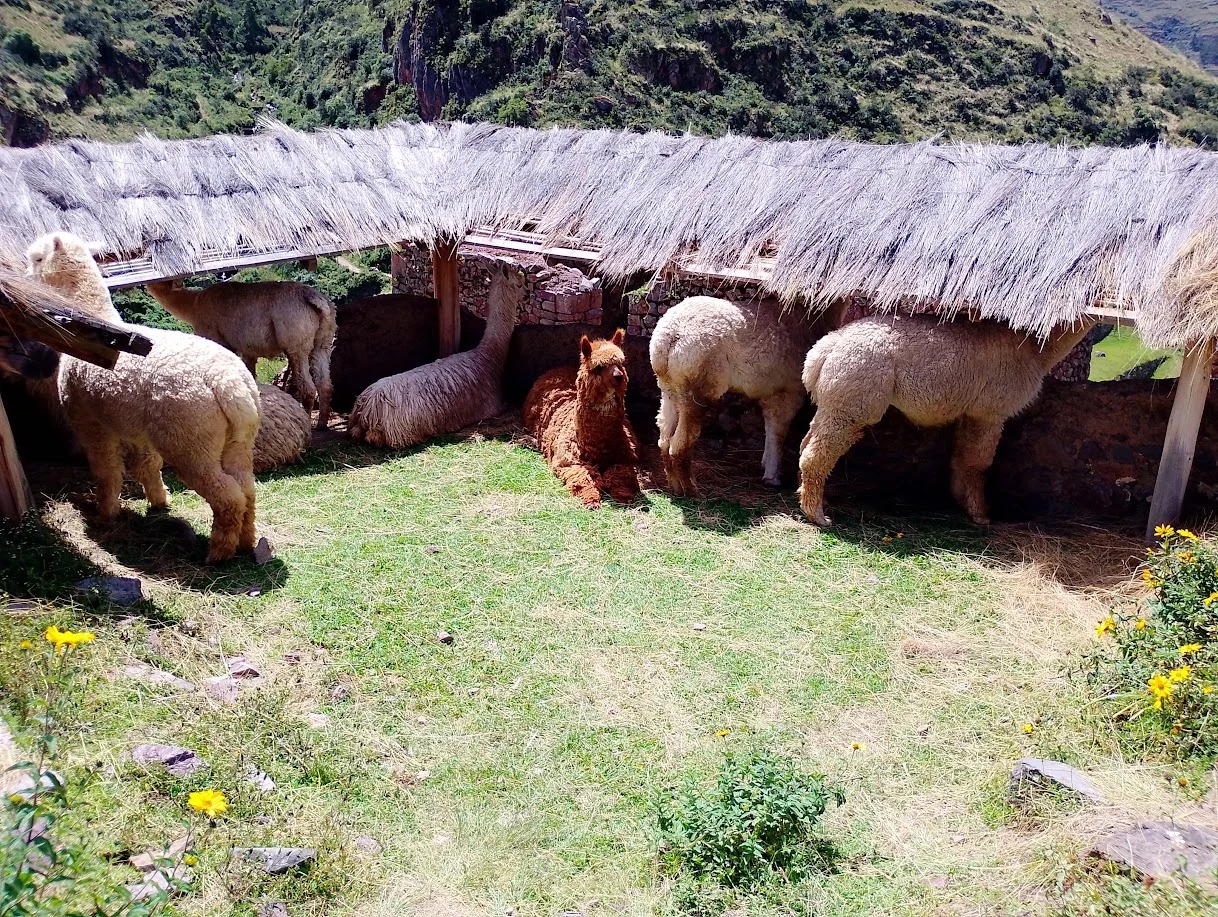
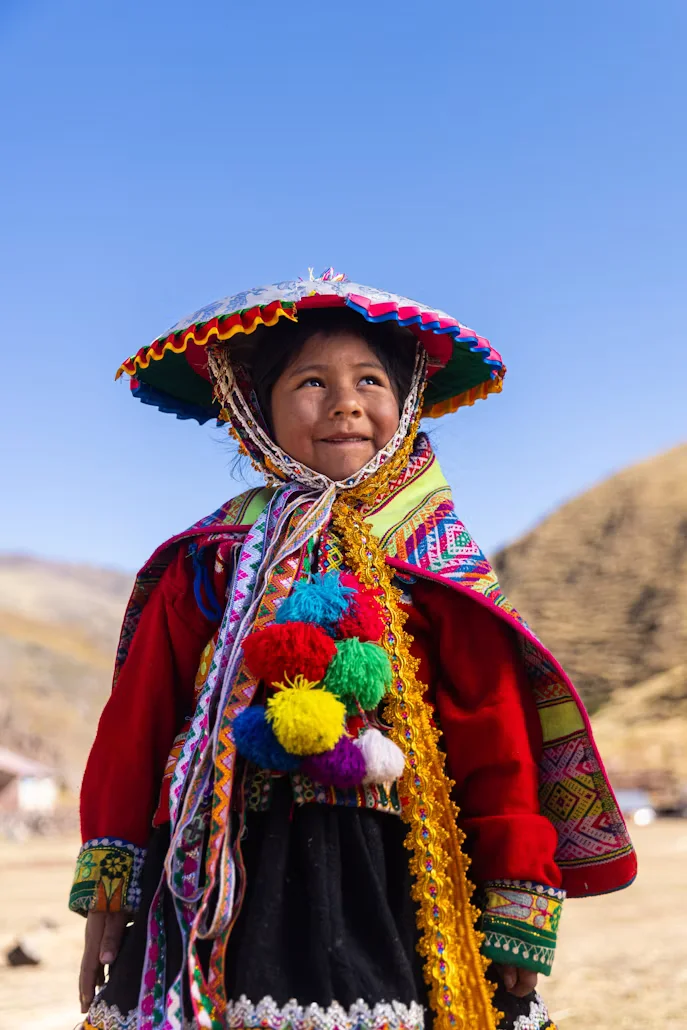
Herds of domesticated alpacas and llamas graze peacefully along highland pastures, tended by local Quechua herders wearing hand-woven textiles. Native medicinal plants, wild orchids, and elderberry trees thrive along riverbanks, enriching the natural ecology of the valley's protected reserves.

Quechua Traditions and Andean Agricultural Rites

The Sacred Valley is home to vibrant Quechua communities where ancient Andean traditions remain a daily reality. Local farmers still utilize traditional foot-plows (chakitaqlla) to till hillside terraces, governed by the ancestral concept of Ayni, reciprocal community labor and mutual support.

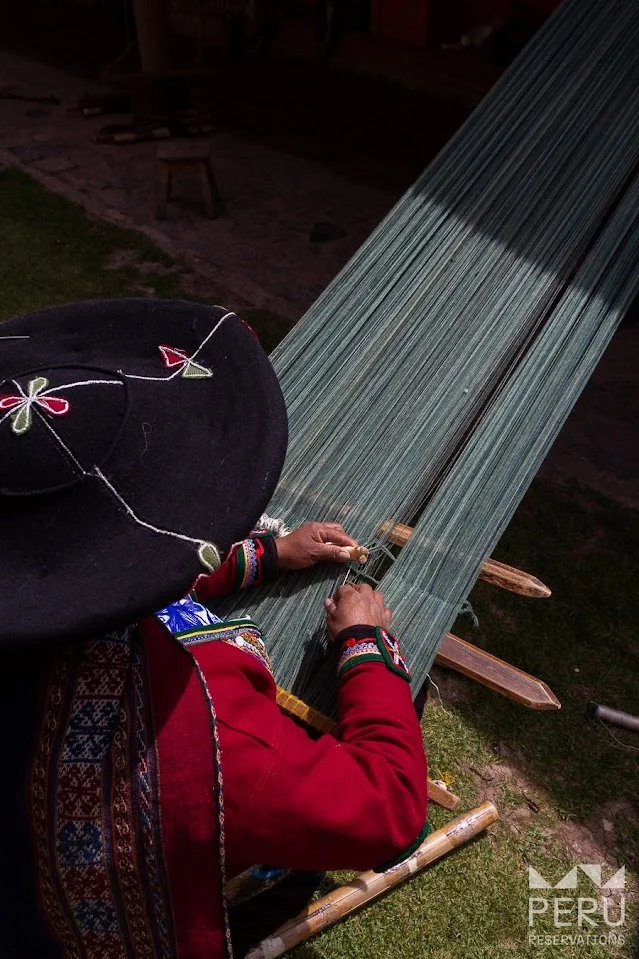
Textile weaving cooperatives in Chinchero and Ollantaytambo showcase master craftswomen spinning, dyeing alpaca wool with natural plants, and weaving intricate geometric patterns. These textile designs encode cosmological stories, local plant iconography, and ancestral family lineages passed down for centuries.

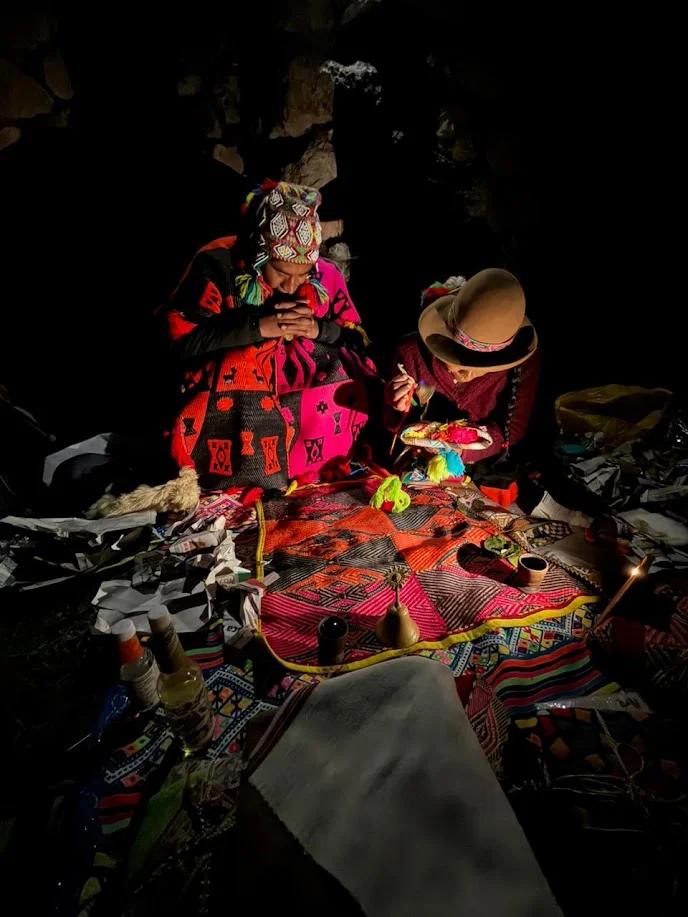
Spiritual connection to the earth guides community life through colorful agricultural festivals and seasonal Pago a la Tierra ceremonies. Quechua remains the primary native language spoken in mountain hamlets, preserving traditional songs, folklore, and agricultural wisdom across generations.

Sacred River Rafting, Horseback Riding, and Treks

The Sacred Valley is a premier adventure playground offering diverse outdoor activities suitable for all ages. Guided archaeological tours explore the monumental ruins of Pisac, Ollantaytambo, and Moray, while scenic day hikes follow ancient Inca trails connecting mountain villages and highland waterfalls.

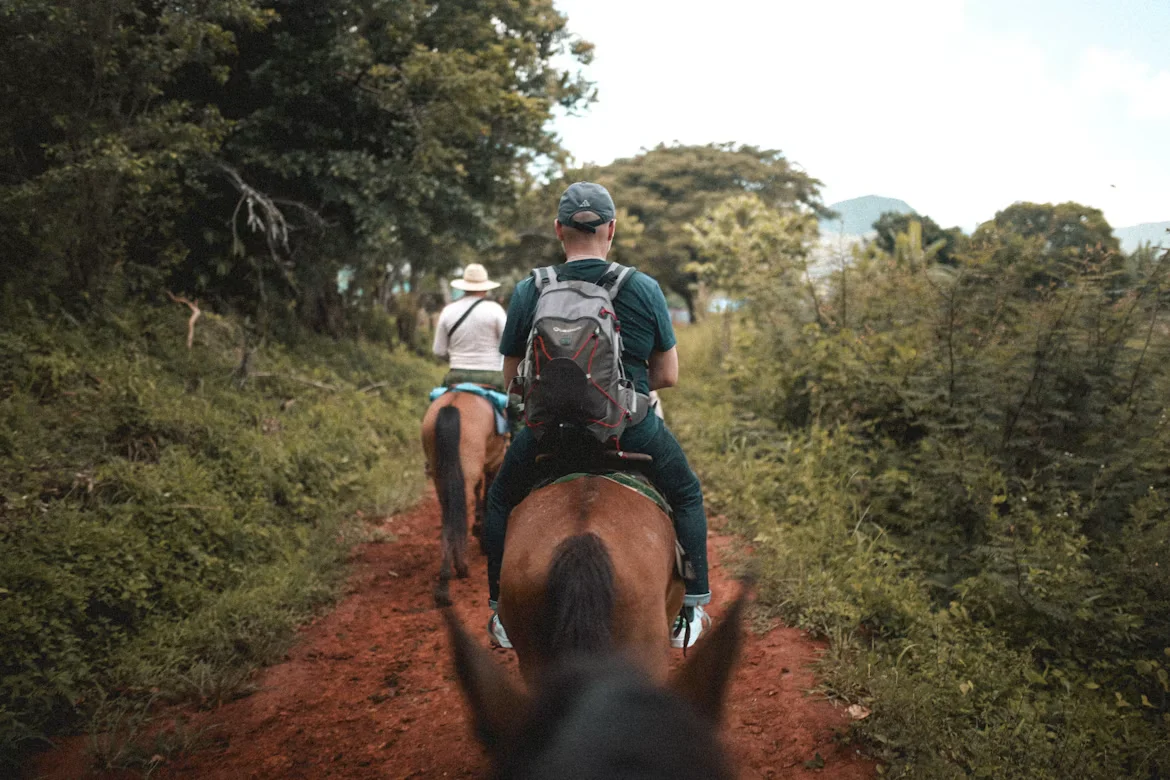
Thrill-seekers can experience white-water rafting along the Urubamba River with Class II to IV rapids, or climb the thrilling Via Ferrata and zipline cables high above the valley floor. Horseback riding tours on Paso horses explore scenic trails through the Maras salt ponds and agricultural terraces.

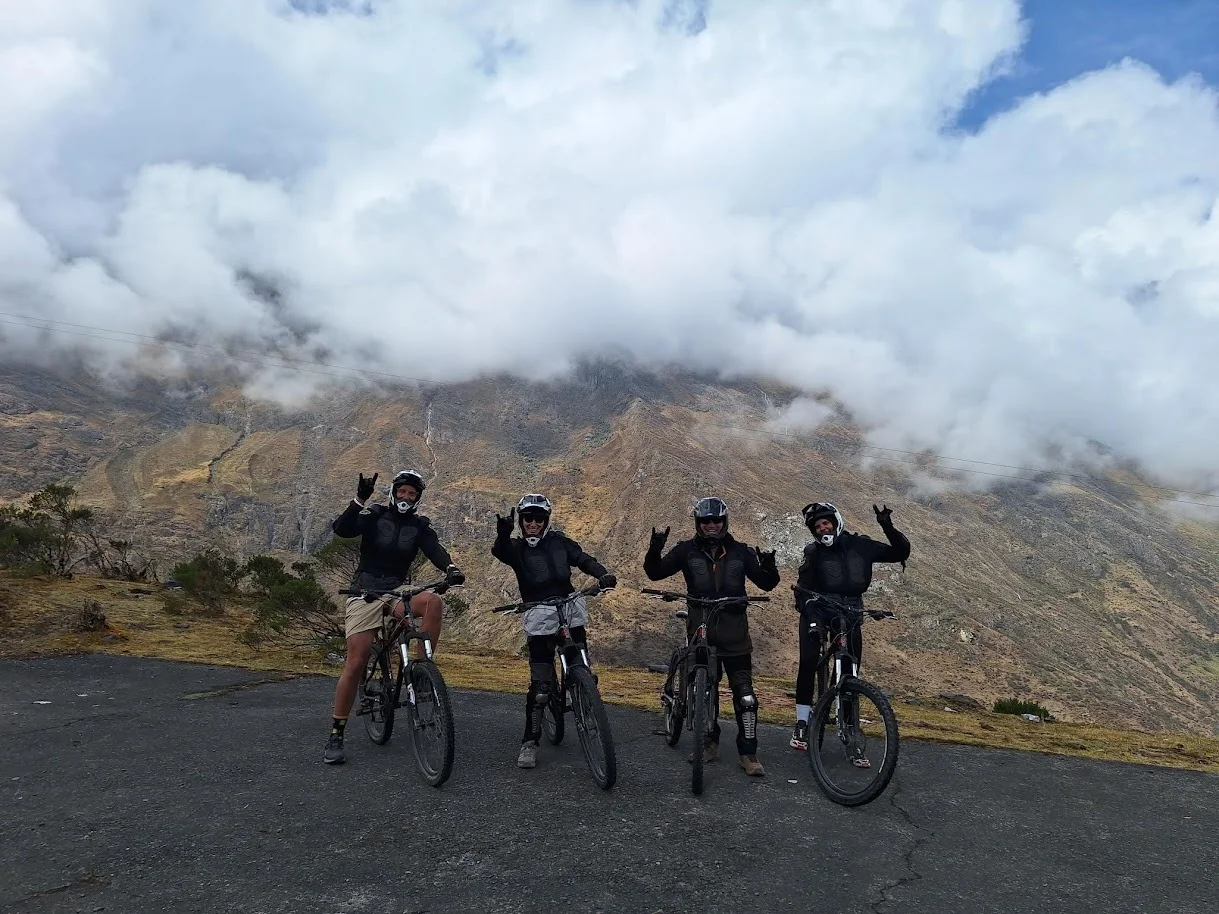
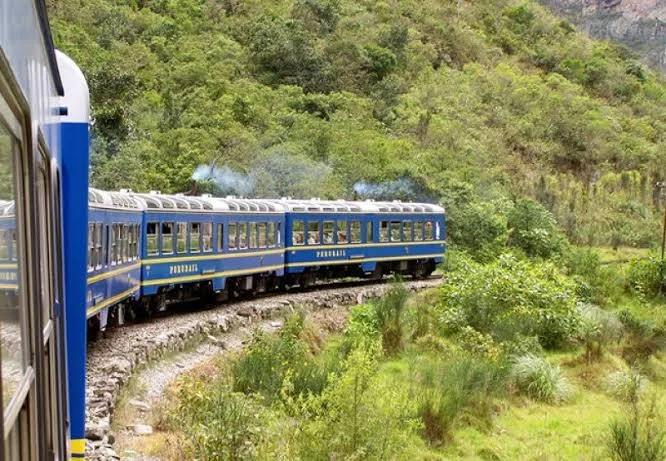
Mountain biking enthusiasts can tackle downhill trails from high mountain passes to the valley floor, while food lovers participate in organic farm tours and traditional Pachamanca earth-oven feasts. The valley also serves as the boarding point for scenic train rides to Machu Picchu.

Sacred Valley Giant Corn and Farm-to-Table Cuisine

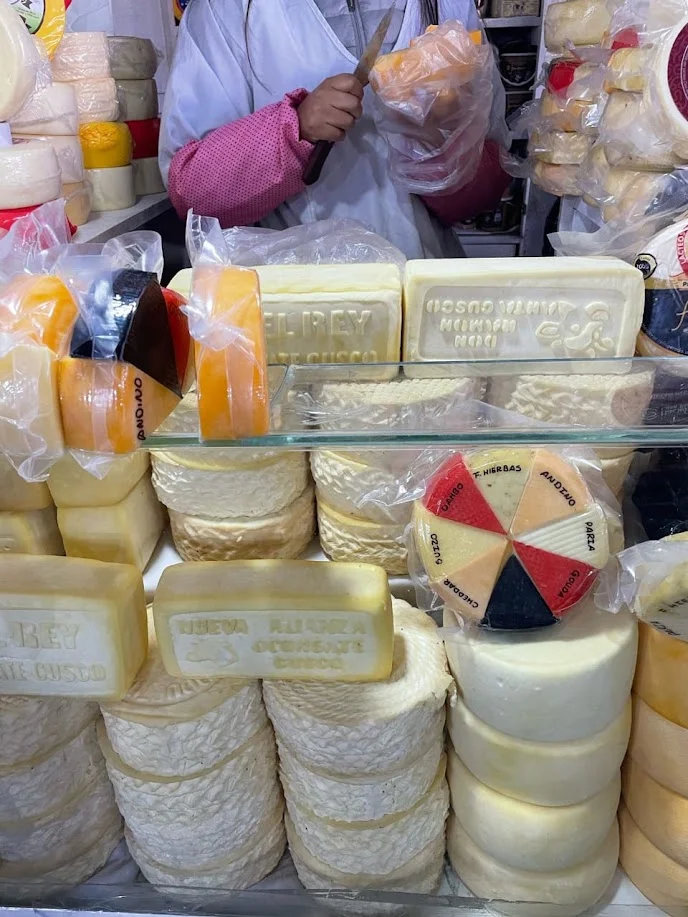
The valley's signature crop is the giant white corn of Urubamba (Paraqay Sara), protected by designation of origin and served boiled with fresh regional cheese. Native Andean ingredients like quinua, kiwicha, heirloom potatoes, and fresh river trout feature prominently in traditional local menus.

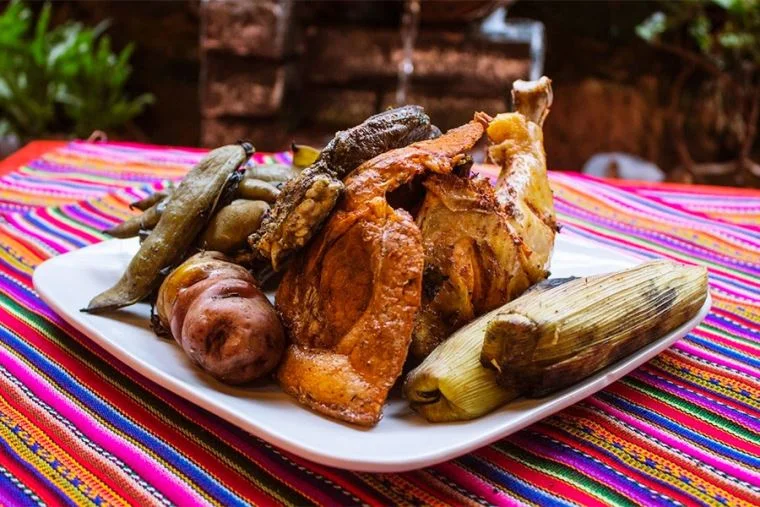
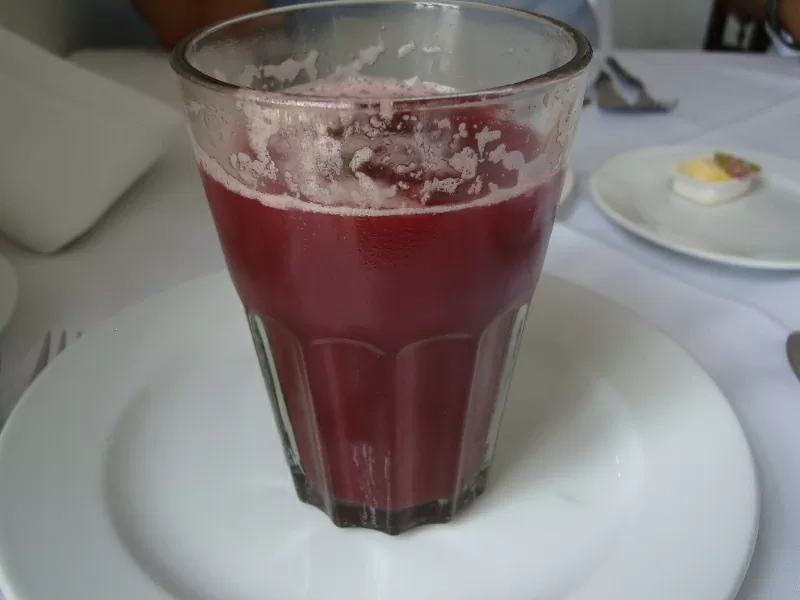
Traditional Pachamanca feasts represent a celebrated culinary ritual, where meats, tubers, and corn are slow-roasted underground over red-hot stones covered with aromatic plant leaves. Rustic picanterías serve refreshing chicha de jora alongside hearty Andean corn and vegetable stews.

In recent years, luxury haciendas and boutique eco-lodges across Urubamba and Yucay have established world-class organic dining experiences. Visitors can enjoy gourmet tasting menus, artisanal craft beer tastings, and organic coffee brewed from high-jungle beans while surrounded by mountain views.

Valley Acclimatization and Visitor Guide 2026

Sitting at 2,870 meters elevation, the Sacred Valley is widely recommended as the ideal place to stay during your first days in the Cusco region. The milder altitude helps prevent altitude sickness (soroche), offering comfortable sleeping conditions and easy acclimatization before visiting Cusco or high treks.

Ollantaytambo train station is the main rail hub connecting to Aguas Calientes (Machu Picchu Pueblo), making the valley an efficient staging ground. Comfortable private transport, taxis, and public minivans (colectivos) link all valley towns along paved scenic highways from Cusco within 45 to 90 minutes.

The Boleto Turístico del Cusco (BTG tourist ticket) is required for entry to major valley ruins including Pisac, Ollantaytambo, Moray, and Chinchero. The dry season from April to October brings sunny days (22°C) and cool nights, making it the most popular time for outdoor exploration and sightseeing.

Book Your Adventure

Ready to explore Sacred Valley?

Our local experts will design the perfect trip for you. Private tours, bilingual guides, and unique experiences.

Browse All ToursMore Destinations
Chat with a Local Peru Travel Expert