Peru Reservations
TRUSTED SITE
Lake Titicaca
World's Highest Navigable Lake at 3,812m

Lake Titicaca — Roof of the World's Waters

The world's highest navigable lake, sacred birthplace of the Inca sun god, and home to floating reed islands

LocationPuno, Peru / Bolivia border
Altitude3,812 m (12,507 ft) above sea level
Size8,372 km² — largest in S. America by volume
AccessFly or bus to Puno from Lima/Cusco
CrossingHydrofoil or catamaran to Copacabana (Bolivia)
ClimateCold at night (0–5°C), sunny days (15°C)

Welcome to Lake Titicaca

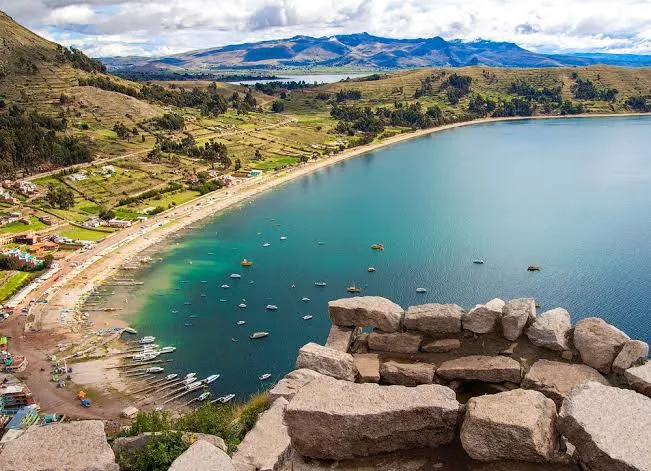
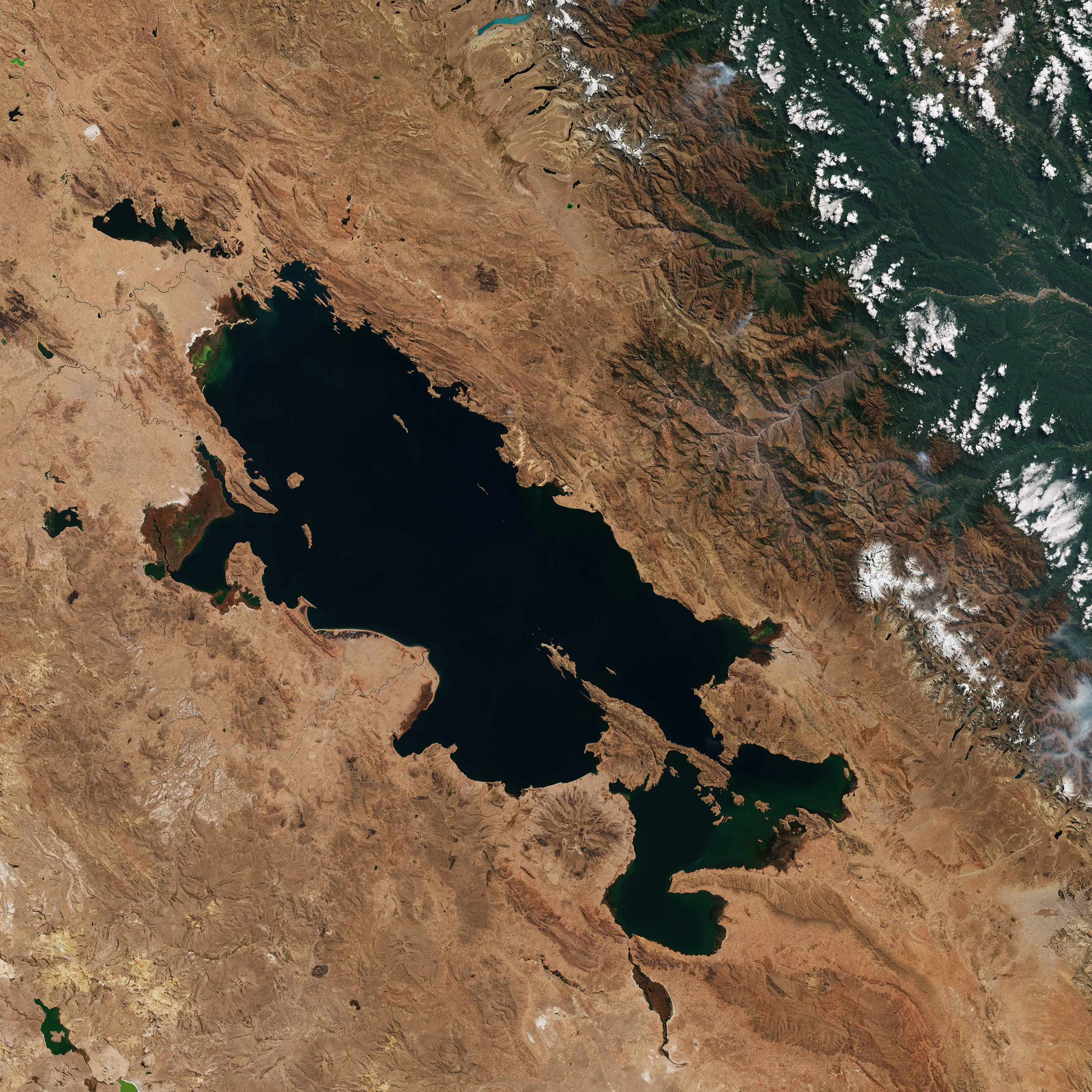
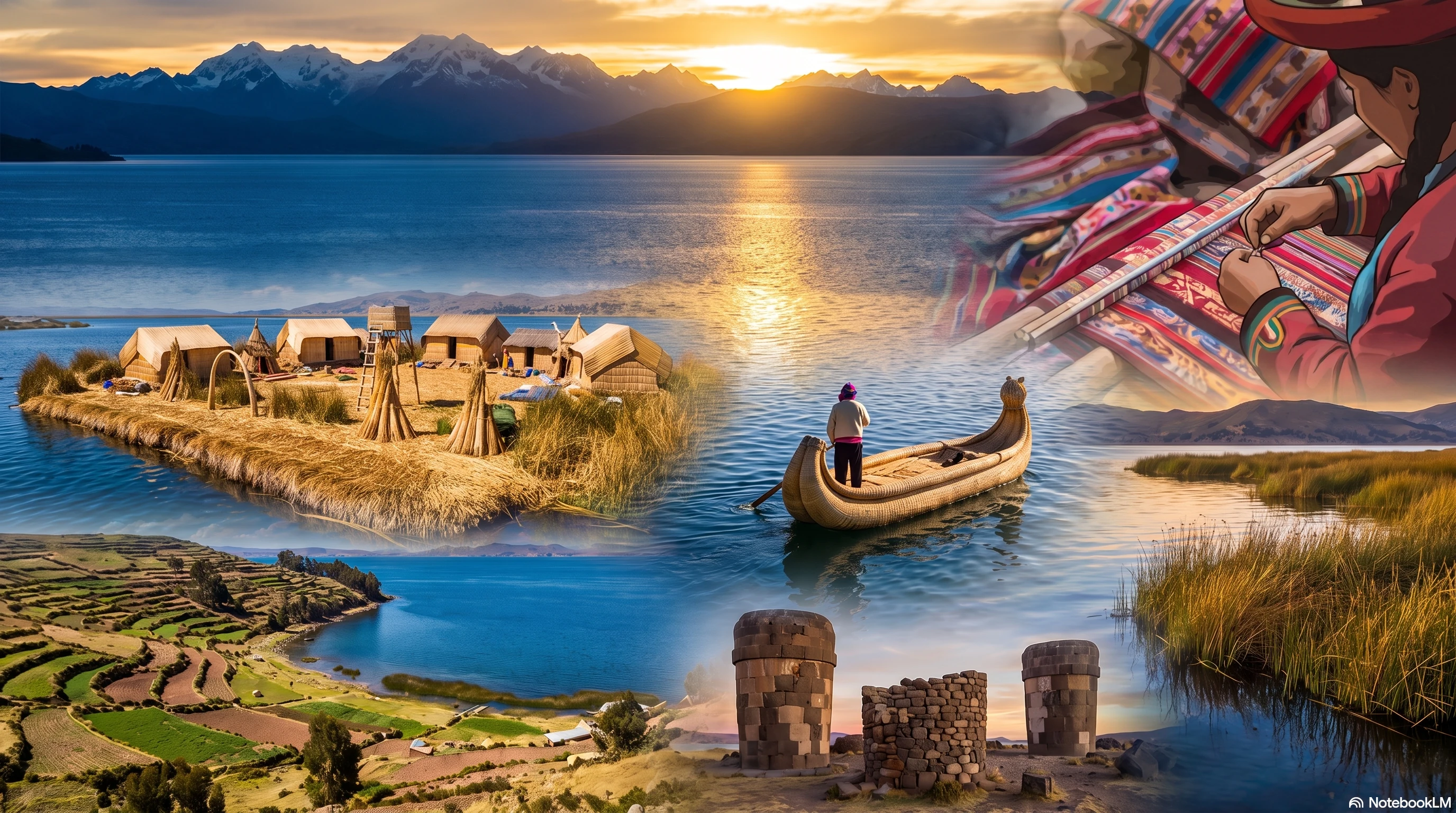
Lake Titicaca sits at an astonishing 3,812 meters above sea level on the Altiplano — the high plateau between Peru and Bolivia. The largest lake in South America by volume, its deep blue waters stretch 190 km long and 80 km wide. In Inca mythology, Titicaca was the birthplace of the sun god Inti and the legendary founders of the Inca dynasty. Today it is home to the extraordinary Uros — communities living on man-made floating islands of totora reeds — and to the Taquile and Amantaní islands where pre-Inca traditions survive.

Welcome to Lake Titicaca

History

Lake Titicaca has been sacred to Andean civilizations for thousands of years. According to Inca creation mythology, Viracocha, the creator god, emerged from the lake's waters and commanded the sun and moon to rise from the Isla del Sol (Island of the Sun) on the Bolivian side. The first Sapa Inca, Manco Cápac, and his sister-wife Mama Ocllo were also said to have emerged from the lake, sent by the sun god to found the Inca civilization.

The Tiwanaku civilization, centered near the lake's southern shores in modern-day Bolivia, was one of the most important Andean cultures before the Inca, flourishing between 300-1000 AD and leaving remarkable megalithic ruins. The Inca incorporated the lake into their sacred geography and built temples on the islands.

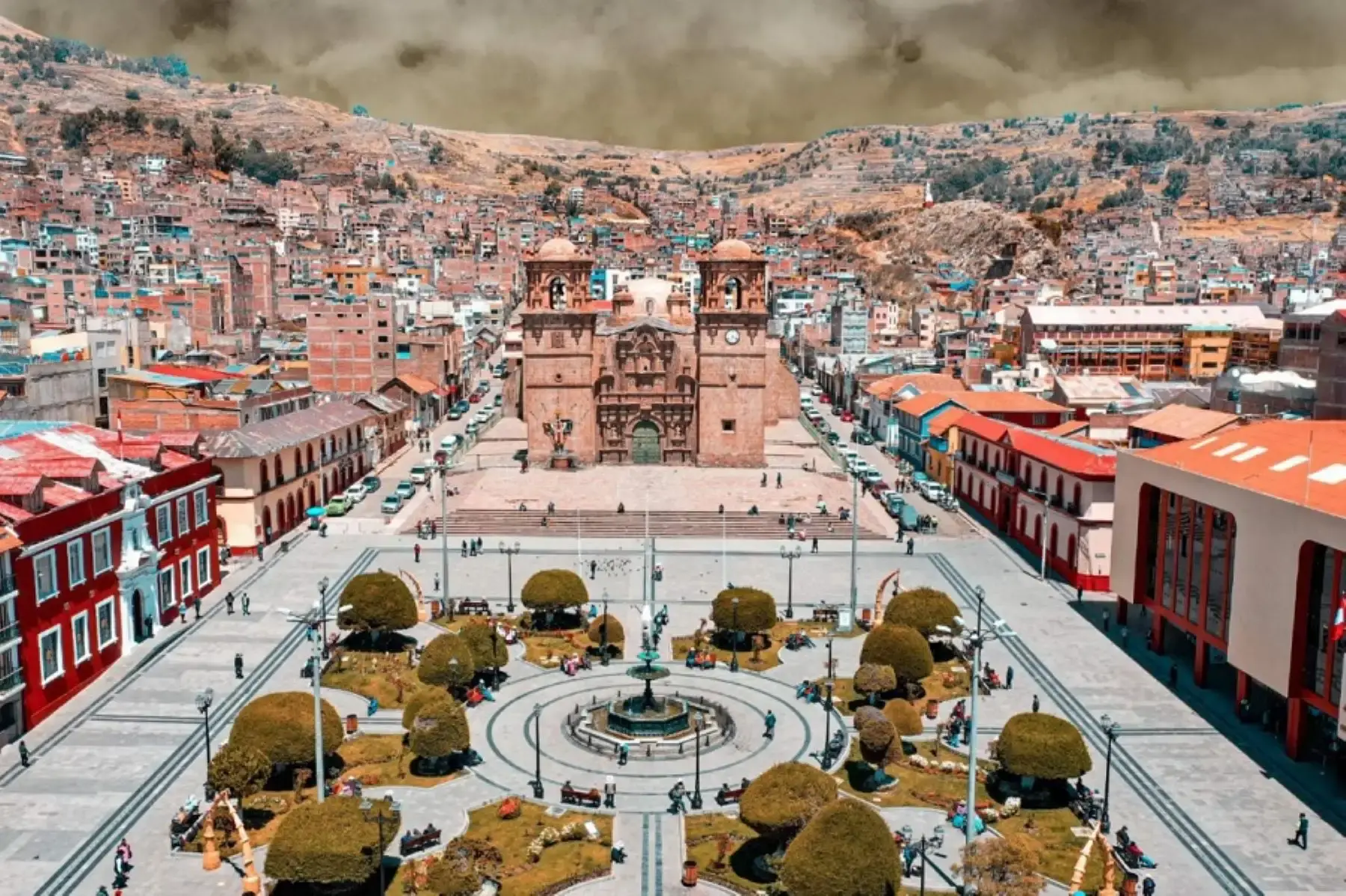
Spanish colonizers were astonished by Titicaca's size and sacred importance. Puno, the city on the Peruvian shore, was founded in 1668 as a colonial town and silver mining center. Today it is the folklore capital of Peru, famous for its vibrant traditional festivals.

History

Geography

Lake Titicaca occupies a depression in the Altiplano, the high plateau that forms the spine of the Andes between Peru and Bolivia. At 3,812 meters above sea level, it is the world's highest commercially navigable lake. The lake's great depth (maximum 281m) moderates the extreme Altiplano temperatures, creating a surprisingly mild microclimate around its shores.

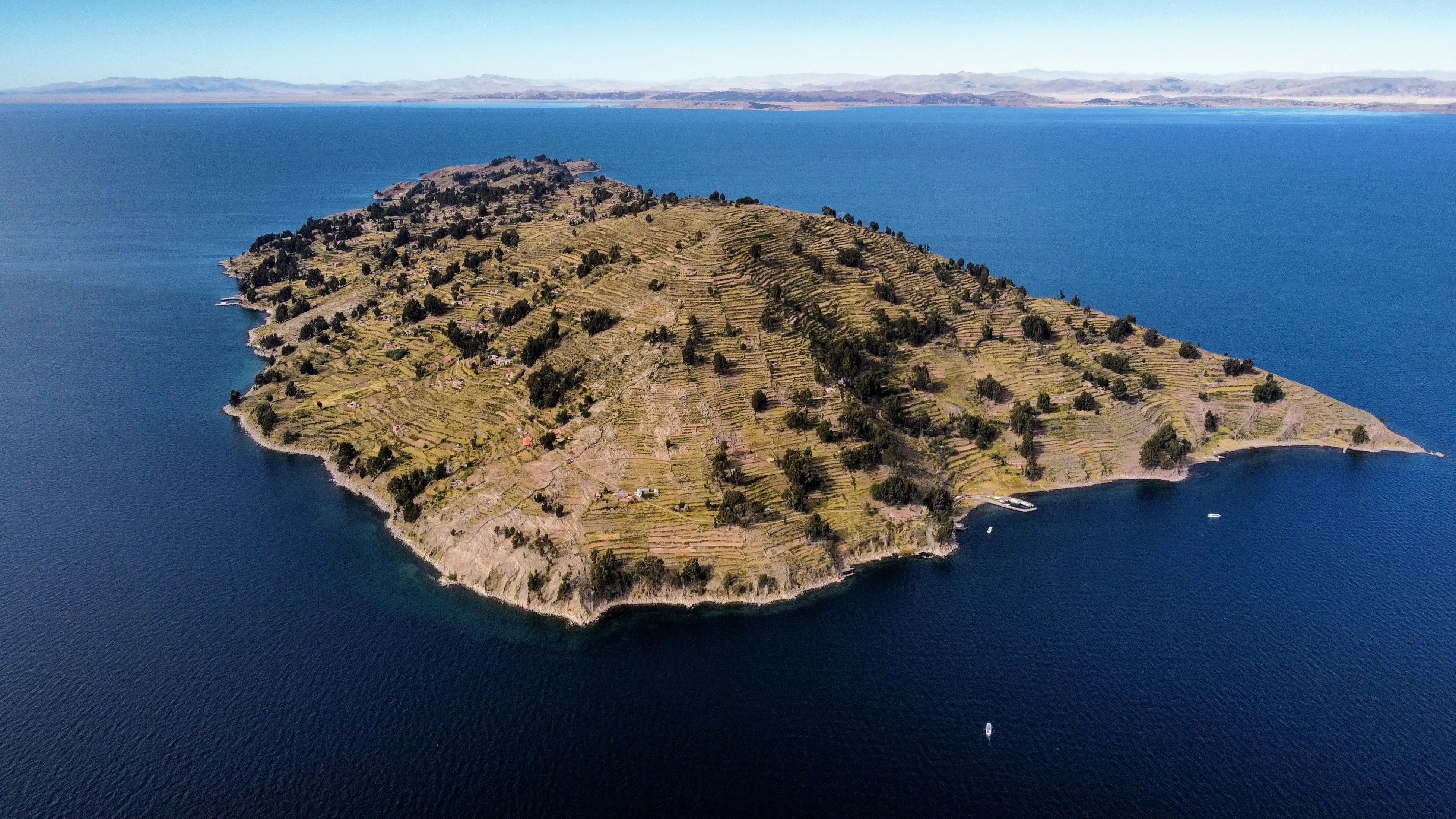
The lake is divided into two parts connected by the Strait of Tiquina: Lago Grande (Chucuito) on the north (larger and deeper) and Lago Pequeño (Huiñaymarca) to the south (shallower, with the Uros floating islands). Forty-one islands dot the lake, including the inhabited islands of Taquile, Amantaní, and the artificial Uros islands.

Geography

Wildlife

Lake Titicaca is home to unique species adapted to its cold, high-altitude waters. The Titicaca water frog (Telmatobius culeus) — also called the 'scrotum frog' for its baggy skin — is endemic to the lake and critically endangered. Its excessive skin folds allow it to absorb oxygen directly from the water without surfacing.

The Titicaca grebe (short-winged grebe) is another endemic species — a flightless diving bird that has lost the ability to fly due to the lake's abundant fish supply. Flamingos, Andean geese, puna ibis, and giant coots also inhabit the lake's shores and reed beds. Giant Titicaca catfish (suche) and the endemic silverside fish (ispi) are important for local fishermen.

Wildlife

Top Attractions

Top Attractions

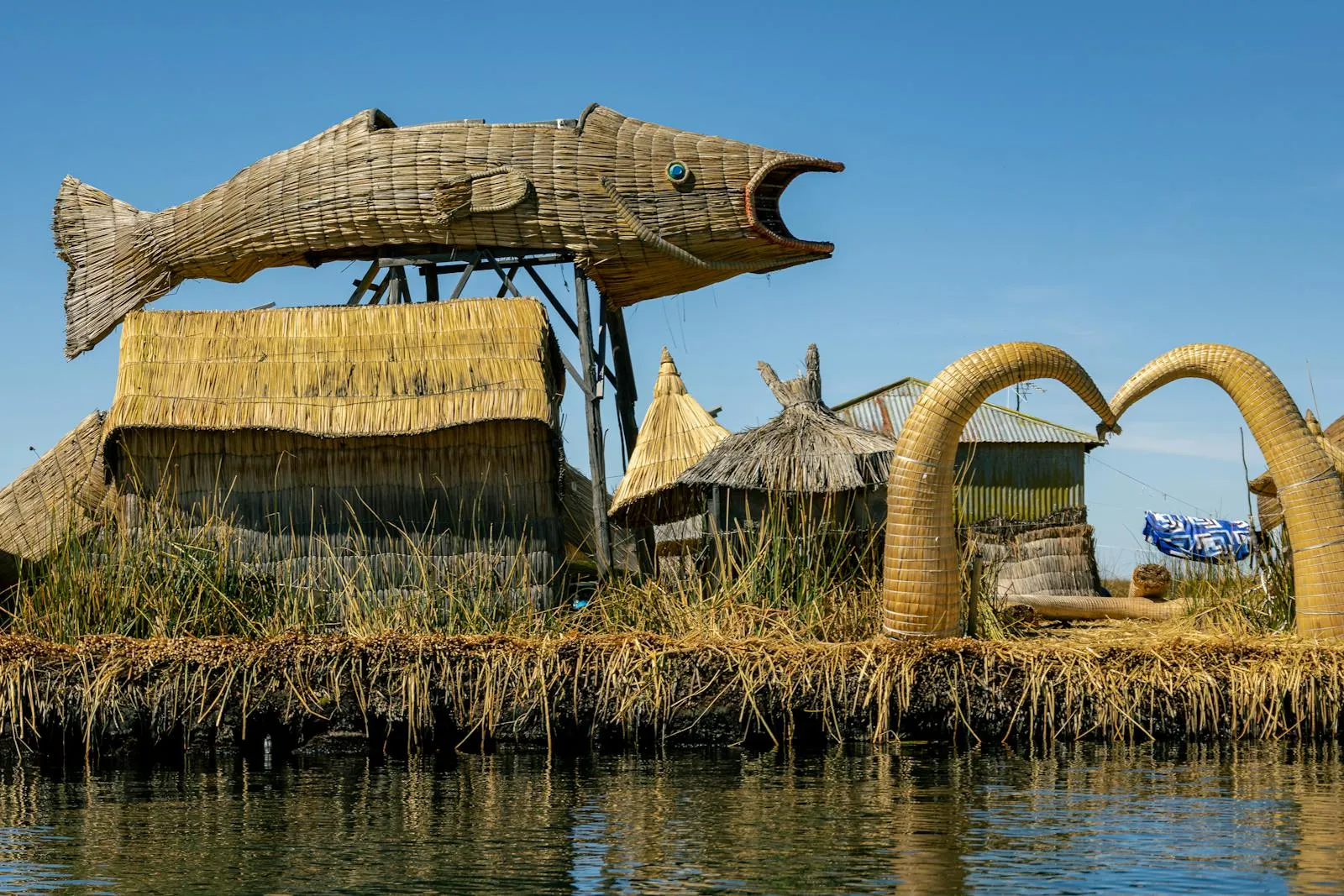
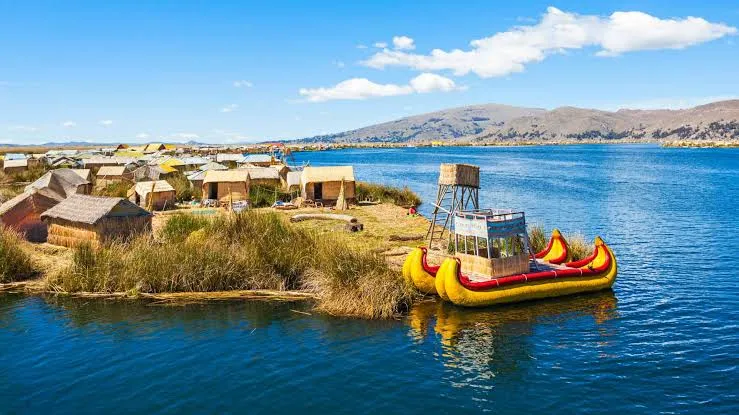
Uros Floating Islands

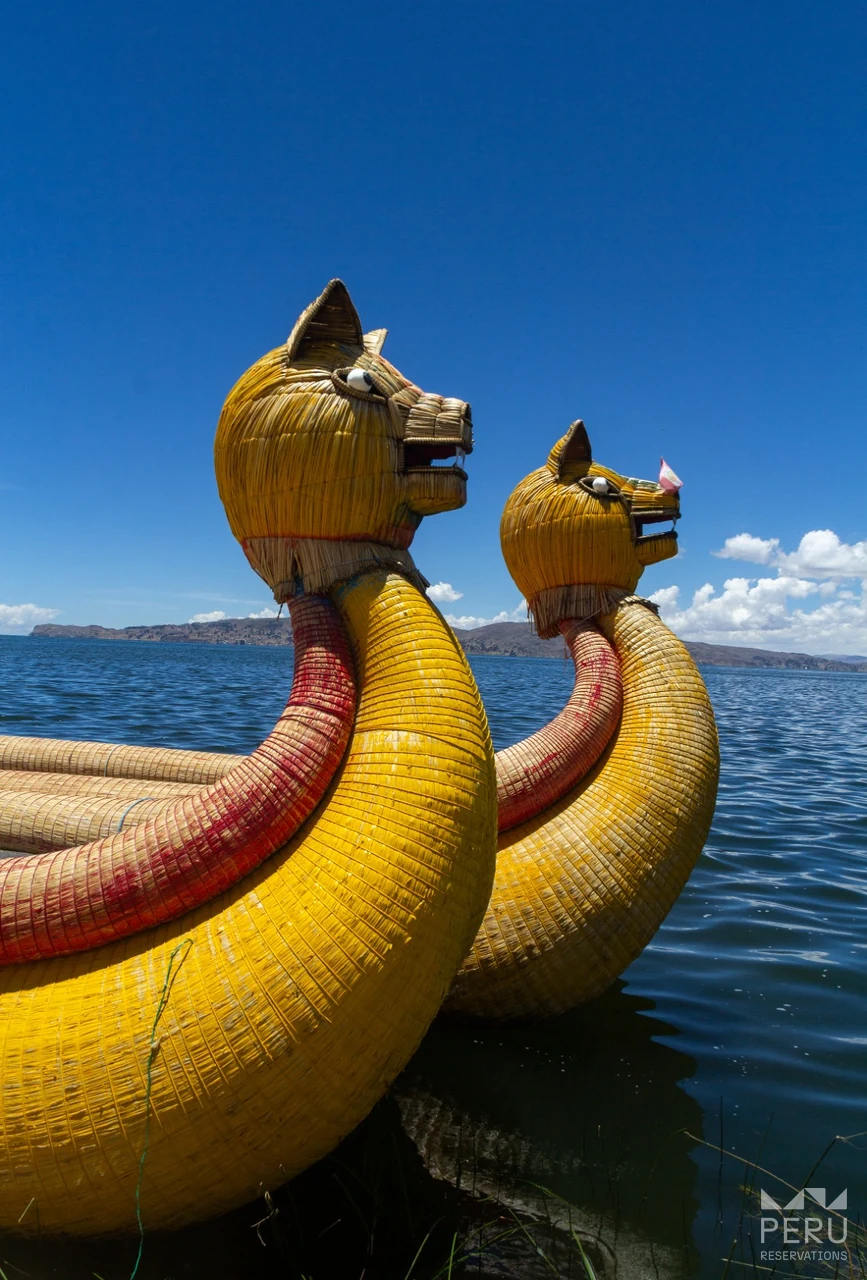
Communities living on man-made islands of woven totora reeds — continuously replenished and entirely biodegradable.

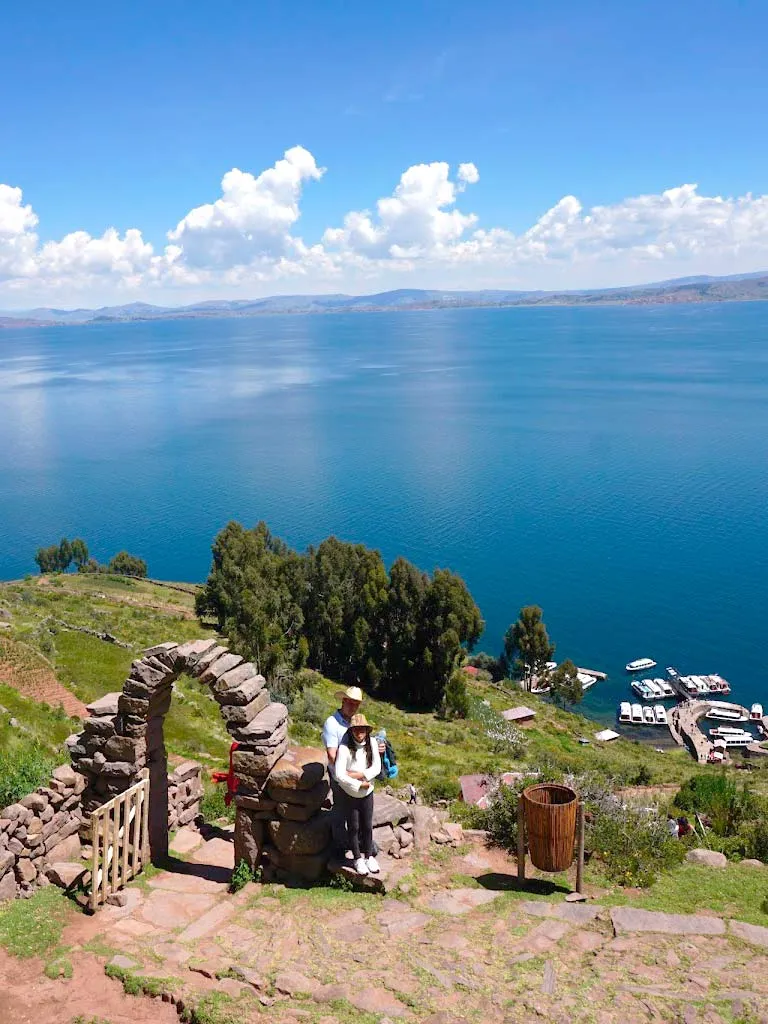
Taquile Island

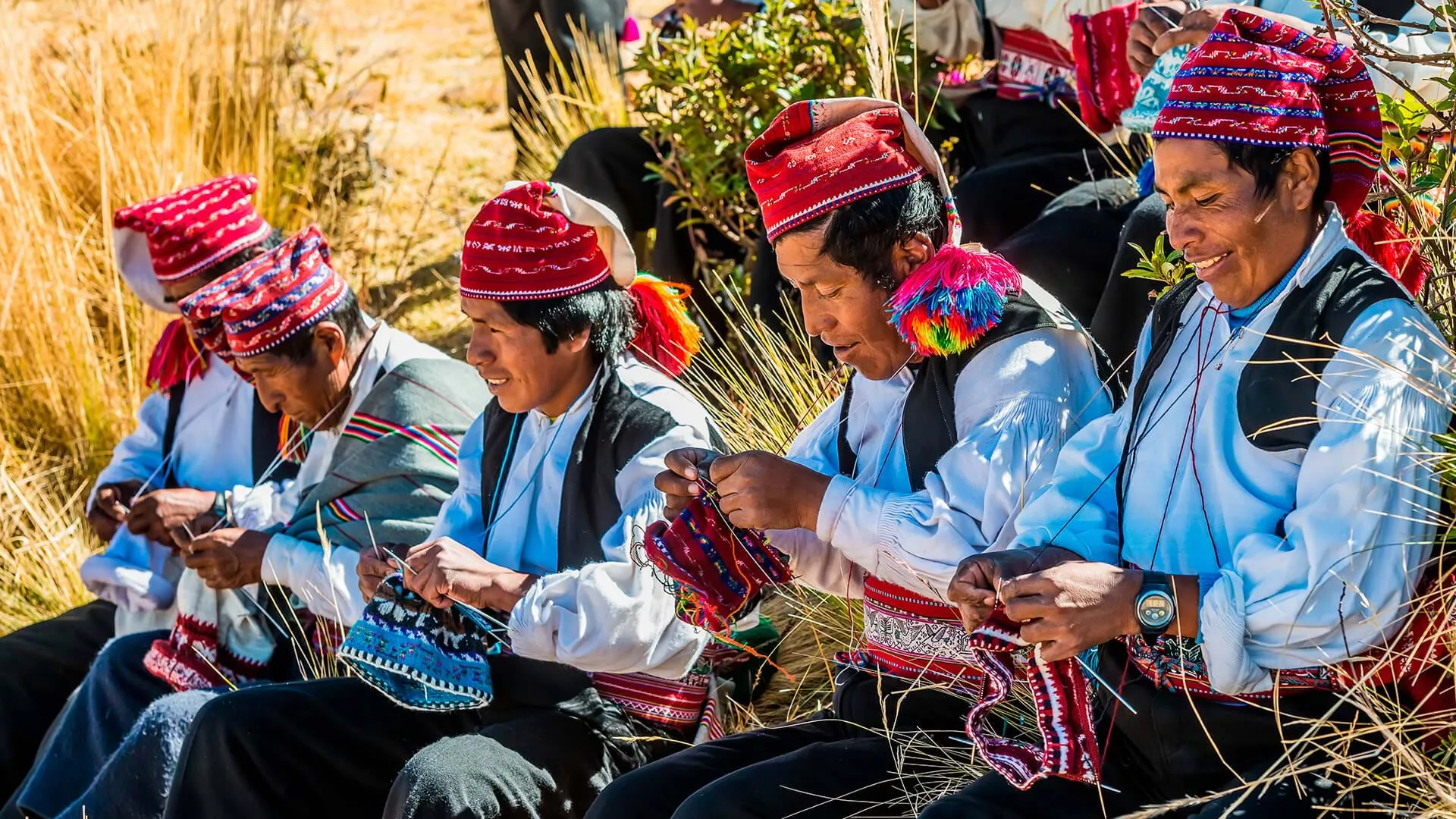
UNESCO-recognized weaving tradition, pre-Inca terraces, and panoramic views — a 2-hour boat ride from Puno.

Amantaní Island

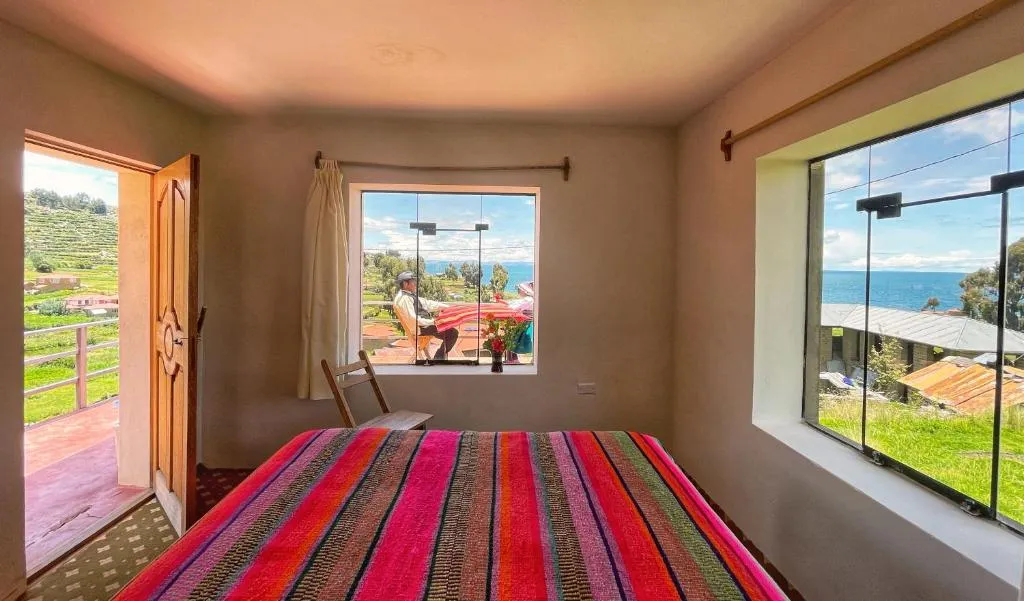
Remote island with an ancient hilltop temple, homestay experiences, and traditional community life.

Puno City

Peru's folklore capital with vibrant markets, the Yavari steamship, and the gateway to Titicaca tours.

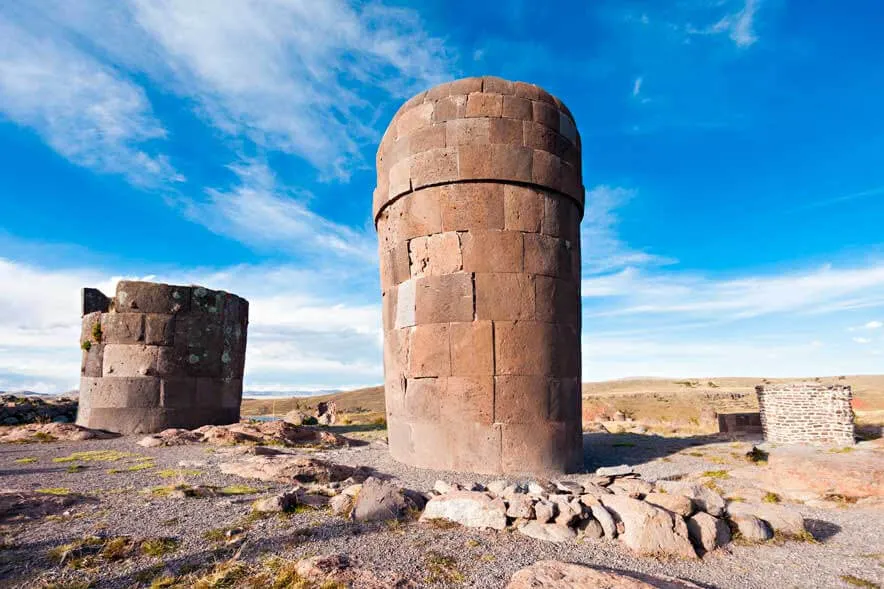
Sillustani

Pre-Inca funerary towers (chullpas) on a dramatic peninsula overlooking a lagoon — 30km from Puno.

Copacabana & Isla del Sol (Bolivia)

Cross the border to Bolivia's sacred Isla del Sol — the mythological birthplace of the Inca civilization.

Culture

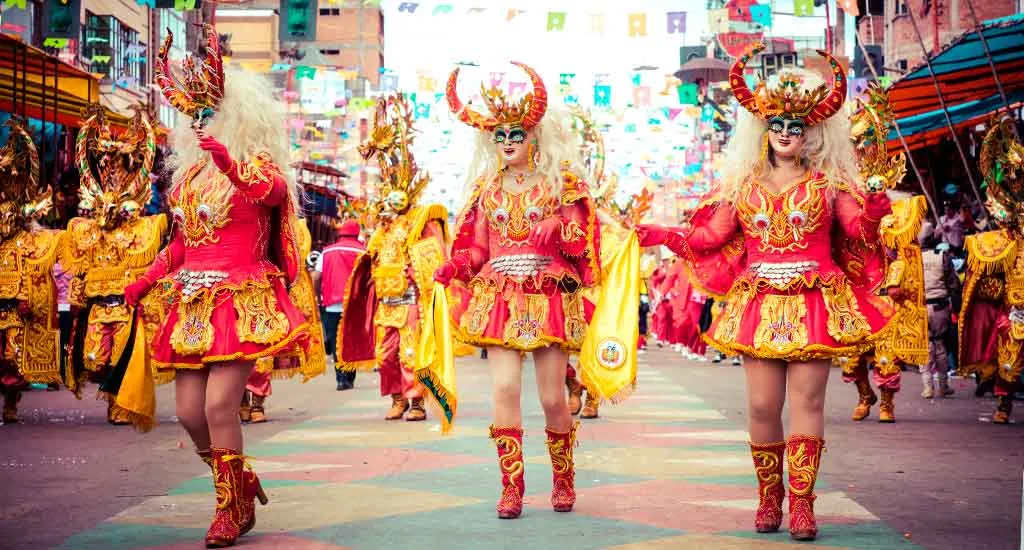
The Lake Titicaca region is Peru's folklore capital, home to some of the country's most vibrant and ancient cultural traditions. The Quechua and Aymara peoples around the lake maintain distinct languages, textiles, music, and ceremonies that predate the Inca.

Taquile Island's textile tradition was recognized by UNESCO as an Intangible Cultural Heritage — men on Taquile knit continuously with extraordinary skill, and the textiles encode social status, marital status, and community identity. A man's ability to knit is considered fundamental to his worth as a husband.

Culture

Traditions

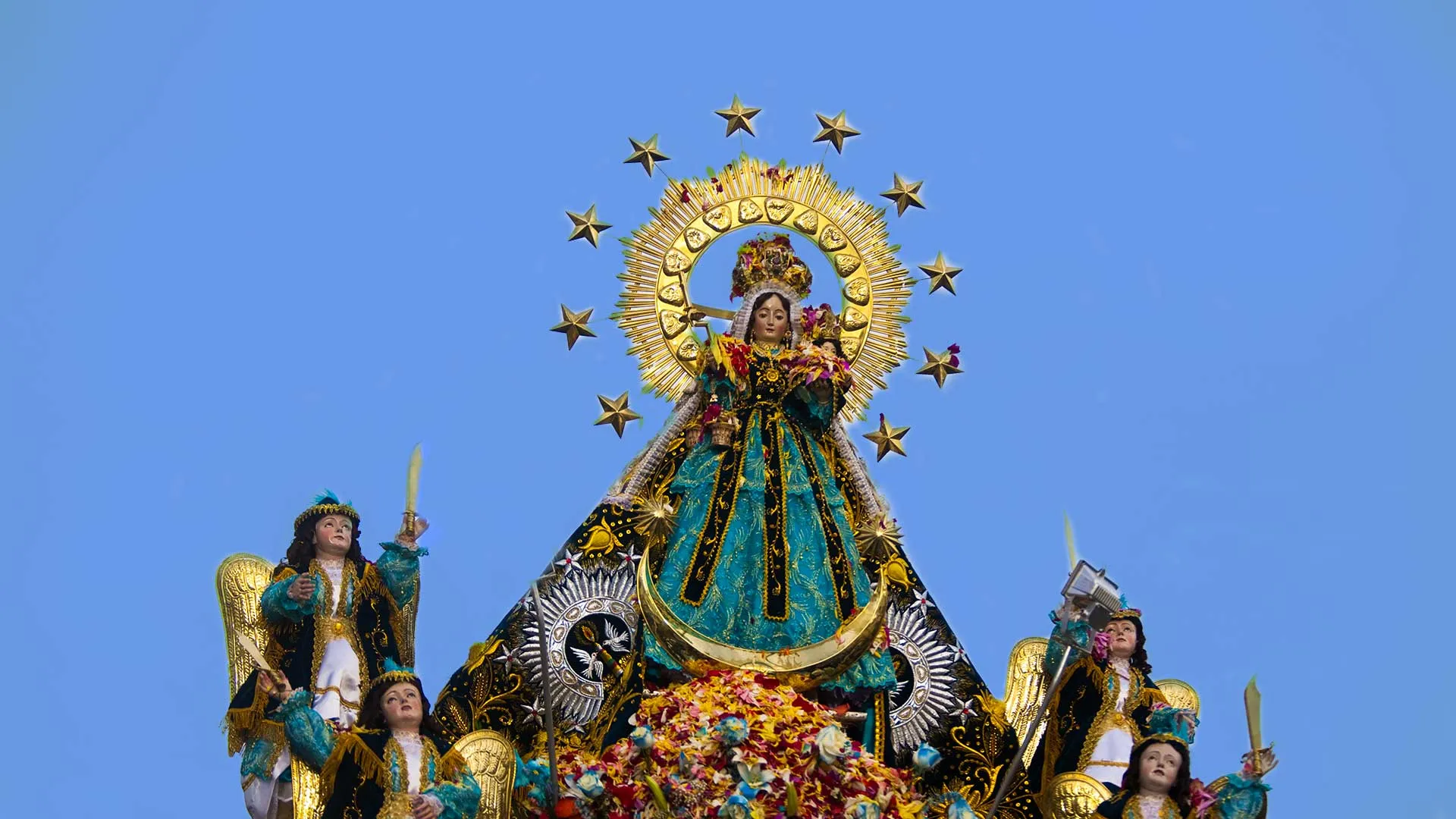
The Candelaria Festival (February 2nd and surrounding weeks) in Puno is one of the world's greatest folk dance festivals — hundreds of dance groups in spectacular costumes perform traditional dances for days on end, filling the streets with color, music, and energy. It is UNESCO Intangible Cultural Heritage.

Homestays on Amantaní and Taquile offer one of Peru's most authentic cultural experiences. Visitors stay with local families, eat traditional food, participate in daily activities, and in the evening, dress in traditional costume for communal dancing by firelight.

Traditions

Activities

Activities

Uros Floating Islands Visit

Boat tour to the unique man-made reed islands and interaction with the Uros community.

Taquile Day Trip

Full-day boat trip to Taquile Island with hiking, weaving demonstrations, and lake views.

Amantaní Homestay

2-day experience staying with a local family on the remote Amantaní Island.

Candelaria Festival

Experience one of the world's great folk dance festivals in Puno each February.

Sillustani Visit

Afternoon tour to the enigmatic pre-Inca chullpa funerary towers on a lagoon peninsula.

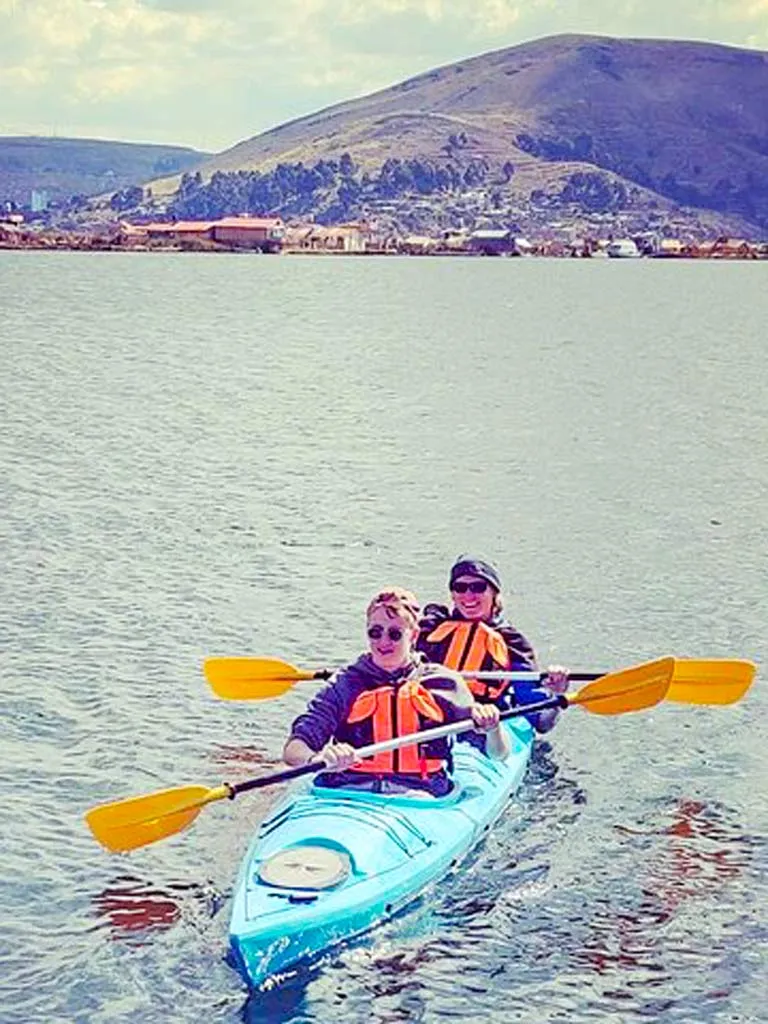
Kayaking on Titicaca

Paddle on the world's highest lake at dawn for an unforgettable high-altitude experience.

Food & Cuisine

Puno's cuisine reflects the high-altitude Altiplano environment — hearty, warming, and built around freeze-dried potatoes (chuño), quinoa, and the abundant fish of Lake Titicaca.

Food & Cuisine

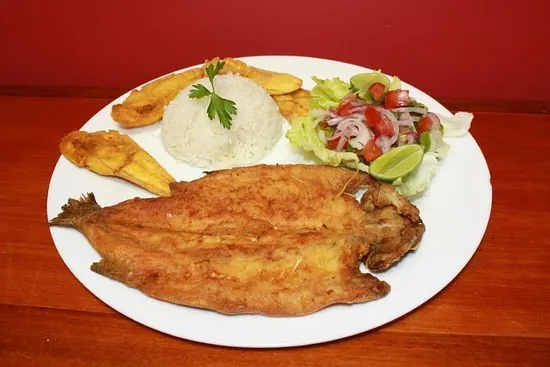
Trucha al Horno

Lake trout baked or grilled — the most popular fish from Titicaca, delicate and fresh.

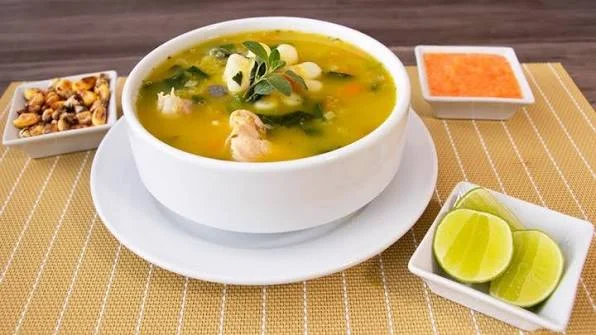
Sopa de Quinua

Hearty quinoa soup with vegetables and herbs — a warming staple at 3,800m altitude.

Chairo Puneño

Thick stew with chuño (freeze-dried potato), lamb, vegetables, and herbs.

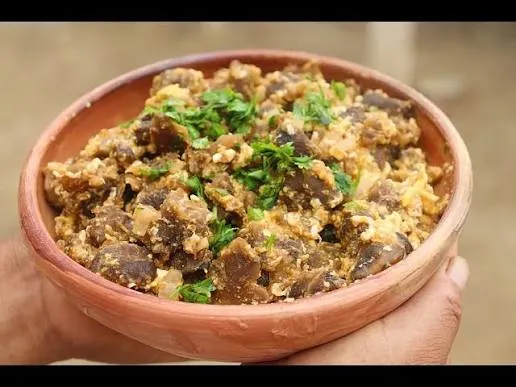
Cancacho

Slow-roasted lamb from the Altiplano, marinated in local spices — festive and flavorful.

Chicha de Jora

Fermented corn beer — the Andean ceremonial drink offered to Pachamama and shared at festivals.

Travel Info

Getting There

  • Bus from Cusco to Puno: ~6-7 hours on the Peruvian Altiplano (scenic route)
  • Train from Cusco to Puno: Andean Explorer (scenic luxury train, 10 hours)
  • Flight to Juliaca airport (30km from Puno) from Lima or Cusco

Altitude Tips

  • Puno sits at 3,827m — one of the highest cities in the world
  • Acclimatize in Cusco (3,400m) first if possible before coming to Puno
  • Take it very easy for the first 24 hours — no strenuous activity
  • Coca tea and soroche pills (altitude medicine) are widely available

Getting Around

  • All island tours depart from Puno's port (Puerto de Puno)
  • Standard tours (Uros + Taquile) take a full day
  • Overnight tours to Amantaní take 2 days
  • Mototaxis and taxis are cheap for getting around Puno city

Best Time to Visit

  • Dry season: May–October (clear skies, stunning lake photography)
  • February: Candelaria Festival — one of the world's greatest folk festivals
  • Rainy season: November–April (occasional showers, but the lake is still beautiful)
  • Pack warm layers — nights can drop below 0°C even in summer

Book Your Adventure

Ready to explore Lake Titicaca?

Our local experts will design the perfect trip for you. Private tours, bilingual guides, and unique experiences.

Browse All ToursMore Destinations
Chat with a Local Peru Travel Expert