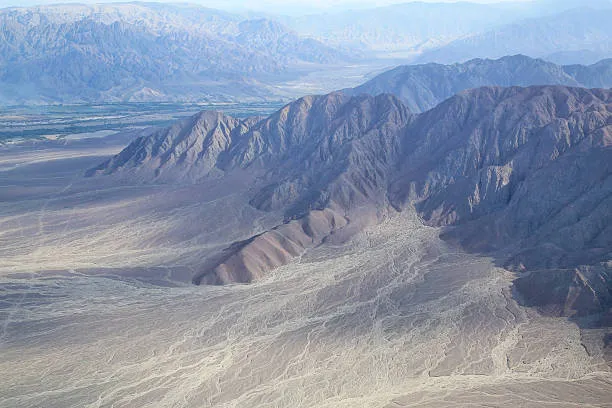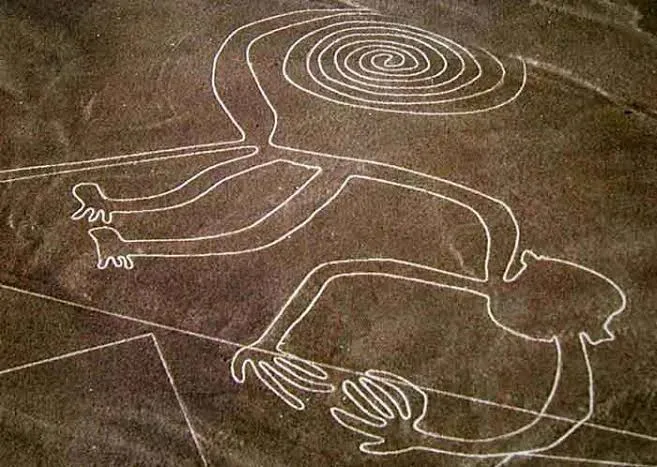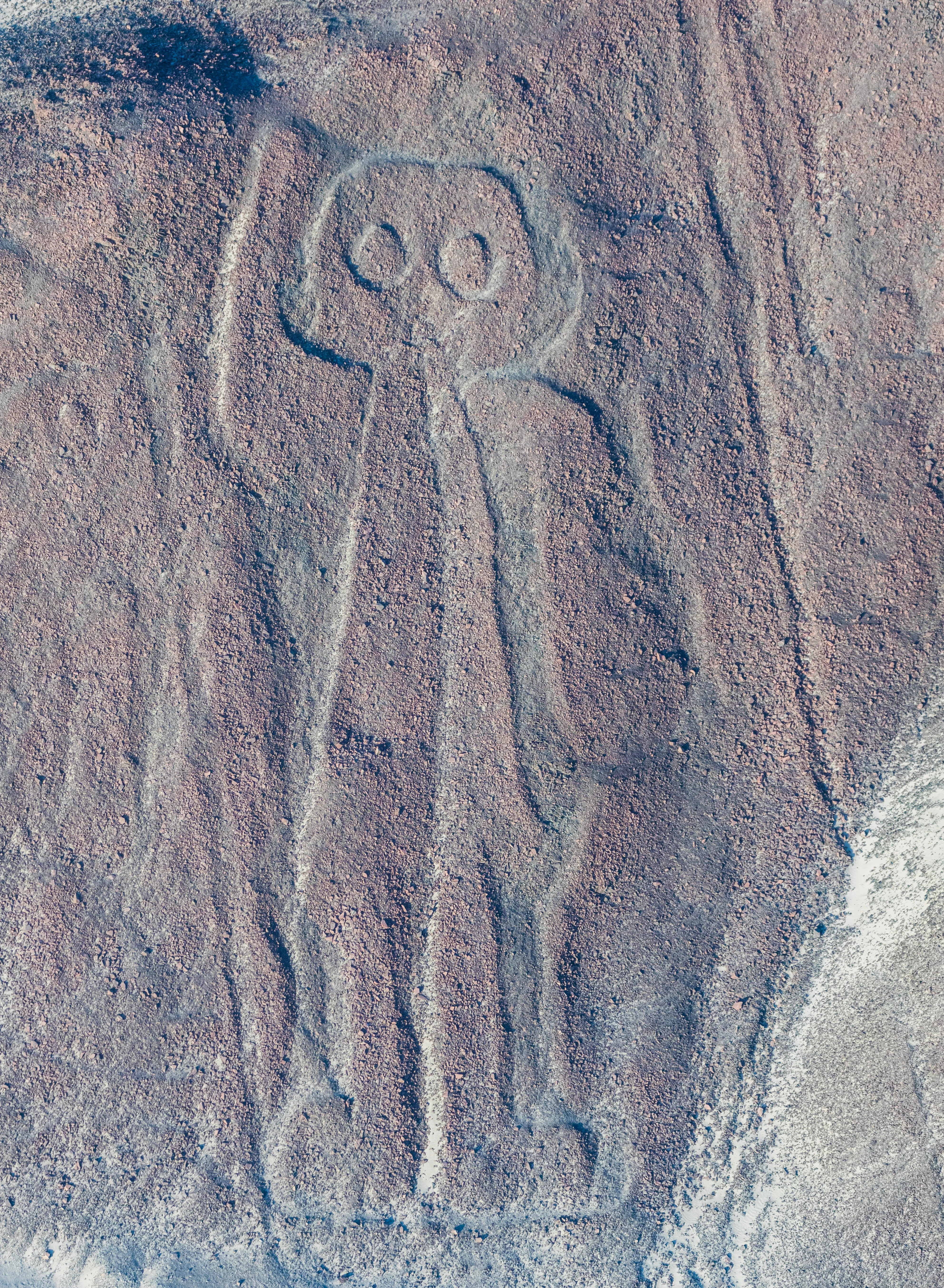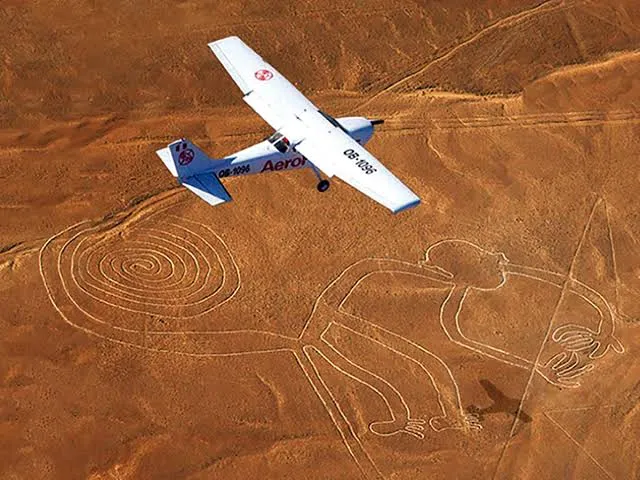

Nazca is an ancient desert city located in southern Peru's hyper-arid coastal plain, world-renowned for the mysterious Nazca Lines. Inscribed as a UNESCO World Heritage Site in 1994, these ancient geoglyphs carved across the desert plateau remain one of archaeology's greatest unsolved mysteries.
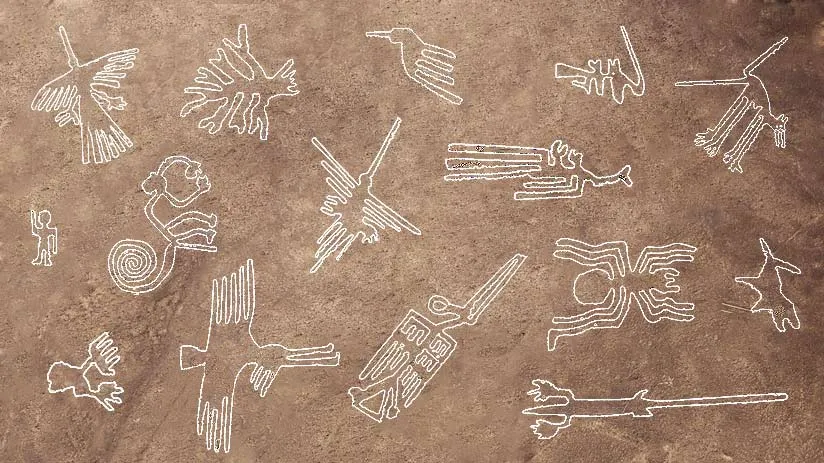
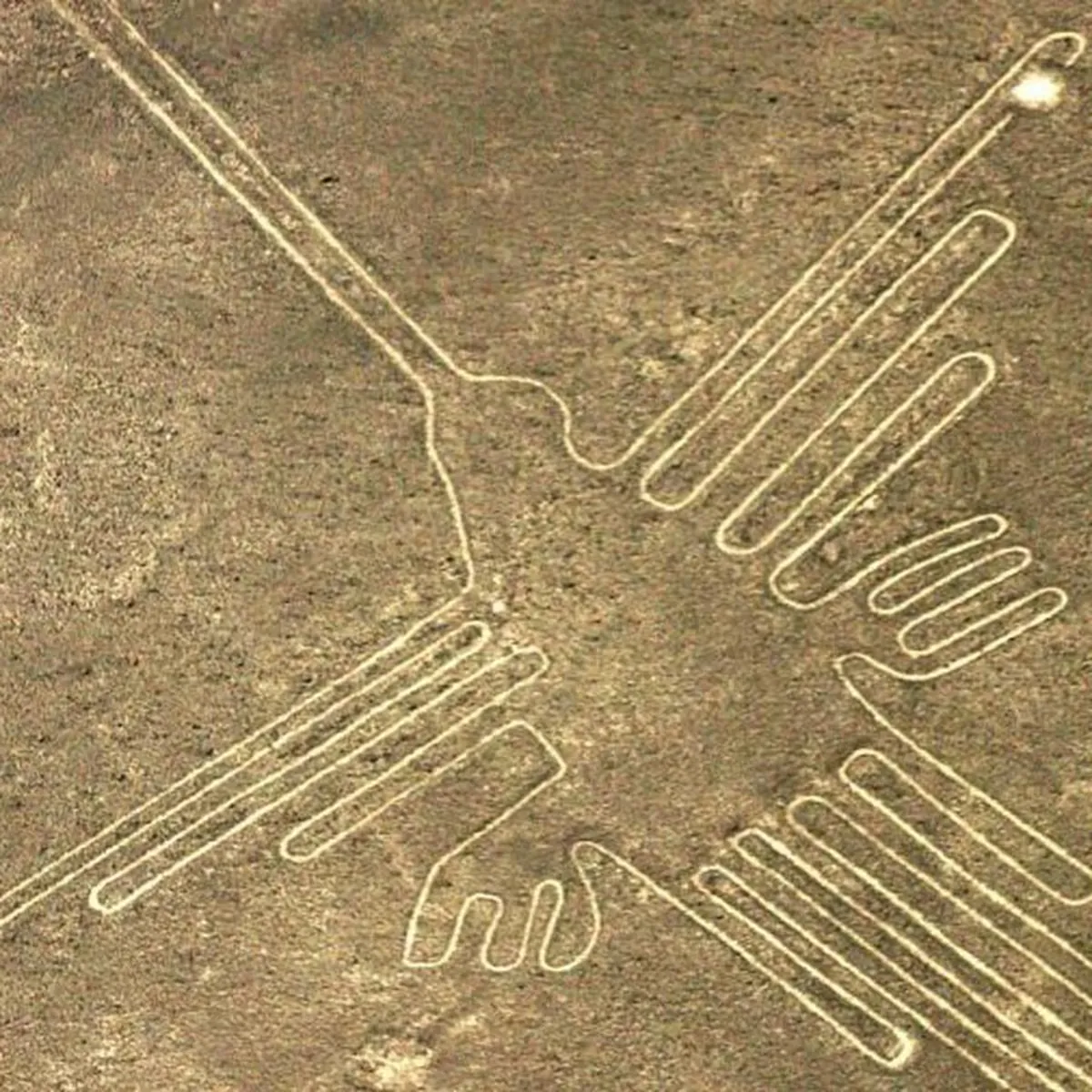
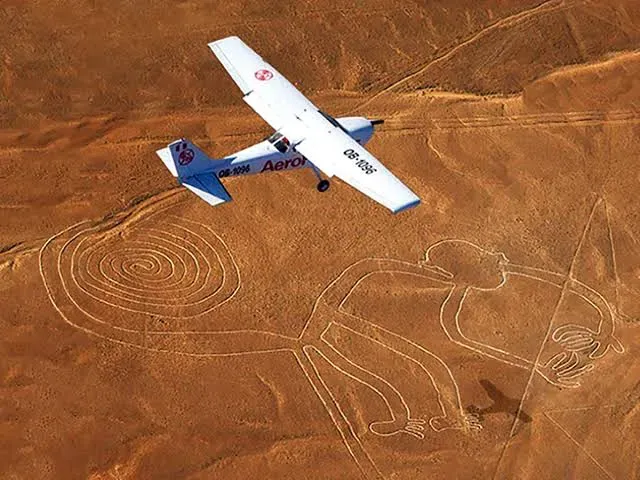
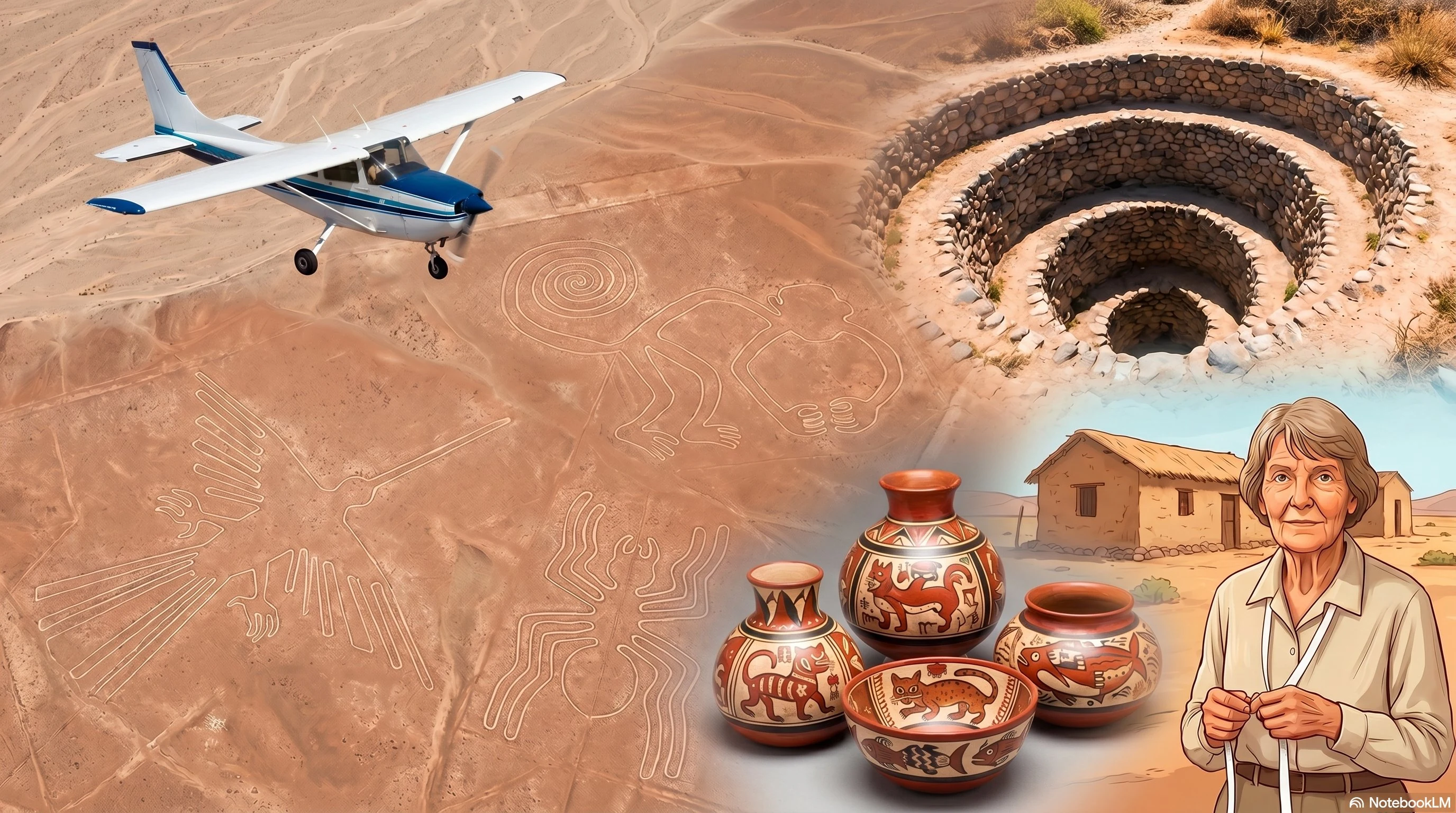
Created by the pre-Inca Nazca culture between 100 BC and 800 AD, the site features over 800 straight lines, 300 geometric figures, and 70 massive biomorphic drawings of animals and plants. These gigantic figures, including a 96-meter Hummingbird, 110-meter Monkey, and 46-meter Spider, are best viewed from small aircraft overflights.
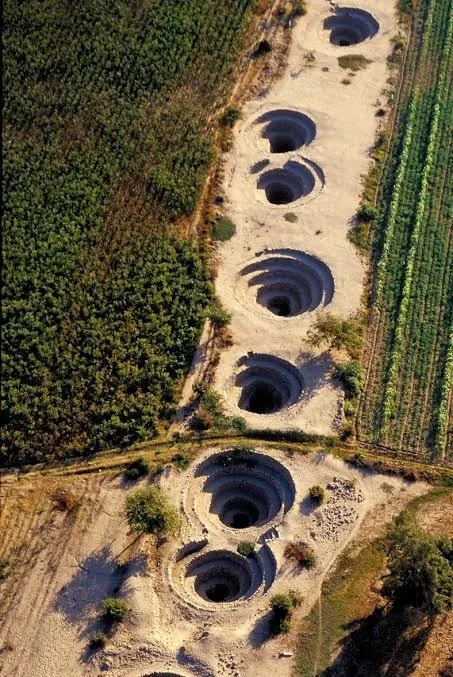
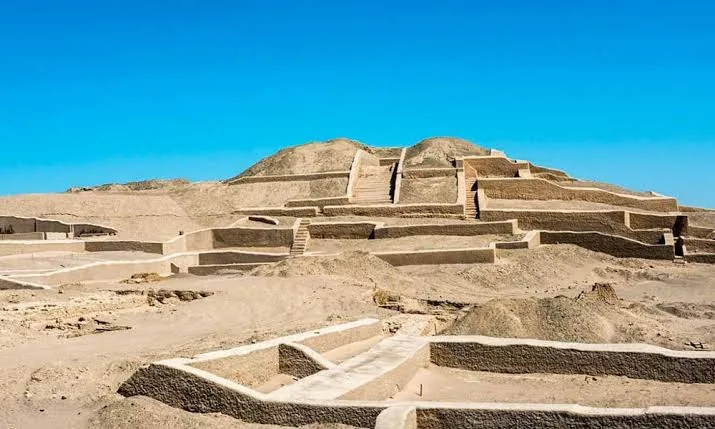
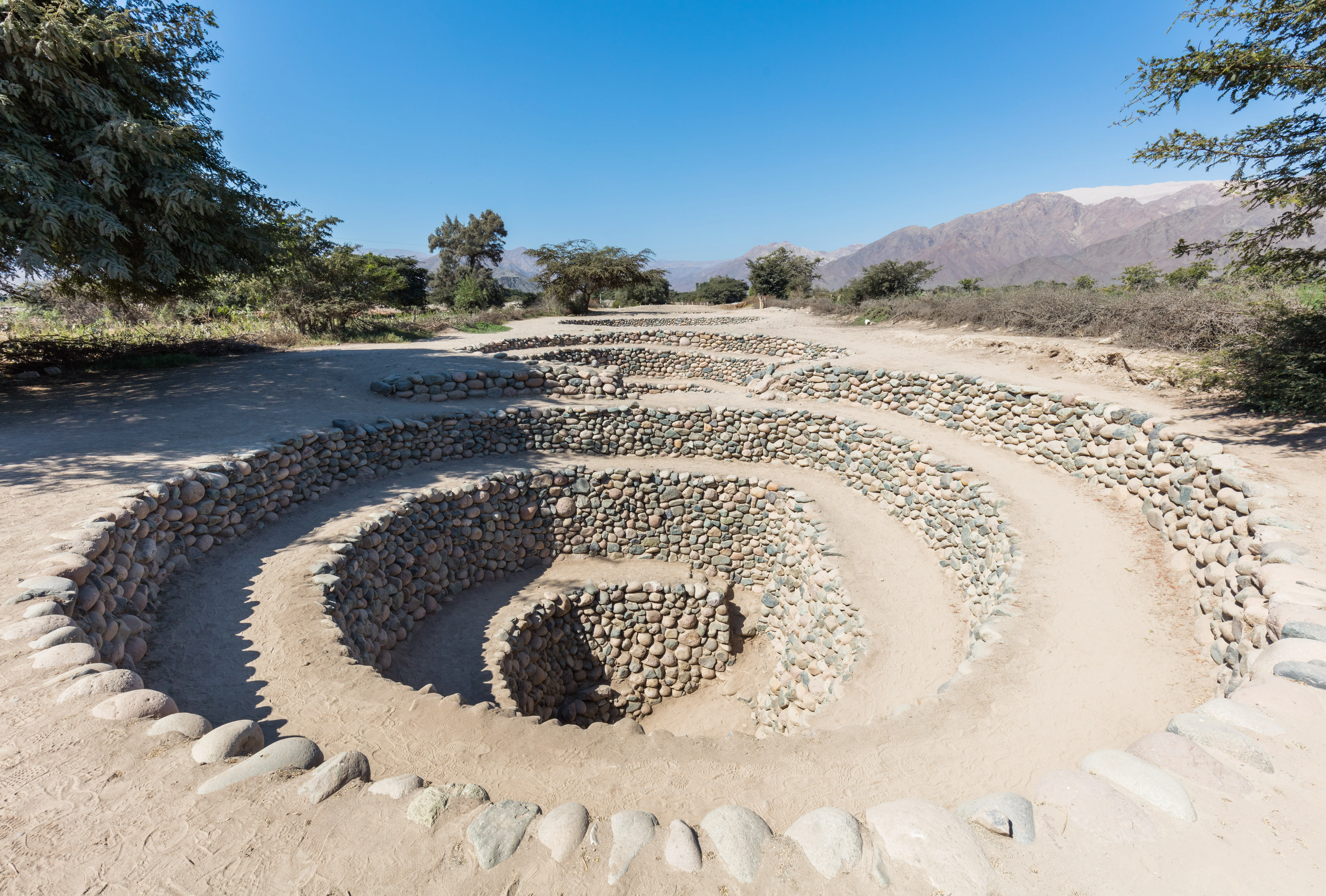
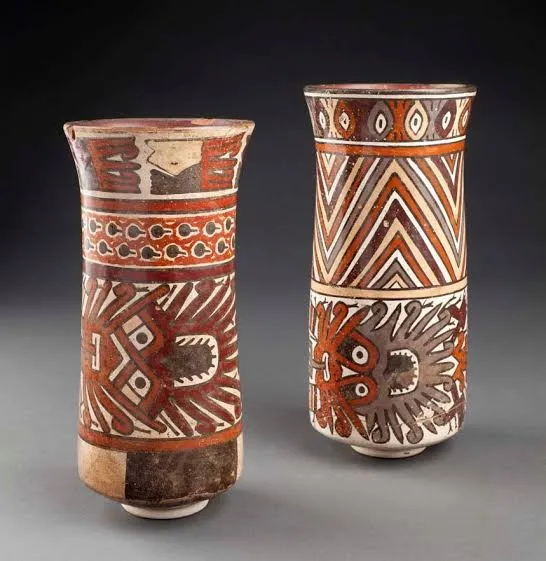
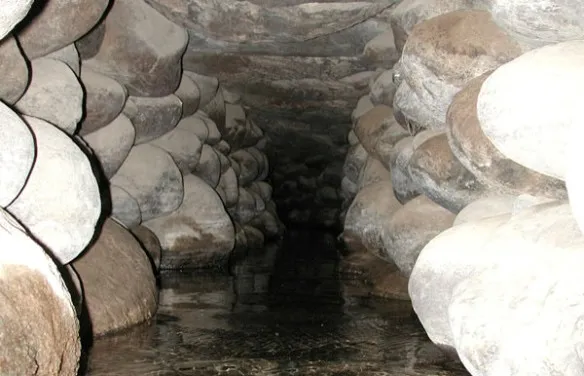
Beyond the lines, Nazca showcases extraordinary ancient engineering, including the Puquios, a functioning network of spiral underground aqueducts, and the adobe pyramid ceremonial city of Cahuachi. Its rich archaeological legacy and sunny desert climate make it an indispensable stop along Peru's southern circuit.