Peru Reservations
TRUSTED SITE
Lima
Gastronomic Capital of Latin America

Lima — Peru's Vibrant Pacific Capital

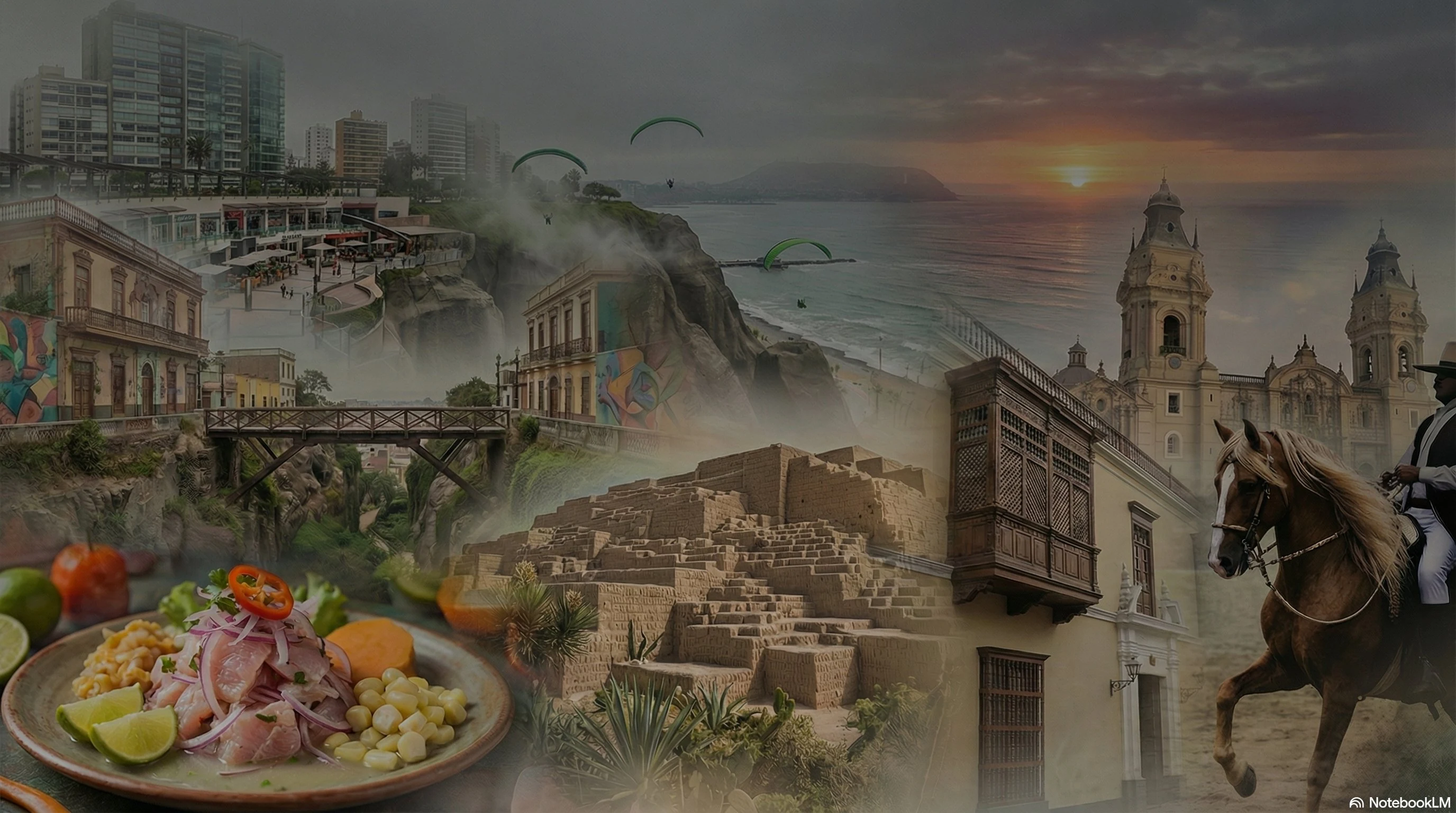
Gastronomy capital of Latin America, where colonial history meets ocean cliffs and world-class cuisine

Altitude154 m (505 ft) above sea level
ClimateMild & cloudy year-round (15–24°C)
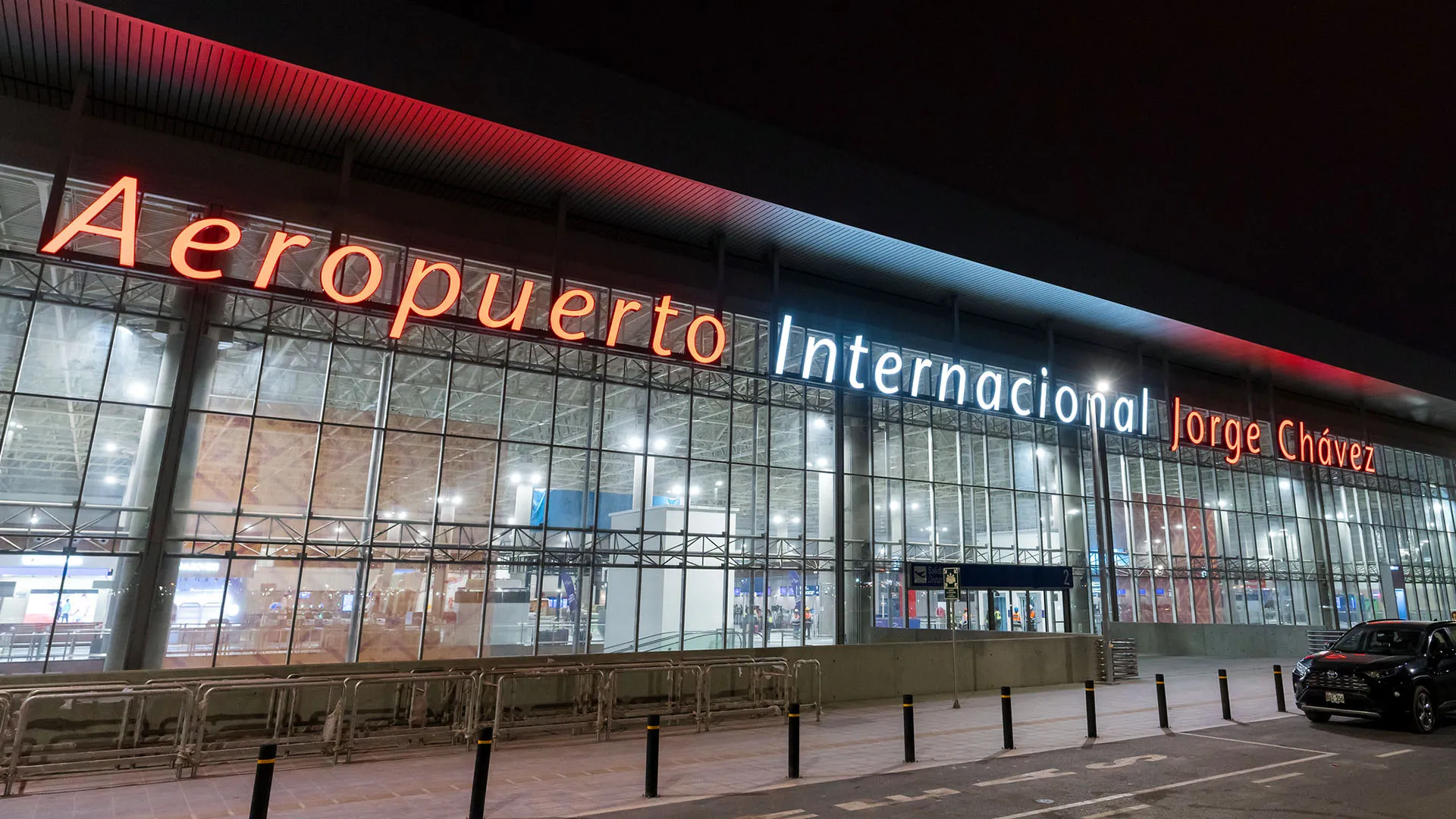
AirportJorge Chávez Int'l (LIM)
LanguageSpanish
CurrencyPeruvian Sol (PEN)
Time ZonePET (UTC−5)

Welcome to Lima

Lima is a sprawling metropolis of over 10 million people perched on the edge of the Pacific Ocean and the Atacama Desert. As Peru's capital and economic powerhouse, it offers a fascinating blend of pre-Columbian heritage, Spanish colonial architecture, and a thriving contemporary arts, food, and nightlife scene. Lima's cuisine — from ceviche to causa to tiradito — is recognized as one of the world's finest, drawing food travelers from every corner of the globe.

Welcome to Lima

History

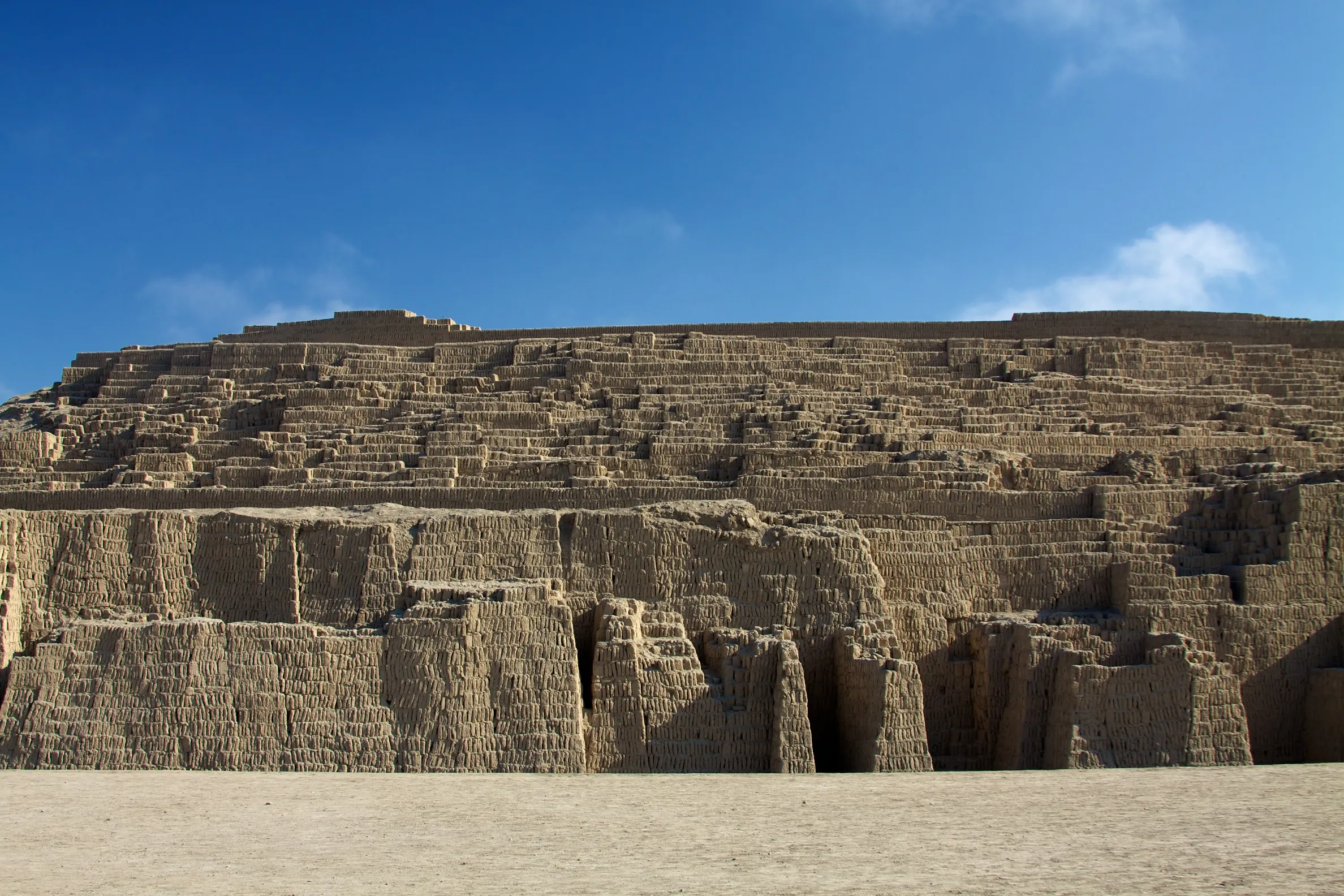
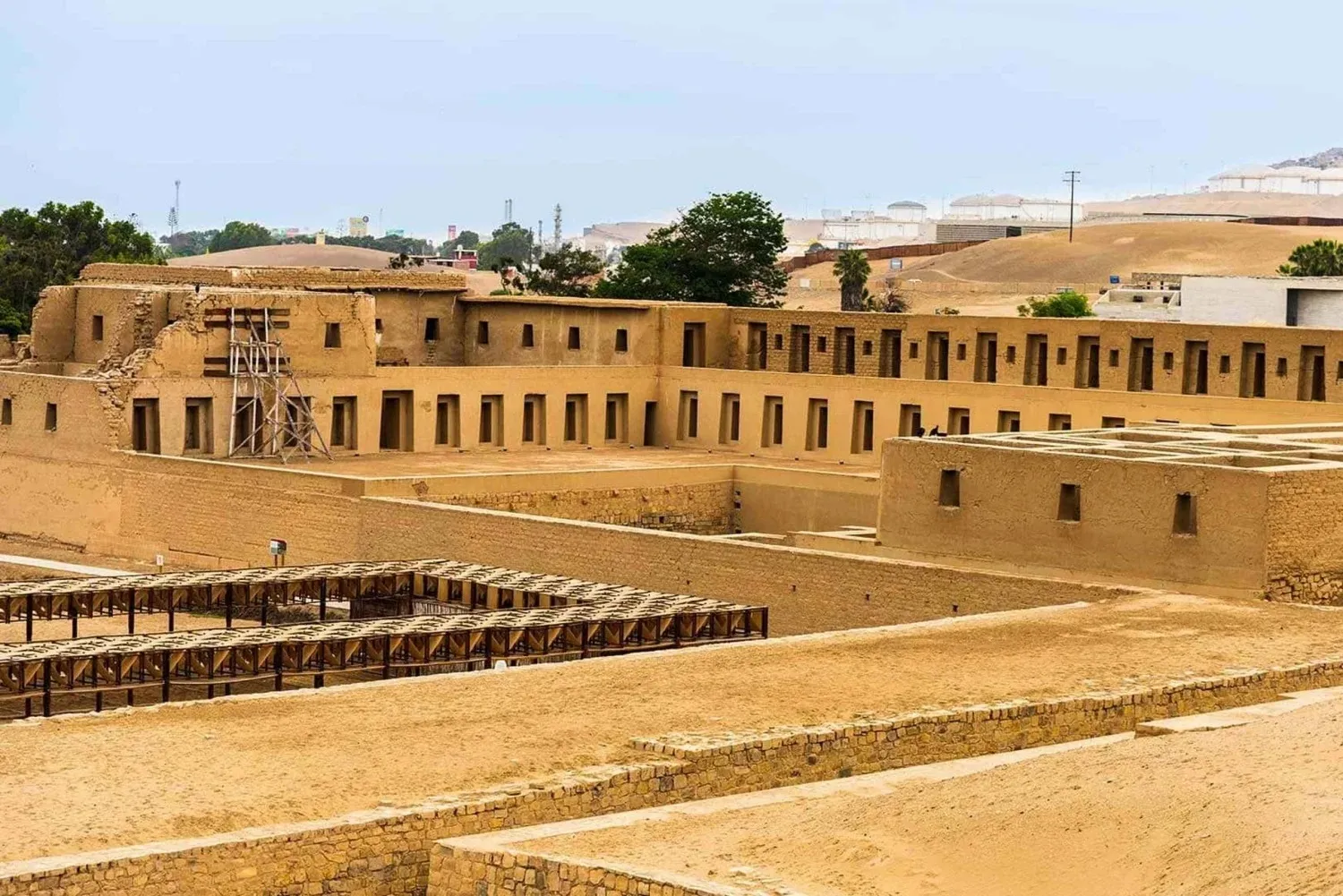
Long before the Spanish arrived, the Lima valley was home to the Ichma civilization, which built the Huaca Pucllana — a massive adobe pyramid still standing today in the Miraflores district. The Lima culture, Wari, and later the Inca also inhabited this coastal plain, leaving a legacy of adobe pyramids (huacas) scattered throughout the modern city.

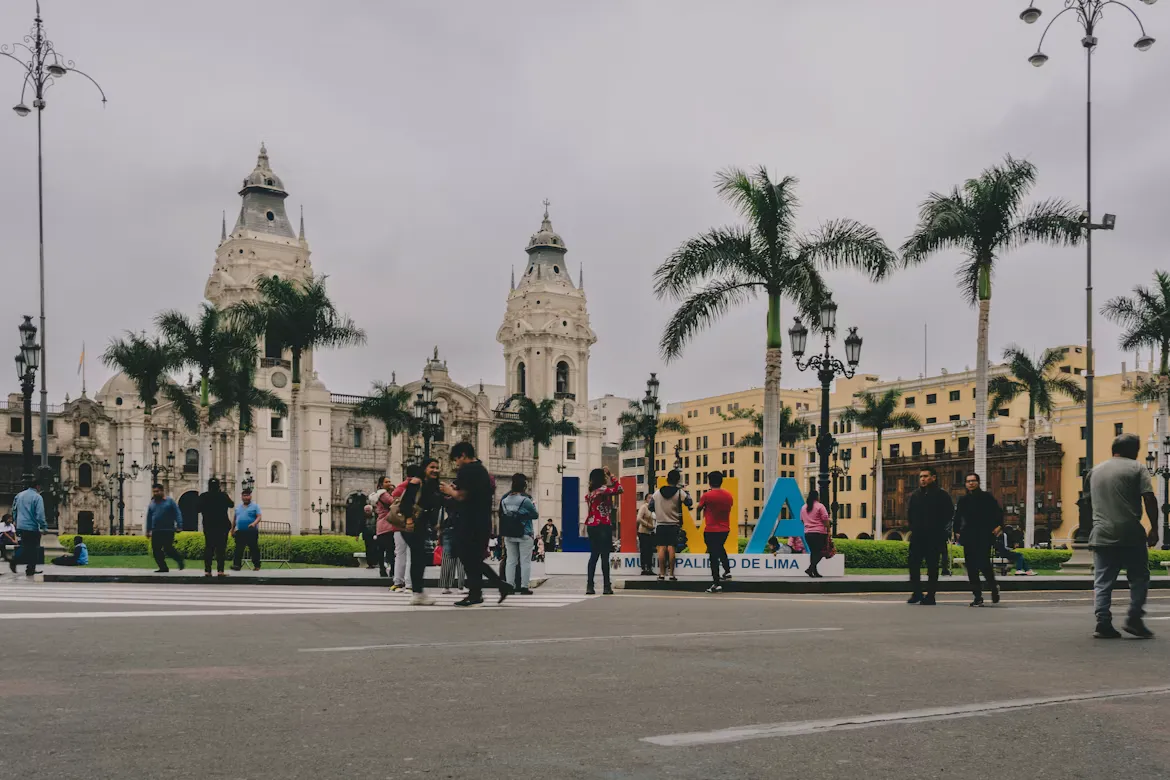
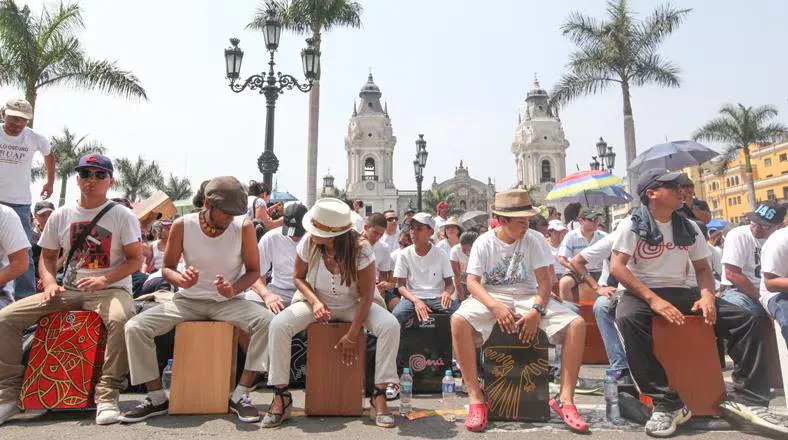
In 1535, Francisco Pizarro founded Lima as the 'City of Kings' (Ciudad de los Reyes), making it the capital of the Viceroyalty of Peru — the seat of Spanish power in South America for nearly three centuries. The city's historic center, declared a UNESCO World Heritage Site in 1988, preserves many of its original colonial buildings, including the Plaza Mayor, the Government Palace, and the Cathedral.

Today Lima is home to over 10 million people and is Peru's economic, cultural, and political heart. Its diverse immigrant heritage — Spanish, Indigenous, African, Chinese, Japanese, Italian — has created one of the world's most eclectic cities.

History

Geography

Lima sits at the edge of the Atacama Desert along the Pacific coast, where the cold Humboldt Current makes the ocean unusually cold and creates the city's characteristic overcast 'garúa' fog that blankets the city from May to November. Despite being in the tropics, Lima rarely sees rain — most of the city's water comes from rivers descending from the Andes.

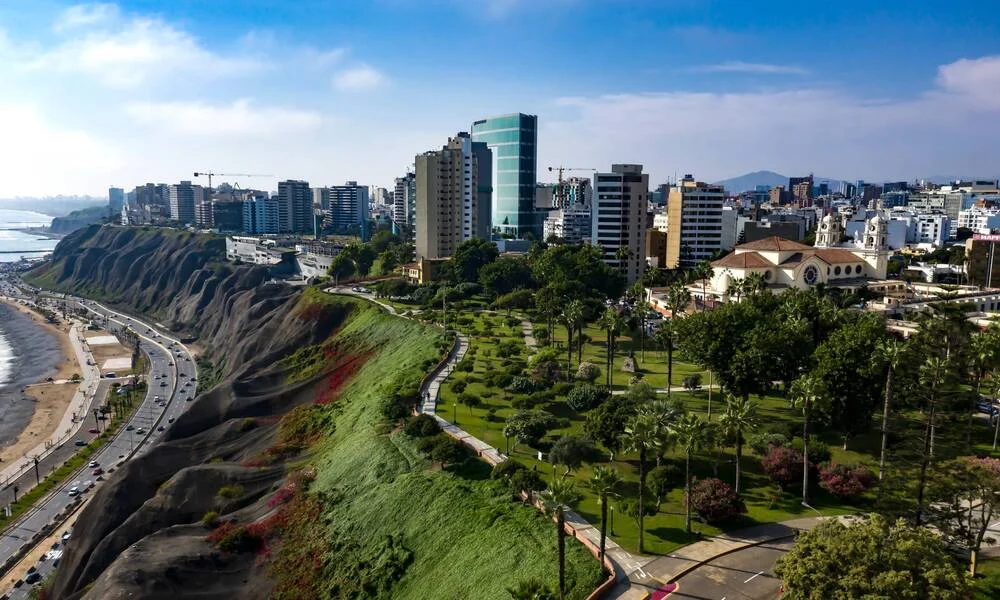
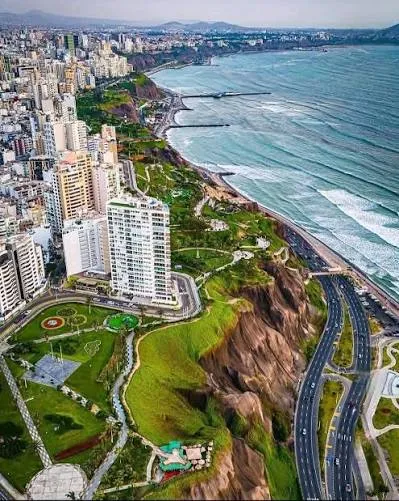
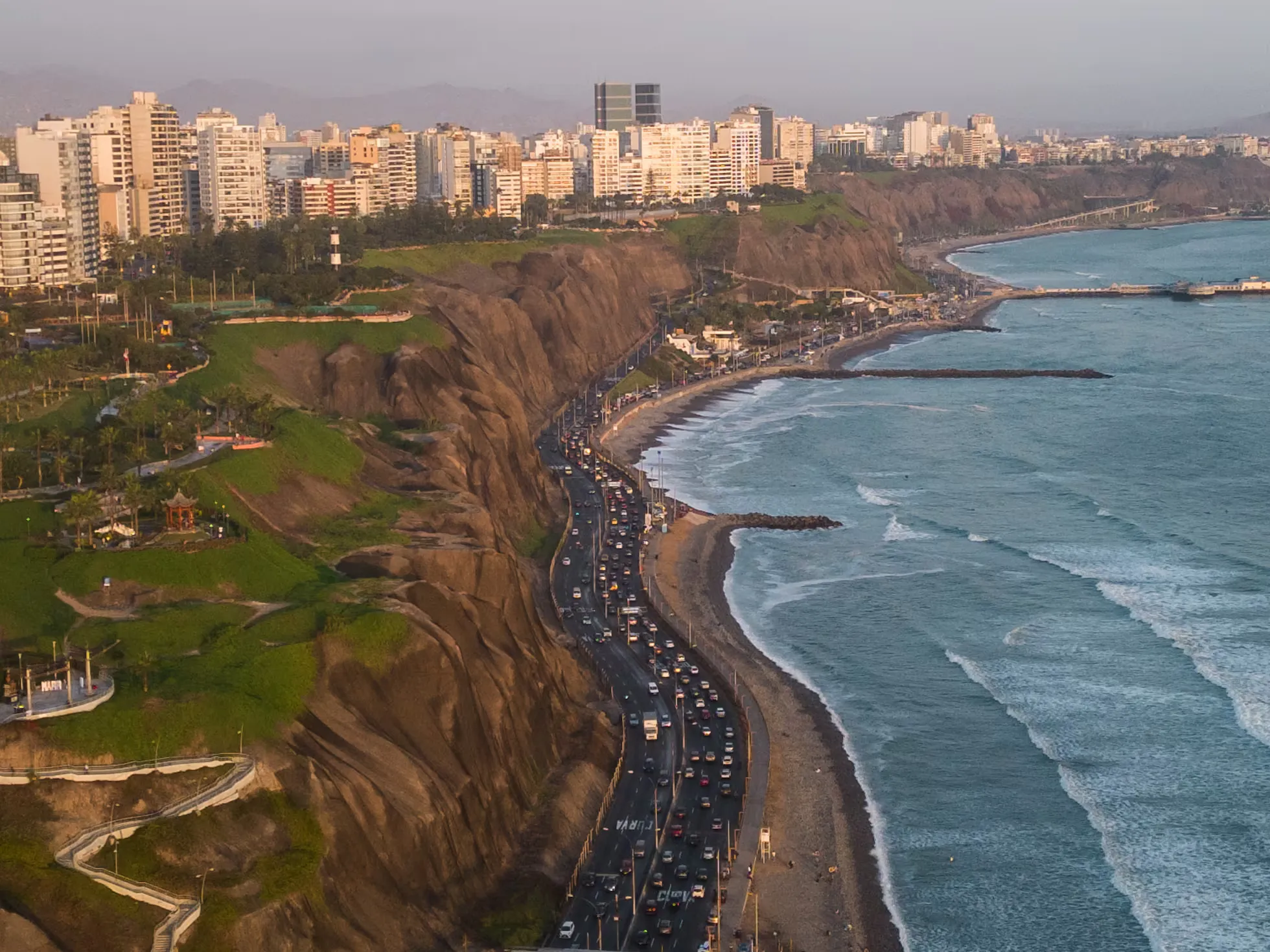
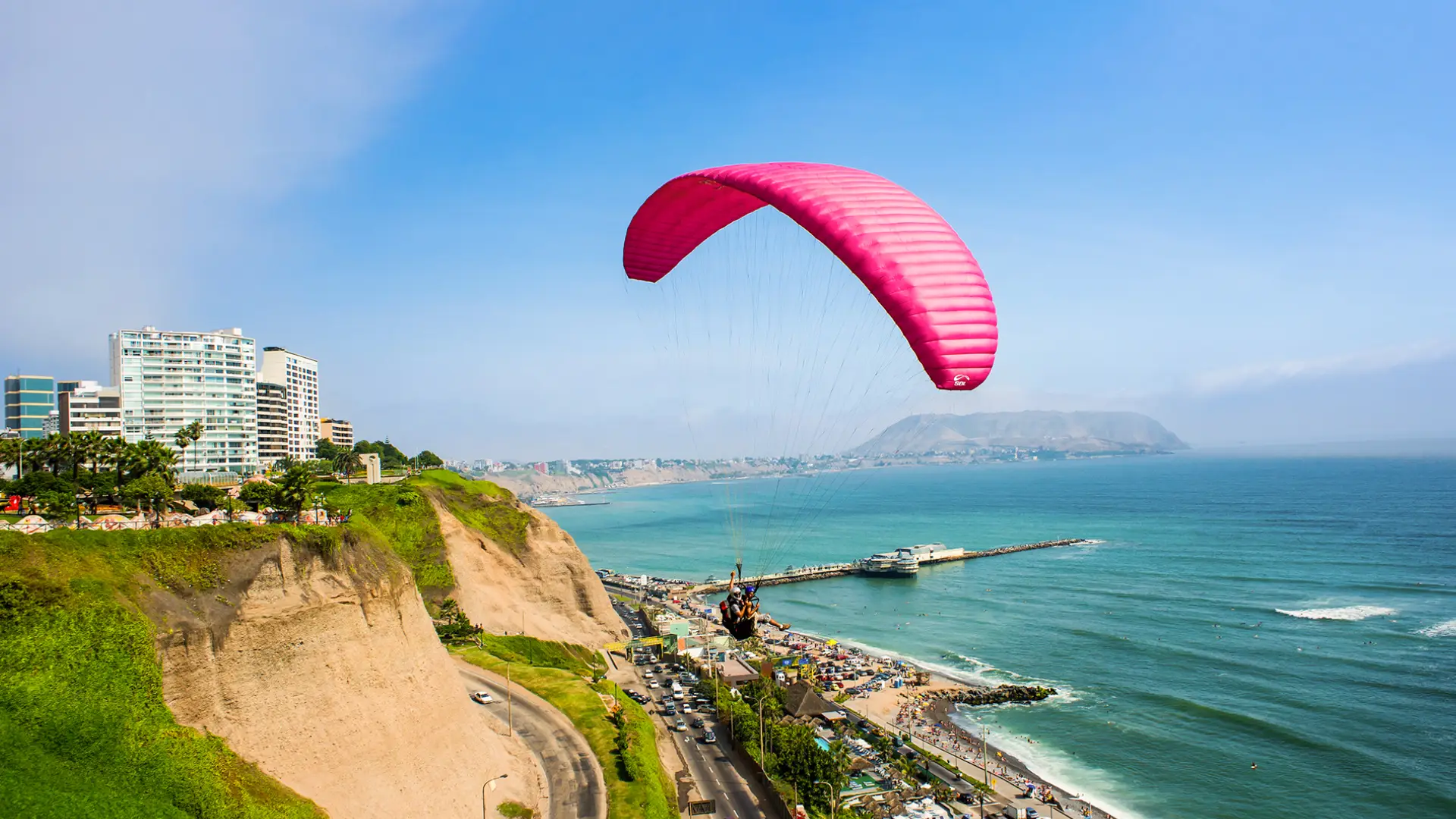
The city is organized into districts, each with its own character. The cliffs of Miraflores drop dramatically to the Pacific, Barranco features Victorian-era mansions and surf breaks, and the historic center preserves centuries of colonial architecture.

Geography

Top Attractions

Top Attractions

Historic Center (UNESCO)

The colonial heart of Lima with Plaza Mayor, the Cathedral, Government Palace, and baroque churches.

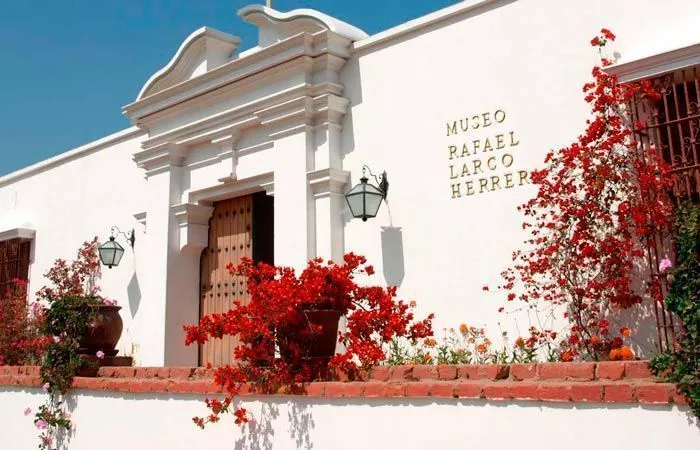
Larco Museum

World-class pre-Columbian art museum in a colonial villa, with the famous erotic pottery gallery.

Huaca Pucllana

Ancient adobe pyramid from 400 AD in the heart of Miraflores, still being excavated by archaeologists.

Miraflores Cliffs

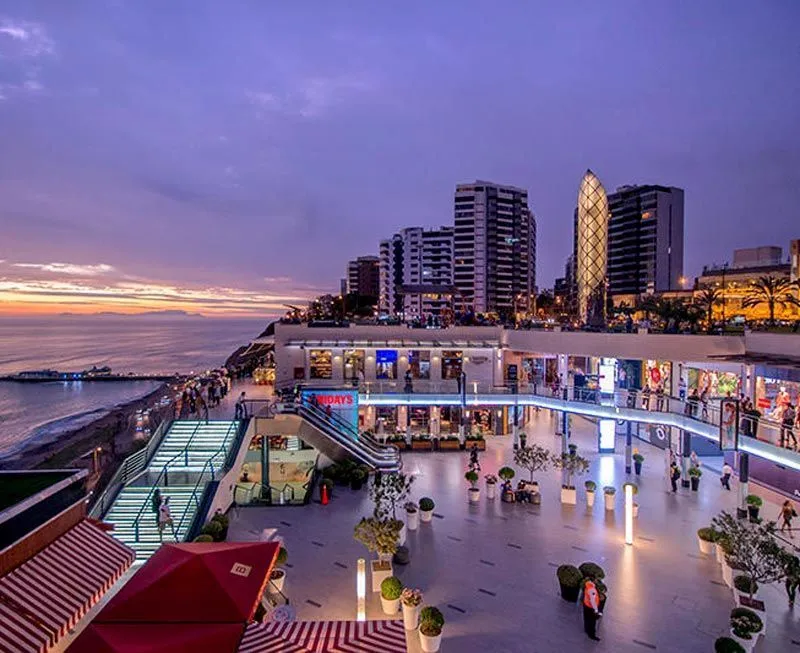
Dramatic Pacific Ocean cliffs with parks, paragliding launches, and sweeping ocean views.

Barranco District

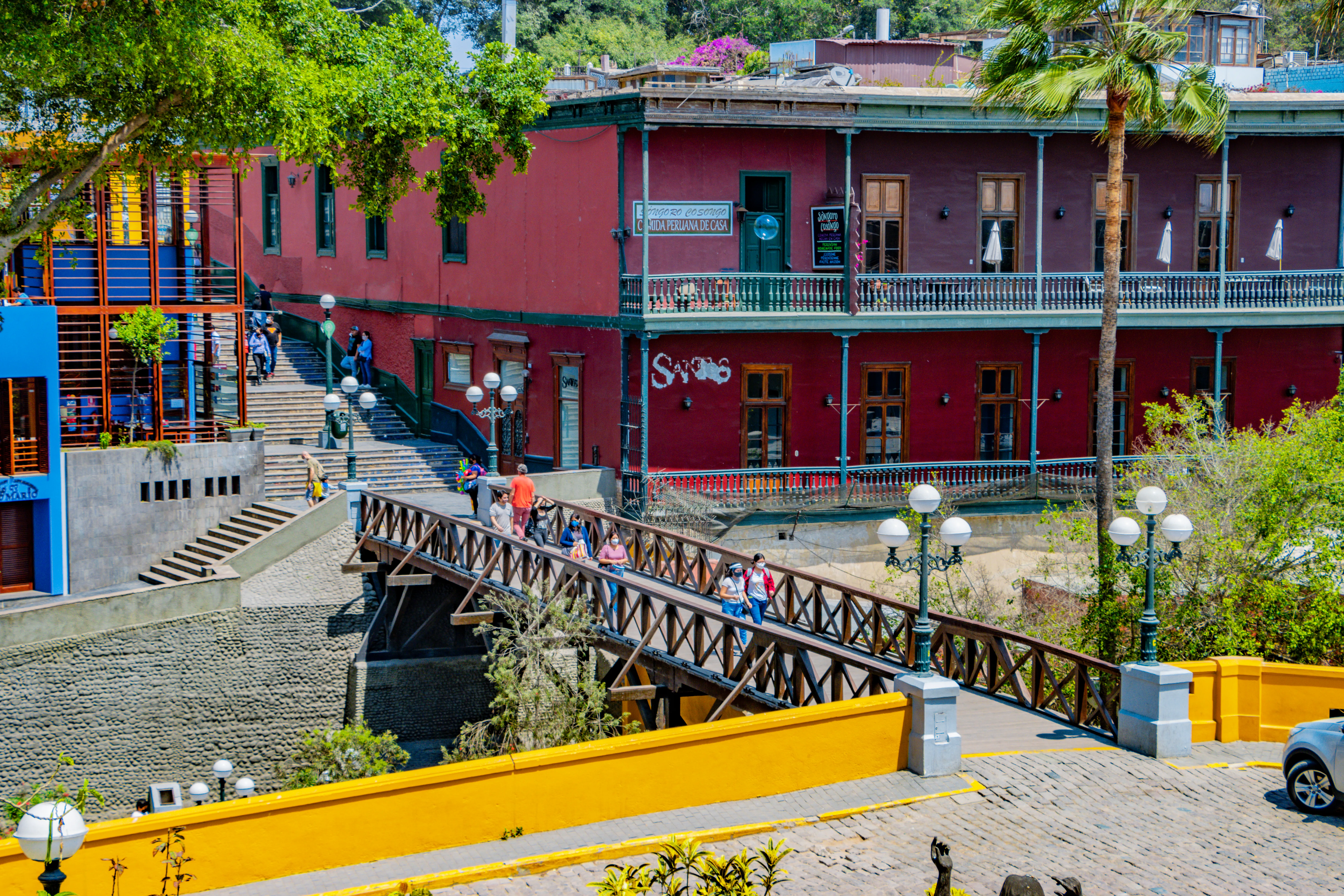
Bohemian neighborhood with colorful Victorian mansions, galleries, surf culture, and the famous Bridge of Sighs.

Central Market & Chinatown

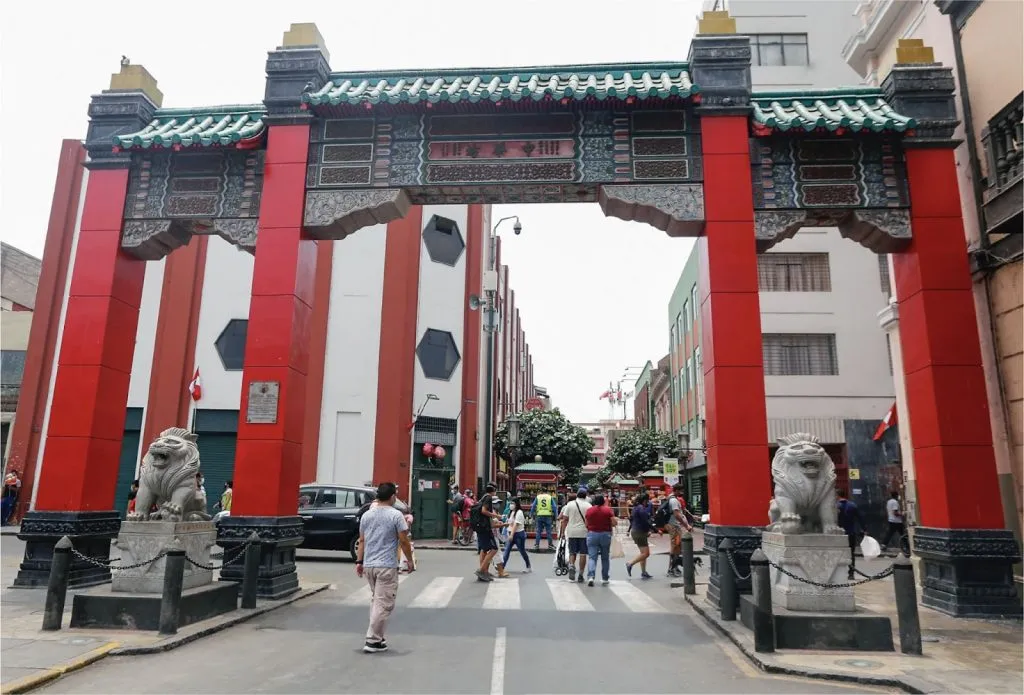
Vibrant markets in the historic center, with Lima's thriving Chinatown (Barrio Chino) nearby.

Districts & Neighborhoods

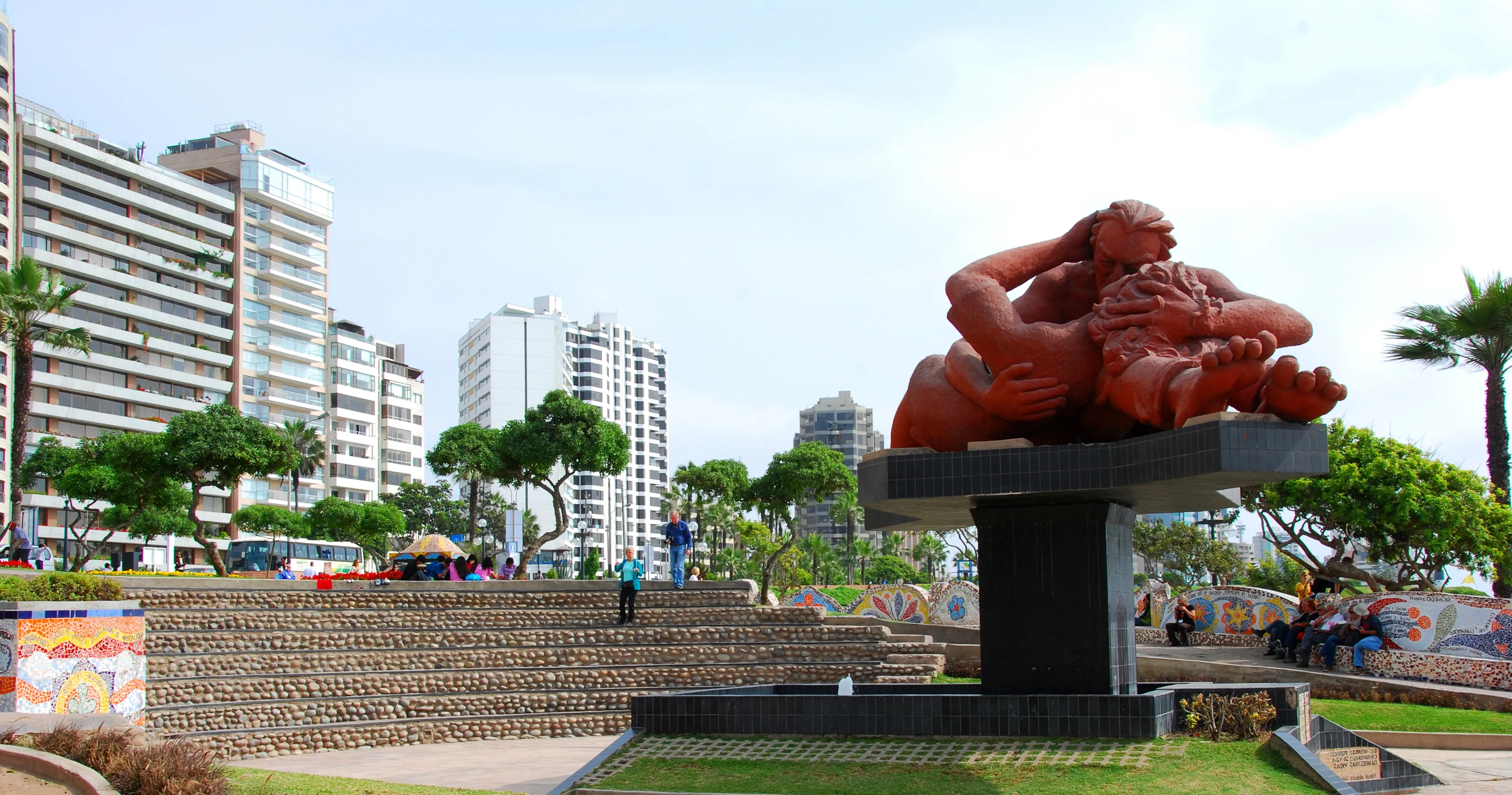
Miraflores

The upscale tourist hub with ocean-view parks, top restaurants, shopping centers, and the best hotels.

Barranco

Artistic and bohemian district with Victorian houses, galleries, live music venues, and beach access.

Centro Histórico

The colonial heart, UNESCO-listed, with government buildings, churches, and traditional markets.

San Isidro

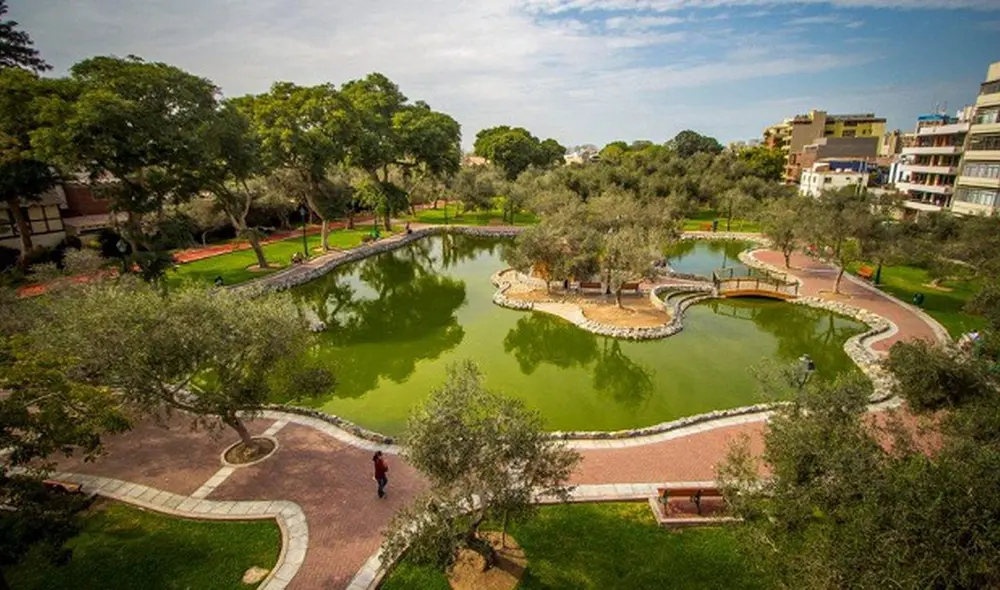
Lima's financial district with luxury hotels, Olivar Park, and high-end restaurants.

Culture

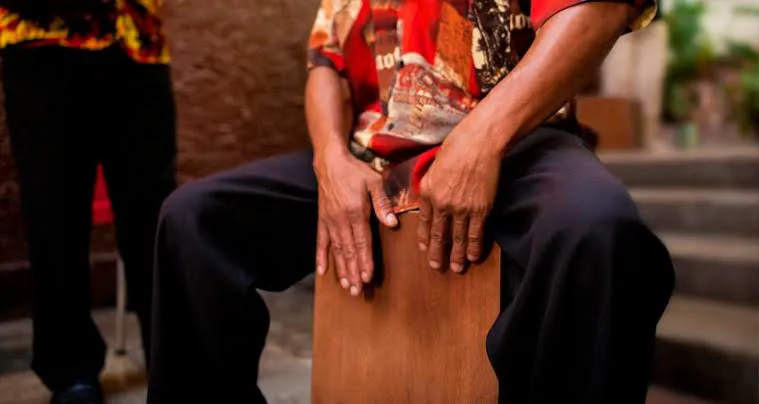
Lima is a global city shaped by centuries of immigration. Its Afro-Peruvian community gave birth to the rhythms of festejo and landó; its Japanese community (Nikkei) created a unique fusion cuisine; its Chinese community runs chifas (Chinese-Peruvian restaurants) on every corner. These cultures overlap and mix in uniquely Limeño ways.

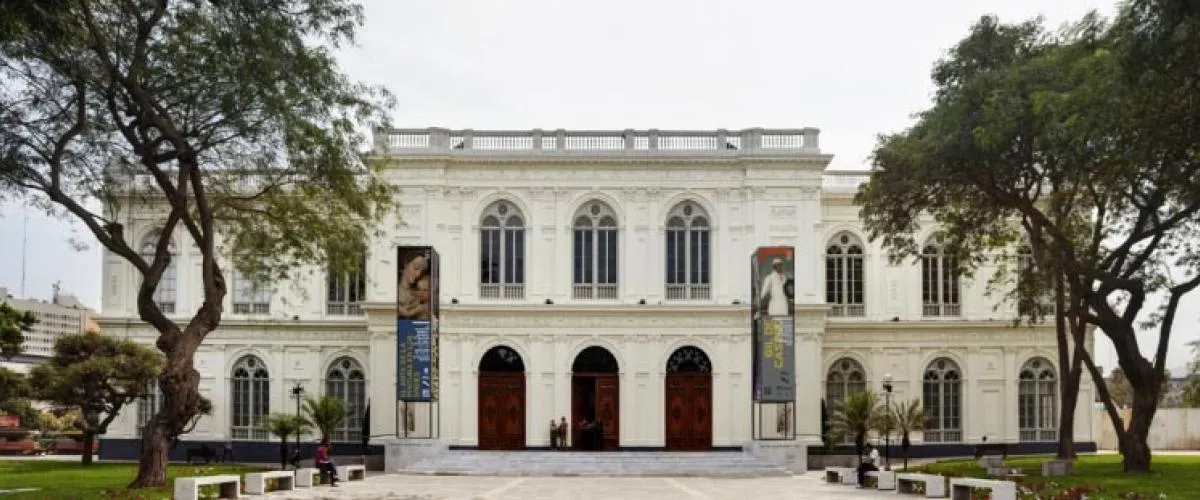
The city has a thriving contemporary arts scene centered in Barranco, with dozens of galleries, the MALI (Museo de Arte de Lima), and an annual arts festival. Lima's fashion, design, and music scenes are among the most dynamic in Latin America.

Culture

Traditions

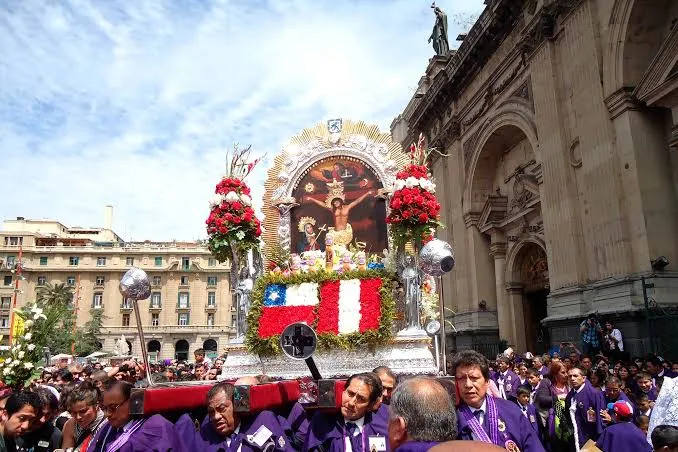
The Señor de los Milagros (Lord of Miracles) procession in October is Lima's most important religious tradition — a massive Catholic event in which a painting of Christ is carried through the streets by thousands of purple-clad devotees. It is one of the largest Catholic processions in the world.

Marinera, Peru's national dance, is regularly performed in Lima at peñas (traditional music venues) and festivals. Its elegant, flirtatious choreography with a white handkerchief dates from the 19th century and is a source of great national pride.

Traditions

Activities

Activities

Food Tour

Guided tastings of ceviche, anticuchos, pisco sours, and Lima's world-famous cuisine.

Paragliding

Tandem paragliding over the Pacific cliffs of Miraflores — a bucket-list experience.

Historic Walking Tour

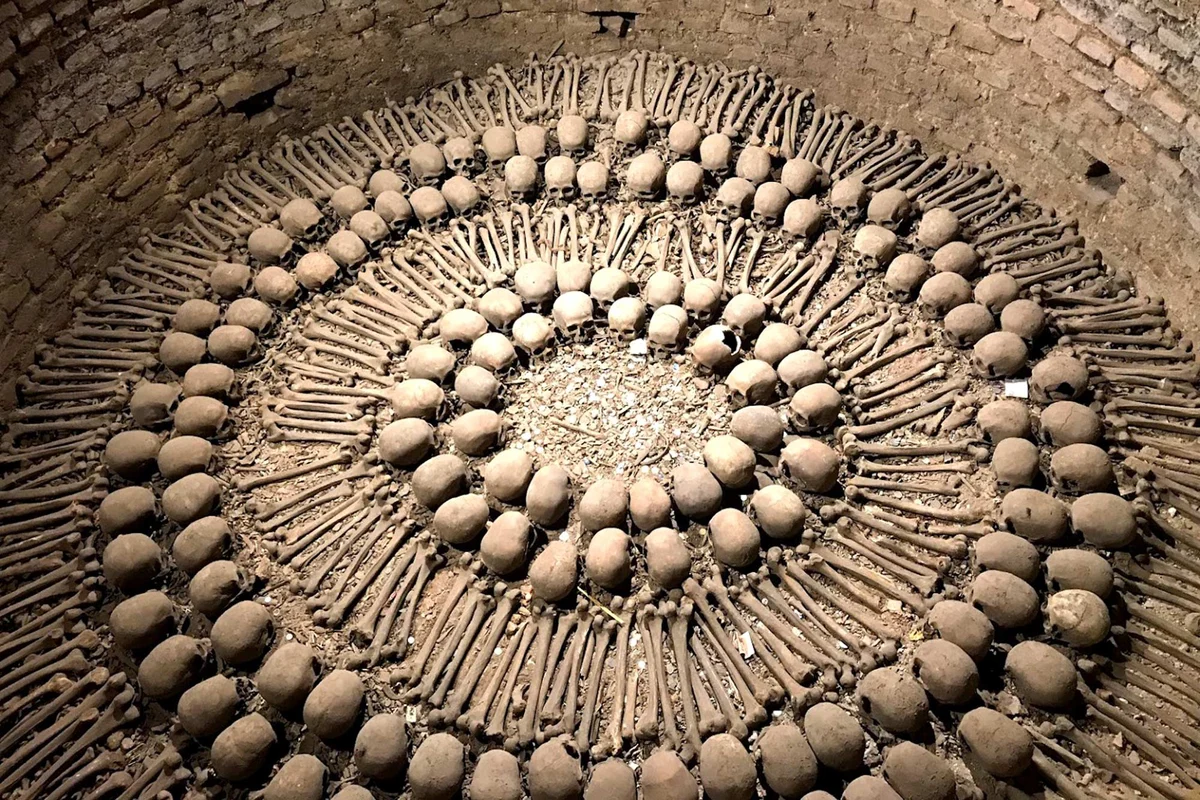
Guided tour through the colonial center, catacombs, and baroque churches.

Surfing

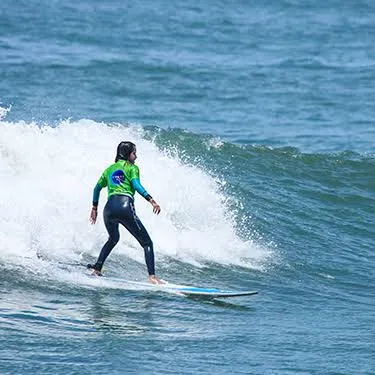
Surf breaks along the entire Lima coast — Miraflores, Barranco, and Punta Hermosa nearby.

Museum Hopping

Larco Museum, MALI, Amano, and dozens of world-class pre-Columbian collections.

Day Trip to Paracas & Ballestas

3.5 hours south: wildlife islands, red sand desert, and flamingo lagoons.

Food & Cuisine

Lima is consistently ranked among the world's top culinary destinations. Its cuisine is a fusion of Indigenous Andean ingredients, Spanish colonial cooking, African rhythms, Japanese precision, and Chinese wok technique — creating an absolutely unique gastronomic culture.

Food & Cuisine

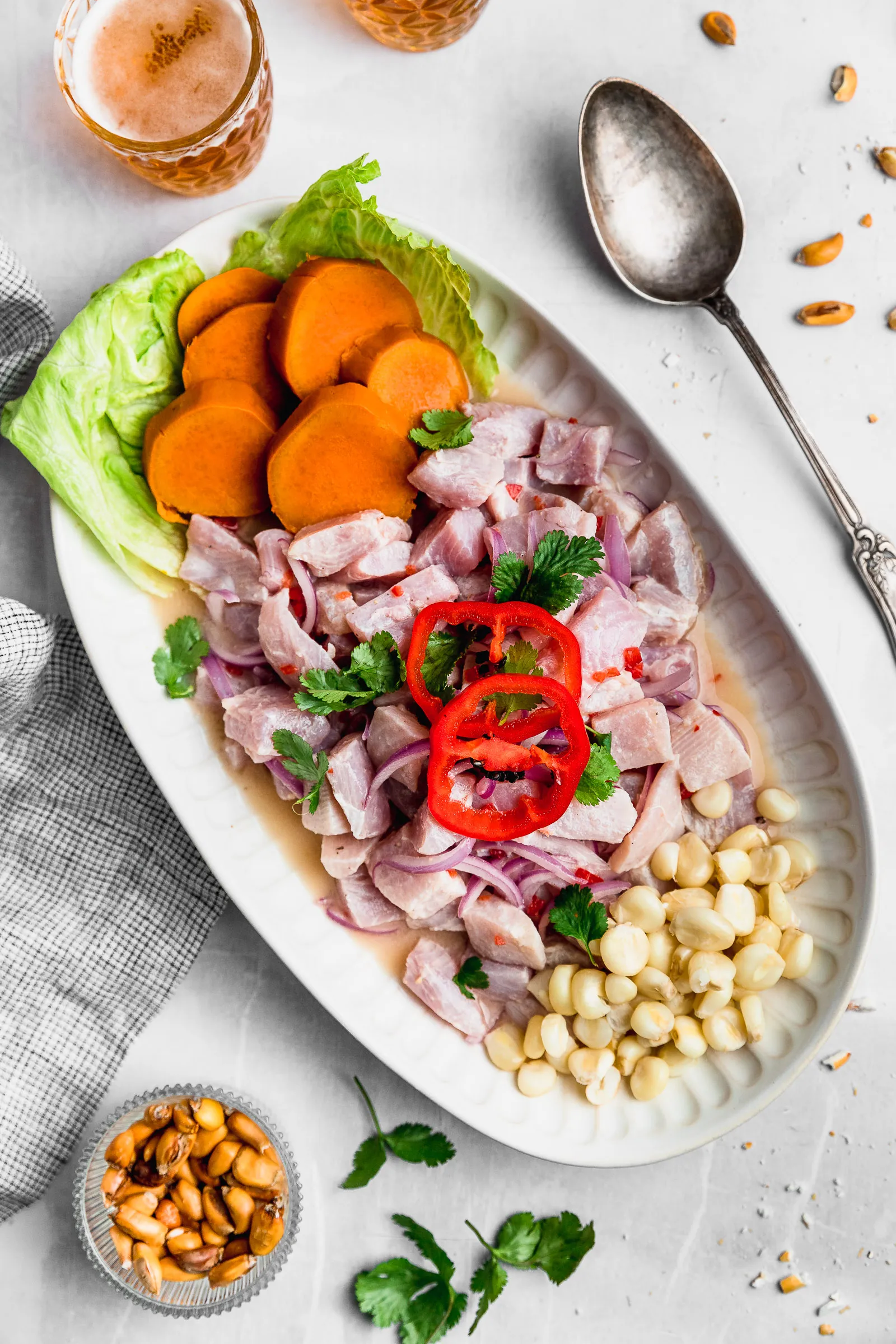
Ceviche

Fresh raw fish cured in lime juice with onions, chili, and cilantro — Peru's national dish.

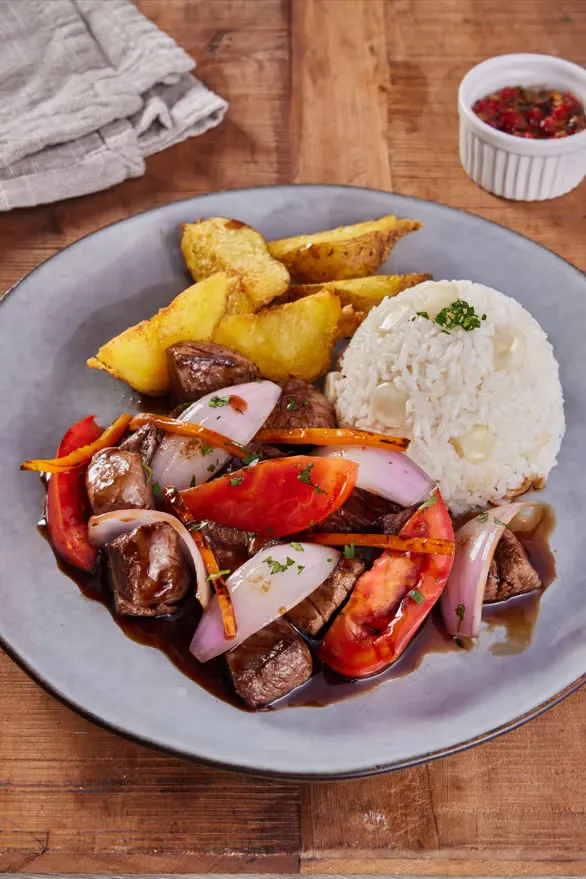
Lomo Saltado

Stir-fried beef with tomatoes, onions, and fries — the ultimate Peruvian comfort food.

Causa Limeña

Layered potato dish with tuna or chicken, avocado, and lime — a Lima classic.

Pisco Sour

Peru's national cocktail: pisco, lime, sugar, egg white, and Angostura bitters.

Anticuchos

Grilled beef heart skewers marinated in aji panca — a beloved street food from African heritage.

Travel Info

Getting There

  • Jorge Chávez International Airport — direct flights from major US, European, and Latin American cities
  • American Airlines, LATAM, Air France, Avianca, Iberia, and more
  • No altitude sickness — Lima is at sea level

Getting Around

  • Uber and Cabify operate reliably and are recommended over street taxis
  • Miraflores to Barranco: ~10 min by Uber, walkable along the cliff path
  • Metropolitano BRT bus runs from Barranco to the historic center
  • Avoid driving in rush hour (7-9am, 5-8pm) — traffic is notorious

Safety Tips

  • Miraflores, San Isidro, and Barranco are generally safe for tourists
  • Avoid wandering the historic center alone at night
  • Keep valuables secure and don't display expensive phones or cameras
  • Use Uber instead of hailing taxis from the street

Best Time to Visit

  • December–April: Summer with warm sunny weather (25-28°C)
  • May–November: Gray overcast skies but excellent for food and culture
  • Lima is great year-round — the food never disappoints!
  • Good starting point before flying to Cusco or Machu Picchu

Book Your Adventure

Ready to explore Lima?

Our local experts will design the perfect trip for you. Private tours, bilingual guides, and unique experiences.

Browse All ToursMore Destinations
Chat with a Local Peru Travel Expert