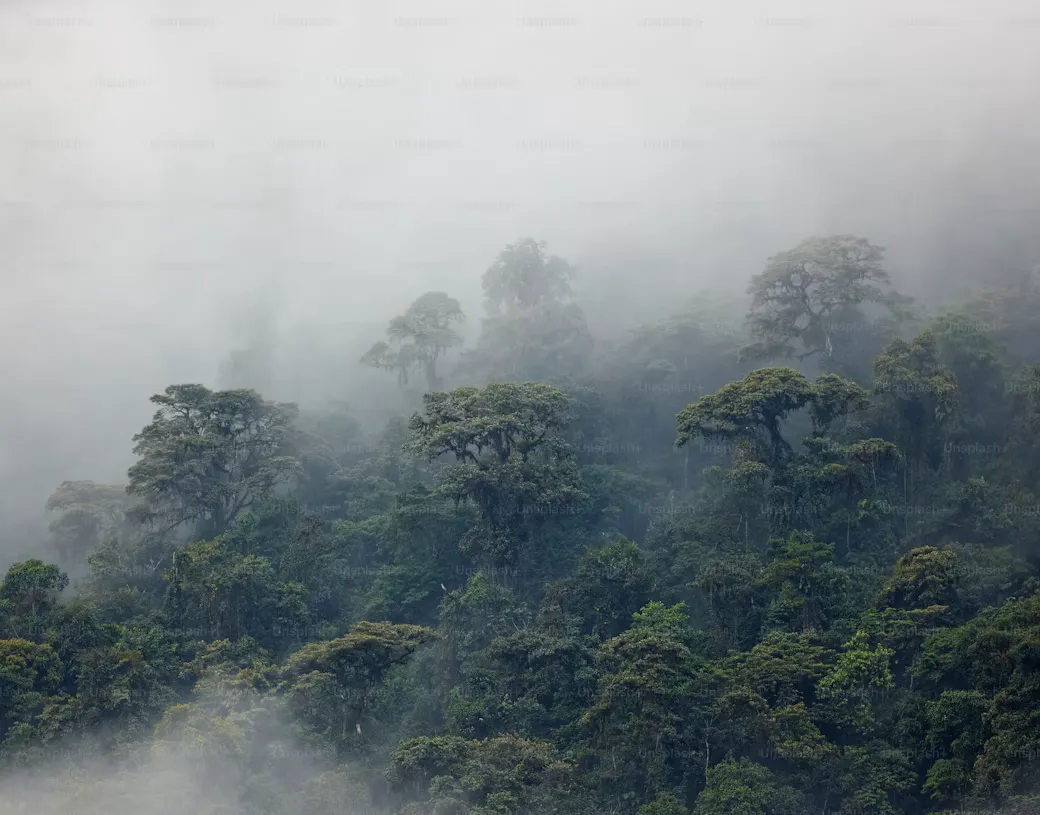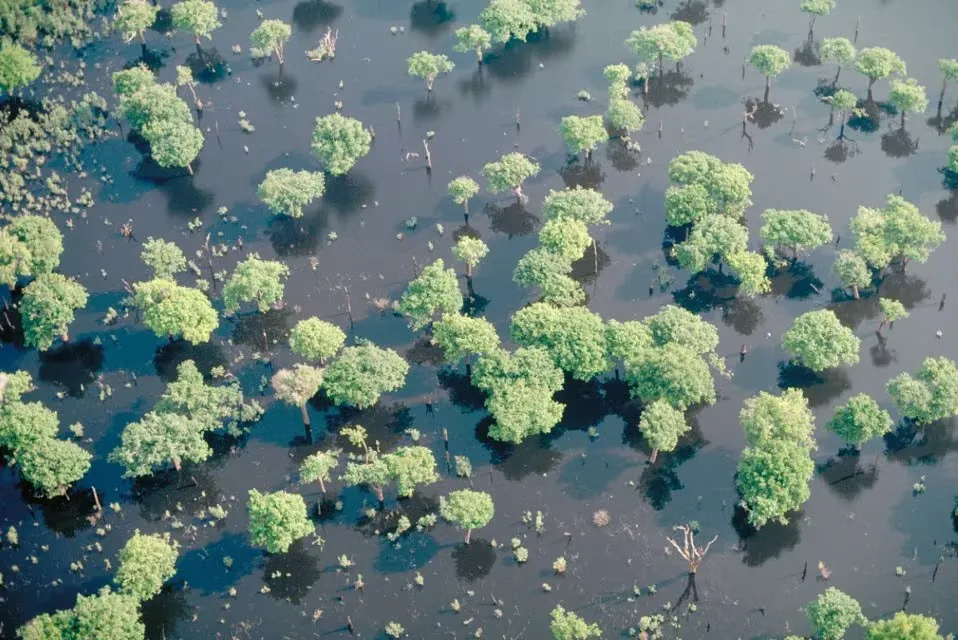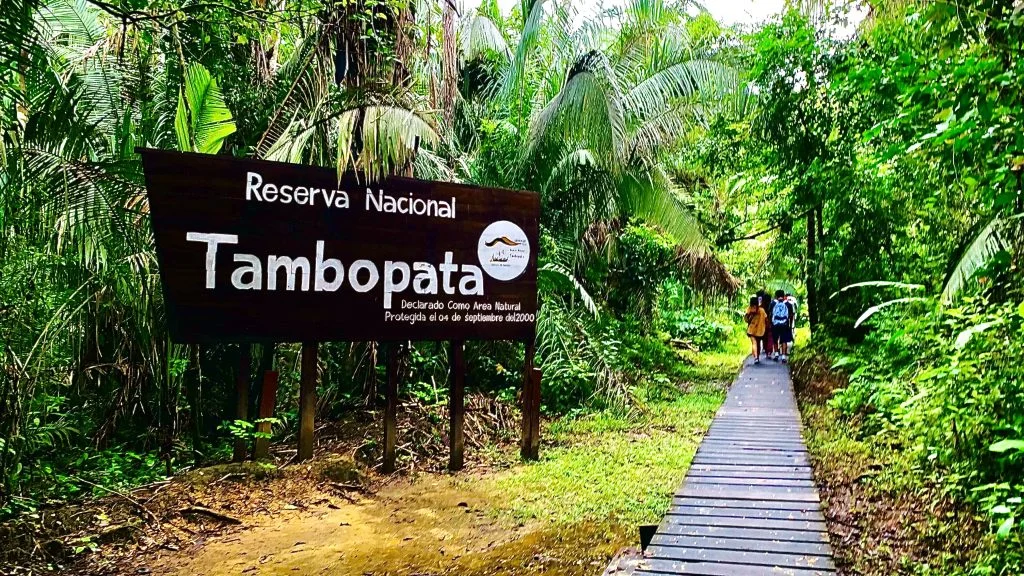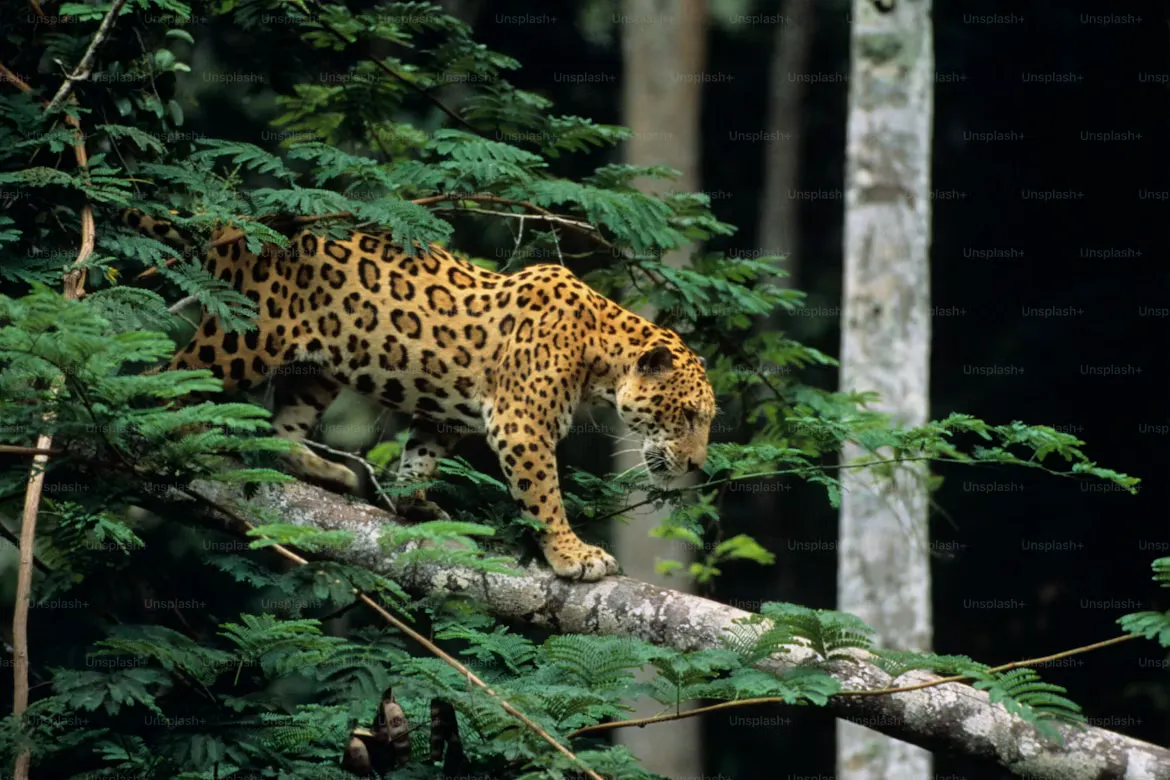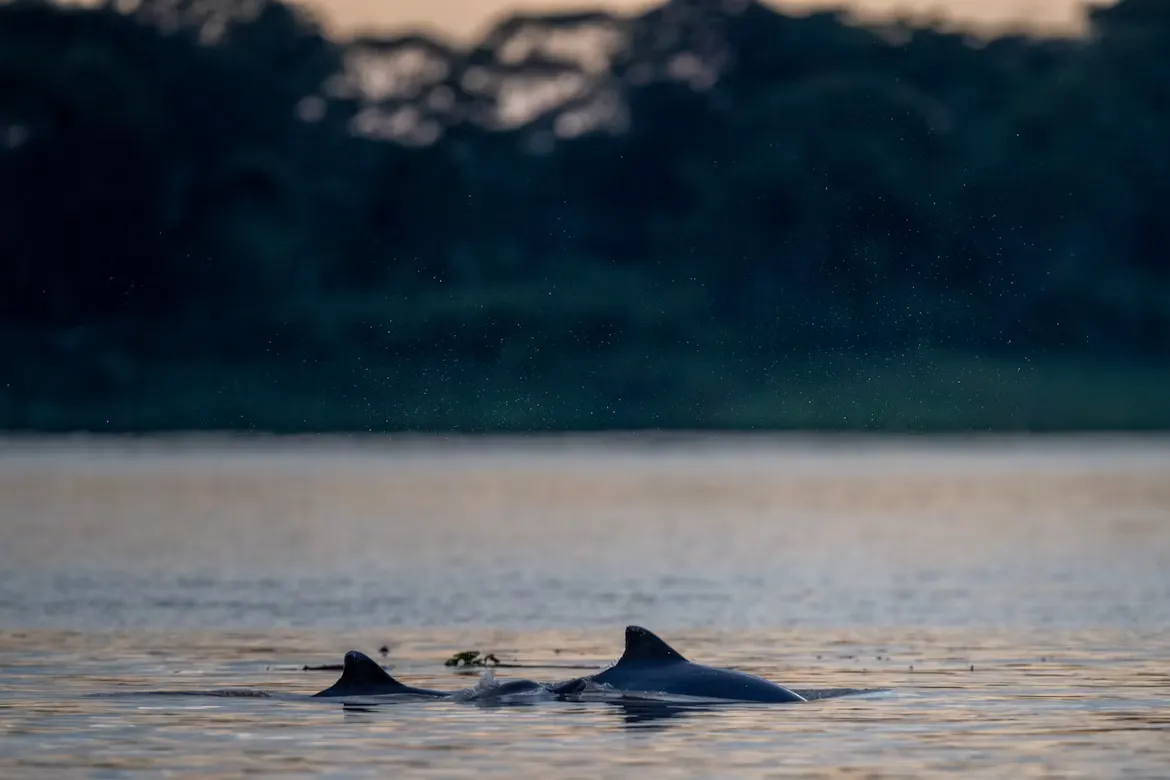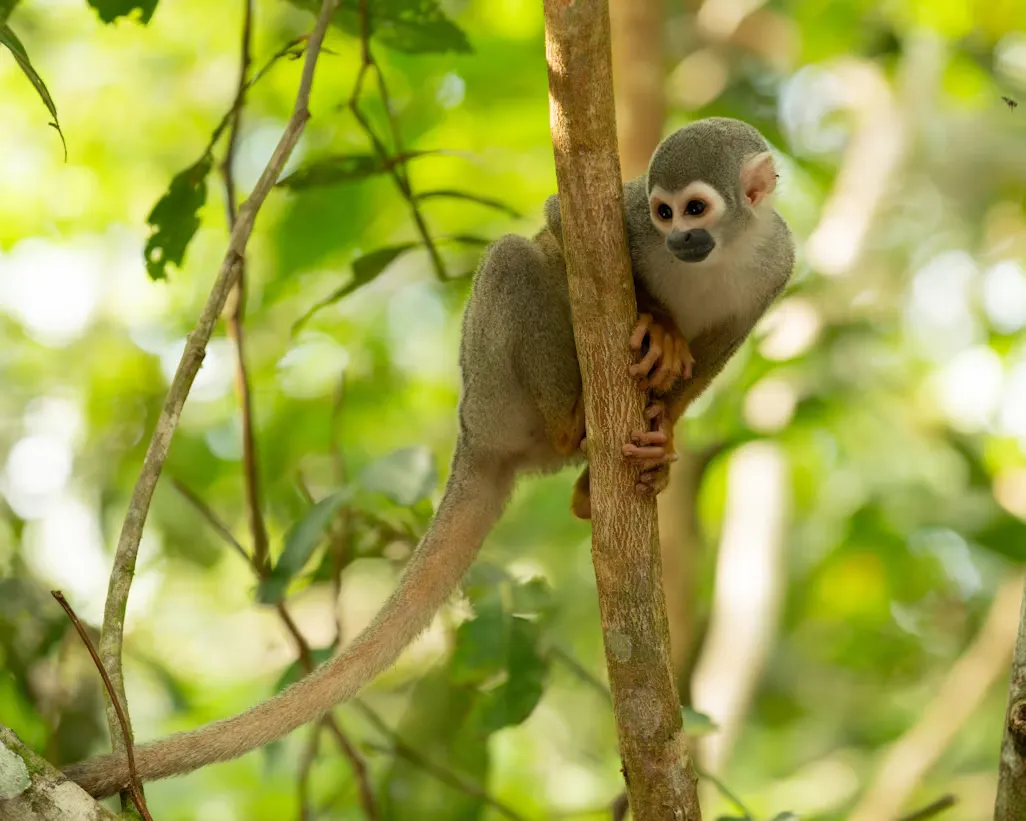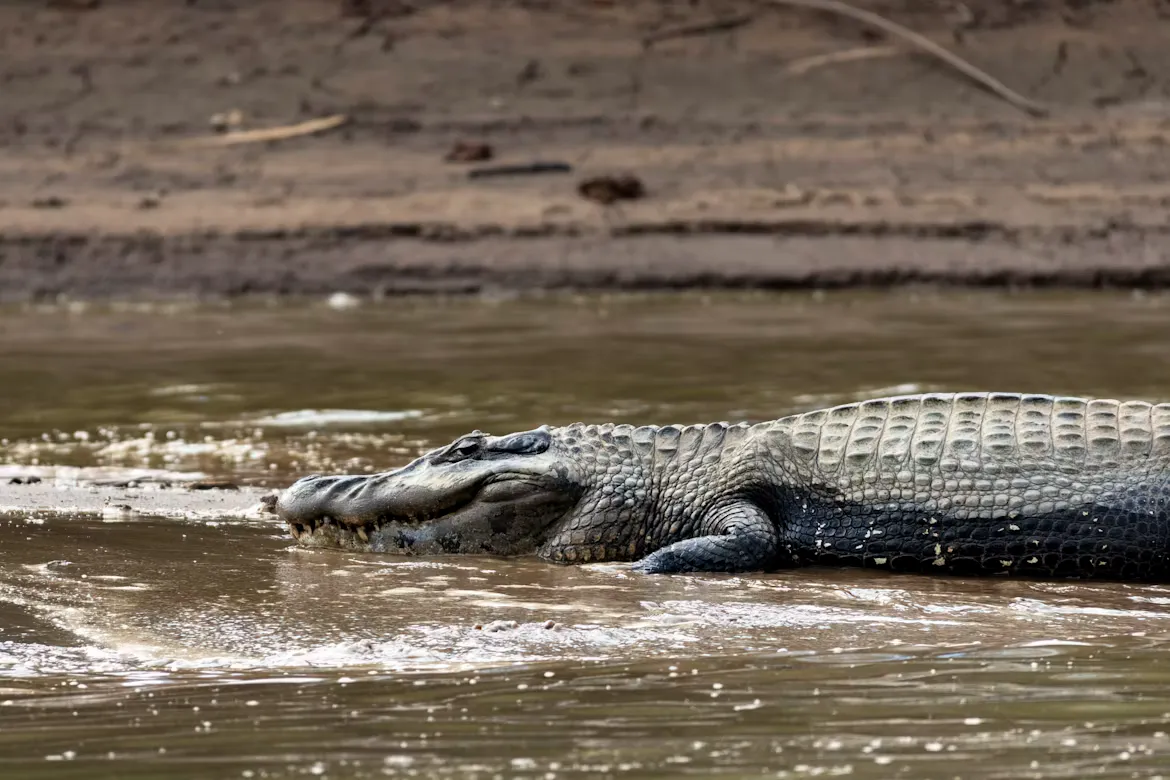
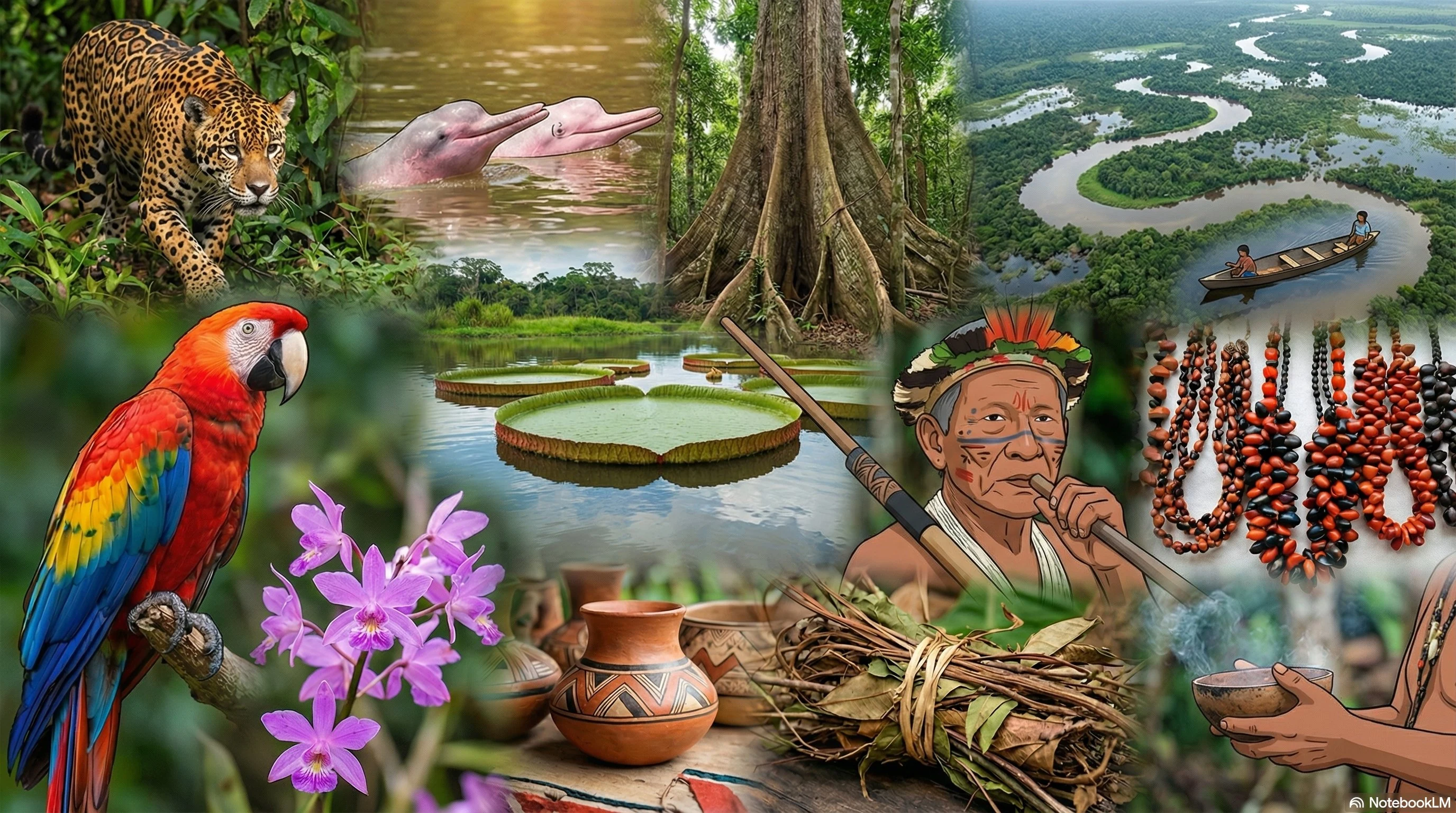
The Peruvian Amazon covers nearly sixty percent of Peru's national territory, harboring the highest concentration of plant and animal biodiversity on Earth. From the cloud forest slopes of Manu National Park to the virgin lowland jungle of Tambopata Reserve, it offers an incomparable wildlife wilderness.
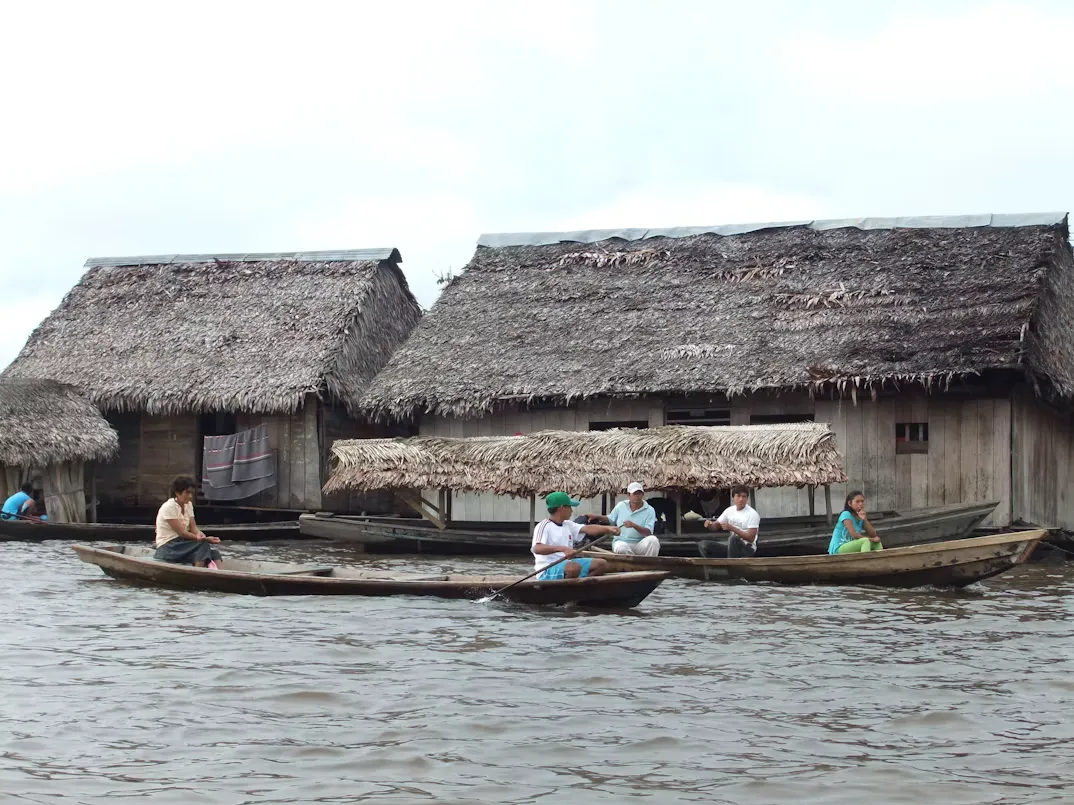
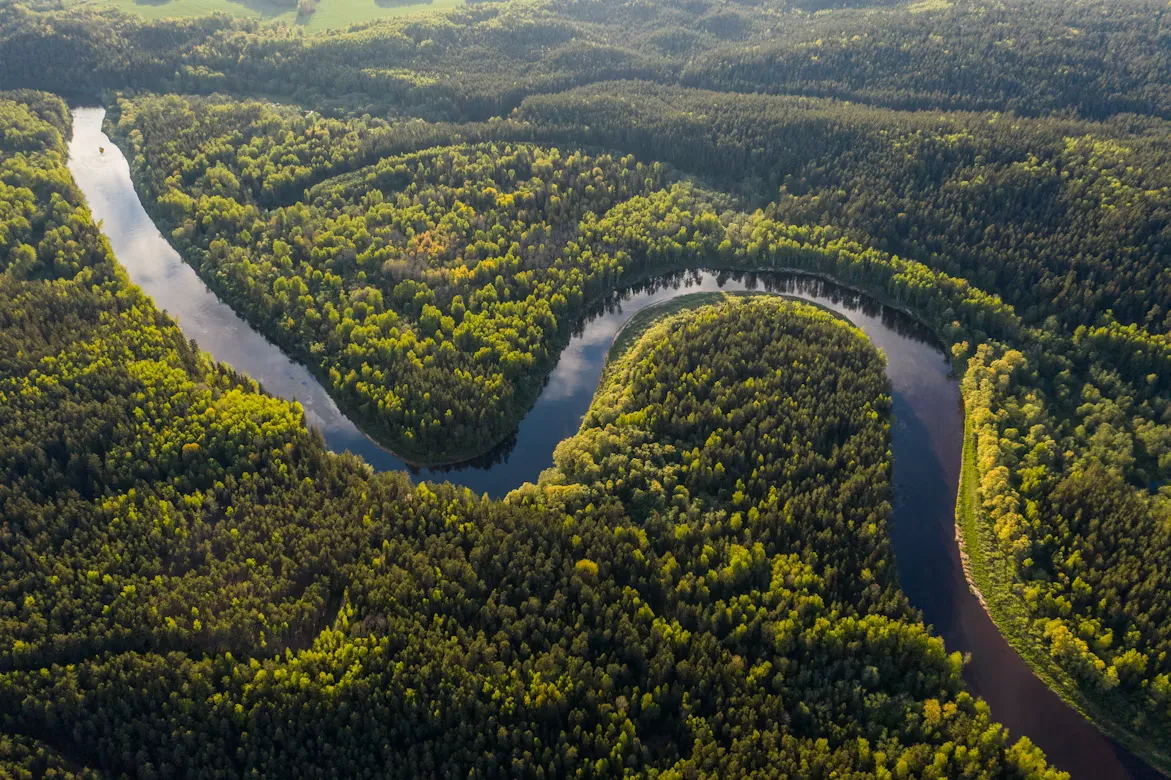
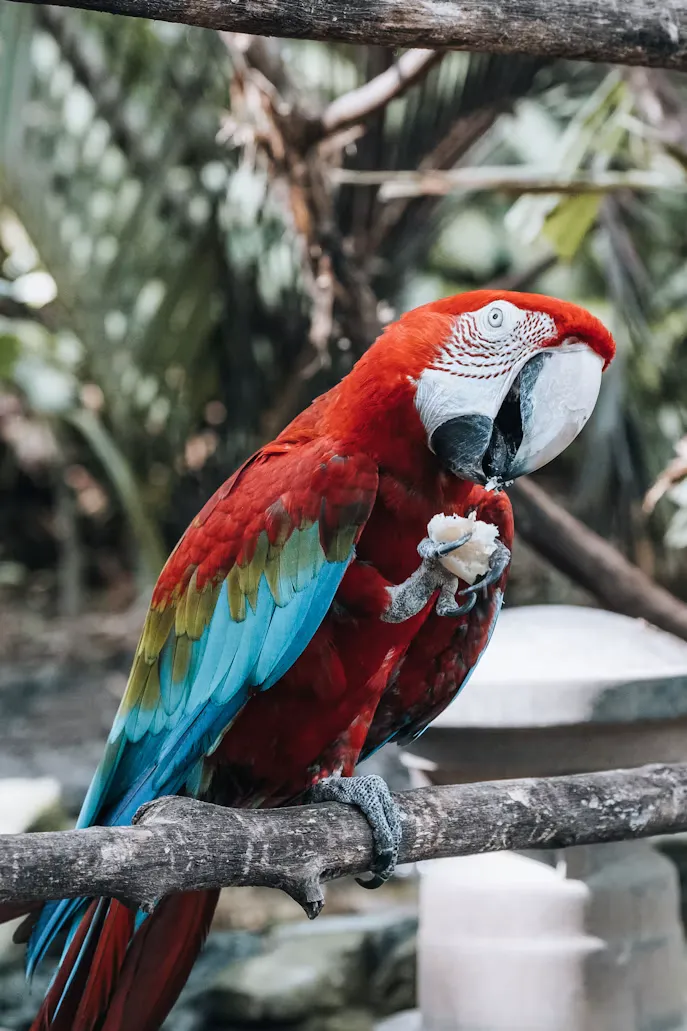
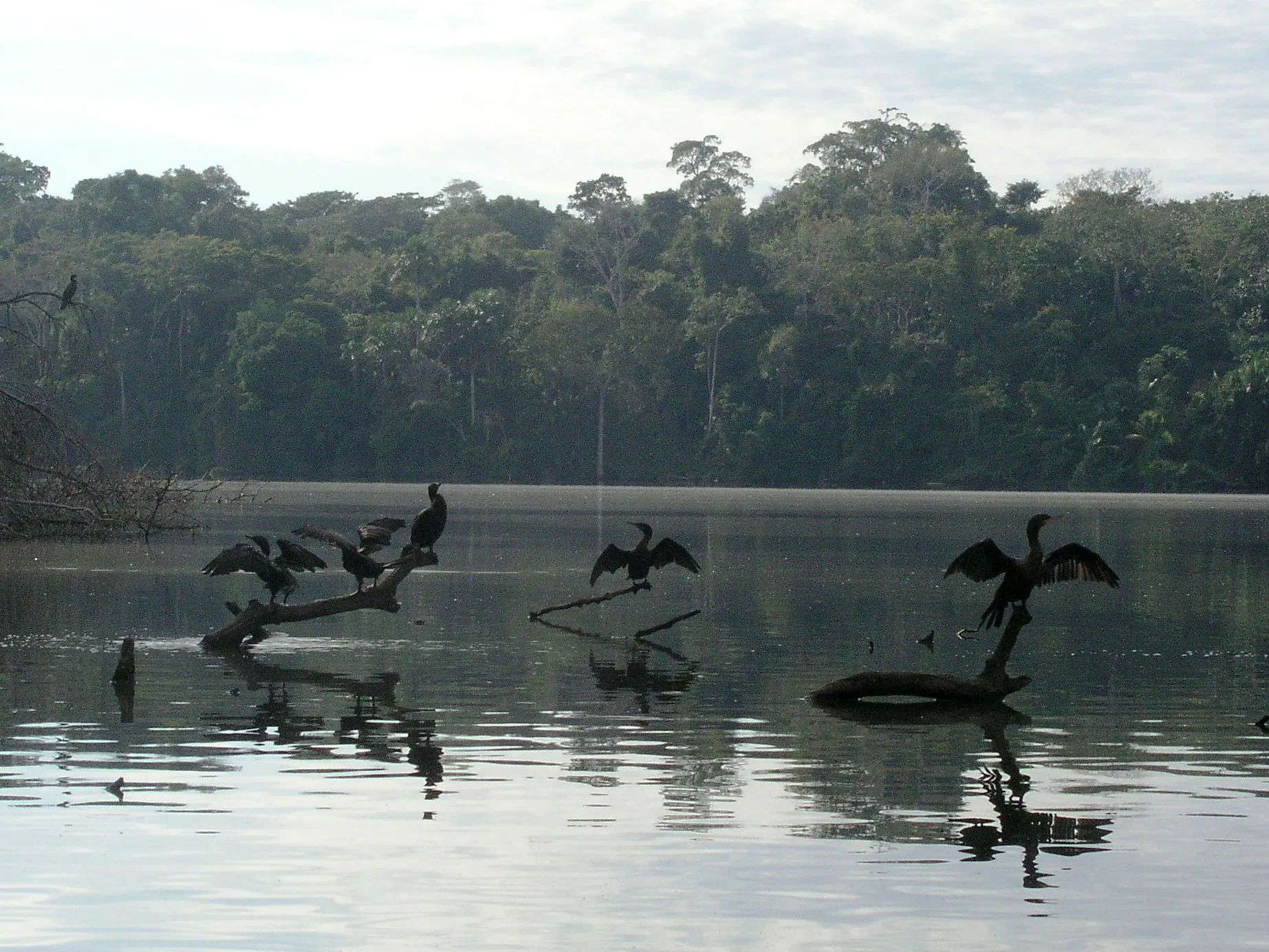
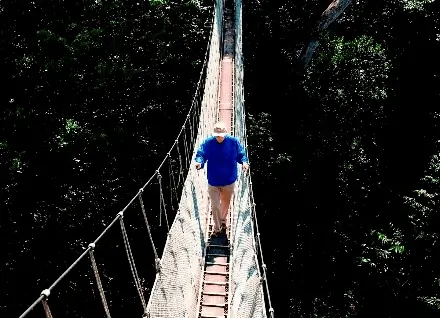
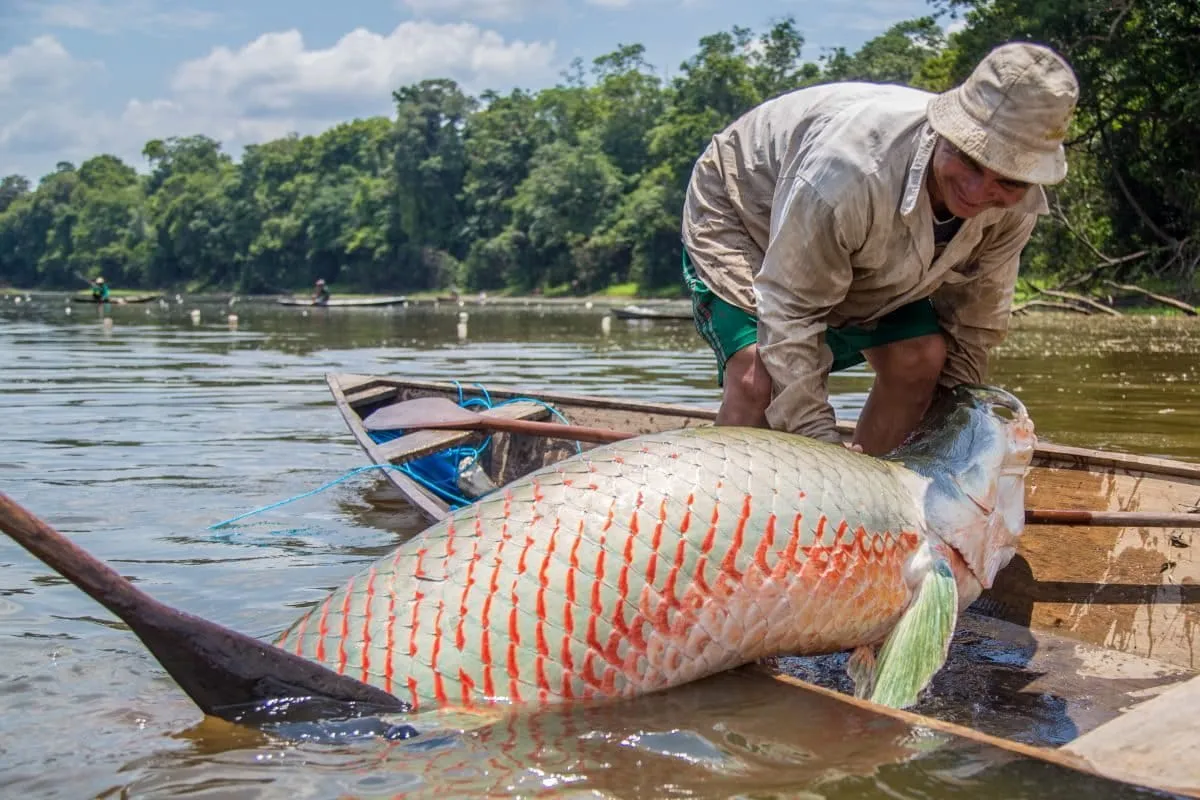
Traversed by mighty river systems including the Amazon, Madre de Dios, and Ucayali rivers, the jungle is home to world-renowned eco-lodges accessible only by boat. Travelers can walk along high canopy walkways, navigate peaceful oxbow lakes, and witness hundreds of colorful macaws gathered at clay licks.
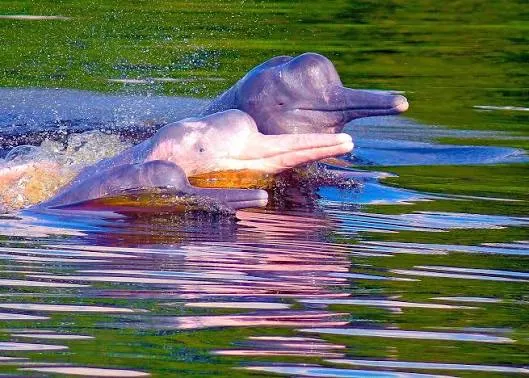
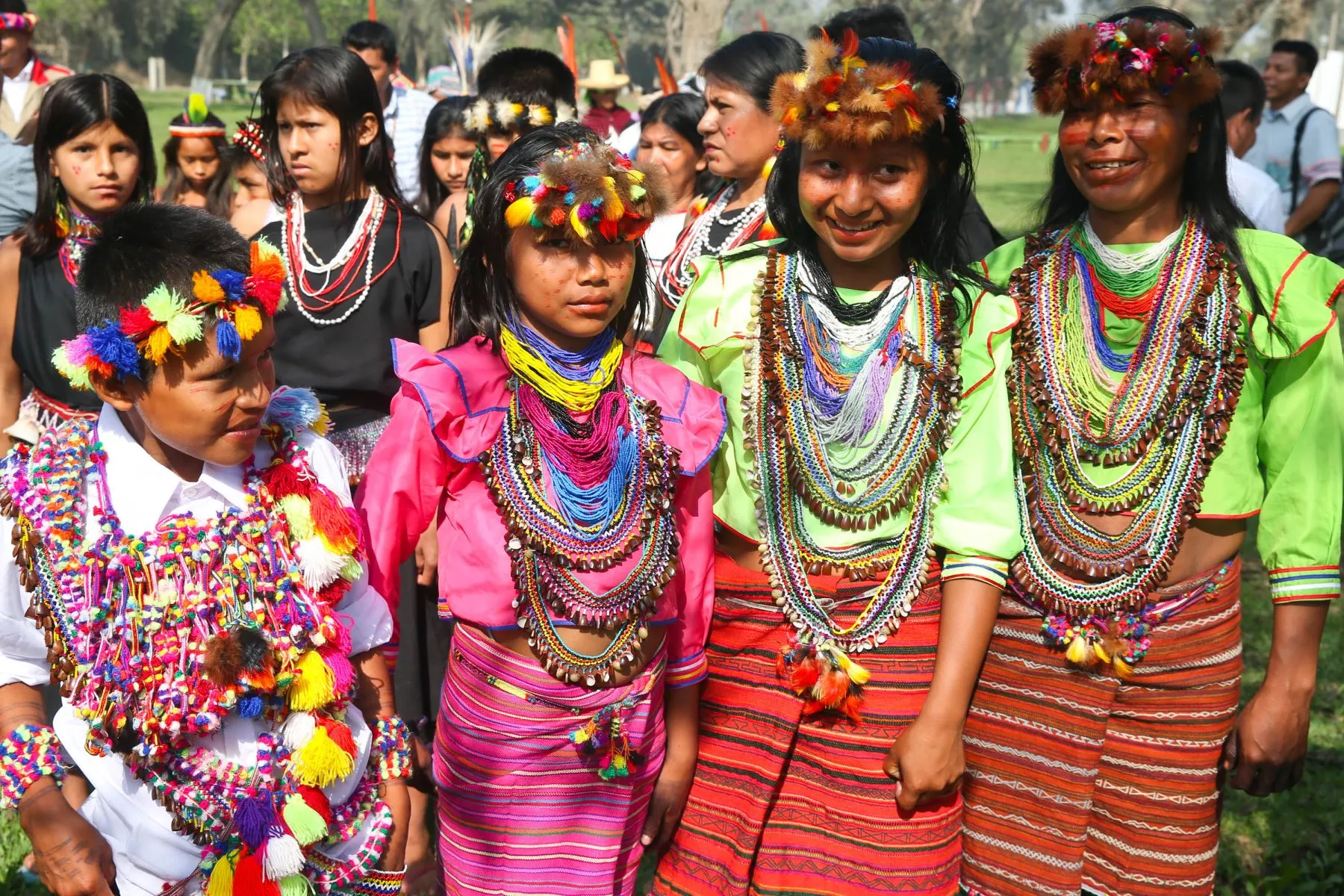
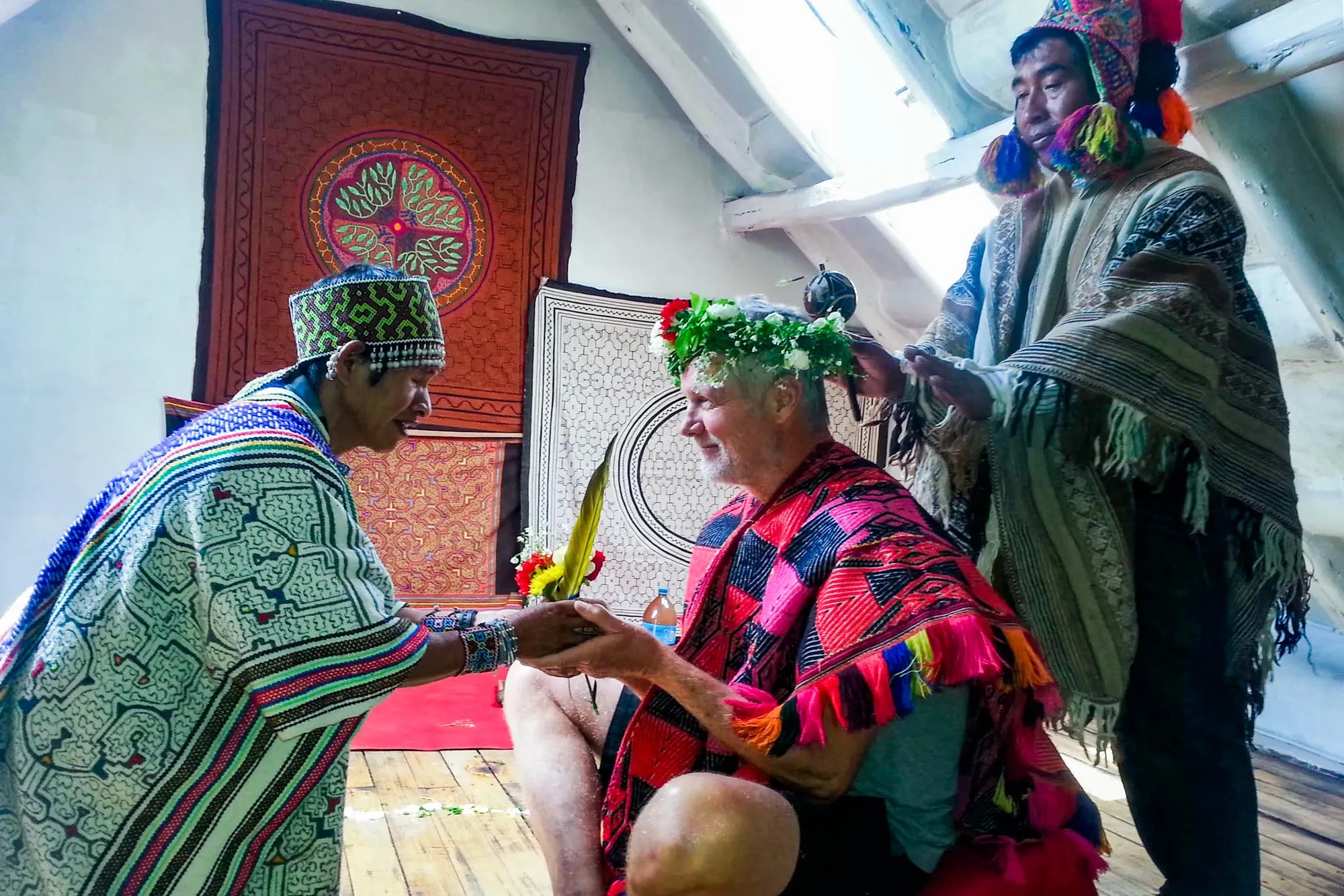
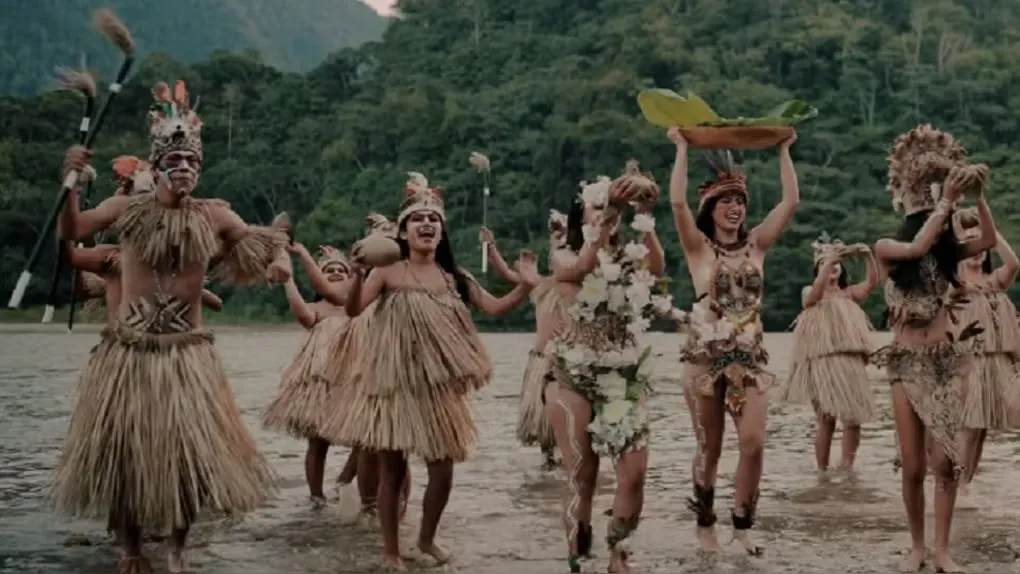
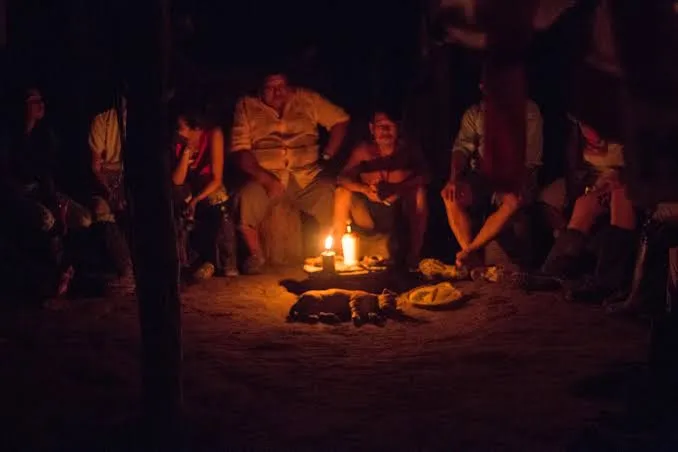
Inhabited by indigenous communities preserving ancient herbal medicine, the Amazon invites visitors to reconnect with untouched nature. Its tropical warmth, night jungle safaris, and extraordinary wildlife encounters make it one of South America's most transformative ecological travel experiences.