Peru Reservations
TRUSTED SITE
Nazca
UNESCO World Heritage Site

Nazca — Mystery Drawn in the Desert

The ancient geoglyphs of the Nazca Lines stretch across the desert floor — one of the world's greatest archaeological enigmas

LocationIca Region, 450km south of Lima
ClimateExtremely dry & sunny, 25–35°C
AccessBus (7-8hrs from Lima) or flight
Flights10-45 min scenic flights over the Lines
AreaOver 1,000 km² of geoglyphs
CultureNazca civilization (100 BC–800 AD)

Welcome to Nazca

The Nazca Lines are one of the most fascinating and mysterious archaeological sites in the world. Etched into the surface of the Nazca desert between 100 BC and 800 AD by the Nazca civilization, these enormous geoglyphs — drawings of animals, plants, and geometric shapes visible only from the air — cover an area of over 1,000 km². A UNESCO World Heritage Site since 1994, they remain an extraordinary testament to an ancient culture and their understanding of astronomy, hydraulics, and monumental art. The nearby city of Nazca serves as the base for flights over the Lines.

Welcome to Nazca

History

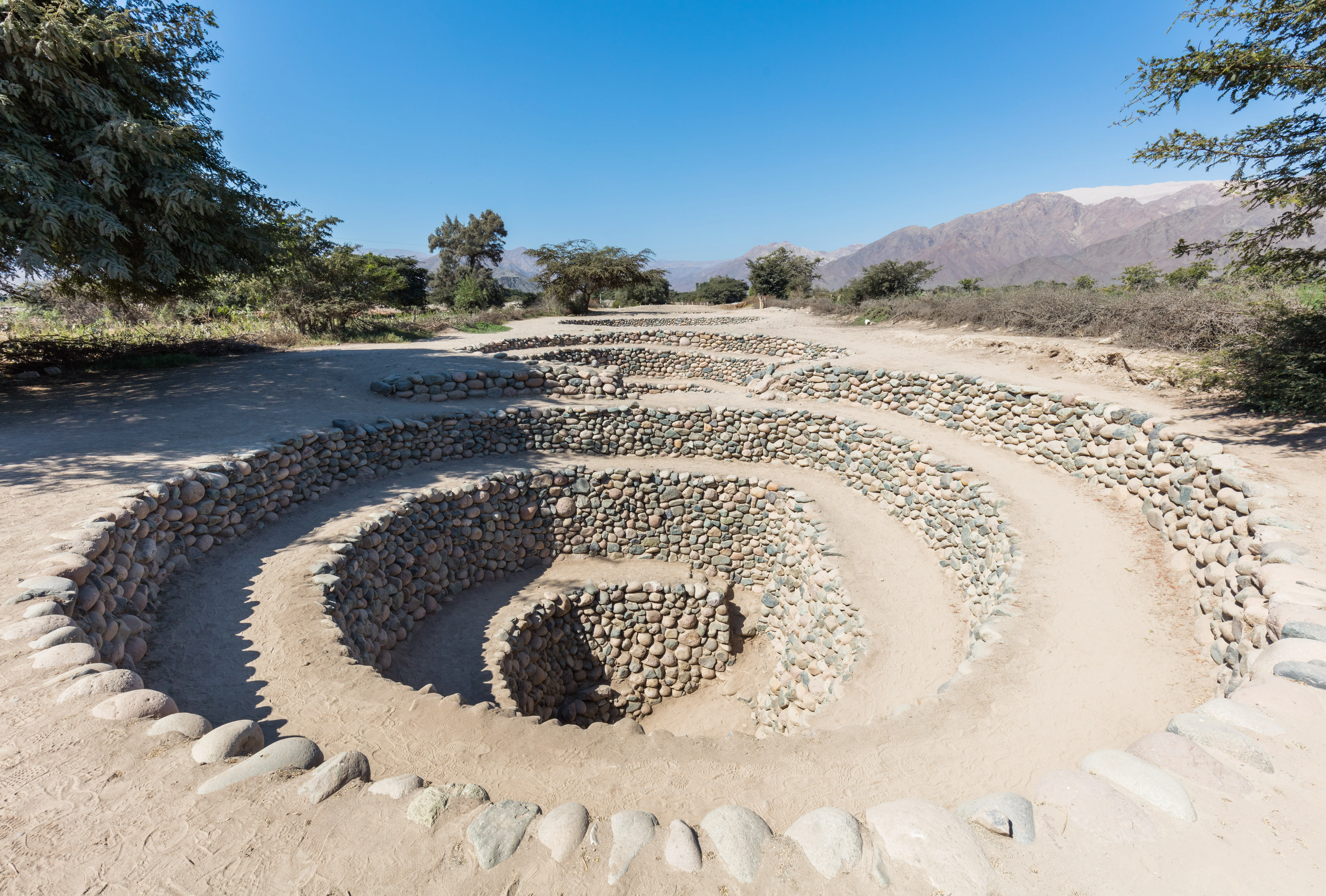
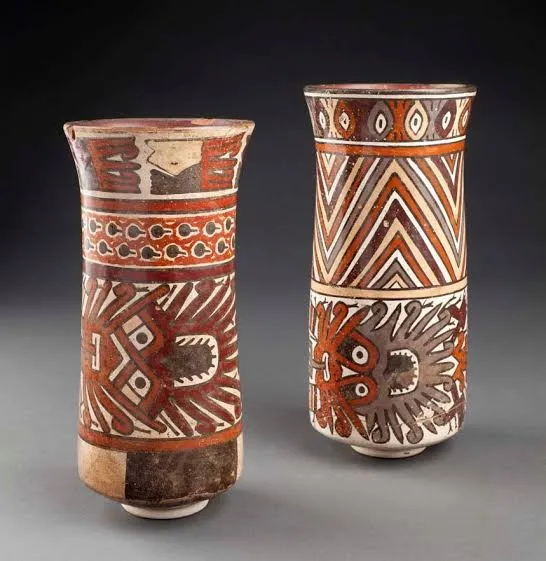
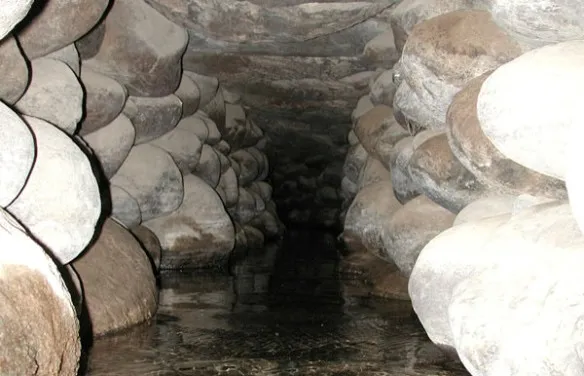
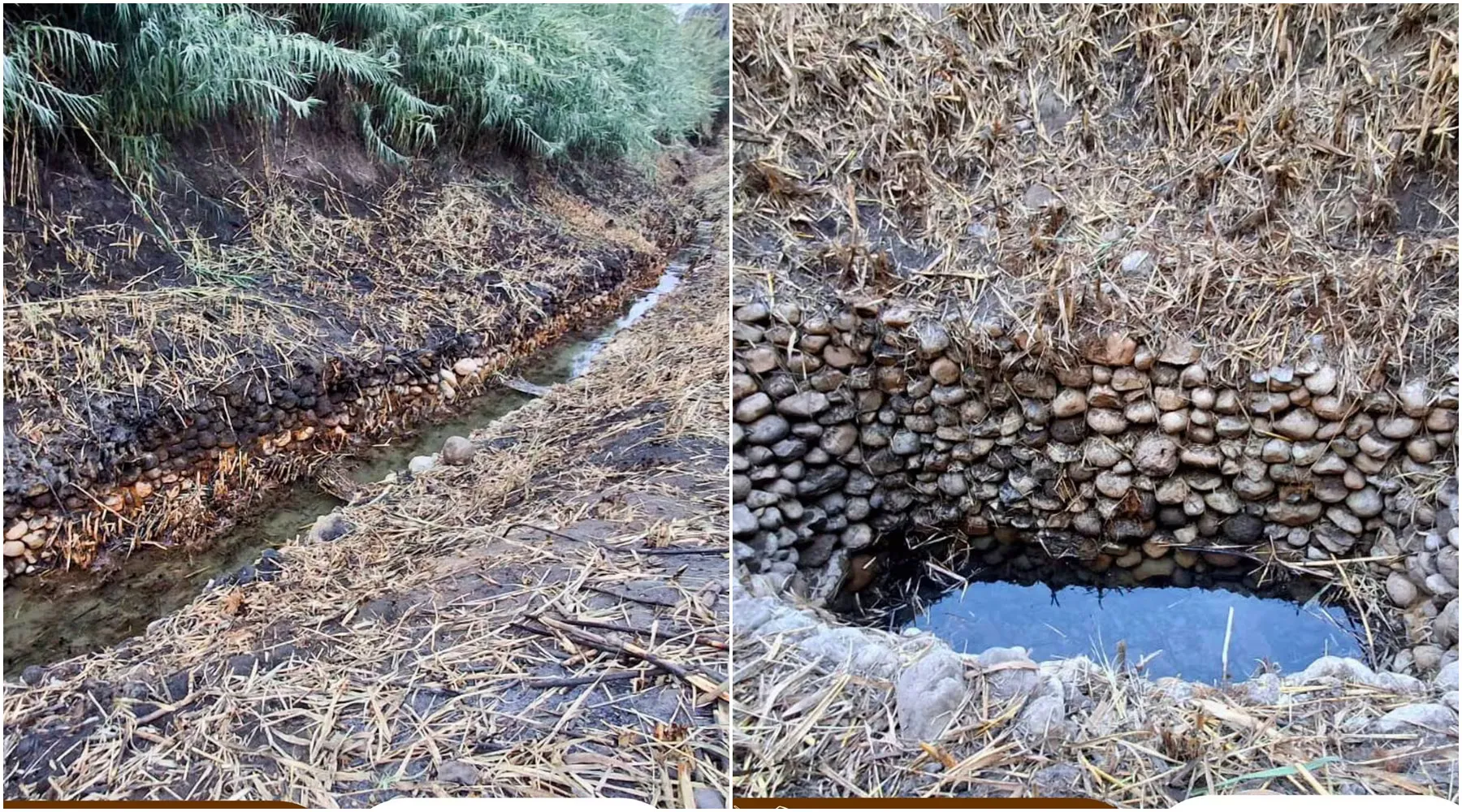
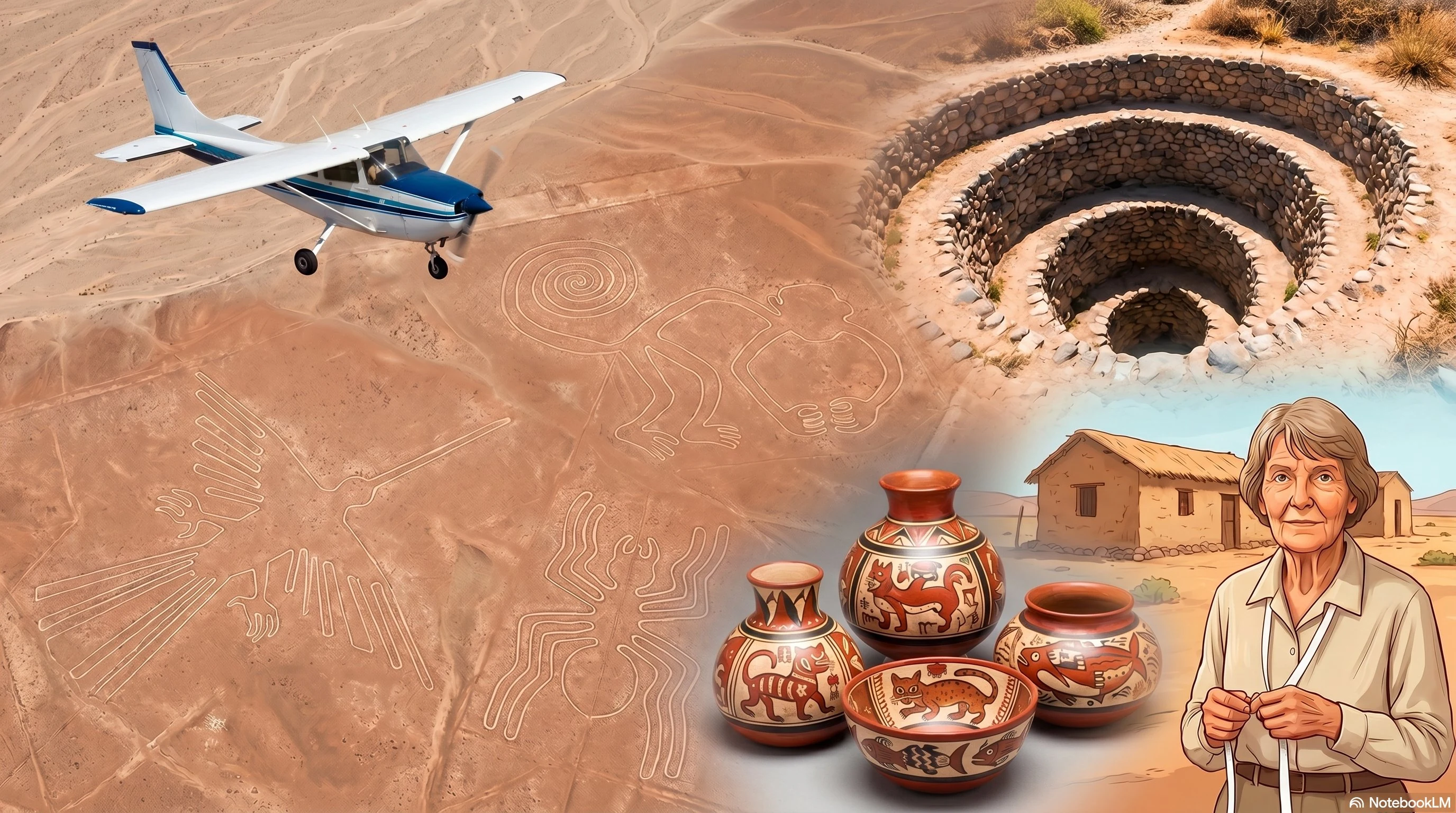
The Nazca culture flourished in the coastal desert of southern Peru between approximately 100 BC and 800 AD. They created extraordinary pottery decorated with mythological creatures, built sophisticated underground aqueducts (puquios) that still function today, and produced the world-famous Nazca Lines — an achievement that continues to astonish and puzzle archaeologists.

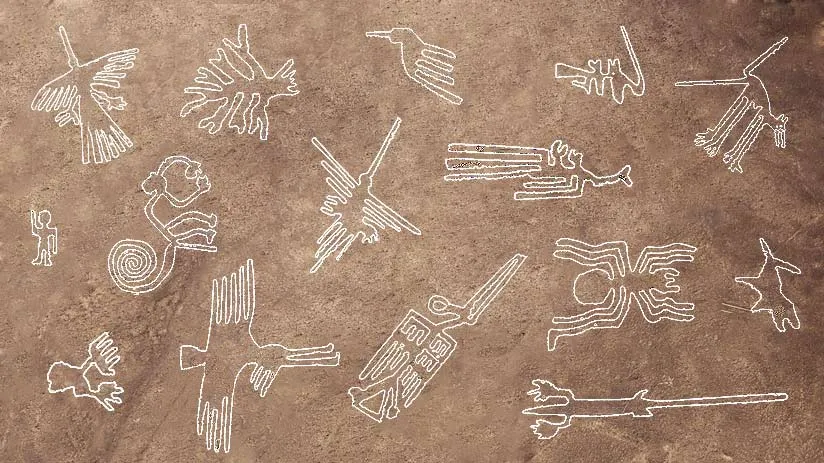
The Lines were created by removing the reddish-brown iron oxide-coated pebbles to reveal the lighter ground beneath. Thanks to the extremely stable desert climate (virtually no wind, rain, or erosion), the lines have survived for nearly 2,000 years. The geoglyphs include over 70 animal and plant figures, hundreds of geometric shapes, and straight lines that run for miles across the desert.

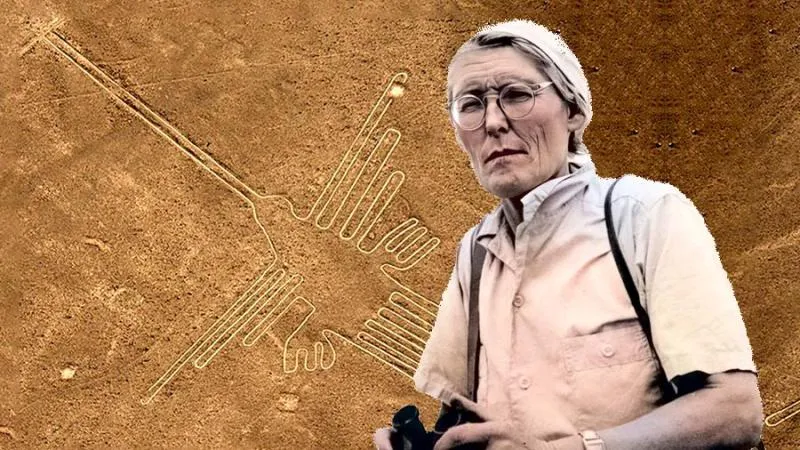
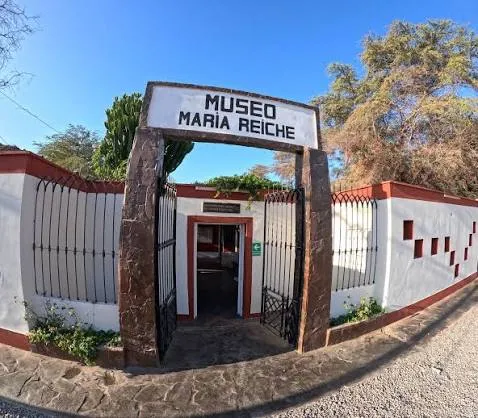
German mathematician Maria Reiche dedicated her life (from 1946 until her death in 1998) to measuring and protecting the Nazca Lines. Her astronomical interpretations — that the Lines served as a giant astronomical calendar — remain influential, though multiple theories exist about their purpose.

History

Geography

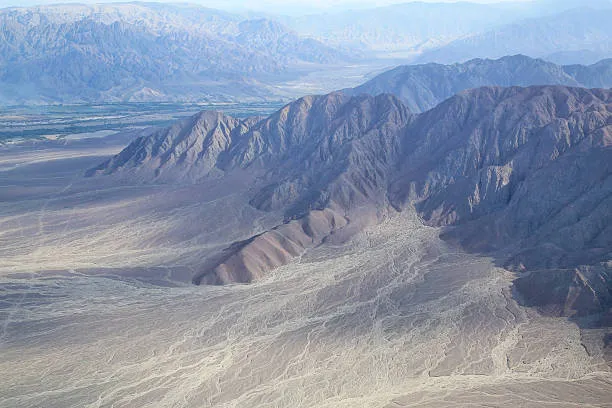
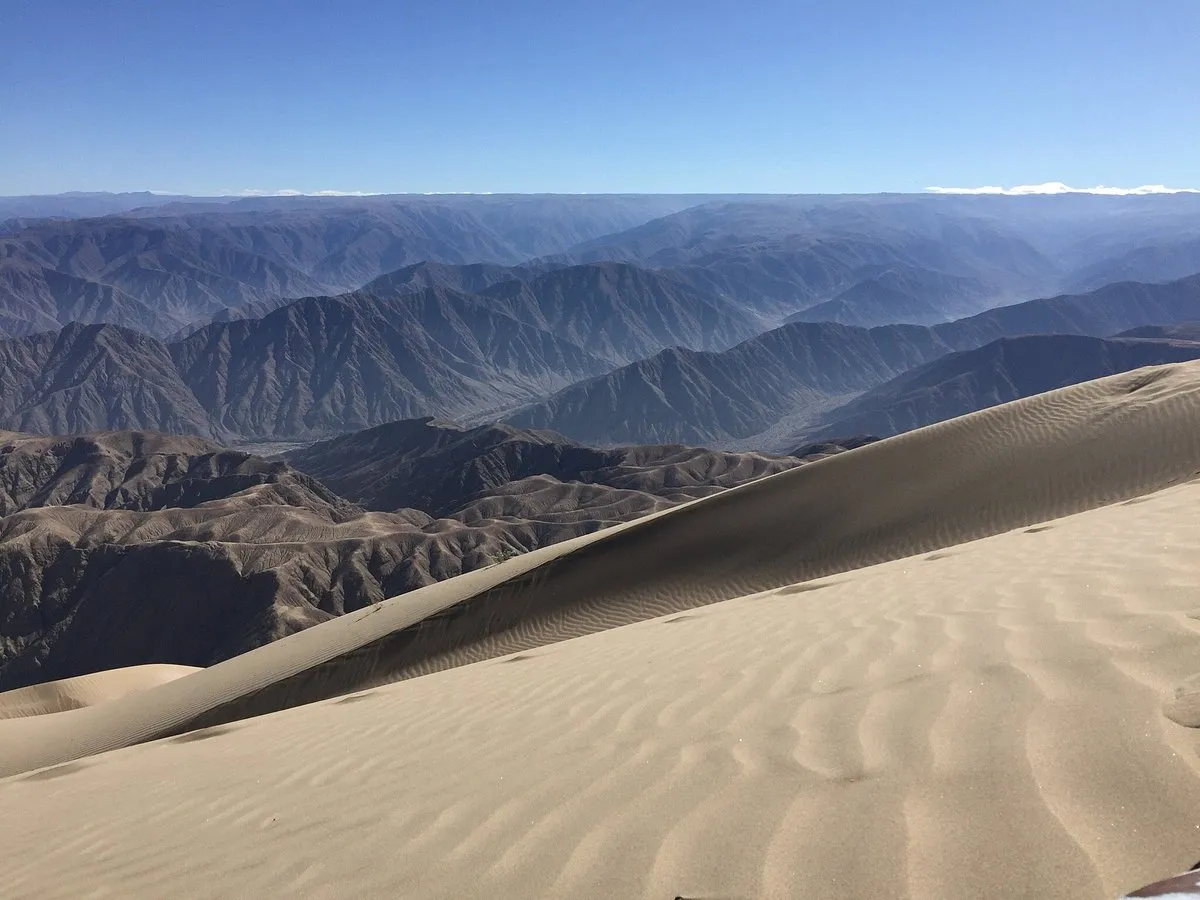
Nazca sits in the Ica Desert, one of the driest places on Earth. The Pampas de Jumana — the plateau where most of the geoglyphs are found — is characterized by extremely stable, windless conditions and minimal rainfall (less than 30mm per year). This extraordinary climatic stability is what has preserved the Lines for nearly 2,000 years.

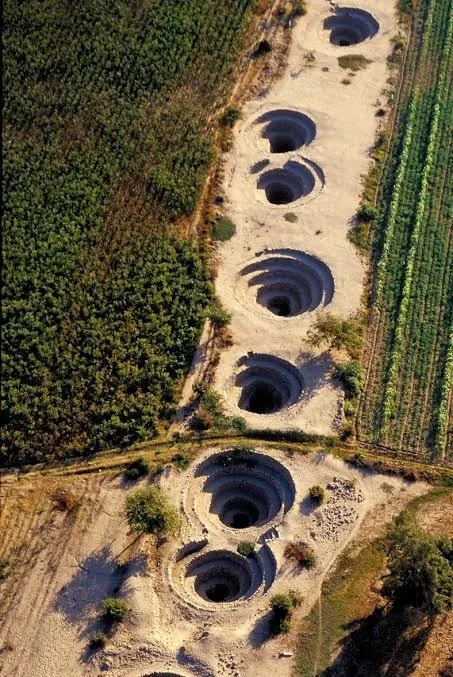
The underground aqueducts (puquios) built by the Nazca civilization are an engineering marvel — a network of underground channels lined with stone that channel water from the Andes across the desert to support agriculture. Many remain in use today, testifying to the Nazca's sophisticated understanding of hydrology.

Geography

The Nazca Lines

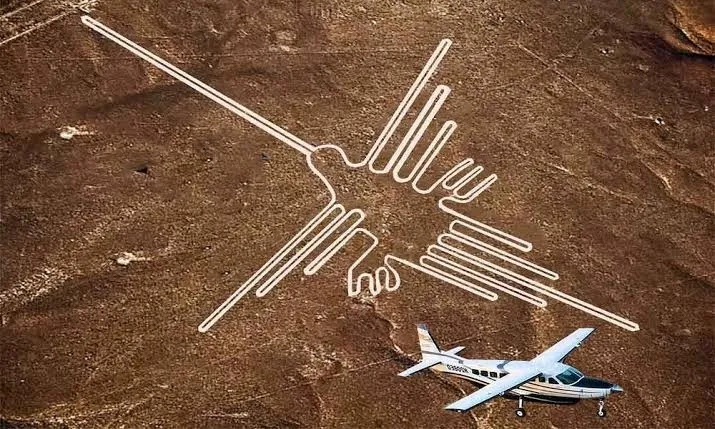
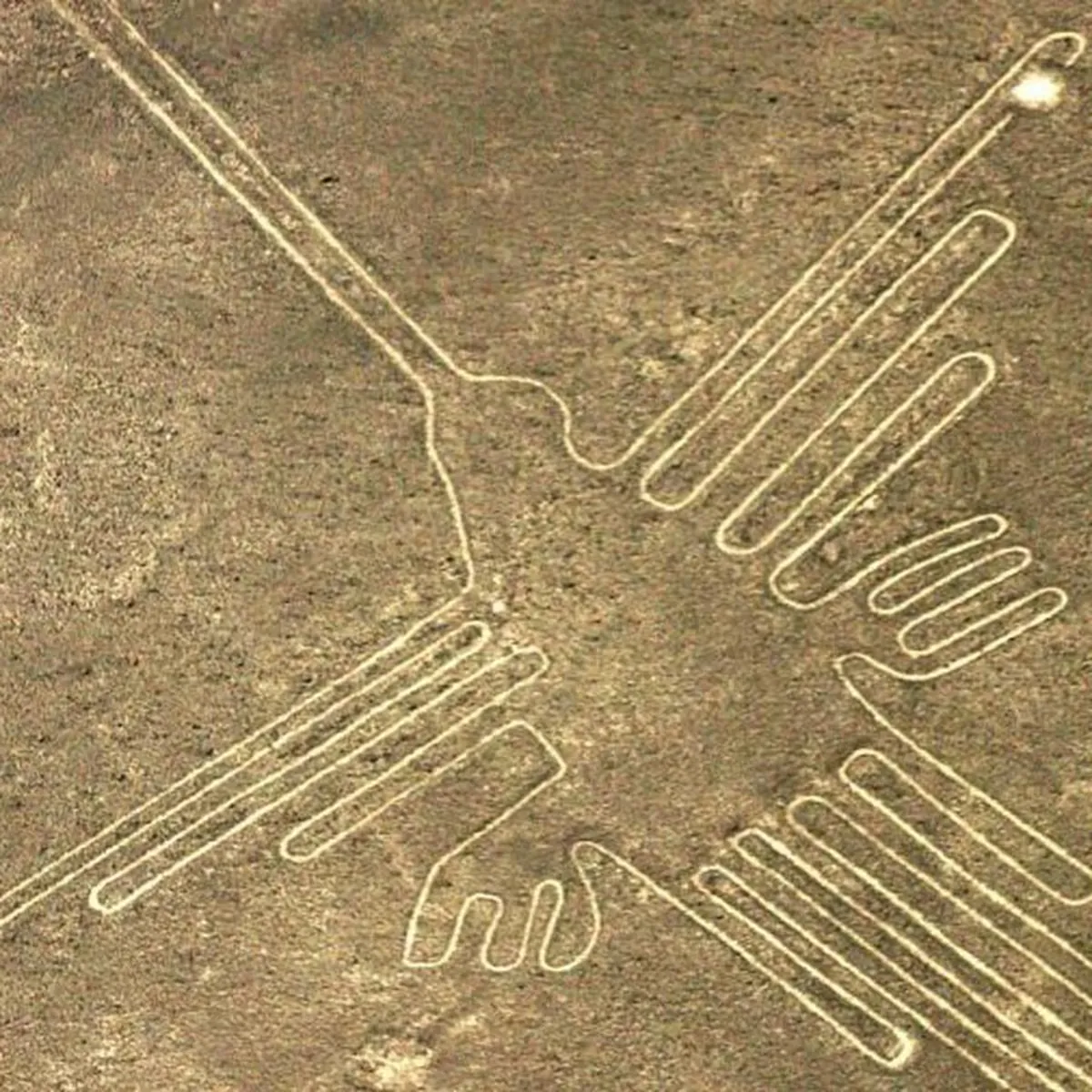
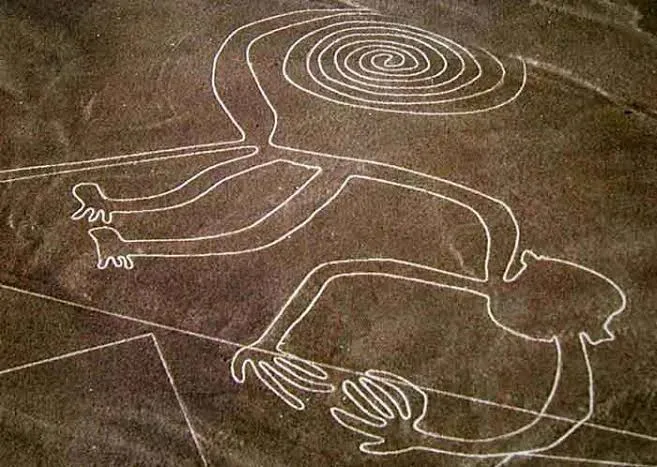
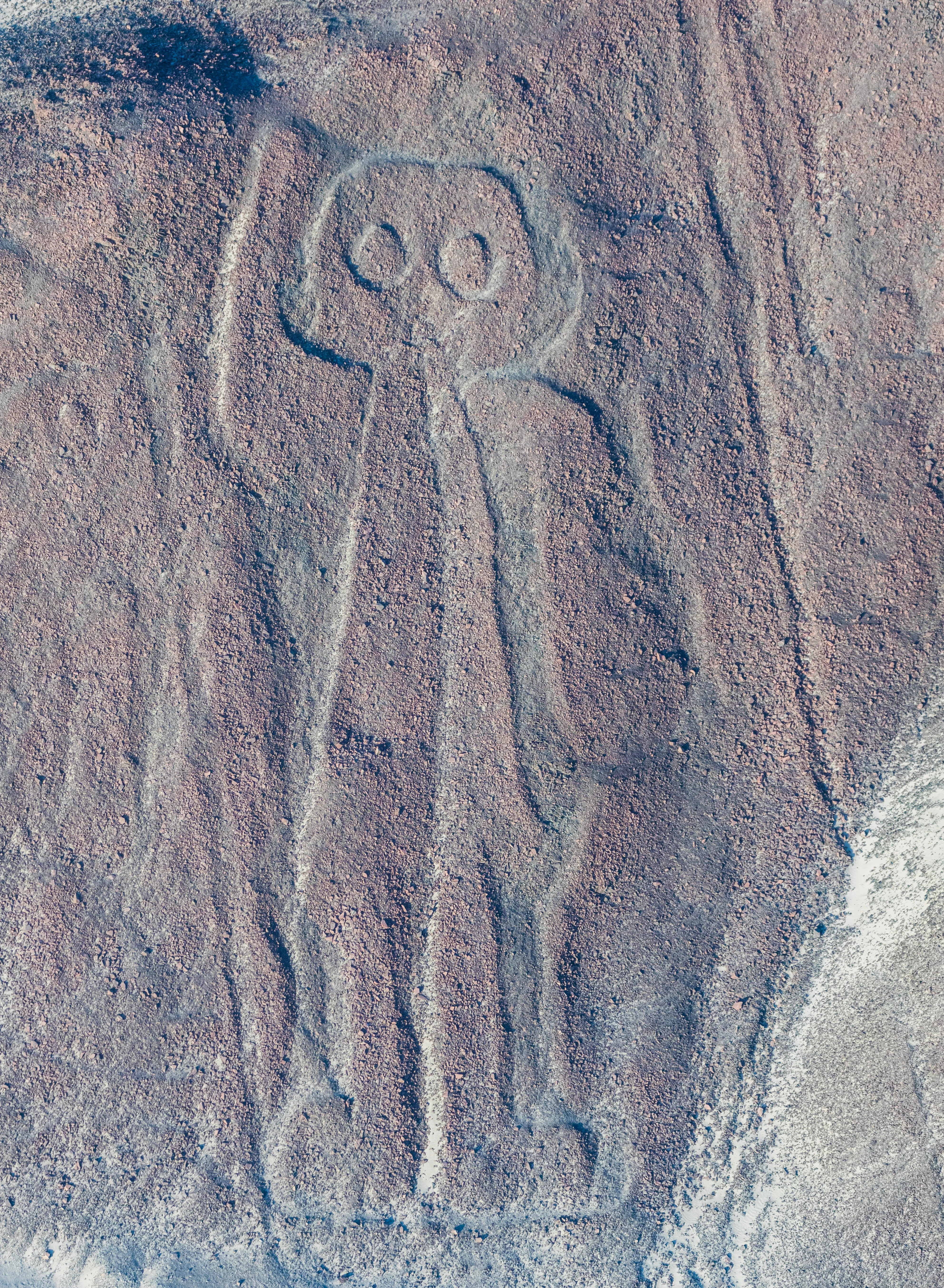
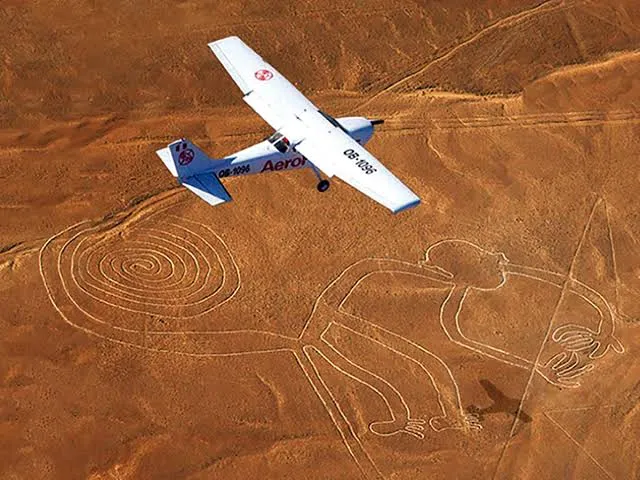
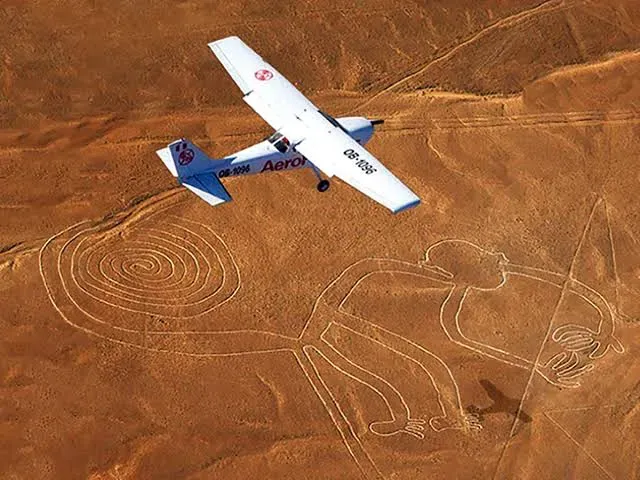
The Nazca Lines consist of over 800 straight lines, 300 geometric figures, and 70 animal and plant designs. The most famous figures include: the Hummingbird (96m wingspan), the Spider (46m), the Monkey (110m wide), the Condor (135m wingspan), the Whale, the Dog, the Astronaut (a humanoid figure), the Hands, the Lizard, and the Tree.

Several theories exist about why the Nazca created the Lines. The most widely accepted is that they were associated with water and fertility rituals, serving as pathways walked during ceremonies appealing to their deities for water in this desert environment. Other theories include astronomical alignments, alien construction (thoroughly debunked), and sacred landscapes visible to flying deities.

The Nazca Lines

Top Attractions

Top Attractions

Nazca Lines Overflight

The only way to truly appreciate the Lines — 30-45 minute scenic flights over the Monkey, Hummingbird, Spider, Astronaut and other figures.

Viewing Tower (Mirador)

Free roadside tower offering ground-level views of the Lizard, Tree, and Hands geoglyphs.

Maria Reiche Museum

Museum dedicated to the German mathematician who devoted her life to studying and protecting the Lines.

Cahuachi Ceremonial Center

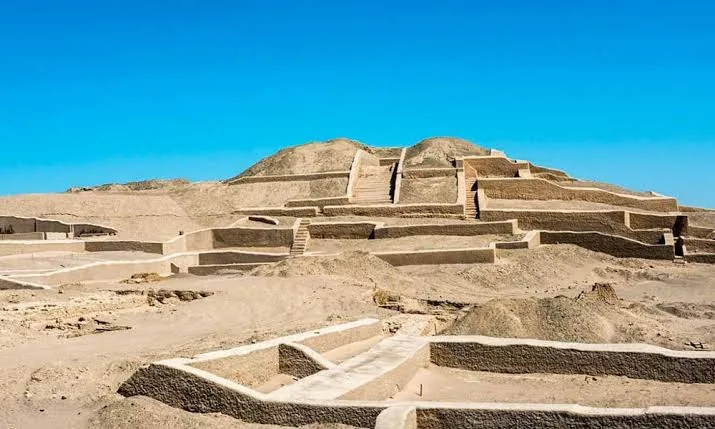
The main ceremonial center of the Nazca civilization — enormous adobe pyramids still being excavated.

Chauchilla Cemetery

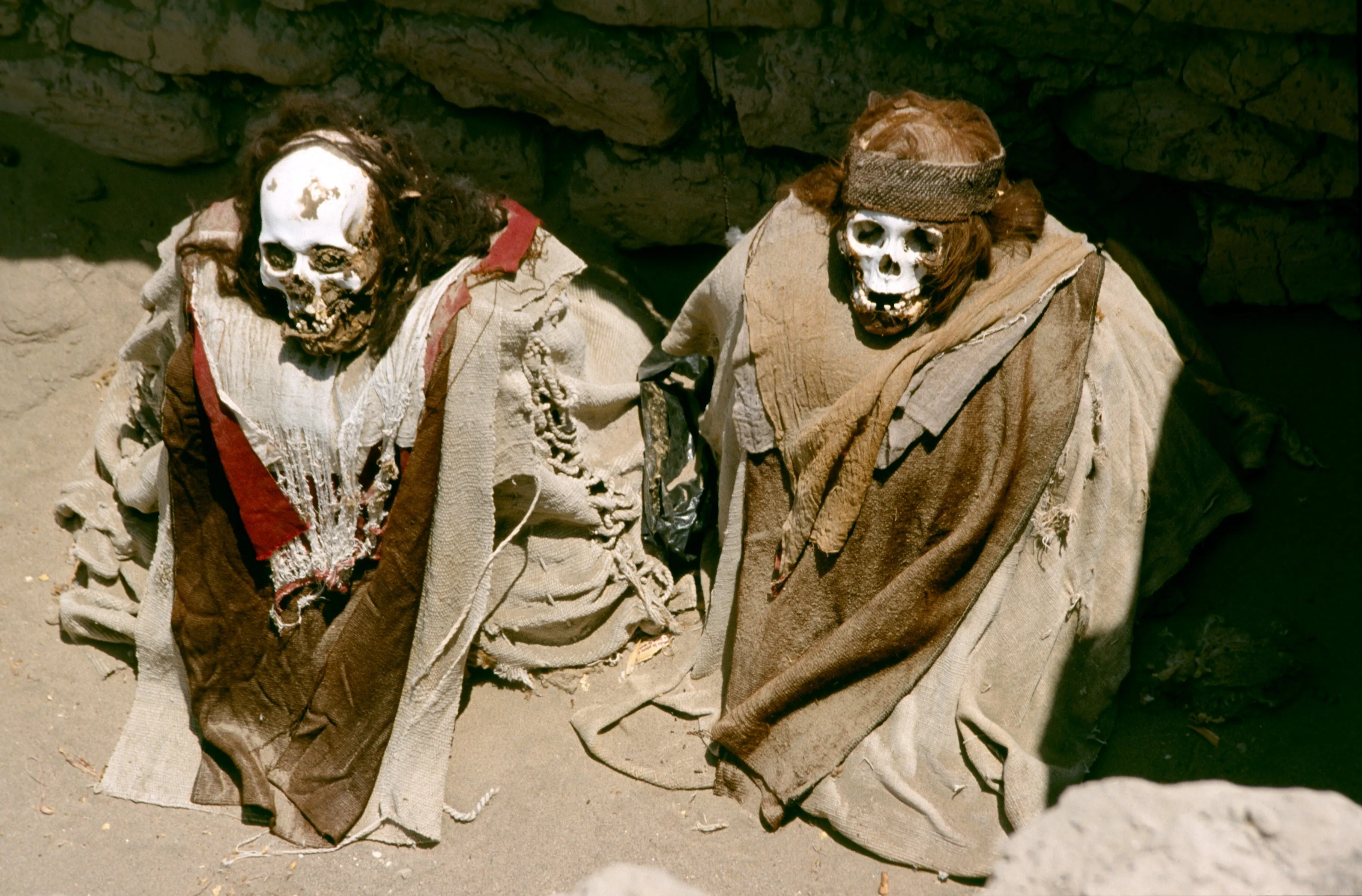
Ancient Nazca cemetery where mummies still rest in their original burial sites in the open desert.

Paredones (Inca Site)

Well-preserved Inca administrative complex and aqueduct near the city of Nazca.

Culture

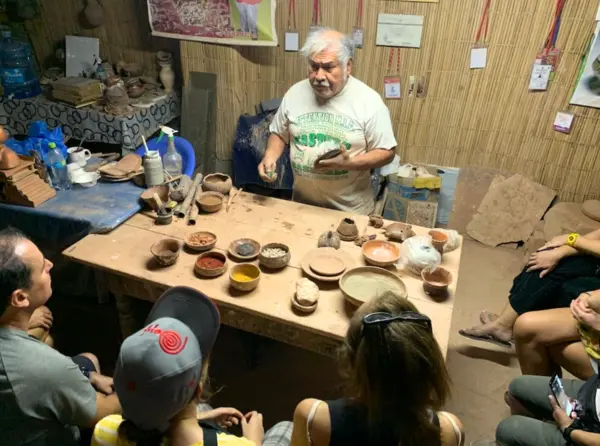
The Nazca civilization created some of the most sophisticated pottery in the pre-Columbian Americas. Their distinctive polychrome ceramics featured mythological creatures, deity faces, agricultural products, and scenes from daily life in vivid colors. These ceramics are studied by archaeologists as key evidence for understanding Nazca religion and worldview.

The Nazca also produced remarkable textiles, metalwork, and musical instruments (panpipes made of ceramic and bone). Their sophisticated understanding of mathematics, astronomy, and engineering — evidenced by the Lines, the aqueducts, and the scale of Cahuachi — places them among the most accomplished ancient cultures in South America.

Culture

Traditions

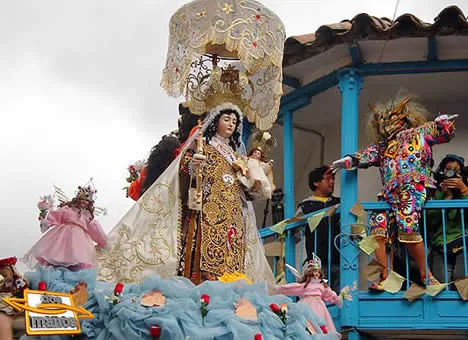
Modern Nazca maintains a close cultural connection to its ancient heritage. The city celebrates the Festival of the Virgen del Carmen in July with traditional dances, processions, and local food. The festival blends Catholic religious tradition with Andean folk culture in colorful costumes and music.

The vendimia (grape harvest) festival in March reflects the importance of wine and pisco production in the Ica region — Nazca is surrounded by vineyards that have produced Peruvian pisco since colonial times. Many small distilleries near Nazca offer tours and tastings.

Traditions

Activities

Activities

Lines Overflight

30-45 minute scenic airplane tour over the Nazca Lines — book in advance, flights go early morning.

Chauchilla Mummy Cemetery

Visit the eerie open-air cemetery where Nazca mummies lie in their original burial sites.

Cahuachi Pyramids

Visit the partially-excavated Nazca ceremonial capital — enormous adobe mounds in the desert.

Gold Museum

Small museum with Nazca gold artifacts and pre-Columbian ceremonial objects.

Pisco Distillery Visit

Tour a local bodega near Nazca to see traditional pisco production and enjoy tastings.

Combine with Paracas

Nazca + Paracas is the classic south Peru coastal circuit — only 2.5 hours apart.

Food & Cuisine

Nazca sits in the Ica region — Peru's primary pisco-producing area and home to excellent coastal cuisine. The city's food reflects its desert and coastal heritage, with fresh seafood sourced from Paracas and robust local flavors.

Food & Cuisine

Ceviche de Mariscos

Mixed seafood ceviche — fresh from the nearby Paracas coast, a staple of any lunch in Nazca.

Carapulcra

Ancient Andean freeze-dried potato stew with pork, peanuts, and chilies — one of Peru's oldest dishes.

Tejas de Ica

Traditional sweets from Ica — pecans or figs coated in white sugar fondant and dulce de leche.

Pisco de Ica

The famous Ica grape pisco — stronger and more aromatic than Lima-style pisco sours.

Sopa Seca

Dry pasta with chicken and peanuts — a regional specialty of the Ica coast.

Travel Info

Getting There

  • Bus from Lima: 7-8 hours south on the Pan-American Highway (Cruz del Sur, Oltursa)
  • Bus from Paracas/Ica: 2.5 hours further south
  • Direct bus from Cusco via Arequipa (long but scenic route)
  • Small regional airport with charter flights from Lima available

Booking Flights Over the Lines

  • Book your overflight in advance — airlines include Alas Peruanas, AeroParacas, and others
  • Morning flights are best (less turbulence and better light for photos)
  • Standard flight: 30 min over the Lines = ~12 figures visible
  • Premium flight: 45 min = more figures including the Astronaut and Whale
  • Prices: ~$80-150 USD per person depending on flight duration

Practical Tips

  • The Lines are best appreciated from the air — the mirador gives only a small taste
  • Some people experience motion sickness on the small planes — take anti-nausea medication
  • The desert heat is intense (35°C+) — visit archaeological sites in the morning
  • Stay 1-2 nights to see all major sites (Chauchilla, Cahuachi, Maria Reiche Museum)

Best Time to Visit

  • Year-round destination — the Nazca desert has virtually no rain
  • May–October: Less wind, clearer skies for overflights
  • Avoid December–January: Occasional clouds can affect overflight visibility
  • Early morning flights (8-10am) have the clearest air and best photo light

Book Your Adventure

Ready to explore Nazca?

Our local experts will design the perfect trip for you. Private tours, bilingual guides, and unique experiences.

Browse All ToursMore Destinations
Chat with a Local Peru Travel Expert