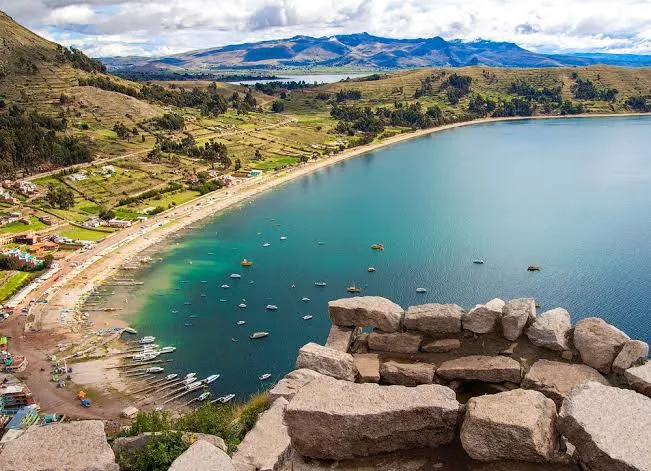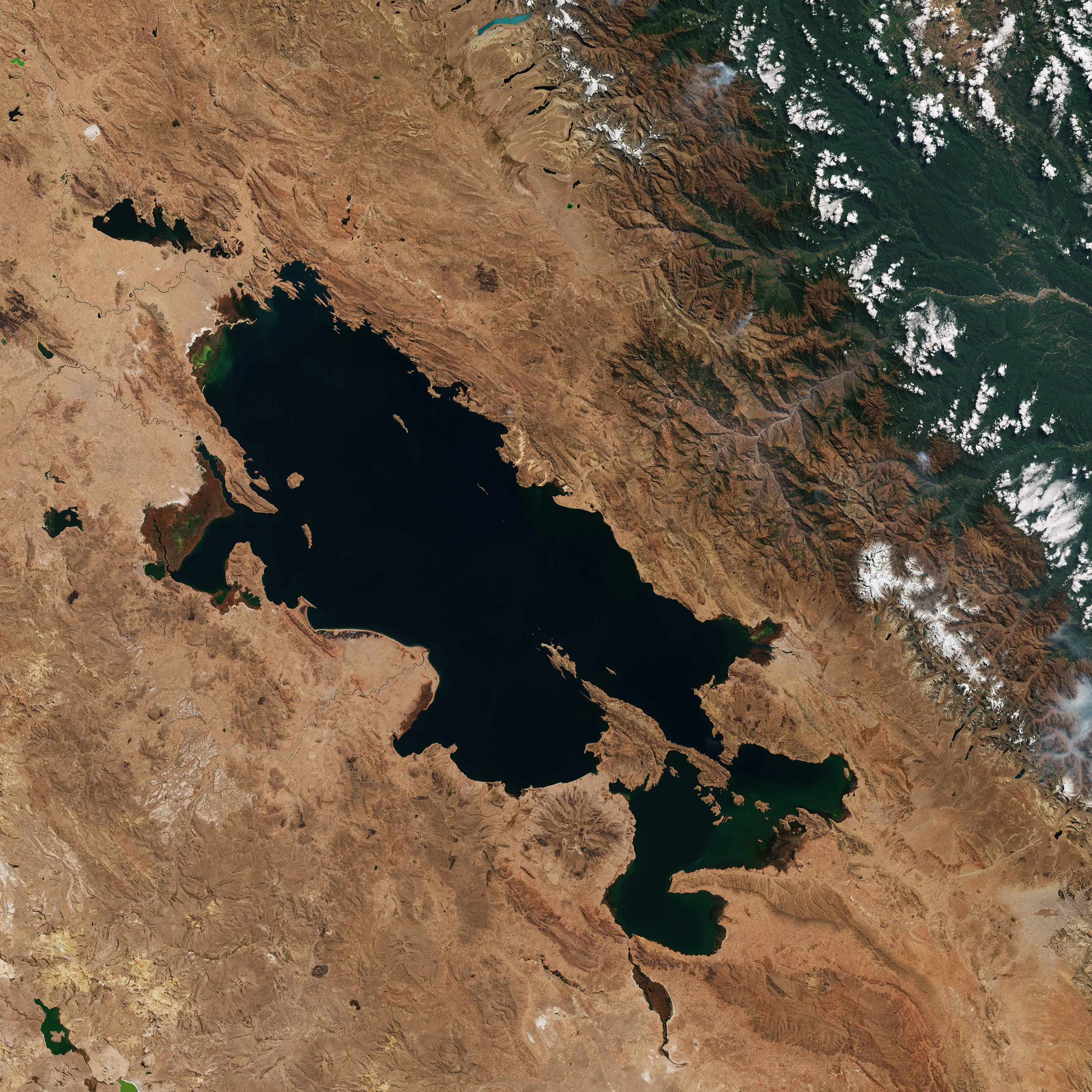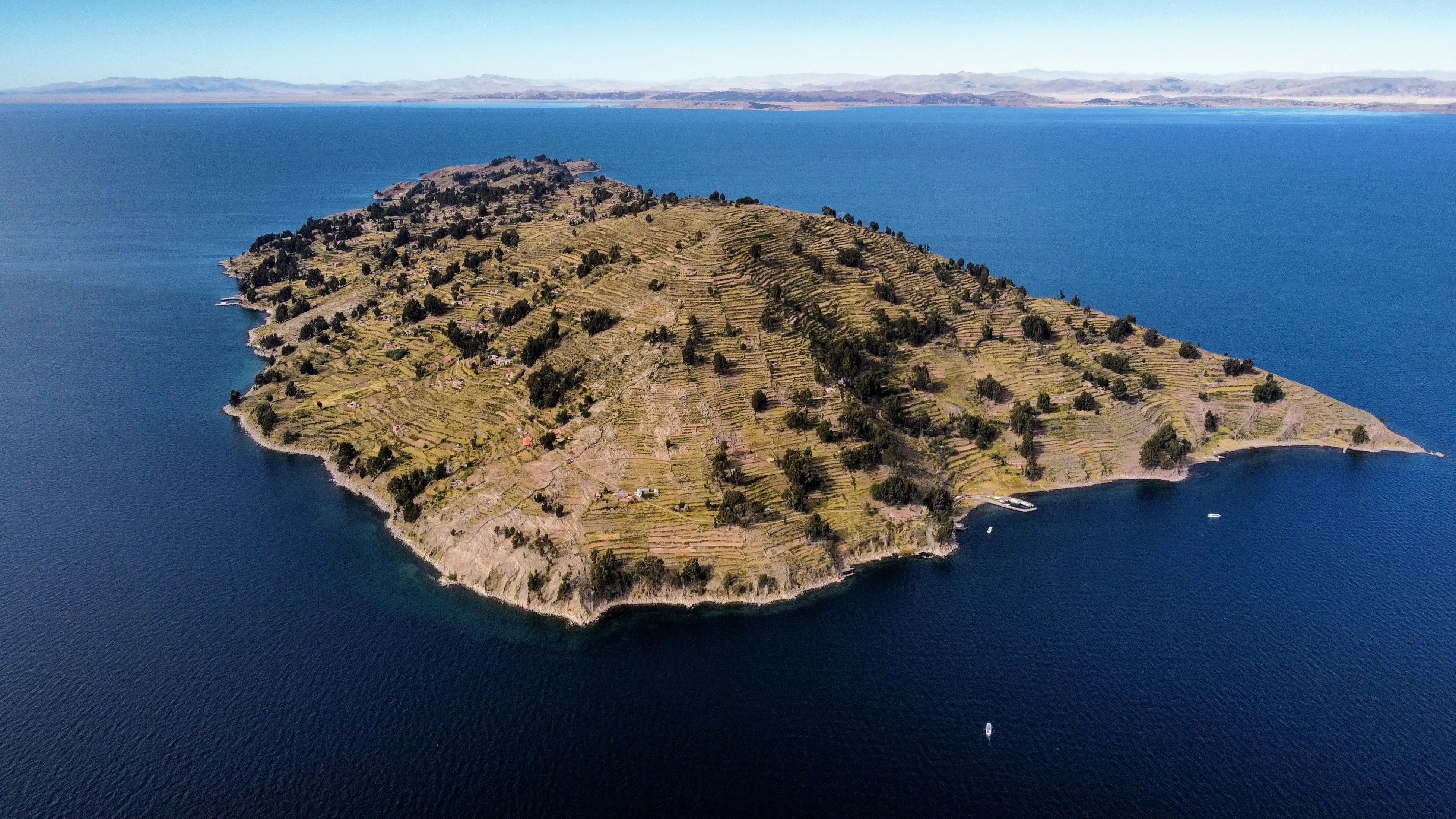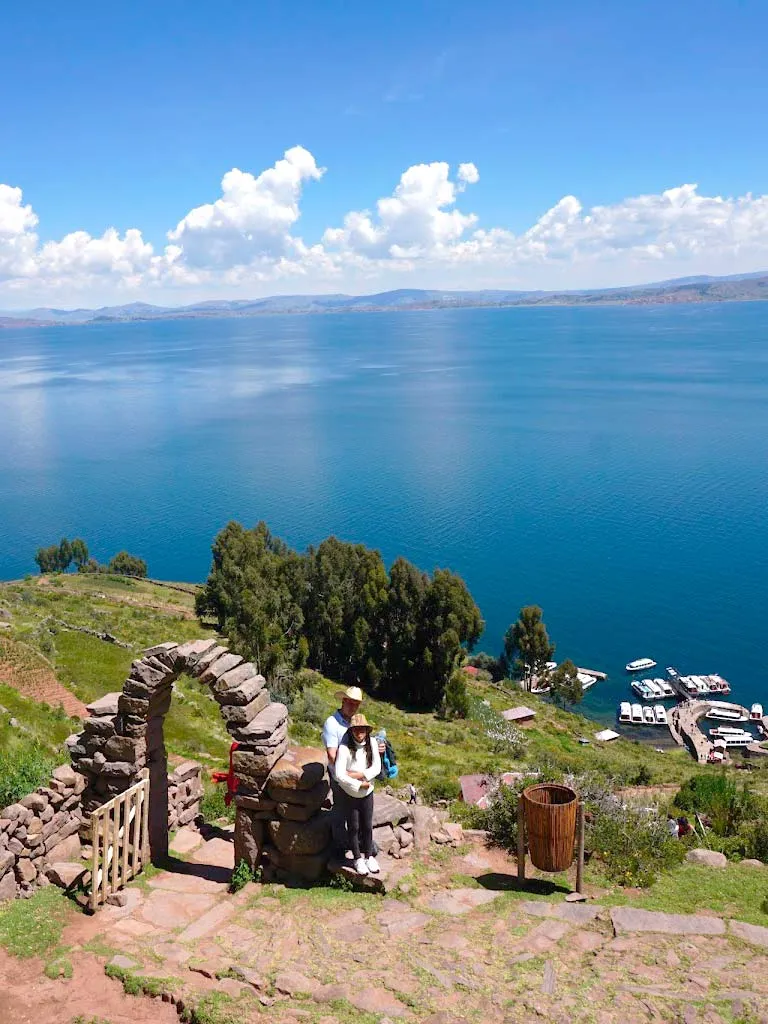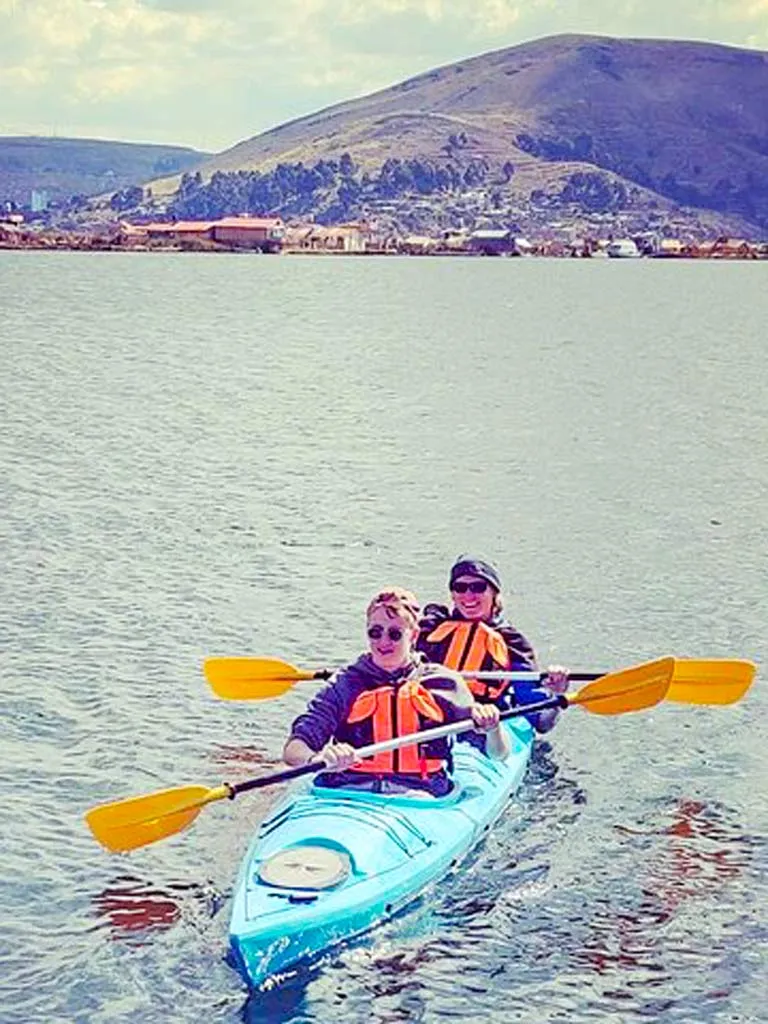
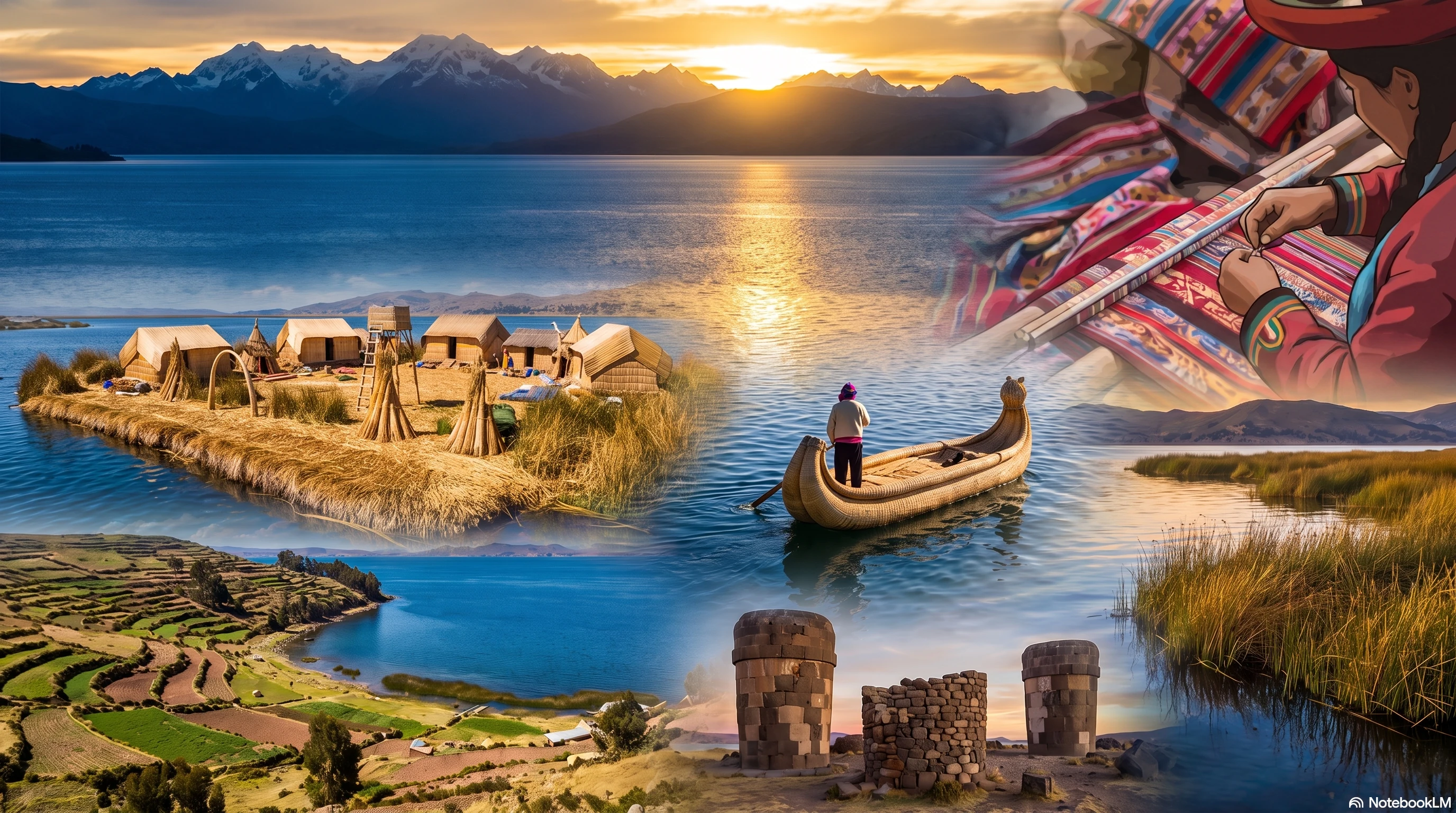
Lake Titicaca sits at an astonishing 3,812 meters above sea level on the vast Altiplano plateau along the border of Peru and Bolivia. Recognized as the world's highest commercially navigable body of water, its shimmering deep blue waters stretch across 8,372 square kilometers framed by snow-capped peaks.
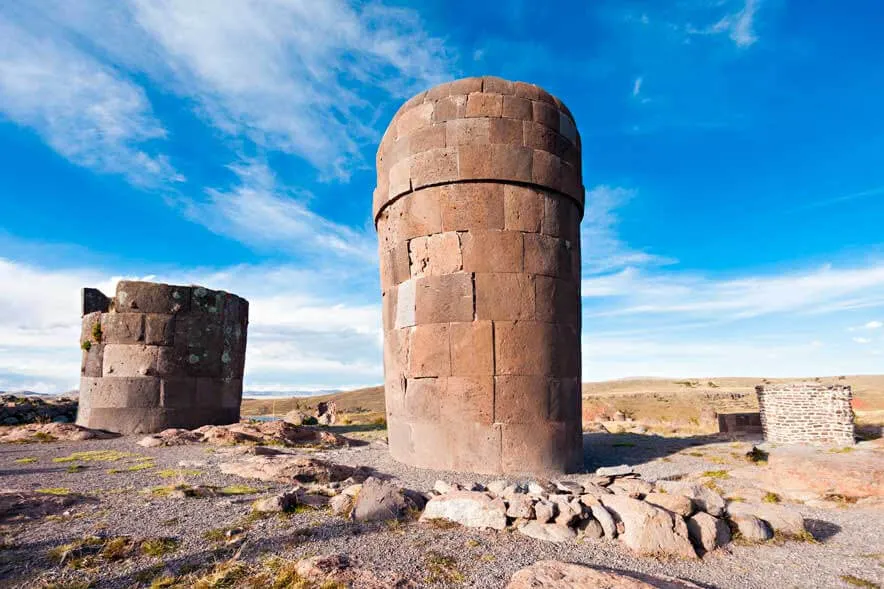
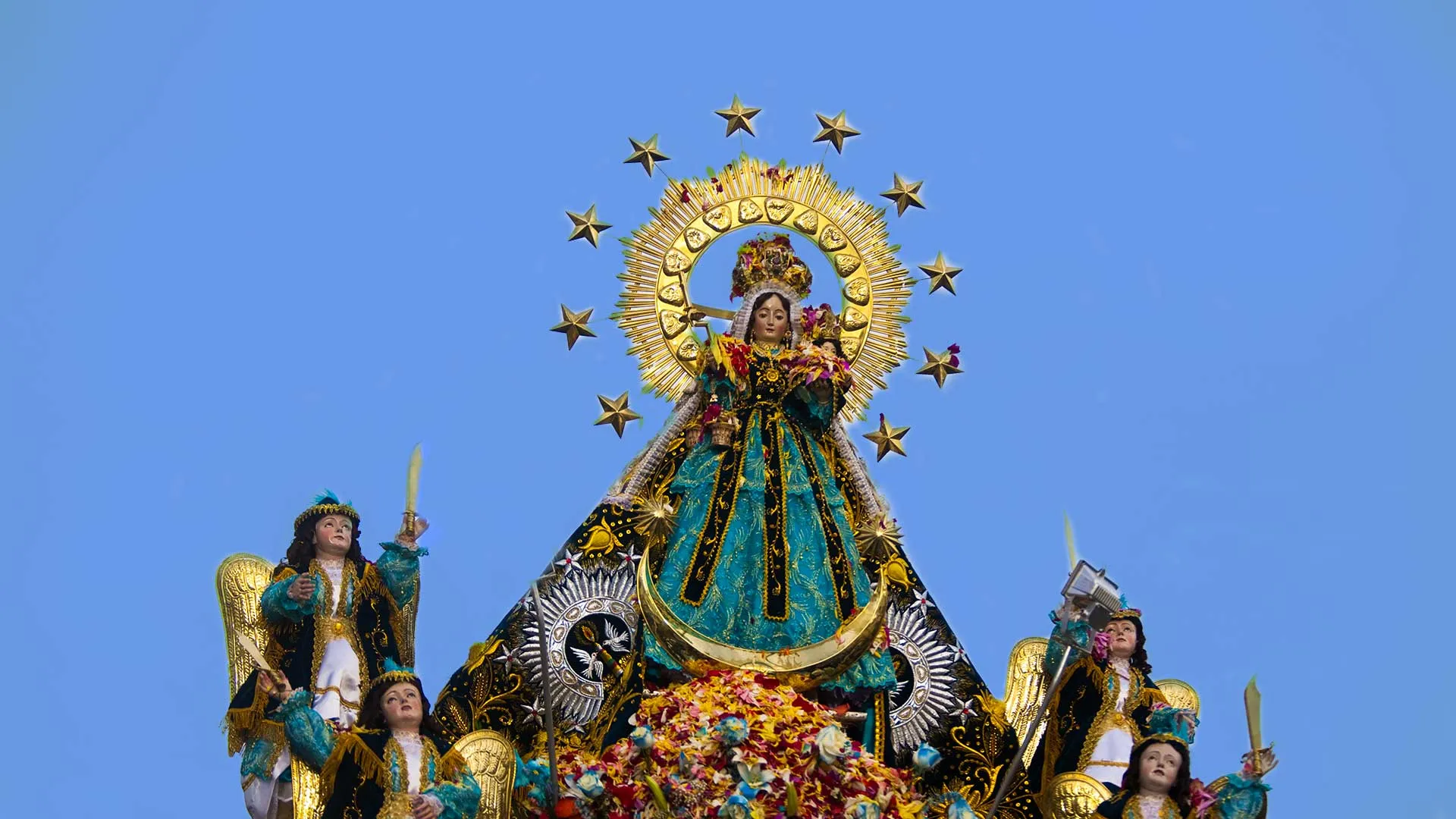
According to ancient Andean mythology, Titicaca is the sacred birthplace of the Sun God Inti and Manco Cápac, the legendary founder of the Inca dynasty. For thousands of years, its sacred waters have sustained highland civilizations, from the pre-Inca Pukara and Tiwanaku cultures to living Aymara and Quechua communities.
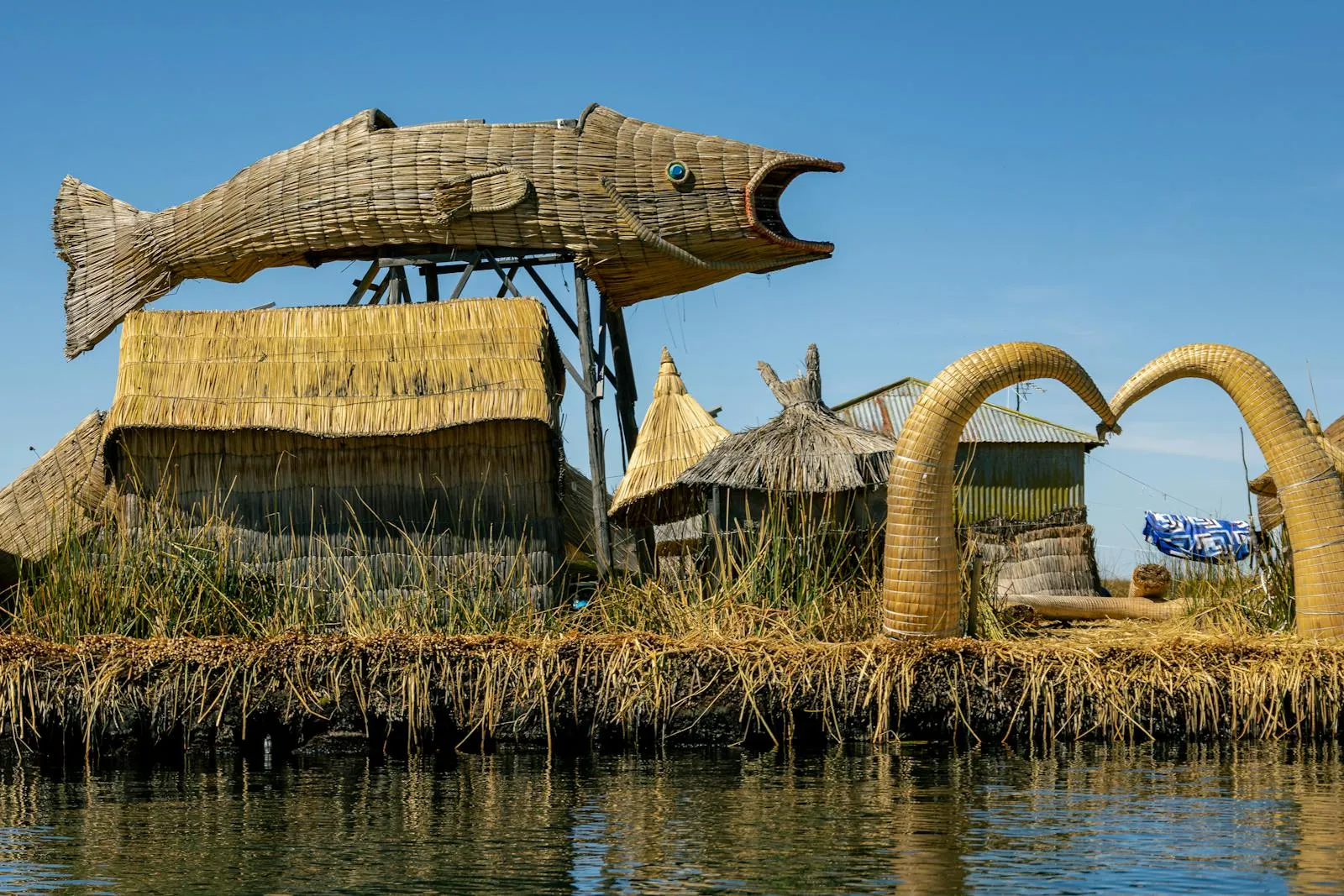
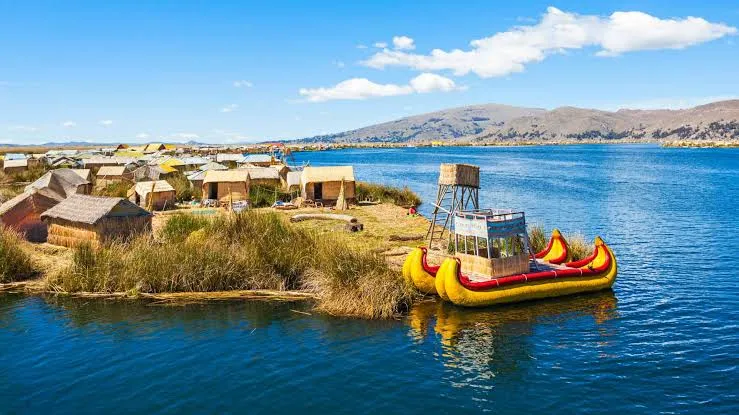
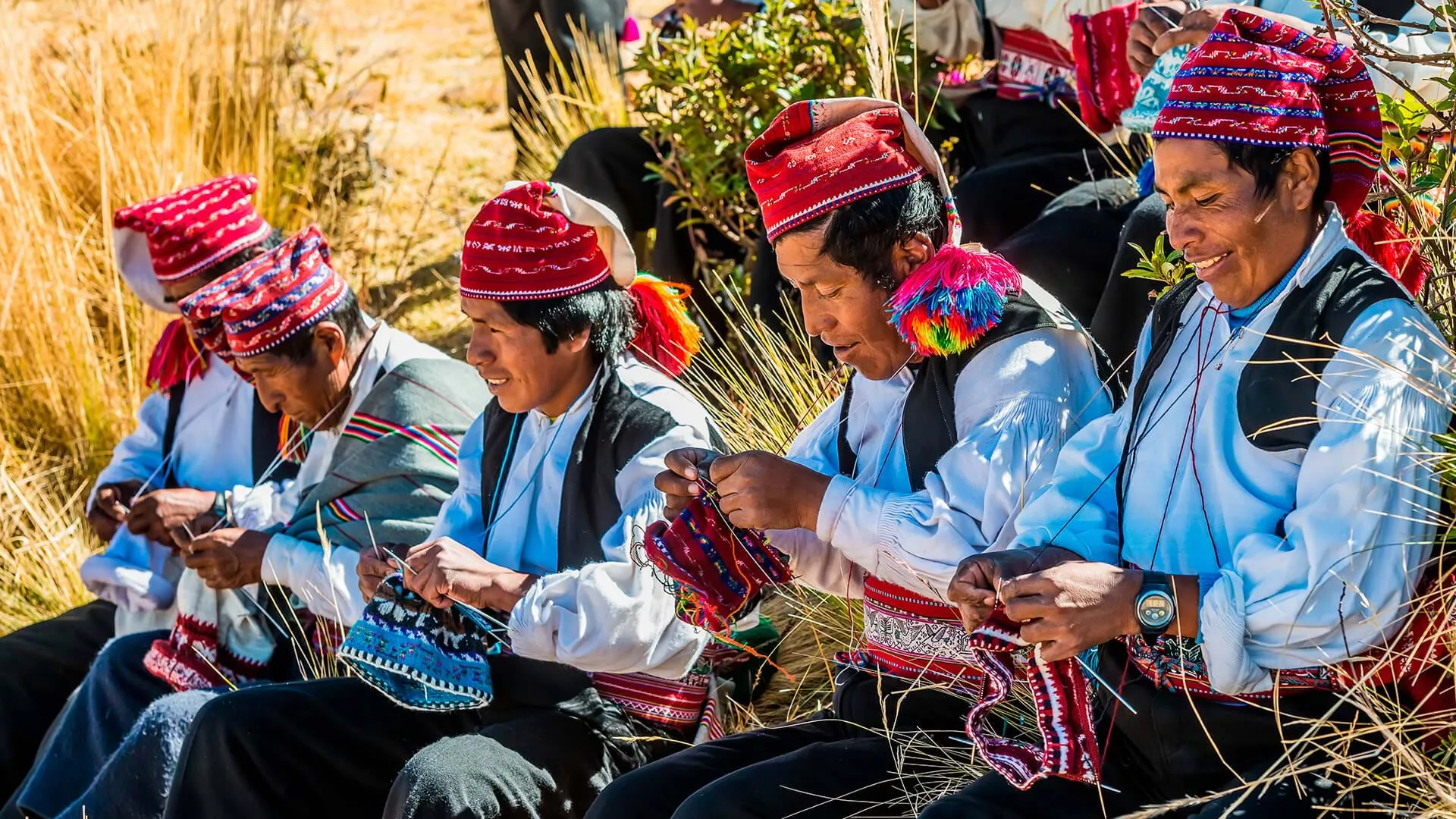
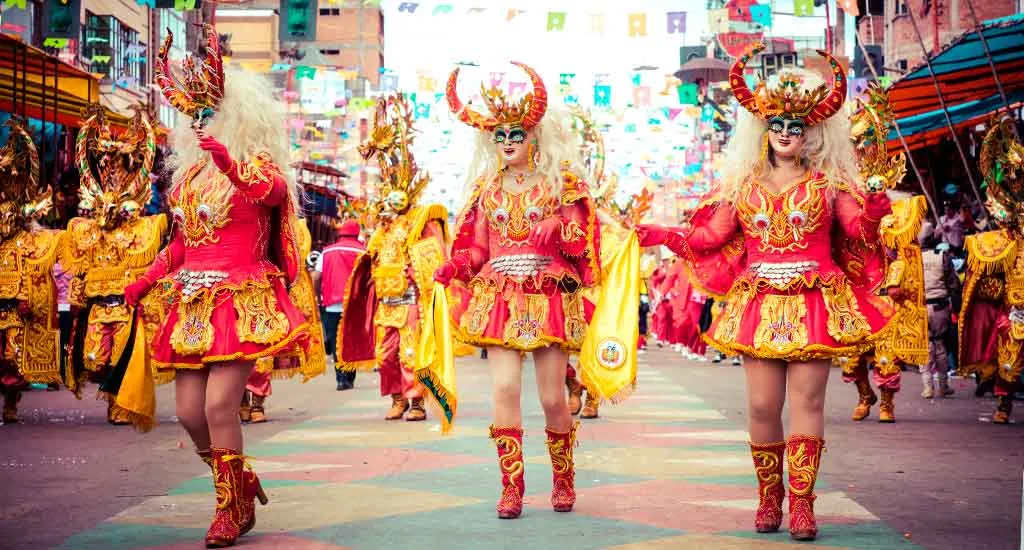
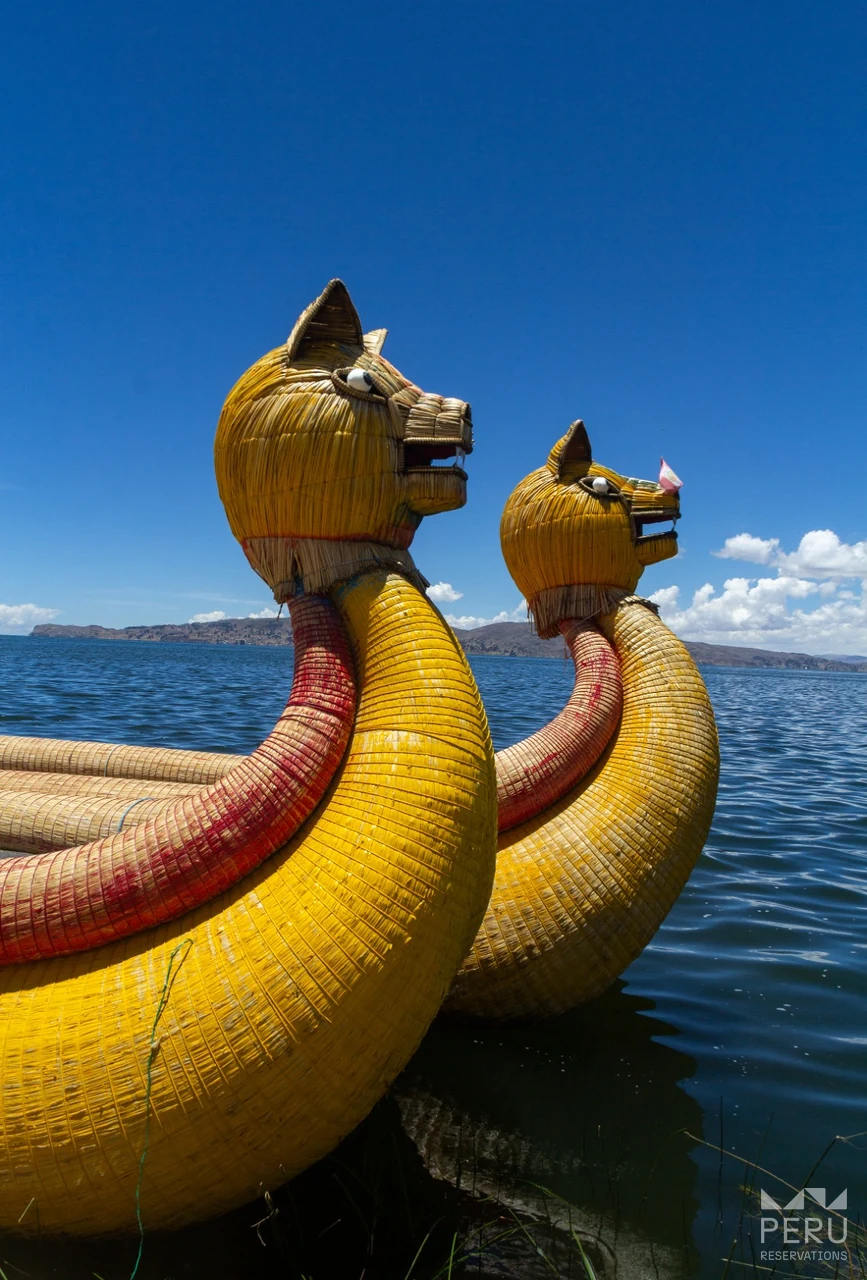
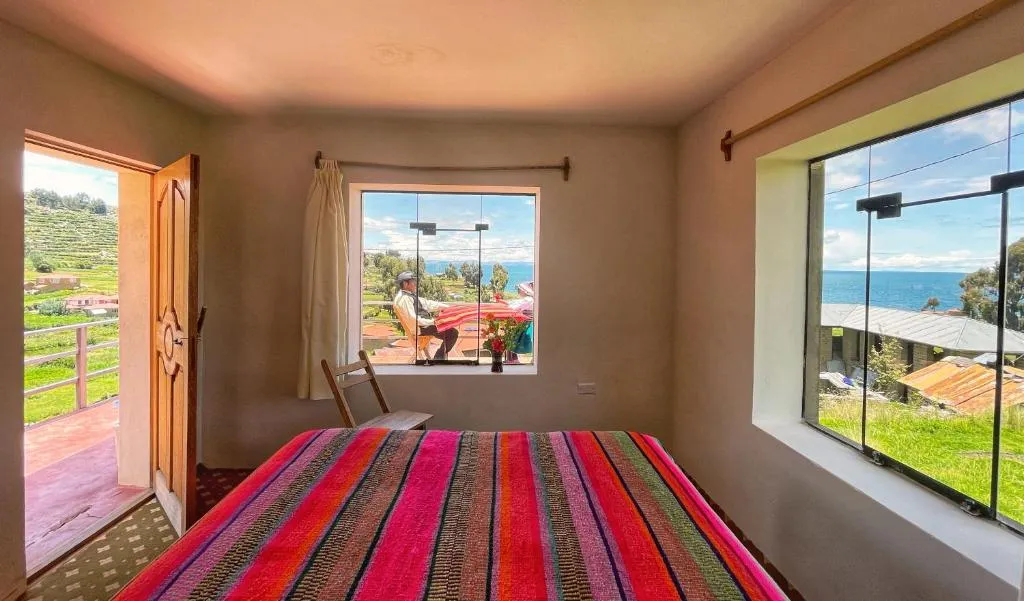
Visiting Titicaca offers a profound encounter with living heritage, from the iconic man-made floating reed islands of Uros to the master weavers of Taquile Island. Its brilliant high-altitude sunlight, pristine island homestays, and mystical tranquility make it one of South America's most inspiring destinations.